

Hydration Pack For Cyclists Setup Guide For Longer Rides
Does a hydration pack for cyclists really improve long rides?
A hydration pack for cyclists helps riders stay consistently hydrated without stopping, reducing fatigue and improving endurance. By delivering water through a hands-free system, it encourages frequent sipping, which supports energy levels, prevents cramps, and keeps performance steady during long-distance rides.
Hydration Pack For Cyclists Setup Guide For Longer Rides
A hydration pack for cyclists can make or break your endurance, yet most riders overlook proper setup. Learn how to stay hydrated cycling without discomfort, plus smart tips for comfortable long bike rides that actually work. We’ll also break down how to choose cycling hydration packs that fit your body and avoid the common problem of an uncomfortable hydration pack for cycling. Ready to unlock longer, smoother rides with less fatigue?
⏱ 9 min read
You’re halfway through a long ride. Your legs feel strong—but your energy suddenly dips. You realize you haven’t had water in 30 minutes because grabbing a bottle felt like too much effort.
Sound familiar? What gear actually makes cycling easier and more enjoyable?
The answer often starts with one overlooked upgrade: your hydration system.
A properly fitted hydration pack for cyclists solves multiple problems at once—accessibility, comfort, and endurance. But setup matters just as much as the pack itself.
Explore smart solutions inside Hydration & Food to upgrade your endurance setup.
💡 See it in action
What Is a Hydration Pack for Cyclists and Why It Matters
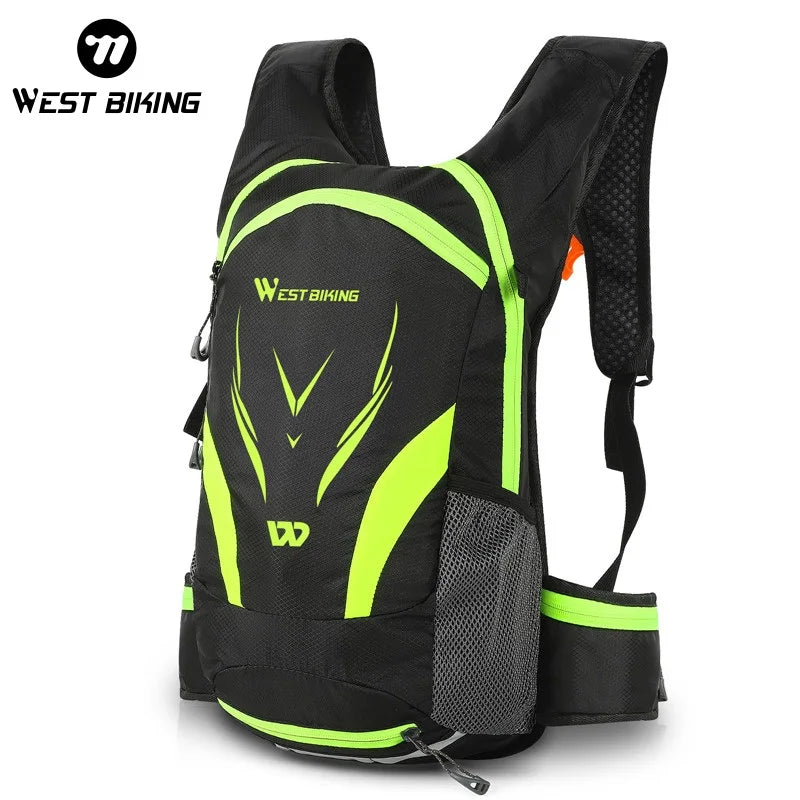
A hydration pack for cyclists is a wearable backpack with a water reservoir and tube system that allows hands-free drinking while riding. It improves hydration consistency, reduces interruptions, and helps maintain endurance on long rides by making water access effortless.
Unlike traditional bottles, hydration packs eliminate the need to reach, grab, and reposition mid-ride. That small change leads to a big impact over hours.
- Drink more frequently without thinking
- Maintain better posture and balance
- Carry more water for longer routes
- Reduce fatigue caused by dehydration
Riders often underestimate how hydration timing—not just quantity—affects performance. A pack ensures consistent intake.
Step-by-Step Setup for Maximum Comfort
If your hydration pack feels awkward, the issue is usually setup—not the pack itself.
- Adjust shoulder straps first: The pack should sit snug but not tight. No bouncing when you ride.
- Position the reservoir high: Water weight should sit between your shoulder blades for balance.
- Secure chest strap: This prevents shifting during climbs or rough terrain.
- Route the hose correctly: Keep it accessible near your mouth without turning your head.
- Balance the load: Add tools or snacks evenly to avoid pressure points.
For better organization, use Gear Organizers & Pouches to distribute weight and avoid clutter inside your pack.
Check out lightweight carry options in Lightweight Daypacks.
How to Fix an Uncomfortable Hydration Pack for Cycling
An uncomfortable hydration pack for cycling usually comes down to poor fit, improper weight distribution, or overheating.
Common Issues and Fixes
| Problem | Cause | Solution |
|---|---|---|
| Shoulder pain | Straps too tight | Loosen and reposition higher |
| Back sweating | No airflow | Choose breathable mesh designs |
| Bouncing pack | Loose fit | Tighten chest and waist straps |
| Uneven pressure | Poor weight balance | Use compartments wisely |
Adding small accessories like clips from Hooks, Clips & Carabiners can stabilize hoses and improve usability.
Fixing these small issues can completely transform your riding experience.
How to Stay Hydrated Cycling Without Overthinking
Hydration doesn’t need to be complicated. The key is consistency.
- Take small sips every 10–15 minutes
- Don’t wait until you feel thirsty
- Add electrolytes on longer rides
- Monitor urine color post-ride for hydration level
For extended trips, combining your pack with solutions from Collapsible Water Bottles ensures you always have backup hydration.
💡 See it in action
Hydration packs make it easier to follow these habits naturally, without interrupting your flow.
How to Choose Cycling Hydration Packs That Fit Perfectly
Choosing the right pack determines your comfort for hours.
What to Look For
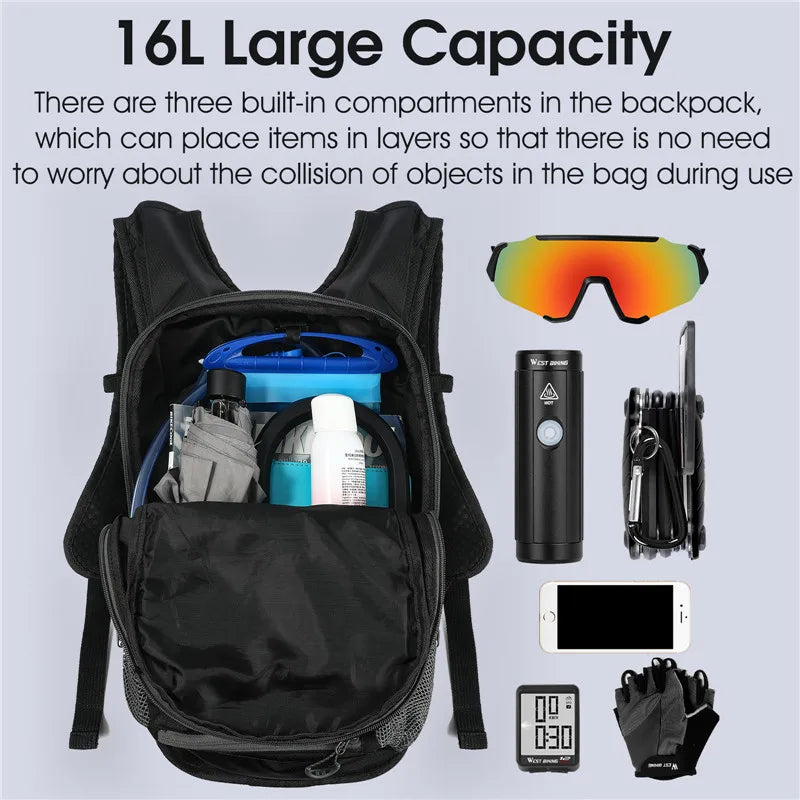
- Capacity: 1.5L–3L for most long rides
- Fit: Adjustable straps and ergonomic shape
- Ventilation: Mesh panels reduce sweating
- Storage: Enough room for essentials
- Weight: Lightweight design for endurance
If you carry additional gear, pairing with Backpacking & Carry solutions helps distribute load efficiently.
A well-fitted hydration pack should feel like part of your body—not an extra burden.
Tips for Comfortable Long Bike Rides That Actually Work
Beyond hydration, comfort comes from a system of small improvements.
- Wear moisture-wicking clothing
- Use padded cycling shorts
- Stretch before and after rides
- Keep snacks easily accessible
- Adjust bike fit regularly
Recovery matters too. Explore tools from Stretching & Recovery Tools to reduce soreness after long rides.
Many cyclists report that combining proper hydration with small comfort upgrades increases ride duration by 20–30%.
Upgrade your cycling setup with the hydration pack for cyclists designed for comfort and endurance.
Hydration Pack vs Bottles Comparison
| Feature | Hydration Pack | Water Bottles |
|---|---|---|
| Ease of drinking | Hands-free | Requires grabbing |
| Capacity | High (1.5–3L) | Limited |
| Comfort | Balanced weight | Frame-mounted |
| Convenience | Continuous sipping | Stop-and-drink |
For long-distance cycling, hydration packs consistently outperform bottles in convenience and endurance support.
💡 See it in action
FAQs
How much water should I carry on a long ride?
Most cyclists need 500–750ml per hour depending on intensity and weather. A hydration pack allows you to carry enough water without frequent refills.
Can hydration packs improve cycling performance?
Yes, by ensuring consistent hydration, they help maintain energy levels, reduce fatigue, and improve endurance over long distances.
Are hydration packs better than bottles for beginners?
For longer rides, hydration packs are easier to use and encourage better hydration habits, making them ideal for beginners building endurance.
How do I clean a hydration pack?
Rinse the reservoir after each ride, use cleaning tablets regularly, and allow it to dry completely to prevent bacteria buildup.
What size hydration pack is best?
For most cyclists, a 2L reservoir offers the best balance between capacity and comfort for long rides.
Related Articles:
- Biking Hydration Backpack Tips To Prevent Shoulder Fatigue
- Best Backpacks For Cyclists With Smart Storage Setups
- How To Use A Waterproof Cycling Pack In Heavy Rain
- How To Pack A Day Hiking Hydration Pack Like A Pro
Pillar Articles:





