

How To Pack A Day Hiking Hydration Pack Like A Pro
How To Pack A Day Hiking Hydration Pack Like A Pro
⏱ 9 min read
What Is The Best Way To Pack A Day Hiking Hydration Pack?
A properly organized day hiking hydration pack keeps water accessible, balances weight across your shoulders and hips, and prevents gear shifting inside hiking backpack compartments during long hikes. Packing heavier items close to your back, using separate gear organizers, and securing loose items improves comfort, mobility, and trail performance on every adventure.
Day hiking hydration pack organization can make or break your comfort, balance, and trail performance on long treks. Learn how to pack lightweight hiking gear efficiently, prevent gear shifting inside hiking backpack compartments, and maximize every pocket in a hydration compatible hiking daypack lightweight setup. You’ll also discover smart solutions for how to carry helmets while hiking without sacrificing mobility or storage space. A few overlooked packing tricks could completely change the way you hike next time.
Ever reached for a snack or rain jacket during a hike only to discover everything buried at the bottom of your pack? That frustration usually comes from poor weight distribution and disorganized storage.
The right setup changes everything. A properly packed hydration daypack reduces shoulder strain, prevents bouncing gear, and helps you move confidently over rocky terrain or steep climbs.
👉 Discover must-have hiking essentials for smoother trail adventures.
Backpacking & Carry | Hydration & Food | 16L Cycling Hydration Backpack
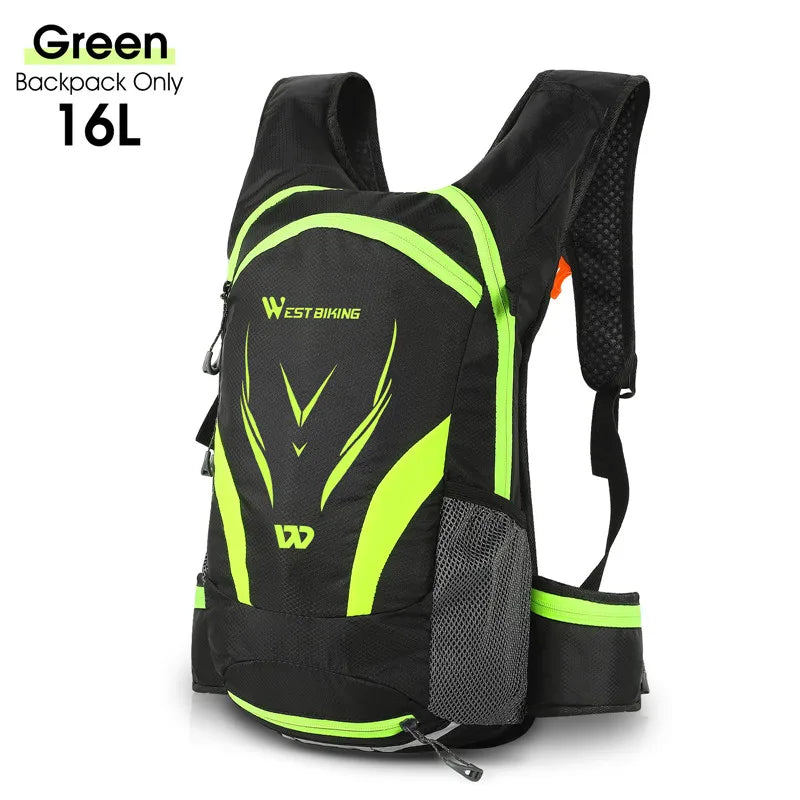
💡 See it in action
Why Smart Packing Makes Hiking Easier
A well-packed day hiking hydration pack helps distribute weight evenly, reduces fatigue, and keeps important gear accessible during hikes. Strategic packing prevents gear shifting inside hiking backpack compartments while improving balance, posture, and stability on uneven trails.
Most beginner hikers carry more weight than necessary. Even worse, they often place heavy items in the wrong location.
That creates:
- Back strain after long walks
- Constant shoulder pressure
- Gear bouncing during movement
- Difficulty finding essentials quickly
- Poor balance on technical terrain
Smart hikers focus on efficiency instead of stuffing every available pocket.
| Poor Packing Habits | Better Packing Strategy |
|---|---|
| Heavy gear hanging far from back | Heavy items centered close to spine |
| Loose equipment bouncing around | Compression pouches and clips secure gear |
| Frequently used gear buried deep | Quick-access storage for essentials |
| Uneven side pocket weight | Balanced left/right pocket loading |
Many hikers also underestimate how much hydration access matters. Stopping repeatedly to grab water wastes energy and interrupts momentum.
Step-By-Step Day Hiking Hydration Pack Setup
A hydration compatible hiking daypack lightweight setup works best when gear is packed by priority and weight. Heavy items belong near the center back panel, medium-weight items stay in the middle layer, and quick-access essentials go in external compartments.
-
Start with the hydration bladder.
Fill it first and place it in the dedicated hydration sleeve. -
Pack heavy items closest to your back.
Examples include power banks, water filters, or dense food containers. -
Add soft gear around heavier items.
Use lightweight layers or rain gear to prevent shifting. -
Store frequently used items externally.
Snacks, maps, sunglasses, and sunscreen should stay accessible. -
Secure dangling gear.
Use compression straps and clips to prevent swinging equipment.
What gear actually makes hiking easier? Usually the simplest items:
- Compact rain protection
- Hydration reservoir systems
- Lightweight food storage
- Compression organizers
- Small emergency kits
For better organization, many hikers combine their hydration pack with Gear Organizers & Pouches and Compression & Packing Bags to separate layers and tools efficiently.
Recommended Day Hike Packing Zones
| Pack Area | Best Items To Store |
|---|---|
| Top Pocket | Snacks, sunglasses, sunscreen |
| Main Core | Extra layers, food, emergency gear |
| Back Panel | Hydration bladder |
| Hip Belt Pockets | Phone, energy gels, lip balm |
| External Loops | Helmet, trekking poles, wet gear |
👉 Learn how to organize lightweight hiking gear more efficiently before your next trail day.
How To Stop Gear Shifting Inside Hiking Backpack Compartments
Gear shifting inside hiking backpack compartments usually happens when empty spaces allow items to move freely. Compression sacks, balanced weight placement, and tightly packed soft layers stabilize the load and improve hiking comfort.
One of the biggest causes of trail fatigue is constant micro-adjustment from unstable pack weight.
Even lightweight gear becomes exhausting when it swings or shifts during movement.
To fix this problem:
- Use compression straps aggressively
- Fill gaps with soft clothing layers
- Avoid overpacking top compartments
- Distribute weight evenly left-to-right
- Separate tools into compact pouches
Experienced hikers often combine Hooks, Clips & Carabiners with Waterproof & Dry Bags to secure loose equipment and protect essentials during wet conditions.
A hydration compatible hiking daypack lightweight design works best when every item has a dedicated location.
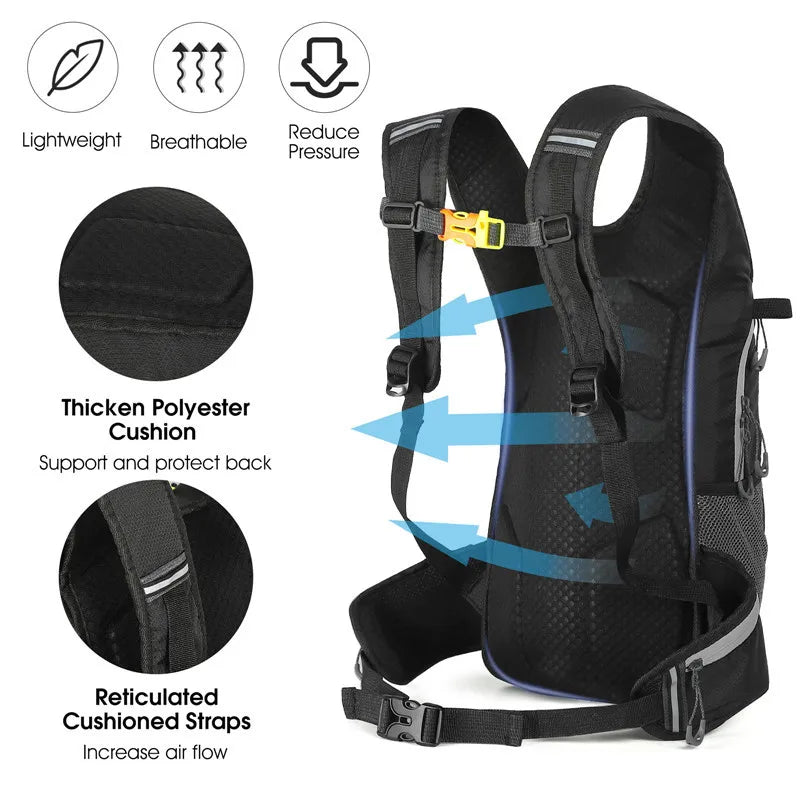
💡 See it in action
Best Lightweight Gear To Carry On Day Hikes
Knowing how to pack lightweight hiking gear starts with choosing multi-purpose essentials that reduce bulk while improving safety and comfort on the trail.
Many hikers now prioritize ultralight systems instead of bulky traditional gear.
Essential Lightweight Hiking Items
- Compact first aid kit
- Packable rain poncho
- Collapsible water bottle
- Small headlamp
- Energy snacks
- Lightweight insulating layer
- Portable water filter
Helpful trail-ready collections include:
- Collapsible Water Bottles
- Personal Water Filters
- Headlamps & Wearable Lights
- First Aid Kits
- Rain Ponchos & Capes
Many beginner hikers report huge comfort improvements after switching from bulky backpacks to compact hydration-focused systems.
“I used to finish short hikes with sore shoulders. After reorganizing my hydration pack and reducing extra gear, my hikes became much easier.” — Colorado trail hiker
How To Carry Helmets While Hiking Without Losing Comfort
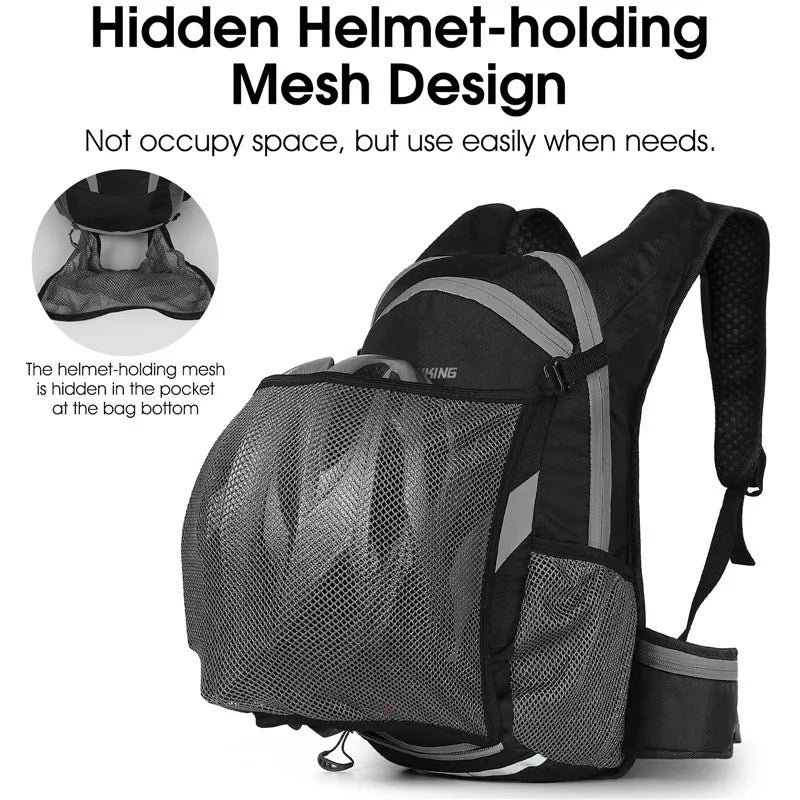
The easiest way to carry helmets while hiking is by attaching them externally using compression straps, carabiners, or dedicated helmet loops. This saves internal storage space while maintaining airflow and pack balance.
Bulky helmets create awkward weight distribution when stuffed inside backpacks.
Instead, secure them outside the pack using:
- Front compression cords
- External mesh storage
- Dual side clips
- Helmet carry nets
- Adjustable carabiner systems
Hikers carrying climbing or biking helmets often pair hydration packs with Gloves & Protective Gear and Lightweight Daypacks for better trail versatility.
Helmet Carry Methods Comparison
| Method | Best For | Drawback |
|---|---|---|
| Carabiner Clip | Quick attachment | Can swing if unsecured |
| Compression Straps | Stable carry | Takes setup time |
| Helmet Net | Long hikes | Extra accessory needed |
| Inside Pack | Short transport | Consumes storage space |
👉 Upgrade your hiking setup before your next outdoor adventure.
Lightweight Daypacks | Outdoor Training Accessories | Get yours now before your next trip!
Common Packing Mistakes Beginner Hikers Make
Small mistakes can turn an enjoyable hike into an exhausting experience.
Overpacking “Just In Case” Items
New hikers often carry duplicate gear they never use.
Instead, focus on versatile essentials and realistic weather preparation.
Ignoring Weight Distribution
Heavy gear placed far from your back increases strain dramatically.
Always keep dense items centered and close to your spine.
Using Loose Storage
Randomly tossing gear into a pack creates instability.
Dedicated organizers improve access and reduce movement.
Forgetting Emergency Essentials
Even short hikes need basic safety tools.
Useful categories include:
Real Trail Scenarios And Smart Packing Solutions
Hot Weather Day Hikes
Prioritize hydration access, cooling layers, and lightweight snacks.
Use breathable storage and external pockets for fast access.
Rainy Trail Conditions
Waterproof organization becomes critical.
Dry bags and weather-resistant storage protect electronics and clothing.
Helpful gear categories:
Mountain Or Technical Trails
Balance and stability matter more than total weight.
Secure every loose item and keep hydration easily accessible.
💡 See it in action
Why Hydration Compatible Hiking Daypack Lightweight Designs Work Better
A hydration compatible hiking daypack lightweight system combines efficient storage, easy water access, and reduced bulk to improve hiking endurance and comfort during long outdoor adventures.
Unlike traditional bulky backpacks, hydration-focused packs encourage better movement and quicker access to essentials.
Benefits include:
- Less shoulder fatigue
- Faster hydration access
- Improved trail mobility
- Better temperature management
- Reduced gear clutter
Many hikers now prefer compact hydration packs for:
- Day hikes
- Trail running
- Mountain biking
- Travel adventures
- Fast-moving outdoor activities
The 16L Cycling Hydration Backpack works especially well for hikers who want efficient storage, stable weight balance, and quick-access hydration without carrying oversized gear.
FAQ
How much water should I carry in a day hiking hydration pack?
Most hikers carry 1.5 to 3 liters depending on weather, trail difficulty, and hike duration. Hot conditions and steep terrain usually require more hydration capacity.
How do I keep gear from bouncing while hiking?
Use compression straps, pack heavy items close to your back, and fill empty gaps with soft layers to stabilize the load.
What is the best way to organize lightweight hiking gear?
Separate gear by use frequency. Store emergency items deep inside, quick-access essentials externally, and heavier items centered for balance.
Can I attach a helmet to a hydration backpack?
Yes. Most hikers use carabiners, compression cords, or external mesh systems to secure helmets outside the pack without sacrificing internal storage.
Why are hydration-compatible daypacks popular for hiking?
They improve hydration access, reduce bulk, and help hikers move more comfortably on long trails while keeping essentials organized.
Pillar Article: Hydration Pack For Cyclists Setup Guide For Longer Rides
Other Related Articles:
- Biking Hydration Backpack Tips To Prevent Shoulder Fatigue
- Best Backpacks For Cyclists With Smart Storage Setups
- How To Use A Waterproof Cycling Pack In Heavy Rain
Explore More:





