

Biking Hydration Backpack Tips To Prevent Shoulder Fatigue
How can a biking hydration backpack prevent shoulder fatigue on long rides?
A biking hydration backpack helps reduce shoulder strain by balancing weight evenly across your back, minimizing pressure points, and keeping water accessible without stopping. Riders who adjust chest straps correctly and choose a lightweight cycling hydration backpack 16l often experience less fatigue, reduced bouncing, and better comfort during trail cycling.
Biking Hydration Backpack Tips To Prevent Shoulder Fatigue
⏱ 8 min read
Long rides should leave you feeling energized, not sore and exhausted from carrying gear. Yet many cyclists struggle with heavy backpack causing shoulder fatigue or deal with a hydration pack bouncing during trail rides that ruins focus and comfort. The good news? A few simple adjustments can dramatically improve how your backpack feels on the trail. From smarter packing to proper strap positioning, this guide explains the best hydration tips for trail cycling while showing how the right lightweight cycling hydration backpack 16l setup can make every ride smoother and more enjoyable.
Ever notice how shoulder soreness starts long before your legs give out? What gear actually makes trail cycling easier during long-distance rides?
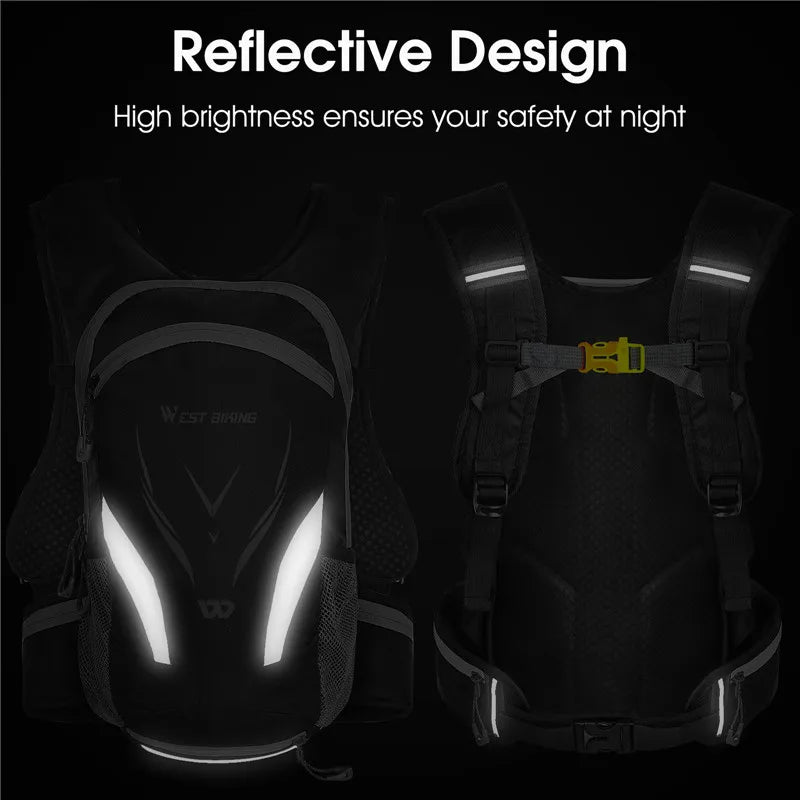
💡 See it in action
👉 Ready to improve ride comfort? Explore the lightweight cycling hydration backpack 16l designed for stability, airflow, and long-distance trail support before your next adventure.
What Causes Shoulder Fatigue During Trail Rides?
A biking hydration backpack becomes uncomfortable when weight sits too high, straps are overly tight, or gear shifts during movement. Shoulder fatigue often starts when riders overload their pack or fail to balance heavier items close to the spine. Poor ventilation and constant bouncing can also increase muscle strain during long rides.
Most riders assume shoulder pain comes from the trail itself. In reality, the issue often starts with poor backpack setup.
Common mistakes that increase shoulder fatigue
- Overpacking unnecessary gear
- Loose chest or waist straps
- Using oversized backpacks for short rides
- Poor weight distribution inside the bag
- Ignoring airflow and padding quality
Even experienced riders can struggle with heavy backpack causing shoulder fatigue when climbing steep terrain or riding technical trails for several hours.
| Problem | Result During Ride |
|---|---|
| Loose shoulder straps | Increased bouncing and instability |
| Too much upper weight | Neck and shoulder soreness |
| Poor ventilation | Back sweat and discomfort |
| Improper chest strap height | Reduced breathing comfort |
Many trail cyclists also combine better pack setups with gear from the Backpacking & Carry collection to organize tools and reduce unnecessary bulk.
How Proper Backpack Fit Improves Riding Comfort
A biking hydration backpack should fit snugly without restricting movement. The ideal setup keeps the pack centered against your back while allowing free shoulder rotation and airflow. Riders who fine-tune shoulder, chest, and waist straps often notice immediate relief from shoulder strain and reduced pack movement.
Step-by-step backpack fitting guide
- Loosen all straps before putting on the pack.
- Tighten shoulder straps evenly until the pack rests mid-back.
- Secure chest strap slightly below collarbone level.
- Adjust waist strap to reduce shoulder pressure.
- Jump lightly to check for bouncing.
A hydration pack should feel stable but not restrictive. If your shoulders are carrying all the weight, your waist strap is likely too loose.
For riders carrying repair tools or extra trail essentials, pairing your backpack with products from Gear Organizers & Pouches can improve organization while preventing uneven internal weight distribution.
Signs your hydration backpack fits correctly
- Minimal movement during descents
- No rubbing near shoulders or neck
- Weight feels centered close to the spine
- Easy access to hydration tube
- No numbness in shoulders after rides
One mountain biker shared that simply repositioning the chest strap reduced shoulder soreness within a single weekend ride. Small adjustments matter more than most riders expect.
Best Packing Strategy for Better Weight Distribution
Smart packing is one of the easiest ways to reduce heavy backpack causing shoulder fatigue.
Trail riders often throw gear into their packs without considering balance. That creates pressure points and causes unnecessary movement during climbs and descents.
How to distribute backpack weight properly
- Place heavier items closest to your back
- Keep water reservoir centered
- Store lighter items in outer pockets
- Avoid hanging gear externally when possible
- Use compression straps to minimize shifting
Hydration packs work best when the load stays compact and stable. Overstuffed outer compartments increase swinging motion and strain shoulder muscles.
Riders preparing for long gravel routes often keep extra layers compressed using products from Compression & Packing Bags to reduce unnecessary bulk.
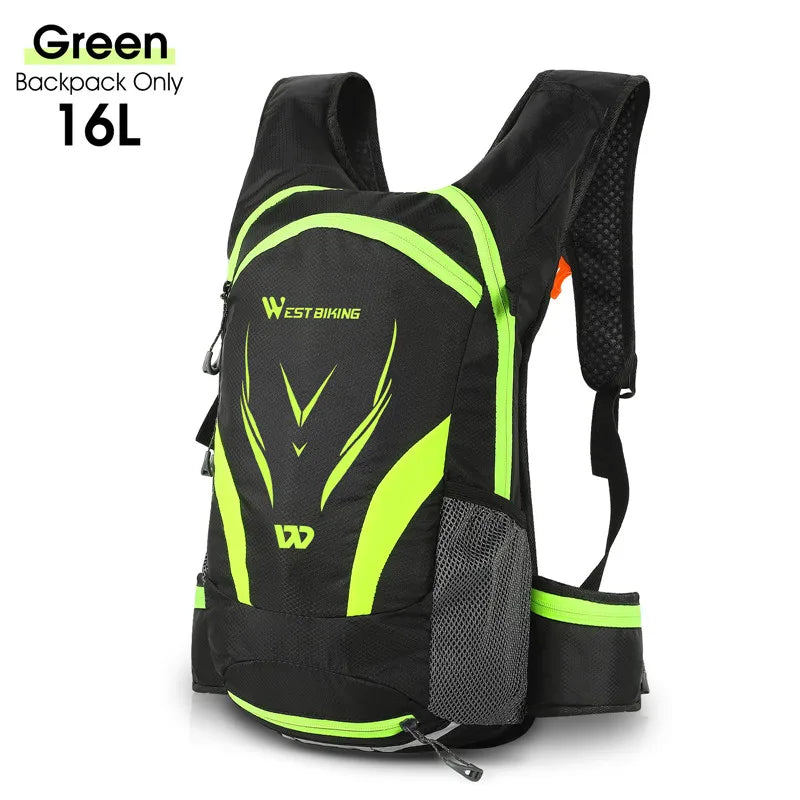
💡 See it in action
👉 Want a smoother ride with less shoulder strain? The lightweight cycling hydration backpack 16l helps stabilize gear while keeping hydration accessible during demanding trail rides.
How To Stop Hydration Pack Bouncing During Trail Rides
A biking hydration backpack bounces when straps are loose, loads are uneven, or the pack size does not match the rider’s needs. Preventing movement requires proper compression, balanced packing, and secure chest and waist adjustments that keep the pack close to the body throughout technical trail sections.
Hydration pack bouncing during trail rides is more than annoying. It wastes energy and disrupts rhythm on uneven terrain.
Quick fixes for backpack bounce
- Tighten side compression straps first.
- Reduce empty space inside the pack.
- Use smaller water loads for shorter rides.
- Adjust waist belt before shoulder straps.
- Test fit while standing and riding.
Many cyclists unknowingly ride with partially filled hydration reservoirs that slosh during movement. Keeping the bladder full or nearly empty reduces water shifting dramatically.
Additional stability accessories from Hooks, Clips & Carabiners can help secure lightweight tools or jackets without creating external swing.
Comparison: Loose vs Properly Adjusted Hydration Pack
| Loose Pack Setup | Properly Adjusted Setup |
|---|---|
| Shoulder soreness after 1 hour | Comfort during extended rides |
| Water sloshing movement | Stable hydration reservoir |
| Backpack shifts on descents | Balanced center of gravity |
| Neck tension increases | Reduced upper-body strain |
Best Hydration Tips for Trail Cycling
Hydration matters just as much as pack comfort. Dehydration increases muscle fatigue, including in your shoulders and upper back.
Best hydration tips for trail cycling
- Drink small amounts every 15–20 minutes
- Refill before feeling thirsty
- Use electrolyte mixes during longer rides
- Clean hydration reservoirs regularly
- Carry backup water during hot-weather rides
Many cyclists improve endurance by combining hydration systems with gear from the Hydration & Food collection for better water storage and trail nutrition organization.
On hotter rides, collapsible backup bottles from the Collapsible Water Bottles collection can provide extra flexibility without adding bulky storage weight.
Trail rider feedback
“I used to stop every hour because my shoulders were burning. Once I switched to a properly fitted hydration backpack and adjusted my water load, the difference was immediate. My rides feel smoother and less exhausting now.”
That kind of experience is common among riders who upgrade from generic backpacks to cycling-specific hydration systems.
Why a Lightweight Cycling Hydration Backpack 16L Works Better
A lightweight cycling hydration backpack 16l provides enough storage for trail essentials without encouraging overpacking. The compact size improves stability, reduces shoulder strain, and keeps the rider balanced during technical climbs and descents. Riders often experience better airflow and less fatigue compared to larger, heavier backpacks.
Oversized packs tempt riders to carry gear they rarely use. Smaller trail-focused designs encourage smarter packing and better movement.
Benefits of a 16L cycling hydration backpack
- Balanced capacity for long rides
- Lighter overall carry weight
- Reduced shoulder and neck strain
- Better maneuverability on technical trails
- Improved ventilation and airflow
The lightweight cycling hydration backpack 16l works especially well for riders balancing hydration, tools, snacks, and weather layers without carrying excessive bulk.
Many cyclists also pair trail rides with recovery gear from Stretching & Recovery Tools to reduce post-ride stiffness and muscle fatigue.
Quick Comfort Checklist Before Every Ride
- Check hydration bladder fill level
- Tighten chest and waist straps
- Remove unnecessary gear
- Balance heavier items near your spine
- Test movement before starting ride
- Wear breathable cycling layers
- Keep emergency gear compact
Riders preparing for unpredictable weather often include lightweight layers from Weather Protection & Environment to stay comfortable without overloading their pack.
Small adjustments before leaving home can prevent hours of discomfort later on the trail.
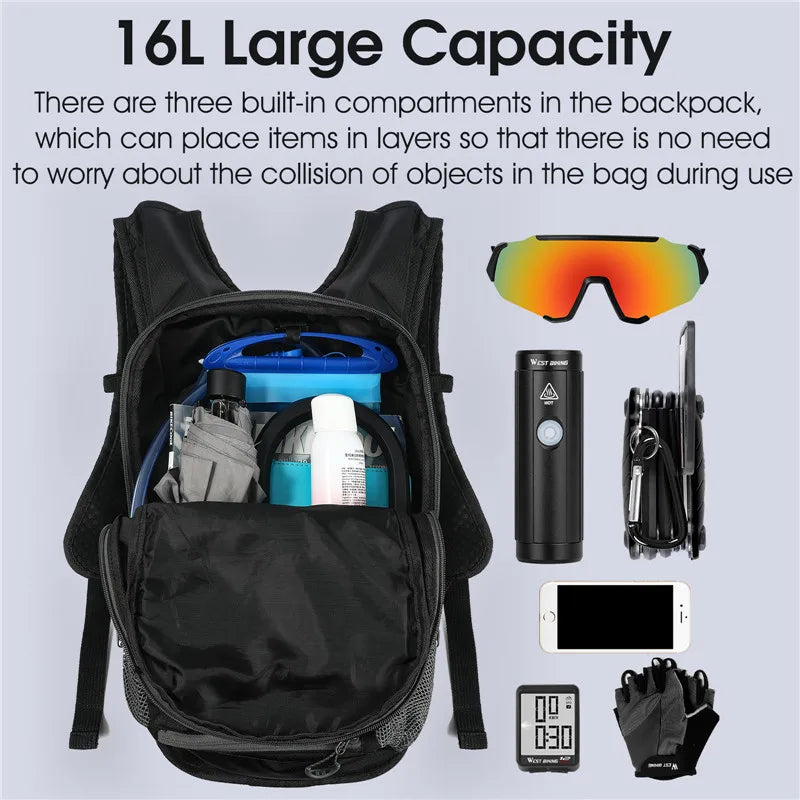
💡 See it in action
Ride Longer With Less Shoulder Fatigue
A comfortable biking hydration backpack can completely change your trail experience. By improving fit, balancing weight correctly, and choosing a lightweight cycling hydration backpack 16l designed for stability, riders can reduce fatigue, improve endurance, and enjoy smoother movement on technical terrain.
If you are tired of dealing with hydration pack bouncing during trail rides or constant shoulder soreness, upgrading your setup may be the simplest improvement you make this season.
👉 Get trail-ready before your next ride. Explore the lightweight cycling hydration backpack 16l and enjoy better stability, hydration access, and all-day cycling comfort.
FAQ
How tight should a biking hydration backpack fit?
A biking hydration backpack should fit snugly against your back without limiting breathing or shoulder movement. Proper adjustment prevents bouncing and distributes weight evenly across the torso.
Why does my hydration pack hurt my shoulders?
Shoulder pain usually comes from poor strap adjustment, uneven packing, or carrying excessive weight. Tightening waist straps and reducing upper load often helps immediately.
What size hydration backpack is best for trail cycling?
A lightweight cycling hydration backpack 16l is ideal for many riders because it balances storage capacity with reduced bulk and better stability during rides.
How do I stop hydration pack bouncing during trail rides?
Use compression straps, secure chest and waist belts properly, and keep heavier gear centered close to your back to minimize movement during rough terrain riding.
Can hydration backpacks improve cycling endurance?
Yes. Easy access to water encourages consistent hydration, while proper weight distribution reduces fatigue and helps riders stay comfortable on longer rides.
Pillar Article: Hydration Pack For Cyclists Setup Guide For Longer Rides
Other Related Articles:
- Best Backpacks For Cyclists With Smart Storage Setups
- How To Use A Waterproof Cycling Pack In Heavy Rain
- How To Pack A Day Hiking Hydration Pack Like A Pro
Explore More:





