

Best Backpacks For Cyclists With Smart Storage Setups
What are the best backpacks for cyclists?
The best backpacks for cyclists combine lightweight comfort, reflective visibility, weather-resistant materials, and organized storage compartments for commuting or long rides. A reflective cycling backpack with helmet holder improves safety during night rides, while a durable oxford cloth cycling backpack keeps essentials secure, dry, and easy to access on daily cycling trips.
Best Backpacks For Cyclists With Smart Storage Setups
⏱ 8 min read
Best backpacks for cyclists can completely change how you ride, commute, and stay organized on the road. From a reflective cycling backpack with helmet holder to a durable oxford cloth cycling backpack built for daily use, smart storage features now help riders carry gear without extra bulk. Whether you need a night cycling safety gear checklist or the best lightweight backpacks for cycling trips, the right design improves comfort, visibility, and quick access to essentials. Which hidden feature could make your next ride safer and easier?
Ever reached for your water bottle while riding only to realize it shifted to the bottom of your backpack? Or struggled to carry your helmet after arriving at work or class? Smart cycling backpacks solve these everyday frustrations with organized compartments, breathable support, reflective safety details, and quick-access storage.
The right backpack is no longer just about carrying gear. It improves balance, reduces shoulder fatigue, protects electronics, and makes commuting smoother during changing weather conditions.
👉 Discover must-have cycling gear before your next ride: 16L Cycling Hydration Backpack
💡 See it in action
How Smart Storage Makes Cycling Easier Every Day
The best backpacks for cyclists reduce clutter, improve riding comfort, and help riders access essentials faster. Smart compartment layouts distribute weight evenly while keeping hydration packs, electronics, tools, and emergency items organized for commuting, training, and long-distance rides.
Traditional backpacks often create uneven pressure on the shoulders and back. During longer rides, this can lead to soreness, instability, and overheating.
Modern cycling backpacks solve these problems with:
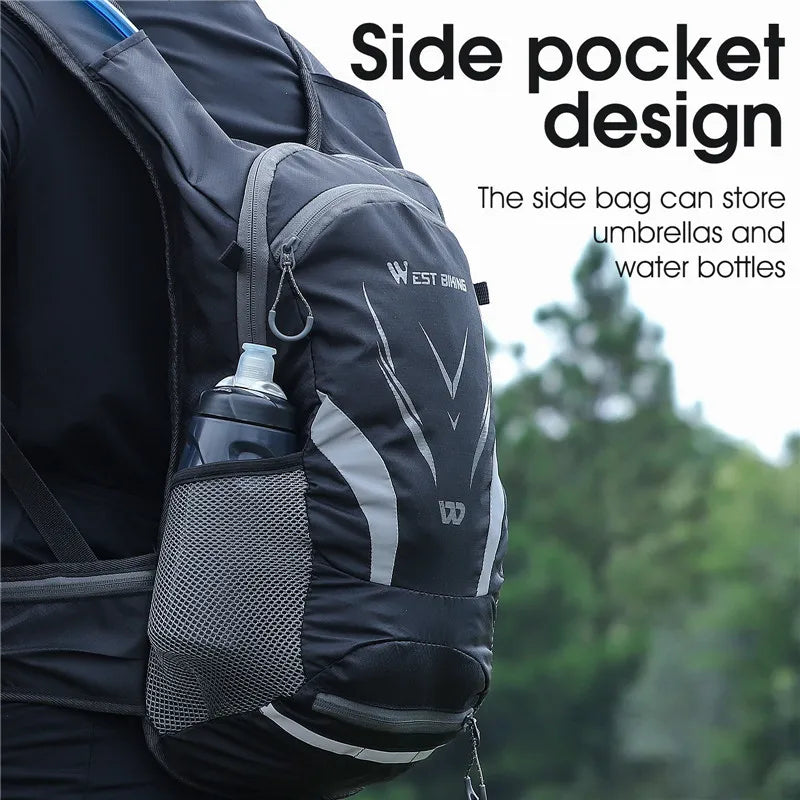
- Dedicated hydration sleeves
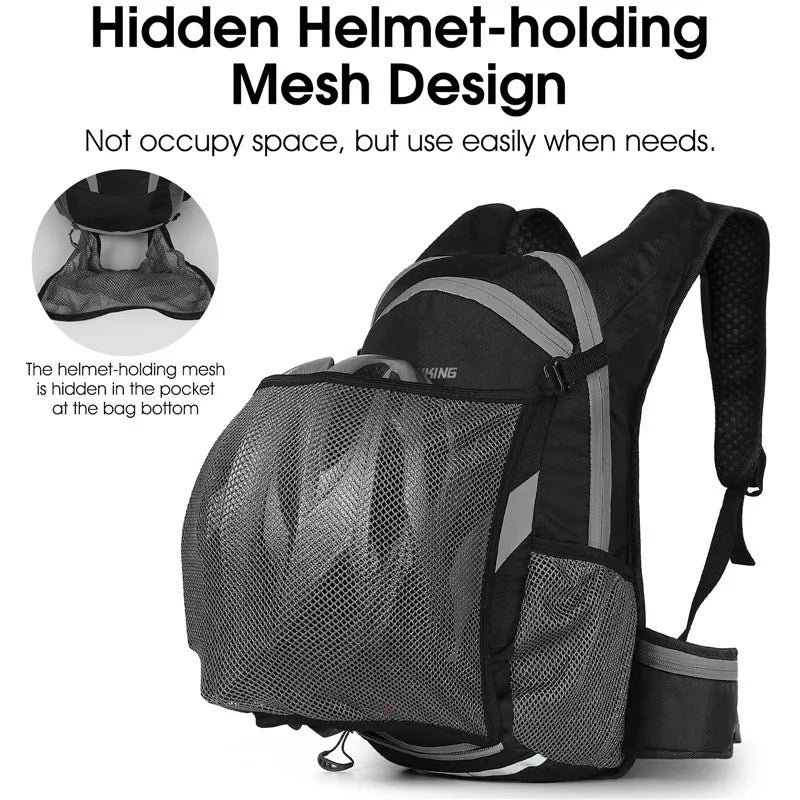
- Helmet attachment systems
- Breathable mesh back panels
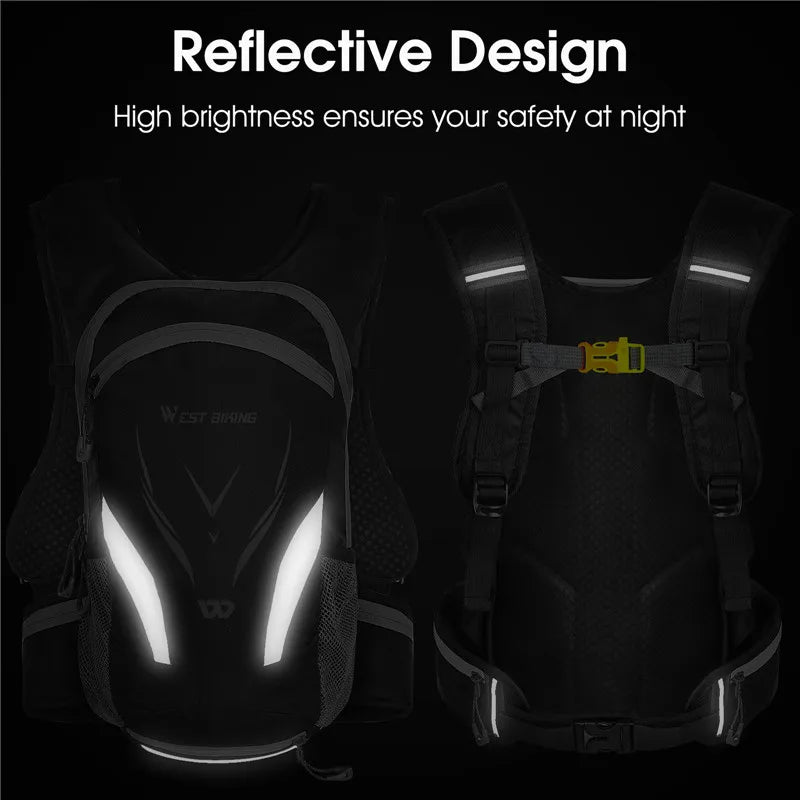
- Reflective strips for visibility
- Weather-resistant oxford fabric
- Quick-access storage pockets
Riders who commute daily often pair their cycling setup with compact storage accessories from Gear Organizers & Pouches to separate chargers, repair kits, and keys.
Features That Make Cycling Backpacks Easier to Use
Reflective Visibility for Safer Night Riding
A reflective cycling backpack with helmet holder dramatically improves visibility during low-light rides. Reflective strips help drivers notice cyclists earlier, especially in urban traffic or rainy weather.
For added visibility during night rides, many cyclists also carry wearable lighting from Headlamps & Wearable Lights.
Helmet Holders Reduce Carrying Hassles
Helmet clips or mesh holders keep your hands free once you arrive at your destination. This small feature becomes especially useful for commuters navigating offices, trains, or cafes.
Oxford Cloth Durability for Daily Use
A durable oxford cloth cycling backpack resists tears, scratches, and water exposure. Riders who carry laptops, cameras, or tools benefit from stronger fabric during daily commuting and weekend adventures.
Lightweight Construction Prevents Fatigue
The best lightweight backpacks for cycling trips minimize strain without sacrificing storage space. Thin-profile designs improve airflow and help riders maintain better balance.
| Feature | Benefit for Cyclists |
|---|---|
| Reflective panels | Improves nighttime visibility |
| Helmet holder | Keeps hands free after riding |
| Hydration compartment | Easy water access during rides |
| Oxford cloth fabric | Better durability and weather resistance |
| Breathable padding | Reduces sweat and discomfort |
👉 Learn how to choose the right cycling backpack setup: Explore the 16L Cycling Hydration Backpack
Smart Storage Setup Comparison for Different Riders
Not every cyclist carries the same gear. A commuter needs laptop protection, while a trail rider may prioritize hydration and emergency tools.
| Rider Type | Best Storage Features | Ideal Capacity |
|---|---|---|
| Urban Commuter | Laptop sleeve, reflective panels | 15L–20L |
| Trail Cyclist | Hydration bladder, tool pockets | 10L–16L |
| Weekend Explorer | Expandable compartments, dry storage | 18L–25L |
| Night Rider | Reflective materials, lighting loops | 12L–18L |
Cyclists carrying electronics or extra clothing often combine their setup with waterproof protection from Waterproof & Dry Bags.
💡 See it in action
Night Cycling Safety Gear Checklist
A reliable backpack is only one part of safer riding after dark. Visibility and preparedness matter just as much.
Essential Night Cycling Gear
- Reflective cycling backpack with helmet holder
- Front and rear bike lights
- Hydration system or water bottle
- Compact first aid supplies
- Portable power bank for emergencies
- Rain protection layer
- Mini repair tools and spare tube
Many riders keep backup lighting and charging accessories inside gear from Portable Power Banks and emergency items from Safety, Survival & Emergency.
How to Pack a Cycling Backpack Efficiently
Even the best backpacks for cyclists feel uncomfortable if packed incorrectly. Weight distribution plays a major role in ride stability.
Step-by-Step Packing Method
- Place heavier items closest to your back
- Store frequently used gear in outer compartments
- Keep hydration centered to balance weight
- Separate electronics from wet clothing
- Use compression pouches to reduce shifting
Compression systems from Compression & Packing Bags help organize tools, clothing, and emergency gear more efficiently.
Common Packing Mistakes Cyclists Make
- Overloading the upper section
- Using loose items without organizers
- Ignoring weather protection
- Choosing bulky non-breathable materials
- Carrying unnecessary weight
One commuter rider shared that switching to a compact hydration backpack reduced shoulder fatigue during a 12-mile daily commute and made train transfers much easier.
Why Lightweight Backpacks Improve Daily Commutes
The best lightweight backpacks for cycling trips improve airflow, mobility, and riding posture. Heavy bags create unnecessary strain, especially during stop-and-go city traffic.
Lightweight designs benefit commuters by:
- Reducing lower back pressure
- Improving airflow during summer rides
- Allowing faster movement in traffic
- Preventing shoulder soreness
- Making longer rides feel less exhausting
Some cyclists pair lighter packs with compact gear from Lightweight Daypacks for short rides and errands.
👉 Get yours now before your next cycling trip! Shop the 16L Cycling Hydration Backpack
How Weather Protection Keeps Gear Safe During Rides
Unexpected rain is one of the biggest frustrations for cyclists carrying electronics, extra clothes, or food. Weather-resistant materials and smart storage compartments reduce stress during unpredictable conditions.
A durable oxford cloth cycling backpack helps protect gear from:
- Light rain and road spray
- Dust and dirt during trail rides
- Abrasion from daily commuting
- Scratches from tools or helmets
For cyclists riding in changing weather, accessories from Rain Ponchos & Capes and Weather Protection & Environment help keep rides comfortable.
What Riders Say About Smart Cycling Storage
Many riders underestimate how much organization improves cycling comfort until they switch to purpose-built backpacks.
Common Feedback From Daily Cyclists
- “The helmet holder saves time every day.”
- “My back stays cooler during summer rides.”
- “Reflective details made me feel safer at night.”
- “Hydration storage keeps everything balanced.”
Weekend riders also appreciate being able to carry compact recovery tools from Stretching & Recovery Tools after longer cycling sessions.
💡 See it in action
Why Smart Cycling Backpacks Are Worth It
The best backpacks for cyclists do more than carry gear. They improve balance, comfort, visibility, and organization during every ride.
Whether you commute daily, ride trails on weekends, or explore longer cycling routes, features like reflective visibility, hydration compatibility, helmet holders, and durable oxford fabric help simplify your experience.
Small storage improvements can make a major difference in safety, comfort, and convenience over time.
For riders building a complete outdoor setup, gear collections like Backpacking & Carry and Sports & Active Lifestyle offer additional solutions for organized travel and active commuting.
Frequently Asked Questions
What size cycling backpack is best for commuting?
A 15L to 20L backpack usually provides enough space for daily commuting essentials like clothing, hydration, tools, and electronics without feeling bulky during rides.
Why is a reflective cycling backpack important?
Reflective materials increase rider visibility during low-light conditions and help drivers notice cyclists earlier, improving safety during night rides and rainy weather.
What makes oxford cloth backpacks good for cycling?
Oxford cloth offers strong durability, weather resistance, and abrasion protection, making it ideal for cyclists who commute daily or carry heavier gear.
How can cyclists organize gear more efficiently?
Using hydration compartments, gear organizers, compression bags, and separate storage pockets helps prevent shifting weight and improves quick access during rides.
Are lightweight cycling backpacks better for long rides?
Yes. Lightweight backpacks reduce shoulder strain, improve airflow, and help riders maintain better balance and comfort during extended cycling trips.
Pillar Article: Hydration Pack For Cyclists Setup Guide For Longer Rides
Other Related Articles:
- Biking Hydration Backpack Tips To Prevent Shoulder Fatigue
- How To Use A Waterproof Cycling Pack In Heavy Rain
- How To Pack A Day Hiking Hydration Pack Like A Pro
Explore More:





