

Why A Reflective Backpack For Cycling Boosts Night Safety
Why A Reflective Backpack For Cycling Boosts Night Safety
⏱ 8 min read
Does a reflective backpack for cycling improve night safety?
A reflective backpack for cycling improves visibility from multiple angles, helping drivers spot riders earlier during low-light commutes and night rides. High-visibility reflective panels, weather-resistant materials, and smart storage features reduce poor visibility during night cycling while keeping essentials organized and accessible.
Reflective backpack for cycling riders can dramatically reduce poor visibility during night cycling while adding comfort and storage for daily commutes or long-distance rides. From smart reflective panels to a reflective cycling backpack with helmet holder, today’s designs improve visibility from multiple angles and support every item on your night cycling safety gear checklist. If you’re comparing the best reflective backpacks for night cycling, one overlooked feature could completely change how safe and confident you feel after dark.
Have you ever noticed how quickly cyclists disappear into the background after sunset? Even bright bike lights can struggle against rain, fog, busy intersections, or dark clothing. That’s why more riders are upgrading to gear designed specifically to improve visibility from every angle.
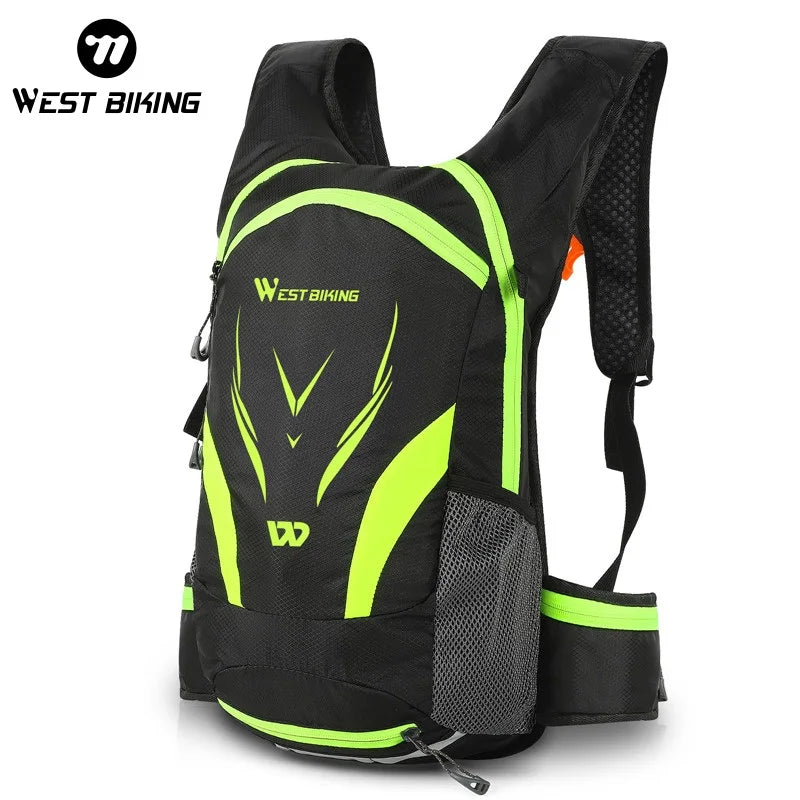
A reflective cycling backpack does more than carry gear. It creates movement-based visibility that catches headlights naturally while supporting hydration, commuting, and emergency storage during longer rides.
👉 Explore safer commuting gear before your next night ride.
💡 See it in action
Why Night Cyclists Need Better Visibility
A reflective backpack for cycling helps riders stay visible in traffic by increasing reflective surface area above the bike frame. Unlike wheel reflectors or seat-mounted strips, backpacks move naturally with body motion, helping drivers detect cyclists faster in urban and suburban conditions.
Poor visibility during night cycling remains one of the biggest concerns for commuters and recreational riders alike. Streetlights often leave blind spots between intersections, and many drivers focus primarily on vehicle headlights instead of smaller road users.
Reflective gear helps solve this problem in three important ways:
- Improves side-angle visibility at intersections
- Makes rider movement easier to detect
- Enhances visibility during rain or fog
- Adds reflective coverage higher than the bike frame
Many experienced riders combine reflective backpacks with gear from Headlamps & Wearable Lights and Gloves & Protective Gear to create a layered visibility setup.
How Reflective Backpacks Improve Safety
A reflective backpack for cycling uses high-visibility materials that bounce light back toward its source, making riders easier to spot from longer distances. Strategic reflective placement across shoulder straps, rear panels, and side sections increases visibility during lane changes, turns, and traffic stops.
Modern reflective materials perform differently than older silver strips commonly found on basic commuter bags. Advanced reflective surfaces now use wider panel coverage and micro-reflective textures that remain highly visible even during heavy rain.
Reflective Panels Create Moving Visibility
Motion catches attention faster than static reflectors. Since backpacks move with the rider’s shoulders and upper body, they naturally create shifting reflective patterns that drivers notice sooner.
Higher Visibility Improves Driver Reaction Time
Back-mounted reflective surfaces sit higher than bike-mounted reflectors. This places visibility closer to driver eye level, especially for SUVs and trucks.
Weather Resistance Keeps Visibility Consistent
Rain can reduce the effectiveness of low-quality reflective materials. Better backpacks maintain reflectivity while protecting electronics, clothing, and hydration supplies.
Many riders also pair reflective backpacks with gear from Waterproof & Dry Bags and Portable Power Banks for longer evening rides.
Features That Matter Most In Night Riding
Not every reflective cycling bag performs equally after dark. Some prioritize storage while others focus mainly on lightweight comfort. The best reflective backpacks for night cycling balance safety, ergonomics, hydration support, and commuter-friendly organization.
1. Wide Reflective Surface Coverage
Thin reflective strips are less effective than larger reflective zones. Look for:
- Rear reflective panels
- Reflective shoulder straps
- Side visibility accents
- Helmet attachment reflectors
2. Lightweight Hydration Compatibility
Night rides often last longer due to cooler temperatures and reduced traffic. Hydration-compatible bags reduce fatigue and eliminate awkward bottle access.
3. Ventilated Back Panels
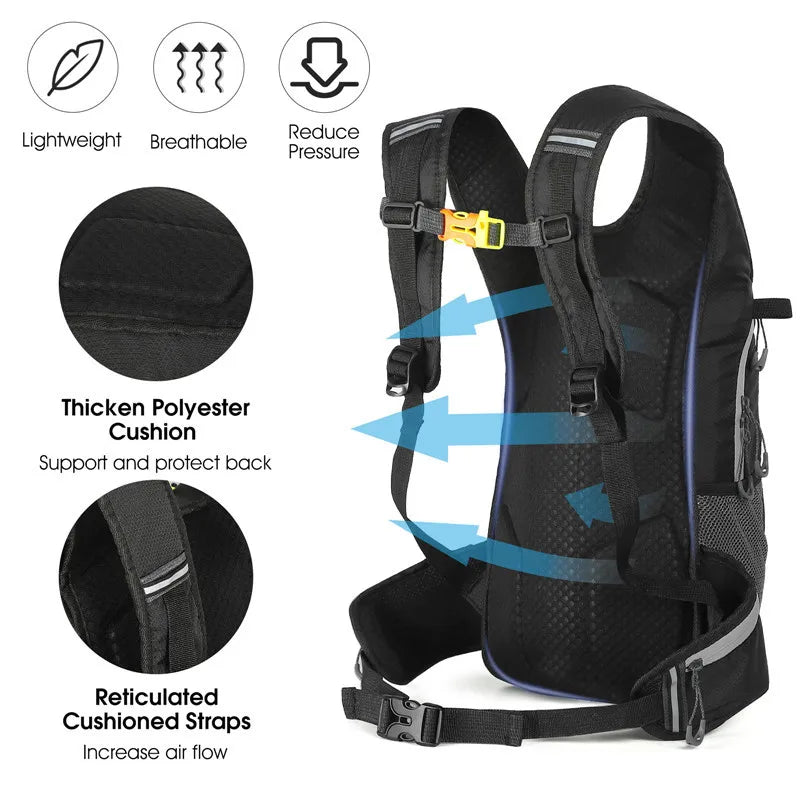
Breathable airflow channels help prevent overheating during urban commuting or long-distance rides.
4. Secure Storage Compartments
Good organization matters when carrying:
- Bike repair tools
- Extra layers
- Power banks
- Emergency lights
- Nutrition supplies
Many riders organize their setup using products from Gear Organizers & Pouches and Hydration & Food.
Which Reflective Backpack Features Matter Most?
| Feature | Basic Backpack | Reflective Cycling Backpack |
|---|---|---|
| Night Visibility | Low | High multi-angle visibility |
| Helmet Storage | Usually missing | Integrated holder available |
| Hydration Support | Limited | Hydration compatible |
| Weather Protection | Moderate | Water-resistant materials |
| Comfort During Riding | Average | Designed for cycling posture |
| Traffic Visibility | Poor | Enhanced reflective coverage |
👉 Compare smarter night riding gear before choosing your next commuter setup.
💡 See it in action
Why A Helmet Holder Changes Daily Riding
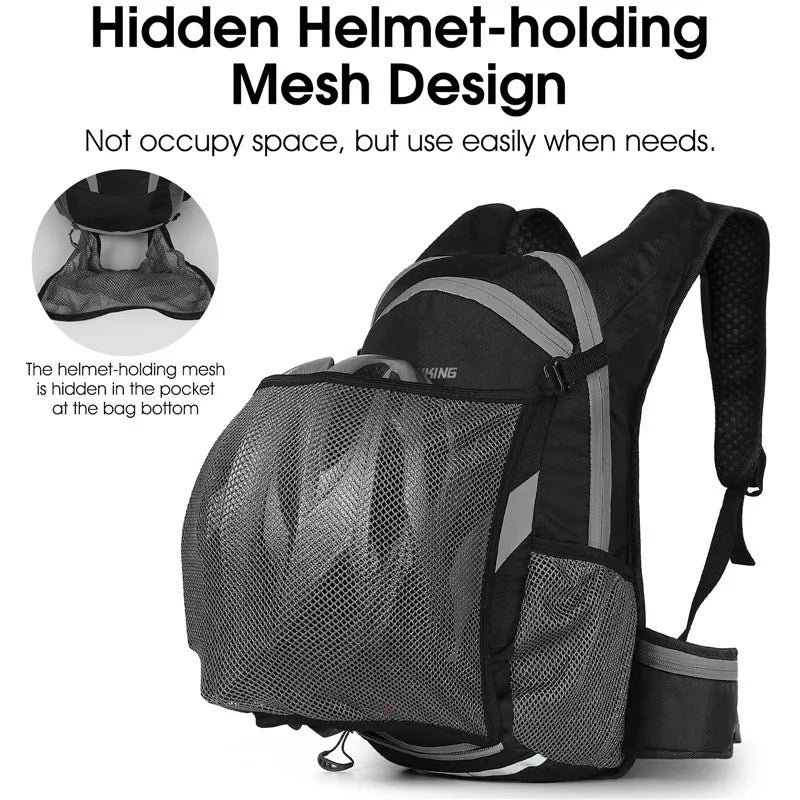
A reflective cycling backpack with helmet holder improves convenience during commuting, errands, and public transit transfers. Riders can securely attach helmets when off the bike, reducing bulk while keeping safety gear accessible throughout the day.
This feature becomes especially useful for urban commuters who move between:
- Office buildings
- Coffee shops
- Gyms
- Train stations
- Campus environments
Instead of carrying a helmet by hand or clipping it awkwardly to straps, integrated holders keep the load stable and balanced.
Reduced Shoulder Fatigue
Balanced storage distribution helps reduce neck and shoulder strain during longer rides.
Cleaner Storage Setup
Helmet holders prevent scratched visors and dangling straps.
Better Space Management
Interior compartments remain available for clothing, electronics, or emergency tools.
For extended outdoor adventures, riders often combine these systems with products from Compression & Packing Bags and Lightweight Daypacks.
Night Cycling Safety Gear Checklist
Building a complete night cycling safety gear checklist helps riders stay visible, comfortable, and prepared for changing weather conditions or roadside emergencies.
- Reflective cycling backpack
- Front white bike light
- Rear red flashing light
- Reflective ankle or arm bands
- Waterproof outer layer
- Hydration system
- Emergency whistle
- Portable power bank
- Repair multi-tool
- Weather-resistant gloves
Many riders also carry backup visibility tools from Emergency Lighting and Emergency Whistles & Signals.
Visibility Should Work From Every Direction
Front and rear bike lights alone cannot fully protect cyclists at intersections. Reflective backpacks help improve side visibility where many collisions occur.
Backup Lighting Prevents Ride Interruptions
Dead batteries create serious safety risks after dark. Carrying charging gear from Solar Lights & Chargers or Portable Power Banks can prevent unexpected visibility loss.
How Reflective Backpacks Perform In Real Riding Conditions
Many riders notice the biggest safety improvements during routine situations rather than extreme conditions.
Urban Commutes
Busy intersections create unpredictable lighting conditions. Reflective surfaces help drivers identify cyclists faster when turning across bike lanes.
Rainy Evening Rides
Water reflections and windshield glare make cyclists harder to see. Reflective backpacks create brighter movement signatures that stand out through rain.
Long-Distance Fitness Rides
Riders training after work often finish rides after sunset. Hydration-compatible reflective bags improve both endurance support and safety.
“I switched to a reflective backpack after several close calls during winter commutes. Drivers started giving me noticeably more space at intersections.” — Evening commuter from Portland
“The helmet holder sounds minor until you use it daily. It completely changed how easy train-to-bike commuting became.” — Night rider from Chicago
How To Choose The Right Reflective Backpack For Cycling
Choosing the best reflective backpack for night cycling depends on ride duration, storage needs, weather exposure, and commuting habits.
For Short Urban Commutes
- Lightweight construction
- Moderate storage capacity
- Strong reflective coverage
- Quick-access compartments
For Long Fitness Rides
- Hydration reservoir support
- Ventilated back system
- Stability-focused straps
- Water-resistant materials
For Mixed Outdoor Adventures
Some cyclists combine commuting with hiking or camping activities. In those cases, additional support gear from Weather Protection & Environment and Safety, Survival & Emergency collections can improve flexibility during longer outdoor trips.
Common Night Riding Visibility Mistakes
Even experienced cyclists sometimes overlook important visibility details.
- Wearing all-black gear without reflective coverage
- Relying only on front-facing lights
- Using overloaded backpacks that shift while riding
- Ignoring side-angle visibility
- Skipping backup charging equipment
One of the biggest mistakes is assuming drivers can see cyclists as clearly as cyclists can see traffic. Human vision struggles more with contrast and movement detection at night than many riders realize.
💡 See it in action
Why Reflective Cycling Backpacks Deliver More Than Storage
A reflective backpack for cycling improves visibility, comfort, and daily convenience in ways many riders underestimate until they experience the difference firsthand. Better visibility during poor weather, integrated hydration support, and practical helmet storage all contribute to safer and more efficient night rides.
Whether you commute daily, train after sunset, or explore longer evening routes, investing in purpose-built visibility gear can help reduce stress and improve confidence every time you ride.
👉 Upgrade your night riding setup before your next commute or training ride.
FAQ
What makes a reflective backpack for cycling different from a normal backpack?
Reflective cycling backpacks include high-visibility materials, riding-focused ergonomics, hydration compatibility, and stability features designed specifically for cyclists riding in low-light conditions.
Are reflective backpacks effective during rain?
Yes. High-quality reflective materials remain highly visible during rain and fog while water-resistant fabrics help protect electronics, clothing, and repair equipment.
Why is a reflective cycling backpack with helmet holder useful?
A helmet holder improves convenience during commuting by securely attaching the helmet outside the bag, reducing hand-carrying and improving storage organization.
What should be included in a night cycling safety gear checklist?
A strong night cycling setup should include reflective gear, front and rear lights, hydration support, emergency lighting, repair tools, weather-resistant clothing, and backup charging equipment.
How large should a cycling backpack be for commuting?
Many commuters prefer 10L–20L capacity backpacks because they balance lightweight comfort with enough storage for clothing, hydration, electronics, and daily essentials.
Pillar Article: Mountain Biking Hydration Pack Features That Improve Endurance
Other Related Articles:
Explore More:





