

Cycling Hydration Vest Vs Backpack: Which Wins Long Rides?
Cycling Hydration Vest Vs Backpack: Which Wins Long Rides?
Does a cycling hydration vest work better for long rides?
A cycling hydration vest often feels lighter and more stable during long rides because the weight stays close to the torso and reduces bouncing. Riders comparing a cycling hydration backpack vs running vest setup usually prefer vests for endurance comfort, easier hydration access, and better airflow on road or gravel routes.
⏱ 9 min read
Long rides can quickly turn miserable when your gear shifts, rubs your shoulders, or traps heat against your back. Many cyclists start searching for a cycling hydration vest after dealing with an uncomfortable hydration pack for cycling during gravel races, bikepacking weekends, or summer endurance training. So which setup truly keeps fatigue low while still carrying enough water and gear? This comparison breaks down comfort, stability, storage, and real-world riding performance to help you choose the right system for your next ride.
What gear actually makes cycling easier once the ride stretches past three hours? For many riders, the answer comes down to reducing pressure points, minimizing bounce, and staying hydrated without stopping every few miles.
👉 Curious which setup helps reduce fatigue on endurance rides?
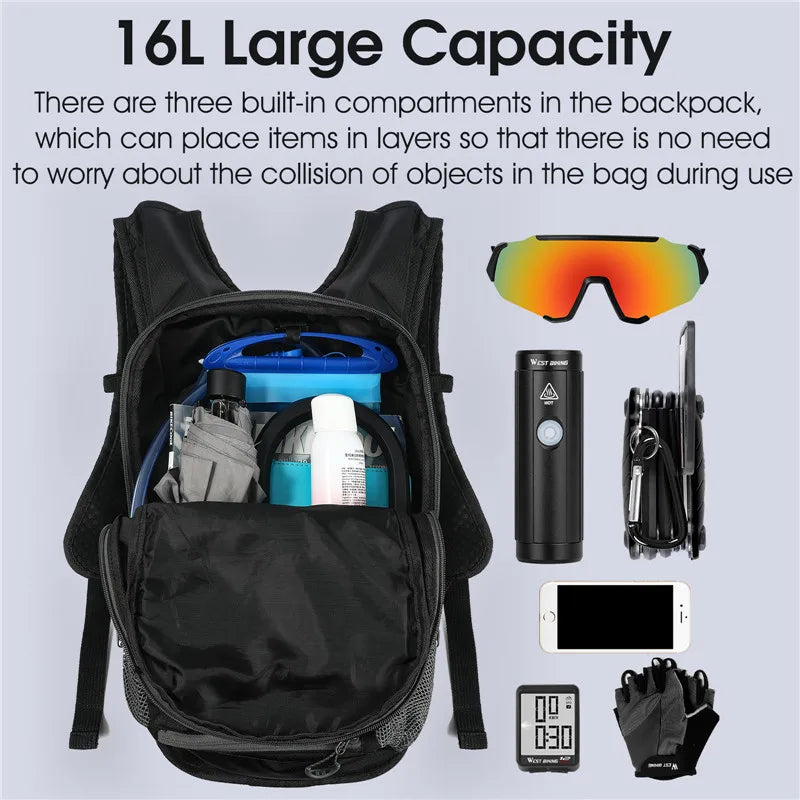
Explore the lightweight 16L cycling hydration backpack designed for longer adventures.
💡 See it in action
Why Riders Switch to a Cycling Hydration Vest
A cycling hydration vest spreads weight more evenly across the chest and shoulders compared to traditional backpacks. That difference becomes noticeable after several hours on rough roads or uneven gravel.
Instead of pulling backward on your shoulders, the vest hugs the upper body closely. This helps riders stay balanced while climbing, cornering, or riding out of the saddle.
Benefits riders notice most
- Less side-to-side movement during fast descents
- Quicker access to water and snacks
- Reduced shoulder fatigue
- Improved ventilation around the lower back
- More stable fit for endurance cycling
Many gravel cyclists also combine hydration vests with compact storage systems from Backpacking & Carry to organize repair kits and weather layers more efficiently.
| Ride Situation | Hydration Vest Advantage |
|---|---|
| Hot weather climbing | Better airflow across the back |
| Technical gravel routes | Reduced pack bounce |
| Endurance training | Less shoulder strain |
| Fast-paced group rides | Easy access to hydration |
One rider preparing for a 120-mile gravel race shared that switching from a bulky backpack to a hydration vest reduced neck soreness by the second hour of riding. Small fit improvements often have a huge impact over long distances.
Cycling Hydration Backpack vs Running Vest Comparison
A cycling hydration vest works best for riders prioritizing lightweight comfort, body stability, and quick access during long efforts. Traditional backpacks usually provide more storage capacity, but they can feel heavier and warmer over extended rides. The best choice depends on ride distance, terrain, and how much gear you carry.
| Feature | Cycling Hydration Vest | Traditional Backpack |
|---|---|---|
| Weight Distribution | Balanced across chest and shoulders | Centered mostly on upper back |
| Ventilation | Better airflow | Can trap heat |
| Storage Capacity | Moderate | Higher capacity |
| Ride Stability | Very stable | May bounce on rough terrain |
| Accessibility | Fast access pockets | Often requires stopping |
| Best Use | Endurance and gravel rides | Bikepacking or commuting |
Riders comparing a cycling hydration backpack vs running vest setup often discover that running-style vests feel more aerodynamic and less restrictive during aggressive riding positions.
However, a larger backpack still makes sense for bikepacking trips requiring layers, cooking tools, or overnight gear from collections like Camping Stoves & Cooking and Compression & Packing Bags.
How Better Fit Improves Long Distance Comfort
A poor fit creates pressure points that slowly drain energy over time. Riders often blame saddle discomfort or posture when the real issue comes from unstable hydration gear.
Signs your hydration system fits poorly
- Shoulders tighten after one hour
- Pack shifts while standing to pedal
- Lower back overheats excessively
- Chest straps rub during breathing
- Water bladder sloshes loudly
Tips for comfortable long bike rides usually start with pack adjustment before changing saddles or handlebars.
- Tighten chest straps evenly
- Keep heavier gear close to the spine
- Avoid overfilling the hydration bladder
- Use breathable base layers
- Recheck strap tension after 20 minutes of riding
Some endurance riders also use compact recovery tools from Stretching & Recovery Tools after long training sessions to reduce upper body tension caused by heavy gear.
👉 Looking for a setup that feels lighter over long distances?
💡 See it in action
When a Traditional Backpack Still Wins
Hydration vests excel for speed and comfort, but larger backpacks still outperform them in certain situations.
Traditional backpacks work better when you need:
- Extra layers for changing weather
- Large repair kits and tools
- Camera equipment
- Food for all-day bikepacking
- Overnight storage capacity
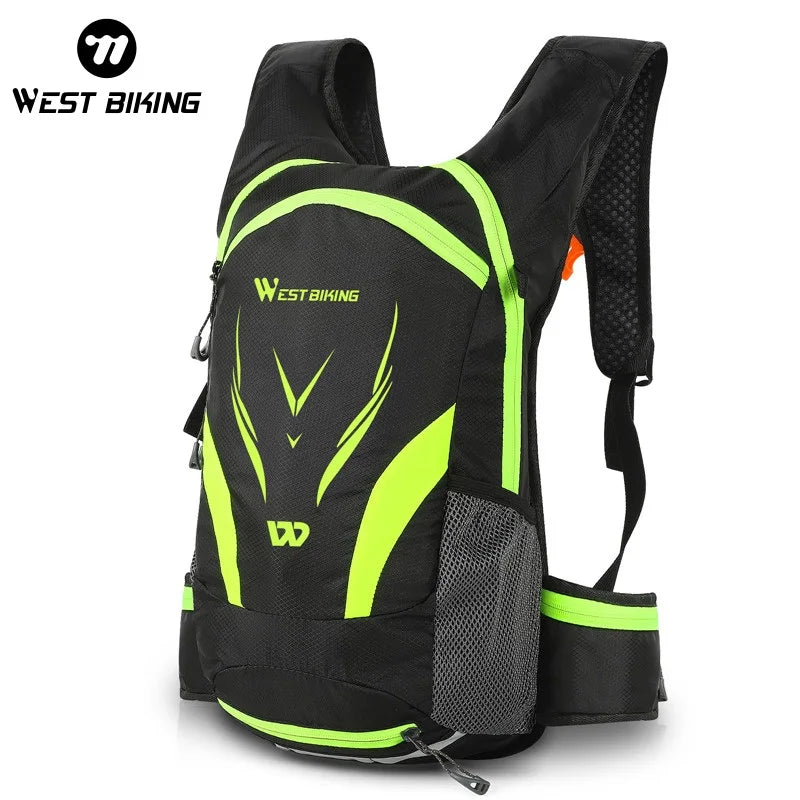
A lightweight cycling hydration backpack 16l offers a middle ground for riders needing extra space without carrying a full expedition-style pack.
Many cyclists pair these packs with gear from Waterproof & Dry Bags to protect electronics and spare clothing during wet rides.
| Ride Type | Best Option |
|---|---|
| 2-hour road ride | Hydration vest |
| Gravel endurance race | Hydration vest |
| Bikepacking weekend | 16L hydration backpack |
| Urban commuting | Traditional backpack |
| Mixed terrain adventure ride | Lightweight hydration backpack |
How to Avoid an Uncomfortable Hydration Pack for Cycling
A cycling hydration vest becomes uncomfortable when riders overload it, ignore fit adjustments, or choose the wrong capacity for the route. Stable weight distribution, breathable fabrics, and smart packing reduce shoulder fatigue and overheating significantly during long rides.
An uncomfortable hydration pack for cycling usually comes from setup mistakes rather than the pack itself.
Most common mistakes
- Using oversized packs for short rides
- Packing heavy tools high on the shoulders
- Leaving straps too loose
- Ignoring ventilation panels
- Using non-cycling backpacks for endurance riding
One gravel rider described switching from a hiking backpack to a cycling-specific vest as “the first time my shoulders stopped going numb after mile 40.”
Ventilation also matters more than many cyclists expect. Breathable mesh panels reduce sweat buildup and help riders stay cooler during summer climbs.
Accessories from Collapsible Water Bottles and Personal Water Filters can also help reduce overall pack weight by improving water management during remote rides.
Features That Matter Most on Endurance Rides
Not every hydration system is designed for six-hour rides. Long-distance cyclists should focus on features that improve efficiency rather than just storage capacity.
Look for these key features
- Wide chest straps for stability
- Breathable back panels
- Quick-access nutrition pockets
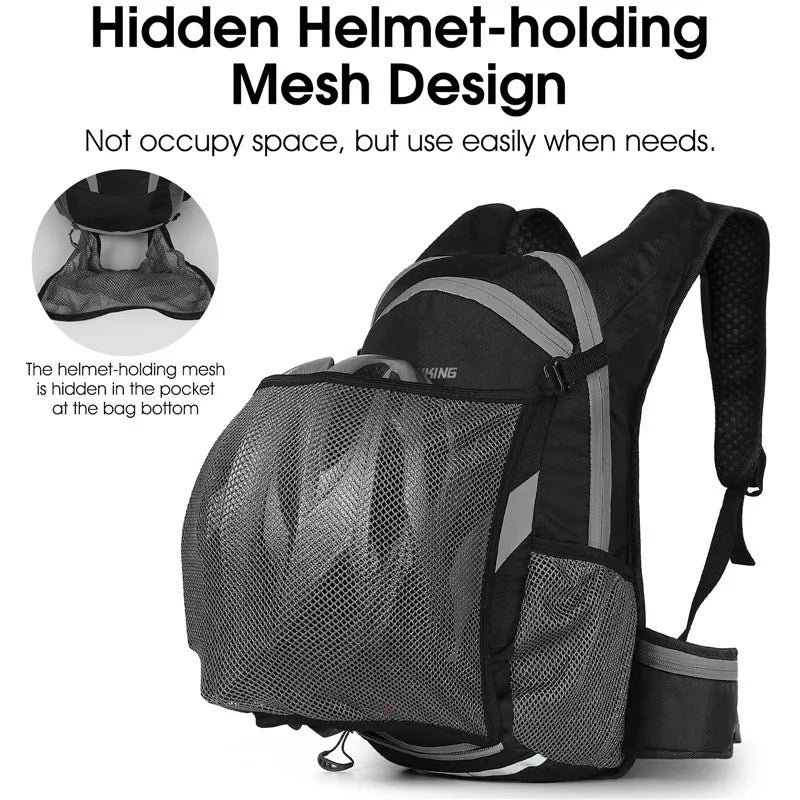
- Helmet attachment compatibility
- Hydration hose clips
- Reflective visibility details
Many endurance cyclists also carry backup essentials from Portable Power Banks and First Aid Kits during remote gravel routes.
Why lightweight designs matter
Every extra pound becomes noticeable after several hours. A lightweight cycling hydration backpack 16l offers enough storage for tools, layers, snacks, and hydration without creating excessive shoulder fatigue.
Minimalist designs also improve pedaling efficiency by reducing unnecessary movement.
Quick endurance riding checklist:
- 2L hydration bladder
- Electrolyte mix
- Repair multitool
- Compact rain shell
- Energy snacks
- Phone battery backup
- Emergency light
💡 See it in action
Smart Packing Checklist for Long Rides
Overpacking is one of the fastest ways to ruin ride comfort. Cyclists should prioritize lightweight essentials that match route conditions and expected ride duration.
Recommended packing setup
| Item | Why It Matters |
|---|---|
| Hydration bladder | Hands-free water access |
| Compact tools | Quick roadside repairs |
| Rain shell | Weather protection |
| Energy snacks | Consistent endurance energy |
| Mini first aid kit | Emergency preparedness |
For longer mixed-surface rides, riders often organize small essentials using Gear Organizers & Pouches to prevent constant digging through pockets while riding.
Which Option Fits Your Riding Style Best?
A cycling hydration vest is usually the better choice for fast endurance rides, gravel races, and high-mileage training because it improves stability and comfort. Traditional backpacks still work well for commuting or overnight bikepacking when larger storage capacity matters more than lightweight efficiency.
If your rides focus on speed, climbing, and long hours in the saddle, a hydration vest will likely feel less restrictive and cooler overall.
If you regularly carry extra clothing, cooking gear, or camping supplies, a lightweight cycling hydration backpack 16l provides more flexibility while still keeping bulk manageable.
👉 Upgrade your long-ride comfort before your next adventure.
FAQ
Is a cycling hydration vest better than a backpack?
For endurance rides and gravel cycling, a hydration vest often feels more stable and breathable. Backpacks still work better when riders need larger storage capacity for commuting or overnight trips.
Why does my hydration pack hurt my shoulders?
Loose straps, uneven weight distribution, and oversized packs commonly cause shoulder pain. Tightening the fit and reducing unnecessary gear usually improves comfort quickly.
How much water should a cyclist carry on long rides?
Most cyclists carry 1.5 to 3 liters depending on weather, ride duration, and refill opportunities. Hot conditions and remote routes require additional hydration planning.
What size hydration backpack works best for endurance cycling?
A lightweight cycling hydration backpack 16l provides enough space for water, tools, snacks, and layers without becoming overly bulky for long-distance riding.
Can running hydration vests work for cycling?
Yes, many running vests work well for road and gravel cycling because they minimize bounce and improve airflow. Cycling-specific models often include better storage layouts for tools and ride essentials.
Pillar Article: Best Hydration Pack For Cycling Compared For Every Rider
Other Related Articles:
- Best Hydration Pack For Hiking: 9 Lightweight Picks
- Waterproof Bicycle Backpack Reviews For Rainy Commutes
- Top Hydration Backpacks Ranked For Hiking And Biking
- 7 Mountain Bike Backpacks Tested On Tough Trail Rides
Explore More:





