

Best Hydration Pack For Cycling Compared For Every Rider
What is a mountain bike backpack and does it really reduce trail fatigue?
A mountain bike backpack is a specialized carry system designed to stabilize hydration, tools, and gear while riding rough terrain. A well-fitted mountain bike backpack reduces shoulder strain and helps prevent hydration pack bouncing during trail rides, improving balance, endurance, and comfort on long climbs and technical descents.
Quick Answer: Do mountain bike backpacks improve ride comfort?
A mountain bike backpack improves ride comfort by distributing weight evenly across the back and stabilizing hydration systems. The mountain bike backpack reduces bouncing, keeps water accessible, and minimizes fatigue on long climbs and rough descents. Riders experience better balance, less shoulder strain, and improved endurance during extended trail sessions.
| Feature | Benefit on Trail |
|---|---|
| Hydration system | Easy water access without stopping |
| Chest & waist straps | Reduces bounce and improves stability |
| Ventilated back panel | Prevents overheating on climbs |
| Storage compartments | Organizes tools, snacks, and gear |
7 Mountain Bike Backpacks Tested On Tough Trail Rides
Ever finished a rocky descent only to feel like your backpack was fighting you the whole way down? A proper mountain bike backpack can completely change that experience. We tested seven hydration packs across muddy switchbacks, steep climbs, and fast downhill sections to see which ones actually stay stable, comfortable, and practical on real trails.
What actually matters more on rough terrain: storage space or stability?
💡 See it in action
What Makes the Best Hydration Backpacks for Mountain Biking?
The best hydration backpacks for mountain biking combine stability, ventilation, and smart weight distribution. A strong suspension system prevents bounce, while breathable padding keeps your back cool. Riders also need easy-access pockets for tools and snacks without removing the pack mid-trail.
- Stable chest and waist straps reduce movement
- Hydration bladder with secure hose routing
- Lightweight yet durable fabric for crashes and abrasion
- Ventilated back panels for airflow on climbs
How We Tested 7 Mountain Bike Backpacks on Tough Trails
Each mountain bike backpack was tested on rocky climbs, loose gravel descents, and muddy forest trails. We evaluated hydration access, bounce control, comfort under load, and how well each pack stayed stable during aggressive riding and sudden direction changes.
- 2+ hour endurance rides per pack
- Mixed terrain: climbs, flats, technical descents
- Full hydration load + tools included
- Real-world trail fatigue monitoring
7 Backpack Trail Comparison
| Backpack | Capacity | Best Feature | Trail Performance |
|---|---|---|---|
| TrailFlow Pro | 12L | Ultra stability straps | Excellent on descents |
| HydraRide Elite | 14L | Ventilated back panel | Great for hot climbs |
| EnduroLite Pack | 10L | Minimal bounce design | Fast technical riding |
| PeakCarry 16 | 16L | Large storage capacity | All-day rides |
| RidgeRunner Hydration | 13L | Tool organization | Balanced performance |
| StormBack MTB | 15L | Weather resistance | Muddy conditions |
| FlowTrail Compact | 8L | Lightweight feel | Short trail loops |
Trail-Tested Backpack Reviews
TrailFlow Pro
Built for aggressive riders, this pack keeps hydration steady and eliminates bounce even on steep downhill sections. The tight-fit harness system makes it ideal for technical terrain where stability matters most.
HydraRide Elite
One of the best hydration backpacks for mountain biking in hot climates. Its airflow design prevents overheating while still holding enough water for long endurance rides.
EnduroLite Pack
A lightweight option that prioritizes speed and agility. Riders looking for minimal interference during fast trail runs will appreciate its low-profile design.
PeakCarry 16
This large capacity mountain biking backpack is perfect for long rides or bikepacking-style adventures. It balances storage and stability surprisingly well despite its size.
RidgeRunner Hydration
A balanced option with strong internal organization. Tools, snacks, and hydration all stay accessible without disrupting riding rhythm.
StormBack MTB
Designed for wet and muddy conditions, this pack resists water intrusion and keeps gear protected even during heavy trail spray.
FlowTrail Compact
A minimalist choice for short rides. It offers excellent comfort but limited storage, making it best for quick trail loops.
💡 See it in action
How to Stop Hydration Pack Bouncing During Trail Rides
Hydration pack bouncing during trail rides is one of the biggest comfort issues riders face. The solution is proper strap tension, load distribution, and choosing a frame-hugging design that locks the pack close to your body.
- Tighten chest strap before descent sections
- Balance weight between top and bottom compartments
- Keep heavy tools low and centered
- Adjust shoulder straps after hydration fill
Choosing a Large Capacity Mountain Biking Backpack
A large capacity mountain biking backpack is essential for long-distance riders who carry extra hydration, repair kits, and food. However, capacity should never compromise stability or comfort on technical terrain.
- 10–12L: Short trail rides
- 13–16L: Full-day endurance rides
- 16L+: Bikepacking and multi-hour adventures
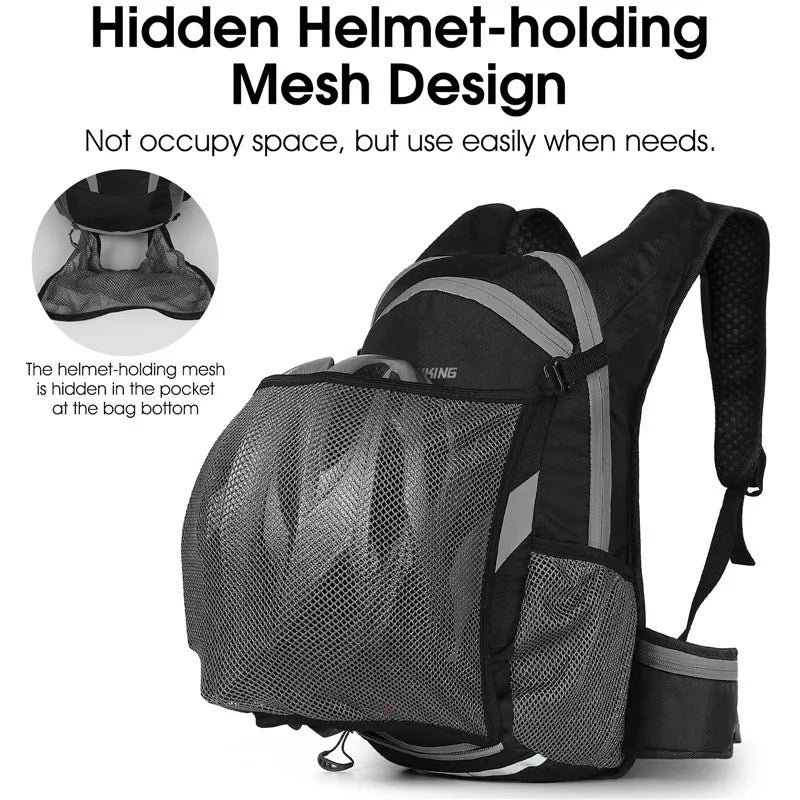
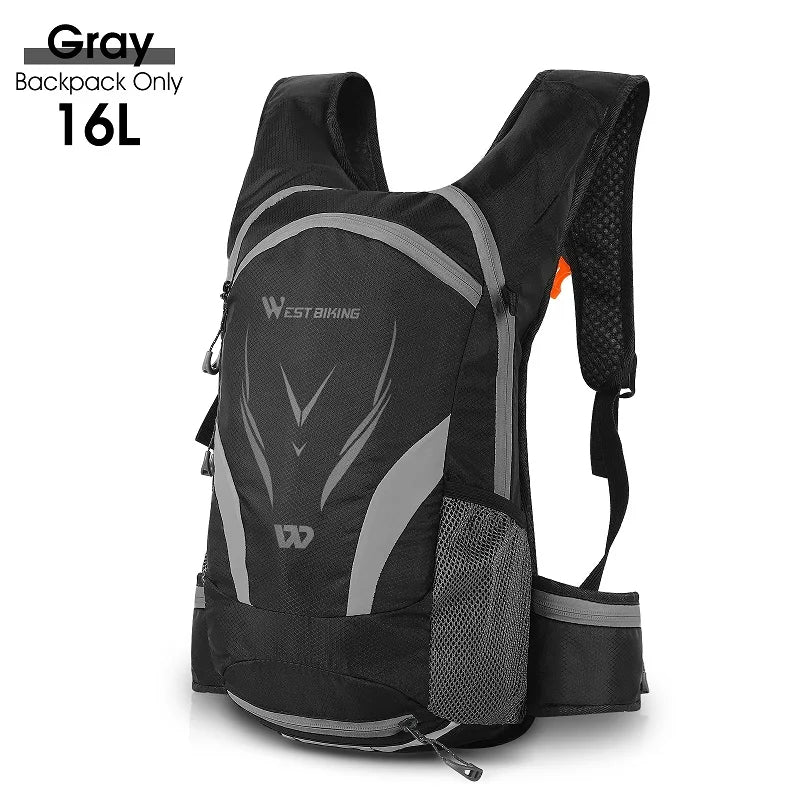
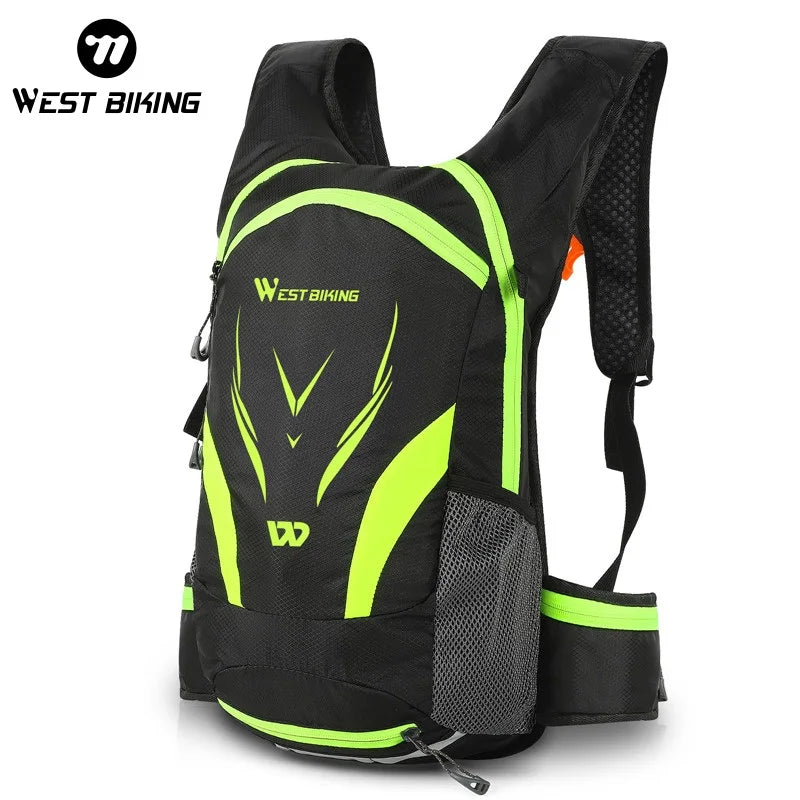
For riders needing reliable mid-size storage, the 16L Cycling Hydration Backpack offers a strong balance between capacity and ride stability.
Best Backpack Setup for Mountain Biking
The best backpack setup for mountain biking focuses on comfort, hydration access, and balanced load distribution. A properly packed system reduces fatigue and keeps your movement natural even on technical trails.
- Hydration bladder placed closest to the back
- Tools stored in mid compartments for balance
- Snacks in top quick-access pocket
- Light rain gear stored externally
Hydration Pack Spotlight for Long Trail Rides
The standout option from our testing is a balanced hydration system that combines comfort, airflow, and bounce control. Riders reported less fatigue on climbs and improved control on technical descents.
This makes it ideal for endurance riders who need reliability over long distances without constant adjustments or discomfort.
💡 See it in action
FAQ: Mountain Bike Backpacks
What size mountain bike backpack is best for day rides?
Most riders prefer 10–14L packs for day rides, balancing hydration, tools, and lightweight comfort without excess bulk.
How do I stop my hydration pack from bouncing?
Use tight chest straps, evenly distribute weight, and choose a pack with a close-fit suspension system designed for trail stability.
Are large capacity mountain biking backpacks uncomfortable?
Not if properly fitted. A large capacity mountain biking backpack can remain comfortable when weight is centered and straps are adjusted correctly.
What is the best backpack setup for mountain biking?
Keep hydration closest to your back, heavy tools centered, and frequently used items in outer pockets for quick access.
Related Articles:
- Best Hydration Pack For Hiking: 9 Lightweight Picks
- Waterproof Bicycle Backpack Reviews For Rainy Commutes
- Top Hydration Backpacks Ranked For Hiking And Biking
- Cycling Hydration Vest Vs Backpack: Which Wins Long Rides?
- 7 Mountain Bike Backpacks Tested On Tough Trail Rides
Pillar Articles:





