

Mountain Biking Hydration Pack Features That Improve Endurance
Mountain Biking Hydration Pack Features That Improve Endurance
Does a mountain biking hydration pack improve endurance?
A mountain biking hydration pack helps riders stay hydrated, balanced, and comfortable during long trail rides. Features like anti-bounce straps, breathable back panels, and organized storage reduce fatigue, improve stability, and solve common issues like hydration pack bouncing during trail rides or dealing with a sweaty backpack while mountain biking.
⏱ 12 min read
Mountain biking hydration pack upgrades can completely change how long and comfortably you ride, especially when dealing with hydration pack bouncing during trail rides or a sweaty backpack while mountain biking. From breathable back panels to smart storage layouts in a large capacity mountain biking backpack, the right features help reduce fatigue and keep essentials within reach. You’ll also discover some of the best hydration tips for trail cycling that experienced riders swear by—but which feature makes the biggest difference on demanding climbs and rough descents?
Ever finished a trail ride with aching shoulders, a soaked back, or a pack that bounced constantly on rough descents? Many riders assume discomfort is just part of mountain biking. In reality, the right hydration system can dramatically improve endurance, stability, and overall trail performance.
A well-designed mountain biking hydration pack does more than carry water. It distributes weight efficiently, keeps essentials accessible, reduces overheating, and minimizes distractions during technical sections.
Explore the 16L Cycling Hydration Backpack
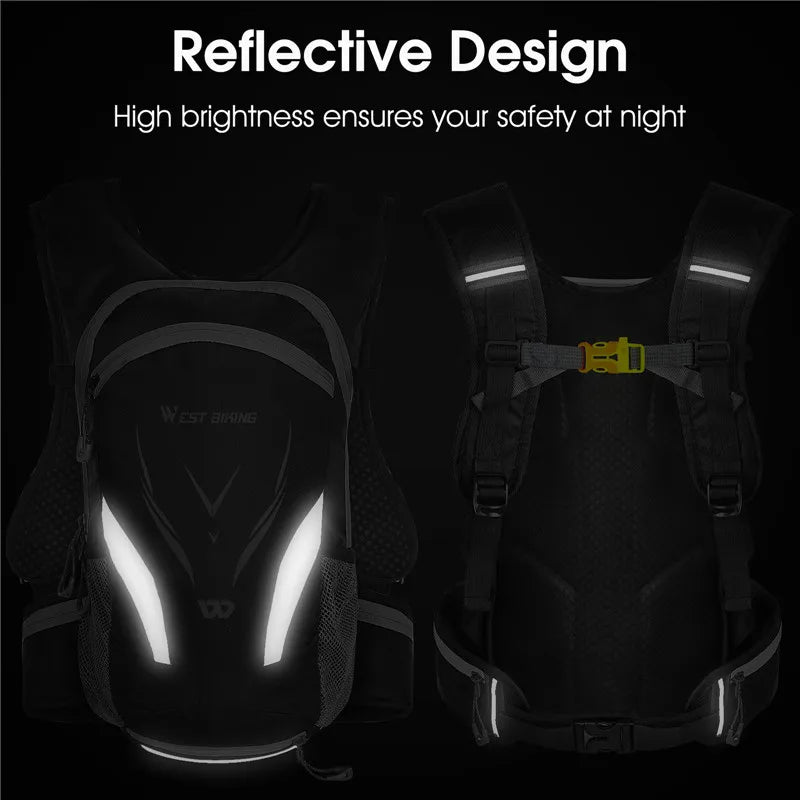
💡 See it in action
Why Hydration Pack Design Matters for Trail Endurance
A mountain biking hydration pack improves endurance by reducing rider fatigue, keeping hydration accessible, and stabilizing gear during rough terrain. Lightweight construction, balanced weight distribution, and ventilation features help riders maintain energy longer while minimizing distractions on climbs, descents, and technical singletrack sections.
Long trail rides place constant stress on your body. Every unnecessary movement, pressure point, or overheating issue gradually drains energy. Riders often focus on bikes, tires, and suspension while overlooking how much their backpack affects performance.
The wrong pack can create several problems:
- Excessive shoulder fatigue
- Hydration pack bouncing during trail rides
- Back sweat buildup
- Restricted movement on descents
- Slow access to tools and snacks
- Poor weight balance during climbs
The best mountain biking hydration pack designs solve these issues simultaneously.
Modern trail riders also pair hydration systems with lightweight organization gear from Backpacking & Carry collections to keep equipment organized during all-day adventures.
Why Efficient Hydration Access Matters
Riders who stop drinking regularly often experience early fatigue, reduced concentration, and slower recovery. Hydration bladders allow hands-free drinking without stopping or reaching for bottles.
This becomes especially important during:
- Long climbs
- Hot-weather rides
- Technical descents
- Endurance races
- Backcountry trail rides
Easy hydration access encourages consistent water intake, which helps maintain energy and focus.
How Anti-Bounce Features Keep Riders Focused
A secure mountain biking hydration pack reduces unnecessary movement, helping riders stay balanced and comfortable on rough terrain. Adjustable sternum straps, compression systems, and hip stabilization features minimize hydration pack bouncing during trail rides while improving control and reducing shoulder strain.
One of the biggest complaints among trail riders is pack movement.
Nothing disrupts rhythm faster than a hydration pack shifting side to side over rocky terrain. Constant bouncing forces your body to compensate repeatedly, wasting energy and reducing stability.
Key Features That Reduce Hydration Pack Movement
-
Adjustable Sternum Straps
Keeps shoulder straps secure and evenly positioned. -
Compression Straps
Prevents internal gear shifting while stabilizing the load. -
Contoured Shoulder Harness
Improves body alignment and reduces pack sway. -
Hip Stabilization System
Transfers weight away from shoulders during longer rides.
Experienced riders often say anti-bounce systems become most noticeable during technical descents. Instead of fighting shifting gear, you stay focused on line choice and bike control.
| Feature | Benefit on Trail |
|---|---|
| Chest Strap | Prevents shoulder strap movement |
| Compression System | Reduces internal shifting |
| Low-Profile Design | Improves rider balance |
| Waist Stabilization | Decreases shoulder fatigue |
For riders carrying extra repair tools or layers, pairing hydration packs with Gear Organizers & Pouches can further reduce internal clutter and movement.
Why Breathable Back Panels Reduce Fatigue
A sweaty backpack while mountain biking creates discomfort, overheating, and irritation during long rides. Breathable mesh panels and airflow channels improve ventilation, helping riders stay cooler, drier, and more comfortable throughout demanding climbs and hot-weather trail sessions.
Back sweat is more than an annoyance. Excess heat buildup accelerates fatigue and reduces comfort during extended rides.
Many traditional backpacks trap heat directly against the spine, especially on steep climbs. Modern mountain biking hydration pack designs use suspended mesh systems and airflow channels to improve ventilation.
Features That Improve Airflow
- Raised mesh back panels
- Ventilated shoulder straps
- Moisture-wicking fabric
- Air-channel foam padding
- Lightweight construction materials
Riders in humid environments especially benefit from these upgrades. Instead of finishing rides with a fully soaked jersey, airflow systems help regulate temperature more effectively.
Trail cyclists riding in changing conditions often combine hydration gear with protection equipment from Weather Protection & Environment for additional comfort.
See the 16L Hydration Backpack
How Smart Storage Layout Improves Trail Efficiency
A smart mountain biking hydration pack layout keeps essential gear organized and accessible during rides. Dedicated compartments for tools, snacks, layers, and hydration reduce time spent searching for equipment while improving balance and overall trail efficiency.
Efficient organization becomes increasingly important on longer rides.
Digging through a cluttered backpack while tired wastes time and energy. Smart compartment layouts help riders access essentials quickly without unpacking everything trailside.
Most Useful Storage Zones for Riders
- Tool-specific pockets
- Quick-access snack compartments
- Hydration reservoir sleeves
- Helmet carry systems
- Phone-safe zippered pockets
- Stretch exterior storage
One rider described switching from a generic backpack to a purpose-built hydration pack as “finally riding without distractions.”
Storage versatility matters even more during:
- All-day rides
- Adventure races
- Bikepacking routes
- Remote trail systems
- Variable weather conditions
Many riders also carry emergency items from First Aid Kits and compact repair tools from Multi-tools & Knives collections for unexpected trail situations.
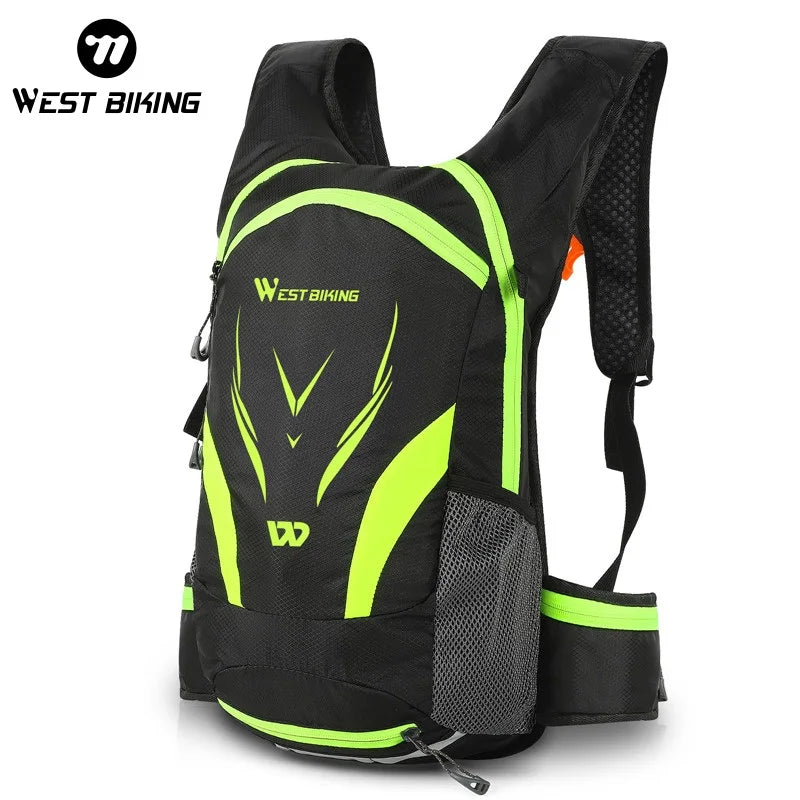
💡 See it in action
When a Large Capacity Mountain Biking Backpack Makes Sense
A large capacity mountain biking backpack is ideal for long-distance rides, changing weather, and remote trail systems. Extra storage allows riders to carry hydration, tools, layers, nutrition, and emergency supplies without sacrificing organization or ride stability.
Minimalist packs work for short loops near home. But longer rides demand more preparation.
A large capacity mountain biking backpack becomes valuable when riders need to carry:
- Extra water
- Rain gear
- Repair kits
- Food supplies
- Protective layers
- Navigation equipment
- Emergency essentials
Ideal Situations for Higher-Capacity Packs
| Ride Type | Why Extra Capacity Helps |
|---|---|
| All-Day Trail Rides | Extra hydration and food storage |
| Mountain Adventures | Weather layers and safety gear |
| Bikepacking Routes | Organized multi-use storage |
| Remote Trails | Repair tools and emergency supplies |
Many endurance riders also use lightweight organization accessories from Compression & Packing Bags to keep larger hydration systems tidy and balanced.
Best Hydration Tips for Trail Cycling
The best hydration tips for trail cycling include drinking consistently, balancing electrolytes, carrying enough water for terrain conditions, and using an efficient hydration system. Staying hydrated improves endurance, focus, muscle performance, and recovery during long mountain biking sessions.
Hydration strategy matters just as much as the pack itself.
Best Hydration Tips for Trail Cycling
-
Start Hydrating Before the Ride
Waiting until you feel thirsty already puts performance behind. -
Drink Small Amounts Frequently
Steady hydration is more effective than occasional large gulps. -
Use Electrolytes on Long Rides
Electrolyte balance helps prevent cramps and fatigue. -
Refill Whenever Possible
Long routes can deplete water faster than expected. -
Adjust Intake for Weather
Heat and humidity dramatically increase hydration needs.
Many trail riders combine hydration systems with supplies from Hydration & Food and portable backup options from Collapsible Water Bottles.
Signs You’re Underhydrated on the Trail
- Reduced concentration
- Heavy legs during climbs
- Headaches
- Muscle cramps
- Slow recovery
- Loss of coordination
Proper hydration directly supports endurance and safer riding.
How Proper Fit Improves Comfort and Stability
A properly fitted mountain biking hydration pack improves weight distribution, reduces pressure points, and minimizes pack movement. Adjustable straps and ergonomic shaping help riders maintain comfort during technical climbs, descents, and long-distance trail sessions.
Even premium hydration packs perform poorly when incorrectly adjusted.
Fit affects:
- Breathing comfort
- Shoulder fatigue
- Balance
- Arm mobility
- Heat management
- Trail confidence
How to Adjust a Hydration Pack Correctly
- Tighten shoulder straps evenly
- Position the sternum strap comfortably across the chest
- Use compression straps to stabilize gear
- Keep heavier items centered close to the back
- Avoid overloading the upper portion of the pack
Riders often report immediate improvements in comfort after learning proper adjustment techniques.
For additional comfort during long rides and recovery breaks, many cyclists explore products from Outdoor Comfort & Recovery.
Why Weather Protection Features Matter
Trail conditions can change quickly.
A quality mountain biking hydration pack should help protect gear from rain, dust, and muddy conditions. Water-resistant materials and sealed compartments prevent electronics, clothing, and nutrition from becoming damaged during unpredictable weather.
Useful Weather-Ready Features
- Water-resistant zippers
- Durable ripstop fabric
- Quick-dry materials
- Rain cover compatibility
- Drainage ports
Riders tackling wet or unpredictable environments often pair hydration systems with accessories from Waterproof & Dry Bags and rain protection gear from Rain Ponchos & Capes.
Feature Comparison Table for Trail Riders
| Feature | Basic Backpack | Mountain Biking Hydration Pack |
|---|---|---|
| Hydration Access | Requires stopping | Hands-free drinking |
| Trail Stability | Often shifts during descents | Anti-bounce design |
| Ventilation | Minimal airflow | Breathable mesh systems |
| Weight Distribution | Uneven load balance | Ergonomic fit |
| Organization | General storage only | Trail-specific compartments |
| Long-Ride Comfort | Limited | Optimized for endurance |
Essential Packing Checklist for Long Rides
Long-distance mountain biking requires preparation beyond hydration alone.
Recommended Gear Checklist
- Hydration reservoir
- Electrolyte tablets
- Energy snacks
- Mini pump
- Spare tube
- Compact repair kit
- Lightweight rain layer
- Phone or GPS device
- Emergency whistle
- First aid essentials
Many riders organize these items using products from Hooks, Clips & Carabiners and lightweight travel accessories from Foldable Travel Gear.
Get Yours Before Your Next Adventure
What Riders Love Most About Modern Hydration Packs
Trail riders consistently mention the same benefits after upgrading to purpose-built hydration systems:
- Less fatigue on longer rides
- Reduced shoulder soreness
- Better balance on technical terrain
- Fewer hydration breaks
- Improved organization
- Greater comfort in hot weather
One rider shared that switching to a breathable anti-bounce hydration pack made “three-hour rides feel easier than previous one-hour sessions.”
Another noted that organized storage dramatically reduced trailside stress during mechanical repairs.
These small improvements add up significantly over time.
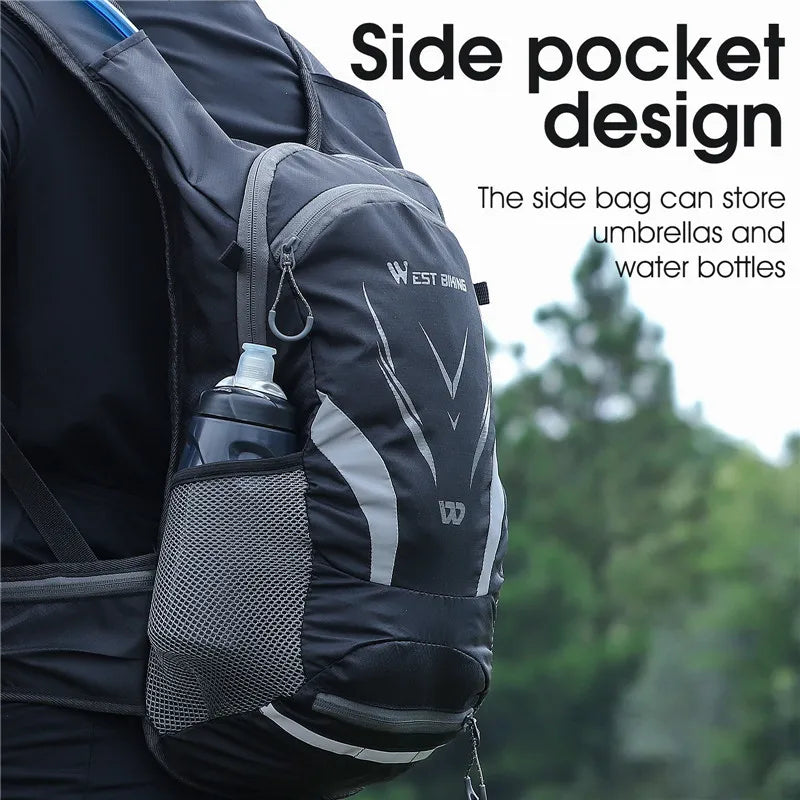
💡 See it in action
Why the Right Hydration Pack Can Completely Change Your Ride
The best mountain biking hydration pack does far more than carry water.
It improves endurance, stabilizes gear, minimizes distractions, and helps riders stay comfortable during demanding trail sessions. Features like anti-bounce systems, breathable panels, ergonomic fit, and organized storage directly affect energy levels and riding confidence.
Whether you’re climbing steep switchbacks, navigating rocky descents, or riding all-day backcountry loops, the right hydration setup helps you stay focused on the trail instead of your gear.
Riders looking to build a more efficient outdoor setup can also explore related collections like Sports & Active Lifestyle, Outdoor Training Accessories, and Gloves & Protective Gear.
FAQ
What size mountain biking hydration pack is best for long rides?
A 12L to 16L mountain biking hydration pack works well for long rides because it provides enough room for water, tools, snacks, and weather layers without becoming excessively bulky or unstable.
How do I stop hydration pack bouncing during trail rides?
Adjust the sternum strap, tighten compression straps, and distribute weight evenly inside the pack. Choosing a low-profile hydration pack with ergonomic support also helps minimize bouncing.
Why does my backpack get so sweaty while mountain biking?
Poor airflow and non-breathable materials trap heat against your back. Ventilated mesh panels and airflow channels help reduce sweaty backpack issues while mountain biking.
How much water should I carry for trail cycling?
Most riders carry between 1.5 and 3 liters depending on weather, ride duration, and terrain difficulty. Hot conditions usually require additional hydration and electrolytes.
Are large hydration packs uncomfortable for technical trails?
Not necessarily. A properly fitted large capacity mountain biking backpack with compression straps and ergonomic support can remain stable and comfortable even during aggressive trail riding.
Related Articles:
- Lightweight Hydration Backpacks With Smarter Storage Design
- Why A Reflective Backpack For Cycling Boosts Night Safety
Pillar Articles:





