

Hydration Backpack For Cycling For Riders Who Hate Bulk
Hydration Backpack For Cycling For Riders Who Hate Bulk
⏱ 11 min read
Does a hydration backpack for cycling reduce fatigue on long rides?
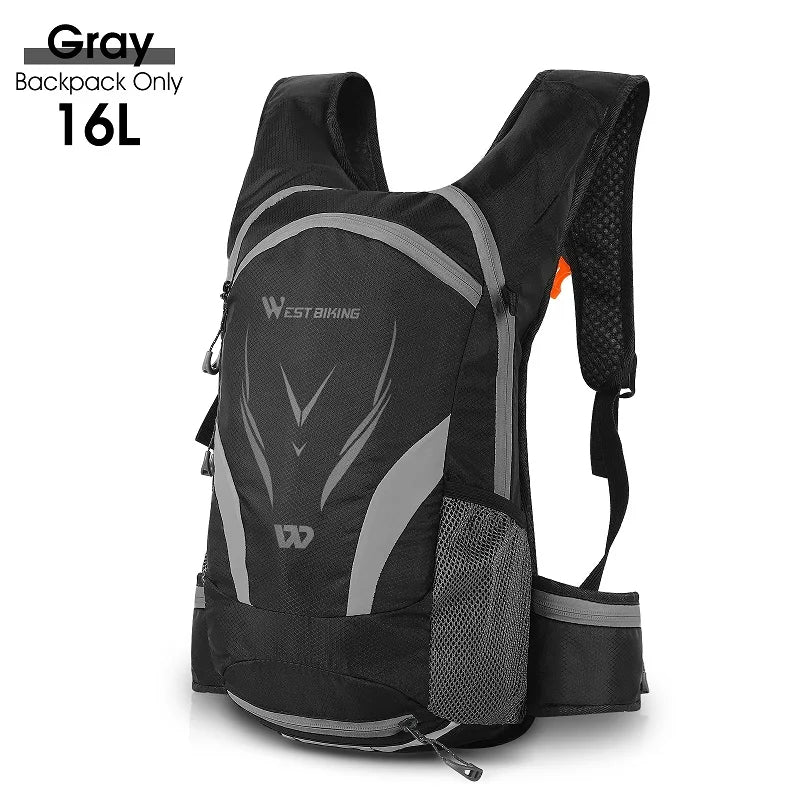
A hydration backpack for cycling can reduce shoulder strain, improve posture, and help riders stay hydrated without carrying bulky gear. Lightweight designs with balanced weight distribution reduce pressure points, making long rides more comfortable and stable even during climbs, gravel sections, and hot-weather endurance rides.
Hydration backpack for cycling riders no longer has to mean extra weight and sweaty discomfort on every ride. If you’re dealing with an uncomfortable hydration pack for cycling or a heavy backpack causing shoulder fatigue, the right setup can completely change your endurance and posture. This guide shares practical tips for comfortable long bike rides, explains how to choose cycling hydration packs that stay stable without bulk, and reveals why minimalist designs are becoming the go-to choice for serious cyclists. Could a lighter pack actually help you ride farther with less strain?
Every cyclist knows the feeling. The ride starts strong, your legs feel fresh, and the route ahead looks perfect. Then, about an hour in, your shoulders tighten. Sweat builds under your backpack. The straps shift every time you stand on the pedals.
Suddenly, your focus changes from the trail to your discomfort.
For years, riders assumed that was normal. Bigger bags meant more water, more storage, and more preparation. But modern cyclists are learning something important: carrying less often helps you ride farther.
What gear actually makes comfortable bike rides easier?
It starts with reducing unnecessary bulk while improving hydration access and weight balance.
👉 Discover lightweight cycling comfort before your next long ride.
💡 See it in action
Why Bulky Packs Cause Shoulder Fatigue
A heavy backpack causing shoulder fatigue creates uneven pressure across the upper back and neck. During cycling, constant body movement amplifies this strain. Riders often compensate by adjusting posture, which can lead to lower back discomfort, arm numbness, and reduced pedaling efficiency.
Traditional backpacks are rarely designed for aggressive riding positions. Most sit too high, bounce during descents, or trap heat against the rider’s back.
Here’s why bulky packs become uncomfortable quickly:
- Excessive weight shifts during movement
- Poor ventilation increases sweat buildup
- Wide designs restrict shoulder mobility
- Improper strap placement creates pressure points
- Overpacking changes riding posture
Even experienced riders can struggle with discomfort when carrying too much gear.
One gravel rider from Colorado shared that switching from a large commuter backpack to a slim hydration pack reduced upper back soreness within two weeks of riding. Another endurance cyclist noticed less hand numbness during century rides simply because the pack sat closer to the body.
The issue is not just weight. It is how the weight moves.
How Bike Position Affects Pack Comfort
Cyclists lean forward for efficiency. This position changes how backpack pressure distributes across the shoulders and spine.
A poorly fitted hydration pack pulls backward against the rider’s center of gravity. That creates tension in the neck and shoulder muscles.
A compact hydration backpack for cycling solves this by:
- Keeping water weight close to the torso
- Reducing side-to-side shifting
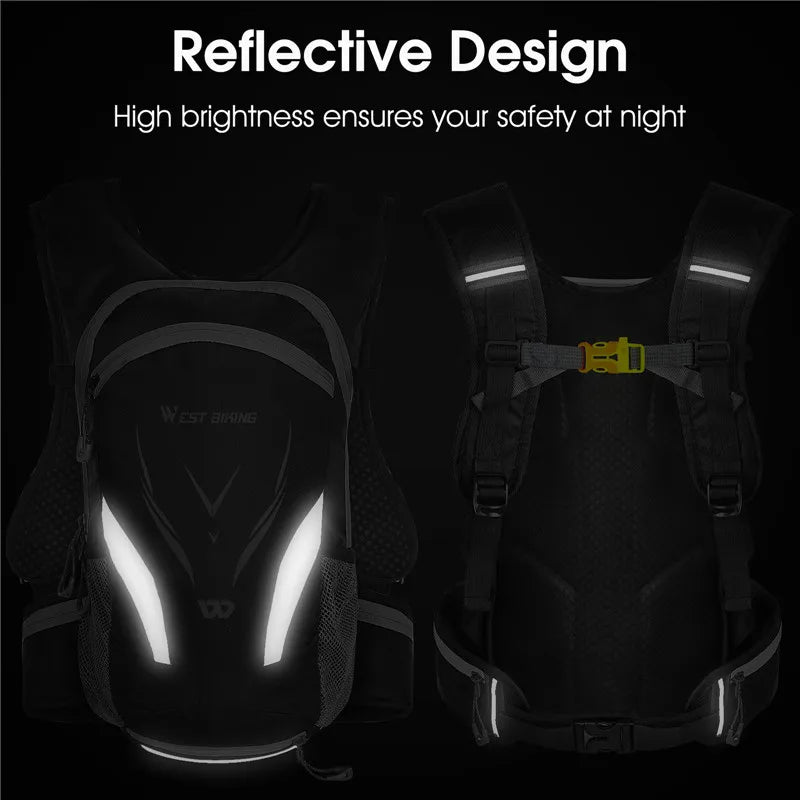
- Improving airflow against the back
- Maintaining a stable center of gravity
These details may seem small, but they become critical after several hours in the saddle.
How Lightweight Hydration Packs Improve Comfort
A lightweight hydration backpack for cycling improves endurance by minimizing bounce, reducing shoulder strain, and helping riders maintain natural posture. Slim profiles distribute water weight more evenly, allowing cyclists to stay hydrated without carrying oversized gear that restricts movement during climbs or technical terrain.
Minimalist cycling gear has become increasingly popular for a reason. Riders want mobility, not baggage.
Modern hydration packs are designed around movement efficiency. Instead of carrying unnecessary compartments and oversized padding, newer designs focus on:
- Low-profile water storage
- Breathable mesh support
- Adjustable chest stabilization
- Lightweight materials
- Compact cargo organization
For long rides, these changes can significantly improve comfort.
Benefits of Low-Profile Designs
| Feature | Benefit for Cyclists |
|---|---|
| Compact shape | Reduces bouncing during climbs and descents |
| Ventilated back panel | Improves airflow and reduces sweat buildup |
| Lightweight fabric | Lowers fatigue during long rides |
| Hydration reservoir access | Encourages consistent hydration |
| Secure chest straps | Keeps weight balanced while pedaling |
Many cyclists are surprised by how much easier breathing feels after switching to a slimmer pack.
Less upper-body tension means smoother cadence, better climbing rhythm, and less fatigue near the end of rides.
Riders who combine lightweight hydration systems with gear from Lightweight Daypacks often create even more efficient setups for mixed outdoor adventures.
Features That Matter Most for Comfortable Riding
Not every hydration pack performs the same way. Some prioritize storage. Others focus on racing performance.
If comfort matters most, pay attention to the following features.
1. Ventilation Panels Reduce Heat Buildup
One of the biggest complaints riders have is back sweat.
Mesh airflow channels create space between the pack and your back, helping heat escape during hot-weather rides.
This becomes especially important during summer gravel events or bikepacking trips.
2. Adjustable Fit Systems Prevent Movement
An uncomfortable hydration pack for cycling often shifts because the straps are not properly adjustable.
Look for:
- Chest straps with vertical adjustment
- Waist stabilization straps
- Compression straps for load control
- Ergonomic shoulder padding
The goal is stability without restriction.
3. Smart Storage Layout Prevents Overpacking
More pockets are not always better.
Minimalist storage encourages riders to carry only essentials:
- Phone
- Repair kit
- Nutrition
- Keys
- Light jacket
Organizing compact gear with Gear Organizers & Pouches also helps prevent unnecessary bulk.
👉 Learn how to ride longer with less shoulder strain.
See how a lightweight cycling hydration pack fits your next ride
How to Choose Cycling Hydration Packs for Your Ride Style
How to choose cycling hydration packs depends on ride length, terrain, storage needs, and body fit. Riders should prioritize lightweight construction, stable strap systems, breathable materials, and enough hydration capacity to support endurance without adding unnecessary bulk or restricting upper-body movement.
The best hydration pack for one cyclist may feel completely wrong for another.
Here’s how different riding styles affect hydration pack needs.
Road Cycling Needs
Road riders usually benefit from:
- Low-profile aerodynamic shapes
- Minimal storage compartments
- Lightweight hydration reservoirs
- Breathable back panels
Road cyclists often prioritize speed and airflow over cargo space.
Gravel Riding Needs
Gravel riders typically need:
- Extra stabilization straps
- More durable materials
- Additional snack storage
- Space for repair essentials
Long gravel rides usually involve fewer refill opportunities, so hydration capacity becomes more important.
Mountain Bike Needs
Mountain bikers often prefer:
- Tighter fit systems
- Impact-resistant construction
- Compact gear access
- Secure bounce-free designs
Technical descents demand stability.
Even small pack movement can become distracting during aggressive riding.
💡 See it in action
Best Fit Adjustments for Long Distance Cycling
Even the best hydration backpack for cycling will feel uncomfortable if adjusted incorrectly.
Small fit changes dramatically improve comfort.
Proper Pack Position
The pack should sit high on your back, close to the shoulder blades.
If it hangs too low:
- The pack will bounce more
- Lower back strain increases
- Pedaling efficiency decreases
Strap Tension Balance
Overtightening shoulder straps creates neck tension.
Instead:
- Tighten chest straps first
- Adjust shoulder straps evenly
- Use waist straps for stabilization
- Check movement while standing and seated
A good fit should feel secure without compressing your chest.
Weight Distribution Tips
Place heavier items close to the spine.
For example:
- Water reservoir nearest the back panel
- Repair tools centered in storage pockets
- Light clothing on outer layers
Balanced weight improves handling and reduces upper-body compensation.
Minimalist Packing Guide for Cyclists
Many cyclists carry far more than they need.
Minimalist packing creates lighter, faster, and more comfortable rides.
What to Carry on Most Long Rides
| Essential Item | Why It Matters |
|---|---|
| Hydration reservoir | Prevents dehydration and fatigue |
| Compact repair kit | Handles common mechanical issues |
| Energy snacks | Supports endurance |
| Phone and ID | Navigation and emergency contact |
| Packable rain layer | Weather protection |
For wet conditions, gear from Waterproof & Dry Bags helps keep valuables protected without adding excessive weight.
What to Leave Home
- Large unnecessary tool kits
- Extra heavy clothing
- Bulky storage pouches
- Duplicate hydration bottles
Every unnecessary pound becomes noticeable after several hours.
Hydration Backpack Comparison Table
Choosing between hydration pack styles becomes easier when comparing comfort features directly.
| Type | Best For | Comfort Level | Storage Capacity | Weight Feel |
|---|---|---|---|---|
| Minimalist Cycling Pack | Road and endurance rides | Excellent | Moderate | Very light |
| Large Adventure Backpack | Heavy touring | Moderate | High | Heavy |
| Running Vest Style | Short fast rides | High | Low | Ultra light |
| Commuter Backpack | Daily commuting | Low to moderate | High | Variable |
For riders combining cycling with outdoor exploration, equipment from Backpacking & Carry can complement lightweight riding setups effectively.
Real Rider Experiences and Comfort Stories
Comfort improvements become obvious when riders switch from bulky systems to more streamlined hydration packs.
Century Ride Example
A cyclist training for a 100-mile charity ride struggled with shoulder tightness every weekend.
After changing to a low-profile hydration backpack:
- Upper-back soreness decreased
- Breathing felt easier on climbs
- The rider stopped adjusting straps constantly
- Ride recovery improved noticeably
Bikepacking Example
A bikepacker traveling through Utah switched to minimalist hydration storage combined with lightweight camping accessories.
Instead of overloading a backpack, the rider distributed gear across the bike frame and used compact items from Compression & Packing Bags.
The result:
- Better balance on technical terrain
- Reduced shoulder fatigue
- Less sweating under the pack
- Improved confidence during descents
How Recovery Gear Helps After Long Rides
Long rides stress more than just your legs.
Neck tension, shoulder tightness, and lower-back fatigue often build gradually.
Recovery tools can help reduce discomfort after endurance cycling.
Useful Mobility and Recovery Tools
- Foam rollers
- Stretch bands
- Portable massage tools
- Seat cushions for recovery travel
Many cyclists pair hydration setups with products from Stretching & Recovery Tools to improve post-ride mobility.
During multi-day trips, lightweight comfort gear from Outdoor Comfort & Recovery can also help riders sleep better and recover faster.
Common Mistakes Cyclists Make With Hydration Packs
Even quality hydration packs become uncomfortable when used incorrectly.
1. Overfilling the Pack
More storage encourages unnecessary packing.
Carry only what supports the ride.
2. Ignoring Fit Adjustments
Loose straps create bouncing and instability.
Take a few minutes before every ride to adjust:
- Shoulder straps
- Chest strap position
- Waist stabilizers
3. Poor Hydration Habits
Many riders wait until they feel thirsty.
That often means dehydration has already started.
Hydration reservoirs encourage smaller, more frequent drinking compared to bottle-only setups.
4. Using the Wrong Pack Size
A huge pack for short rides creates unnecessary discomfort.
Match pack capacity to ride duration.
Weather Protection Tips for All-Day Rides
Weather changes quickly during long-distance cycling.
Preparation matters, but overpacking creates problems too.
Lightweight Weather Strategy
- Carry a compact rain shell
- Use breathable layers
- Pack thin wind protection
- Protect electronics in waterproof storage
Compact solutions from Rain Ponchos & Capes and Wind & Cold Protection help riders prepare without adding major bulk.
For overnight bikepacking trips, compact lighting from Headlamps & Wearable Lights also improves safety and visibility.
👉 Get your ride-ready hydration setup before your next endurance adventure.
How Better Hydration Improves Endurance
Hydration affects more than thirst.
Even mild dehydration can impact:
- Muscle endurance
- Reaction time
- Climbing performance
- Recovery speed
- Mental focus
A hydration backpack for cycling makes consistent hydration easier because riders can drink without stopping or reaching awkwardly for bottles.
This matters during:
- Long climbs
- Technical trails
- Group rides
- Hot-weather training
Some riders combine hydration systems with equipment from Collapsible Water Bottles for even greater flexibility during extended adventures.
💡 See it in action
Final Thoughts
The best cycling gear often feels invisible during a ride.
That is exactly why modern minimalist hydration packs are gaining popularity among endurance riders, gravel cyclists, commuters, and weekend explorers.
Less bulk means:
- Better posture
- Reduced shoulder fatigue
- Improved breathing
- Greater ride comfort
- More consistent hydration
If your current setup feels heavy, unstable, or distracting, changing your hydration system may completely transform your riding experience.
A lighter ride often becomes a longer ride.
FAQ
What size hydration backpack for cycling works best for long rides?
Most cyclists find that a medium-capacity hydration backpack balances water storage and comfort well for long rides. The ideal size depends on ride duration, weather, and whether you carry extra tools, snacks, or lightweight layers.
How do I stop shoulder pain from a hydration pack?
Reduce shoulder pain by adjusting chest straps correctly, keeping heavier items close to your back, and avoiding overpacking. Lightweight hydration packs with breathable support panels also reduce pressure and movement during rides.
Are minimalist hydration packs good for bikepacking?
Yes. Minimalist hydration packs work well for bikepacking when combined with bike-mounted storage. They reduce upper-body fatigue while still providing quick access to water and small essentials during long-distance rides.
Related Articles:
- Cycling Backpack Commuter Picks For Busy City Riders
- Best Hiking Hydration Backpacks For Fast And Light Treks
Pillar Articles:





