

Best Hiking Hydration Backpacks For Fast And Light Treks
Best Hiking Hydration Backpacks For Fast And Light Treks
⏱ 9 min read
Are the best hiking hydration backpacks worth it for fast and light treks?
The best hiking hydration backpacks help hikers move faster, stay hydrated longer, and avoid running out of water on trails. A hydration compatible hiking daypack lightweight enough for all-day comfort can reduce shoulder strain, improve balance, and simplify how to pack lightweight hiking gear for changing terrain and weather.
Long climbs, exposed ridgelines, and hot afternoon miles can turn an exciting hike into a frustrating struggle when your gear feels bulky or your water supply runs low. What gear actually makes hiking easier without slowing you down? The right hydration pack keeps water accessible, stabilizes your load, and helps you stay comfortable during fast-moving adventures, whether you are tackling steep switchbacks or quick weekend summit pushes.
👉 Discover must-have hiking and hydration gear before your next adventure.
Hydration & Food and Lightweight Daypacks collections can help you build a lighter, more efficient trail setup.
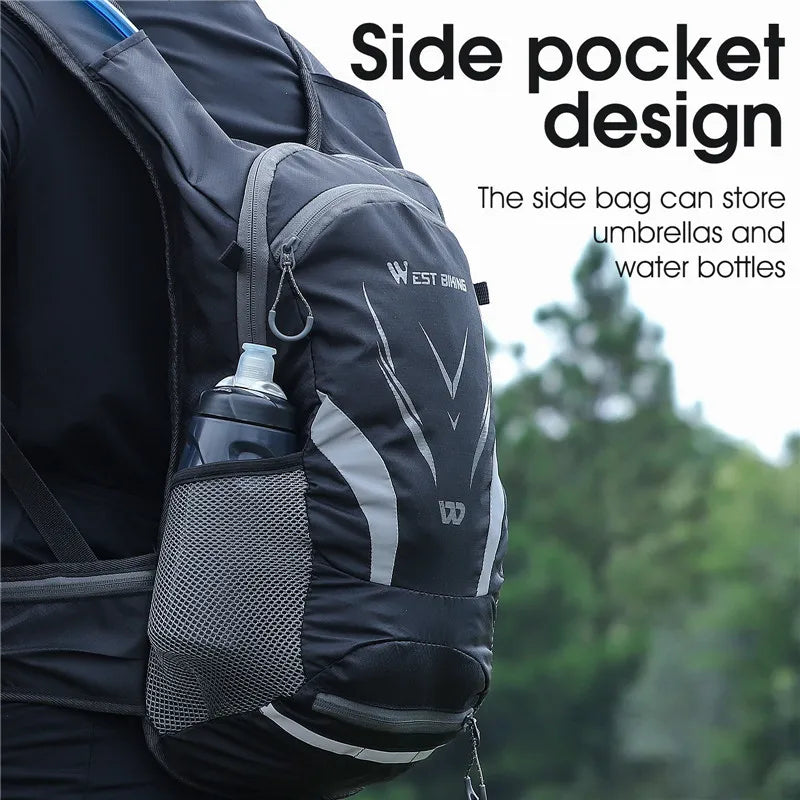
💡 See it in action
How the Best Hiking Hydration Backpacks Make Long Treks Easier
The best hiking hydration backpacks allow hikers to drink without stopping, which helps maintain pace and energy levels during steep climbs or technical terrain. Easy-access hydration systems also encourage more consistent water intake throughout the day.
Many hikers underestimate how much energy is lost from repeated stops to reach for water bottles. On long trails, those interruptions add up quickly.
A hydration compatible hiking daypack lightweight enough for fast movement provides several advantages:
- Improves weight distribution across shoulders and hips
- Reduces bounce while hiking or scrambling
- Keeps water accessible without stopping
- Helps regulate body temperature during hot conditions
- Allows faster movement with less fatigue
For hikers covering long distances, even a small reduction in shoulder pressure can make the final miles dramatically easier.
| Feature | Benefit on Trail |
|---|---|
| Hydration bladder | Hands-free drinking during movement |
| Lightweight frame | Less strain during elevation gain |
| Breathable back panel | Reduced sweat buildup |
| 16L capacity | Enough space without unnecessary bulk |
| Compression straps | Better load stability on uneven terrain |
Many experienced hikers pair hydration systems with gear from Collapsible Water Bottles or Personal Water Filters collections to extend water capacity on remote routes.
Features That Help Prevent Running Out of Water on Trails
The best hiking hydration backpacks are designed to maximize comfort and hydration efficiency while minimizing unnecessary weight. Small details often make the biggest difference once conditions become challenging.
Breathable Support for Hot Weather Hiking
Heat buildup is one of the biggest causes of discomfort during summer treks. Mesh back panels and ventilated shoulder straps improve airflow and reduce sweat accumulation.
Many hikers who switched to lightweight hydration packs report feeling less exhausted during afternoon climbs simply because their backs stayed cooler.
Storage That Supports Fast Movement
A lightweight climbing hydration backpack 16l should carry essentials without encouraging overpacking.
- Rain shell
- Snacks
- Compact first aid kit
- Headlamp
- Phone or GPS
- Light insulating layer
Compact organization systems from Gear Organizers & Pouches and Compression & Packing Bags help hikers avoid clutter inside smaller packs.
Trail Stability During Technical Terrain
Loose packs can throw off balance during rocky climbs or stream crossings. Adjustable chest straps and side compression systems keep the load secure during fast movement.
That stability matters especially for hikers transitioning between trail running, scrambling, and climbing sections.
👉 Learn how to choose the right hiking gear for faster and more comfortable adventures.
Explore lightweight options in Backpacking & Carry and Running Belts & Packs.
Which Hydration Pack Style Fits Your Hiking Goals?
The best hiking hydration backpacks are not identical. Different hiking styles require different load capacities, fits, and hydration systems.
Fast Day Hikes
A hydration compatible hiking daypack lightweight enough for quick movement works best for:
- 3–8 hour hikes
- Warm weather trails
- Minimalist packing
- Speed-focused hiking
These packs prioritize comfort and efficiency over large storage capacity.
Mountain Scrambling and Climbing
A lightweight climbing hydration backpack 16l offers enough room for climbing gloves, extra layers, and emergency gear without restricting mobility.
Many climbers prefer slimmer pack profiles because they allow easier arm movement on steep terrain.
Long Desert or Dry Climate Treks
Running out of water on trails becomes a major concern in exposed environments. In these conditions, hikers often combine hydration bladders with backup filtration systems and additional collapsible reservoirs.
Gear from Weather Protection & Environment and Portable Power Banks collections can also improve safety during long-distance treks.
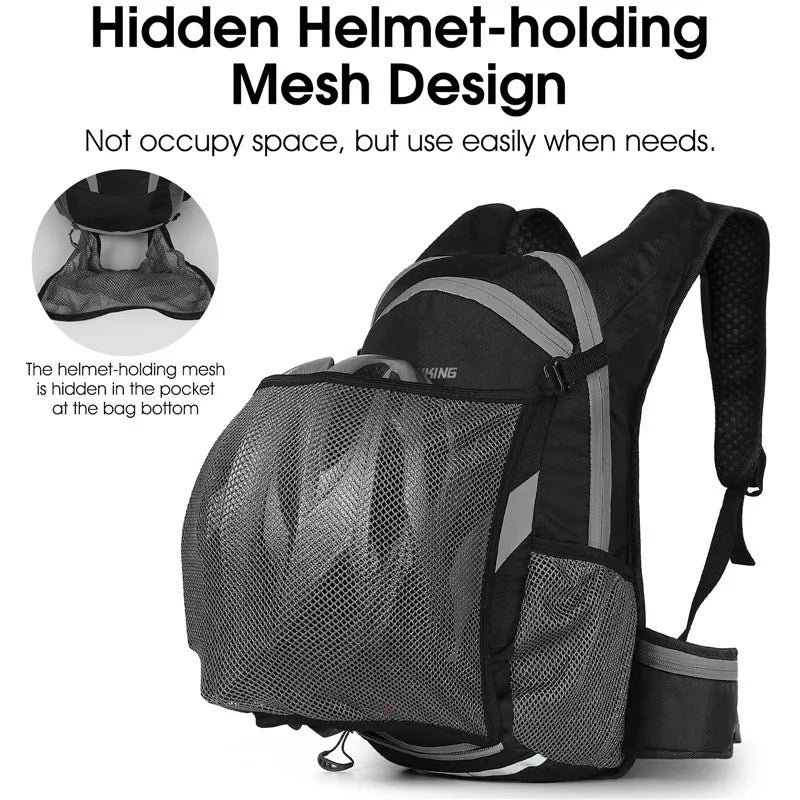
💡 See it in action
How to Pack Lightweight Hiking Gear Without Sacrificing Essentials
The best hiking hydration backpacks work best when paired with smart packing habits. Carrying less weight improves endurance, reduces knee strain, and allows faster movement over technical terrain.
Here is a simple lightweight packing strategy many experienced hikers follow:
- Prioritize hydration and weather protection first
- Choose multi-use gear whenever possible
- Pack only one emergency insulation layer
- Use compact storage organizers
- Limit unnecessary electronics
- Carry calorie-dense snacks instead of bulky meals
Many hikers discover they can remove several pounds from their setup simply by switching to smaller, more efficient gear systems.
Recommended Lightweight Essentials
| Essential Item | Why It Matters |
|---|---|
| Hydration bladder | Consistent hydration access |
| Rain layer | Weather protection during sudden storms |
| Compact headlamp | Emergency visibility after sunset |
| Trail snacks | Maintains energy levels |
| Emergency whistle | Critical safety backup |
Helpful lightweight accessories can also be found in Headlamps & Wearable Lights, Emergency Whistles & Signals, and First Aid Kits.
Common Hydration Pack Mistakes That Cause Fatigue
Even the best hiking hydration backpacks can feel uncomfortable when used incorrectly.
Overpacking Small Packs
A 16L pack performs best when packed intentionally. Stuffing oversized jackets or unnecessary gear into a compact pack creates pressure points and instability.
Ignoring Hydration Timing
Many hikers wait until they feel thirsty before drinking water. Unfortunately, mild dehydration often starts earlier than most people realize.
Hydration systems encourage small, consistent sips that help maintain energy and focus during long efforts.
Poor Weight Distribution
Heavy items should sit close to your back and near shoulder level. This improves balance and reduces lower-back strain.
Organizers from Waterproof & Dry Bags and Hooks, Clips & Carabiners can help stabilize smaller gear items inside your pack.
Why Experienced Hikers Prefer Lightweight Hydration Packs
Outdoor travelers consistently mention comfort and efficiency when discussing their favorite hydration setups.
One weekend hiker in Colorado described switching from a traditional backpack to a lightweight hydration pack during summer summit hikes:
"I stopped needing long rest breaks because my shoulders and lower back felt less exhausted. Drinking on the move also helped me maintain a better pace."
Another trail runner explained that a lightweight climbing hydration backpack 16l made technical routes easier because the slimmer design reduced bouncing during descents.
These experiences highlight an important point: the right pack does not just carry gear — it improves movement efficiency and comfort throughout the day.
Fast Hiking Gear Checklist for All-Day Comfort
The best hiking hydration backpacks work best alongside a simple but efficient gear setup.
- Hydration reservoir
- Compact rain protection
- High-energy snacks
- Emergency whistle
- Headlamp
- Portable charger
- Light insulating layer
- Small first aid kit
- Phone or GPS device
Additional lightweight support gear is available in Rain Ponchos & Capes, Lighting & Power, and Safety, Survival & Emergency.
For hikers wanting a compact all-in-one solution, the 16L Cycling Hydration Backpack combines lightweight storage, hydration compatibility, and fast-moving comfort for day hikes, scrambling routes, and trail adventures.
👉 Get yours now before your next trip!
A lightweight hydration pack can make steep climbs, long trail days, and hot-weather hikes significantly more comfortable and efficient.
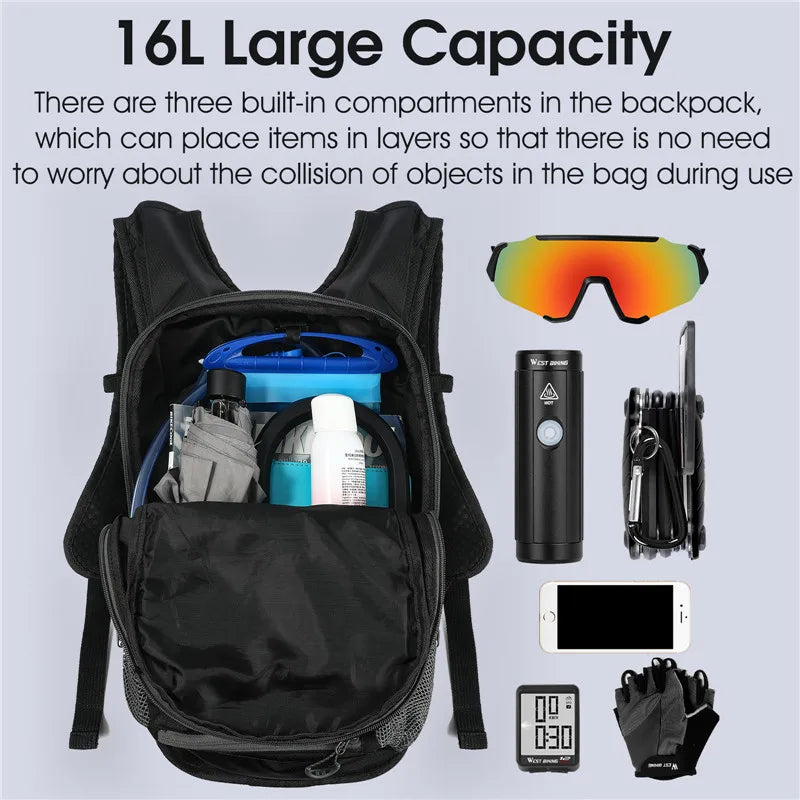
💡 See it in action
Why the Right Hydration Backpack Changes the Entire Hiking Experience
The best hiking hydration backpacks do more than hold water. They reduce fatigue, improve movement efficiency, and help hikers stay prepared without carrying unnecessary weight.
Whether you are learning how to pack lightweight hiking gear for the first time or upgrading to a lightweight climbing hydration backpack 16l for faster movement, the right setup can completely change how comfortable and confident you feel on the trail.
From preventing running out of water on trails to improving load stability during steep climbs, a well-designed hydration pack becomes one of the most valuable tools for outdoor adventures.
FAQ
What size hydration backpack is best for day hikes?
A 12L to 18L hydration backpack is ideal for most day hikes because it carries water, snacks, layers, and safety essentials without adding unnecessary bulk.
How much water should I carry on hiking trails?
Most hikers carry 1.5 to 3 liters depending on weather, trail difficulty, and water availability. Hot climates and exposed terrain often require additional backup filtration options.
Are hydration backpacks better than water bottles for hiking?
Hydration backpacks allow hands-free drinking and encourage consistent hydration while moving, making them especially useful for long-distance or fast-paced hiking.
What should go inside a lightweight hiking hydration pack?
Carry essential safety gear, water, snacks, a rain layer, navigation tools, and a compact first aid kit. Avoid overpacking to maintain comfort and mobility.
Pillar Article: Hydration Backpack For Cycling For Riders Who Hate Bulk
Other Related Articles:
Explore More:





