

Waterproof Bicycle Backpack Reviews For Rainy Commutes
Waterproof Bicycle Backpack Reviews For Rainy Commutes
A waterproof bicycle backpack can completely change stressful wet commutes into dry, organized rides. This guide compares practical backpack styles for commuters, trail riders, and long-distance cyclists who need dependable weather protection without extra bulk. From hydration-ready storage to comfort-focused designs, discover which features actually improve daily rides in heavy rain.
Does a waterproof bicycle backpack really protect gear during rainy commutes?
A waterproof bicycle backpack helps keep electronics, clothing, tools, and hydration systems dry during heavy rain by combining sealed materials, water-resistant zippers, and ergonomic carrying support. The best options balance weather protection with comfort, ventilation, and stable weight distribution for safer, less stressful bike rides in unpredictable conditions.
⏱ 8 min read
Rain can turn a short commute into a frustrating ride within minutes. Wet laptops, soaked clothes, and slippery straps make daily cycling harder than it needs to be. What gear actually keeps essentials dry without adding unnecessary weight?
A dependable waterproof backpack for rainy bike rides solves multiple problems at once. It protects electronics, stabilizes heavy loads, improves rider comfort, and keeps hydration accessible during long commutes or weekend trail sessions.
16L Cycling Hydration Backpack
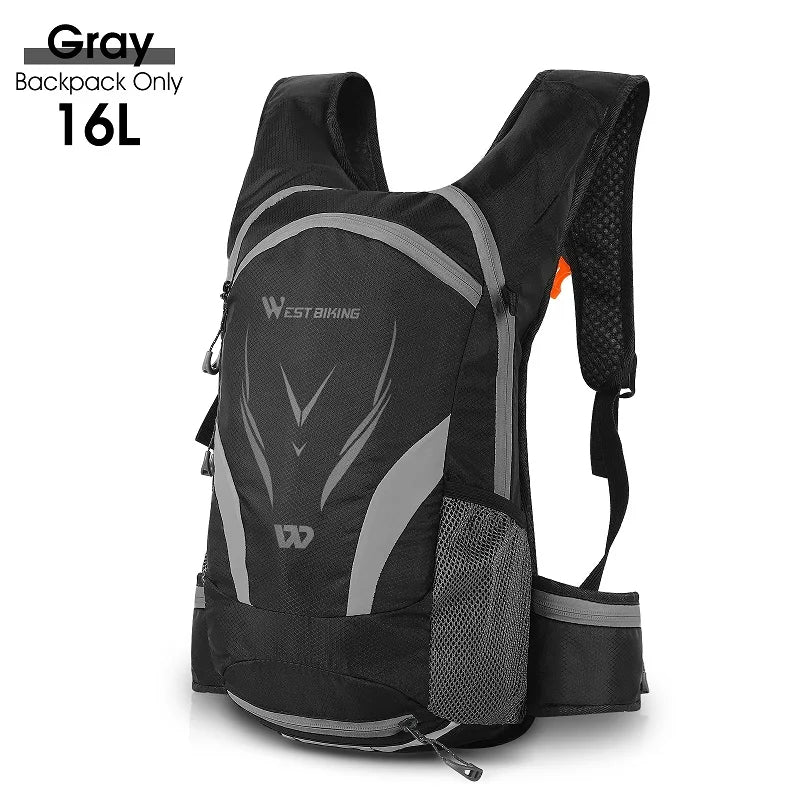
💡 See it in action
Best Features to Look for in a Waterproof Bicycle Backpack
A quality waterproof bicycle backpack keeps gear dry while improving balance and comfort during wet rides. Riders benefit most from lightweight waterproof materials, secure chest straps, reflective detailing, ventilation channels, and smart compartments that prevent shifting loads while cycling through rain or traffic.
Not every backpack marketed as waterproof performs well during extended rides. Some repel light drizzle but fail in heavy storms or long-distance commuting.
Features that matter most during wet rides
- Roll-top or sealed zipper closures
- Ventilated back panels to reduce sweat buildup
- Reflective strips for low-light visibility
- Chest and waist stabilization straps
- Dedicated hydration storage
- Quick-access pockets for tools and phones
- Lightweight waterproof shell materials
Many experienced commuters also combine backpacks with accessories from Waterproof & Dry Bags for extra protection during severe weather.
Why waterproofing matters more than capacity
Large backpacks often tempt riders who carry laptops, clothes, or groceries. However, oversized packs can create instability and shoulder strain during fast commutes.
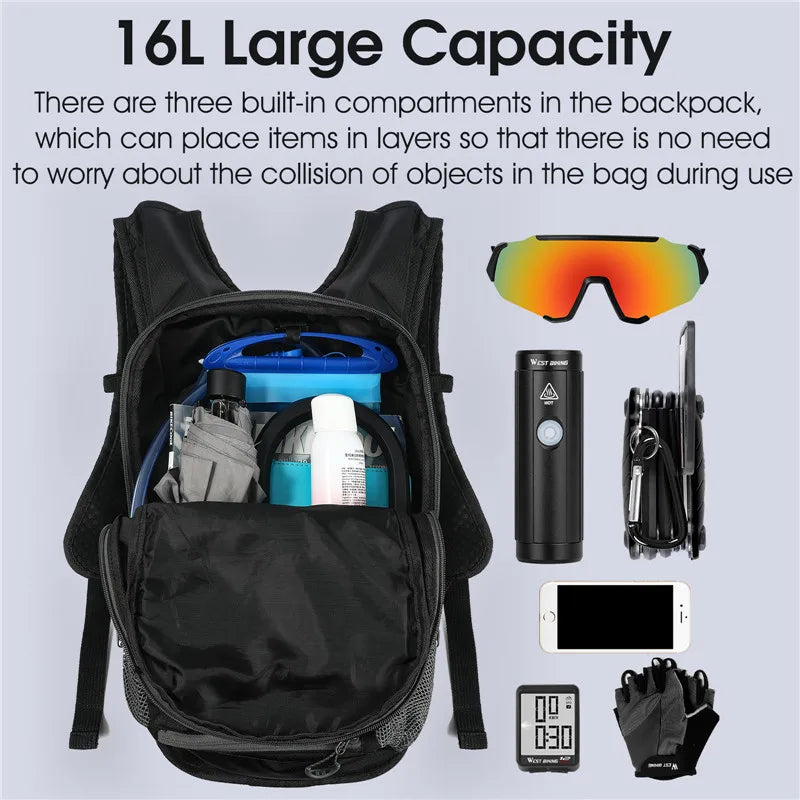
A compact 16L to 22L design usually provides enough storage for:
- Laptop or tablet
- Rain jacket
- Lunch container
- Repair tools
- Hydration bladder or water bottle
- Extra clothing layers
Quick Comparison of Popular Backpack Styles
| Backpack Type | Best Use | Main Advantage | Potential Drawback |
|---|---|---|---|
| Roll-Top Waterproof Pack | Urban commuting | Excellent rain protection | Slower access to gear |
| Hydration Cycling Backpack | Long rides | Easy hydration access | Less laptop space |
| Minimalist Commuter Pack | Daily city rides | Lightweight comfort | Lower carrying capacity |
| Trail Riding Backpack | Off-road cycling | Stable fit and durability | Can feel bulky in traffic |
For riders balancing cycling with outdoor travel, lightweight organizers from Gear Organizers & Pouches help separate electronics, clothing, and tools more efficiently.
How Better Fit Improves Rainy Commutes
Comfort often determines whether a backpack becomes a daily essential or ends up unused in storage. Poor fit causes shoulder fatigue, lower back pressure, and shifting loads that distract riders in traffic.
The best waterproof backpack for rainy bike rides should feel stable even when fully loaded.
Signs a backpack fits correctly
- Shoulder straps sit evenly without digging in
- Weight stays centered close to the rider’s back
- The backpack does not bounce while pedaling
- Airflow channels reduce sweat buildup
- Waist straps stabilize heavier loads
Several commuters report that switching from messenger bags to waterproof cycling backpacks dramatically reduced neck and shoulder strain during 30-minute city rides.
“I stopped arriving at work with soaked clothes and sore shoulders after switching to a hydration-style cycling backpack. The difference during storms was immediate.” — Chicago commuter cyclist
Explore the 16L Cycling Hydration Backpack
Many cyclists also pair backpacks with compact lighting from Headlamps & Wearable Lights for safer visibility during dark, rainy commutes.
💡 See it in action
Choosing a Water Resistant Backpack for Trail Riding
A water resistant backpack for trail riding needs stronger stabilization and impact resistance than standard commuter bags. Rough terrain, mud, and rapid movement place extra stress on seams, zippers, and shoulder systems.
Trail riders should prioritize
- Compression straps for load stability
- Abrasion-resistant outer materials
- Hydration compatibility
- Compact profile for better mobility
- Mud-resistant exterior coating
Trail riders often carry emergency repair tools and weather protection gear. Compact accessories from Multi-tools & Knives and Rain Ponchos & Capes are especially useful during remote rides.
When water resistance is enough
Not every rider needs maximum waterproofing. Short commutes or dry-climate trail sessions may only require a water-resistant shell rather than fully sealed construction.
However, cyclists in rainy regions should avoid relying solely on thin polyester fabrics marketed as “water resistant.” Extended exposure can still soak internal compartments.
Why Hydration Storage Matters on Long Rides
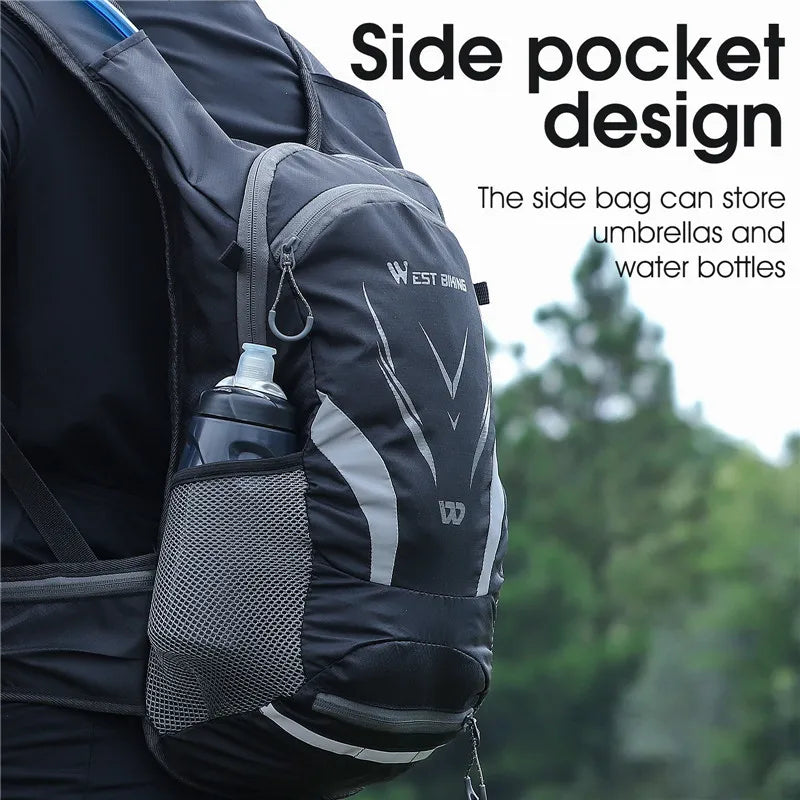
A waterproof hydration backpack for biking improves endurance and convenience by allowing riders to drink without stopping. Hydration-ready designs also distribute weight more evenly compared to carrying large bottles in side pockets.
Long-distance cyclists frequently underestimate how much easier hydration systems make consistent riding.
Benefits of hydration-compatible backpacks
| Feature | Benefit |
|---|---|
| Integrated hydration sleeve | Keeps water weight balanced |
| Drinking hose access | Allows hands-free hydration |
| Compact storage layout | Reduces shifting during rides |
| Ventilated harness systems | Improves airflow in humid weather |
For longer outdoor trips, cyclists often supplement hydration setups with products from Collapsible Water Bottles and Hydration & Food.
A practical guide to waterproof cycling backpacks should always include hydration planning because dehydration affects concentration, stamina, and ride safety faster than many commuters realize.
Common Mistakes Riders Make When Buying
Buying the wrong backpack usually leads to discomfort, gear damage, or poor weather protection. Many cyclists focus on appearance while ignoring critical performance details.
Common backpack buying mistakes
- Choosing oversized backpacks for short commutes
- Ignoring ventilation systems
- Assuming all water-resistant fabrics are waterproof
- Buying heavy packs without chest stabilization
- Overlooking reflective safety details
- Using hiking packs not designed for cycling posture
Storage organization also matters more than many riders expect. Compact packing accessories from Compression & Packing Bags can help commuters avoid clutter and shifting gear.
How experienced commuters evaluate backpacks
Seasoned cyclists often test backpacks using three simple questions:
- Does it remain comfortable after 45 minutes?
- Can I access essentials quickly during stops?
- Will my electronics stay dry during sustained rain?
If a backpack fails any of these tests, it usually becomes frustrating during daily use.
💡 See it in action
How to Maintain Waterproof Cycling Backpacks
Even the best waterproof bicycle backpack loses performance without regular maintenance. Dirt, UV exposure, and constant folding slowly weaken waterproof coatings and seams.
Simple maintenance tips
- Clean mud and road grime after wet rides
- Air dry completely before storage
- Avoid machine washing waterproof fabrics
- Inspect zippers and seams monthly
- Store backpacks loosely to protect coatings
Outdoor commuters traveling in unpredictable weather also benefit from backup equipment inside Emergency Road Kits and portable charging options from Portable Power Banks.
Well-maintained backpacks can remain reliable for years, especially when riders avoid overloading them beyond intended capacity.
Shop the 16L Cycling Hydration Backpack
Frequently Asked Questions
What size waterproof bicycle backpack is best for commuting?
Most commuters prefer backpacks between 16L and 22L because they provide enough space for laptops, clothing, food, and tools without feeling oversized or unstable during rides.
Are waterproof backpacks better than water-resistant backpacks?
Waterproof backpacks offer stronger protection during heavy rain because they use sealed materials and closures. Water-resistant models are better suited for light rain or shorter rides.
Can hydration backpacks hold laptops?
Some hydration backpacks include padded compartments for tablets or compact laptops, but many prioritize water storage and streamlined riding comfort over office storage capacity.
How long do waterproof coatings last?
With proper care, waterproof coatings can remain effective for several years. Regular cleaning and avoiding excessive sun exposure help preserve protective materials longer.
What accessories improve rainy cycling commutes?
Many cyclists combine backpacks with products from Weather Protection & Environment, reflective lighting, and compact dry storage organizers for better comfort and visibility.
Pillar Article: Best Hydration Pack For Cycling Compared For Every Rider
Other Related Articles:
- Best Hydration Pack For Hiking: 9 Lightweight Picks
- Top Hydration Backpacks Ranked For Hiking And Biking
- Cycling Hydration Vest Vs Backpack: Which Wins Long Rides?
- 7 Mountain Bike Backpacks Tested On Tough Trail Rides
Explore More:





