

How To Use A Waterproof Cycling Pack In Heavy Rain
How To Use A Waterproof Cycling Pack In Heavy Rain
Does a waterproof cycling pack keep your gear dry in heavy rain?
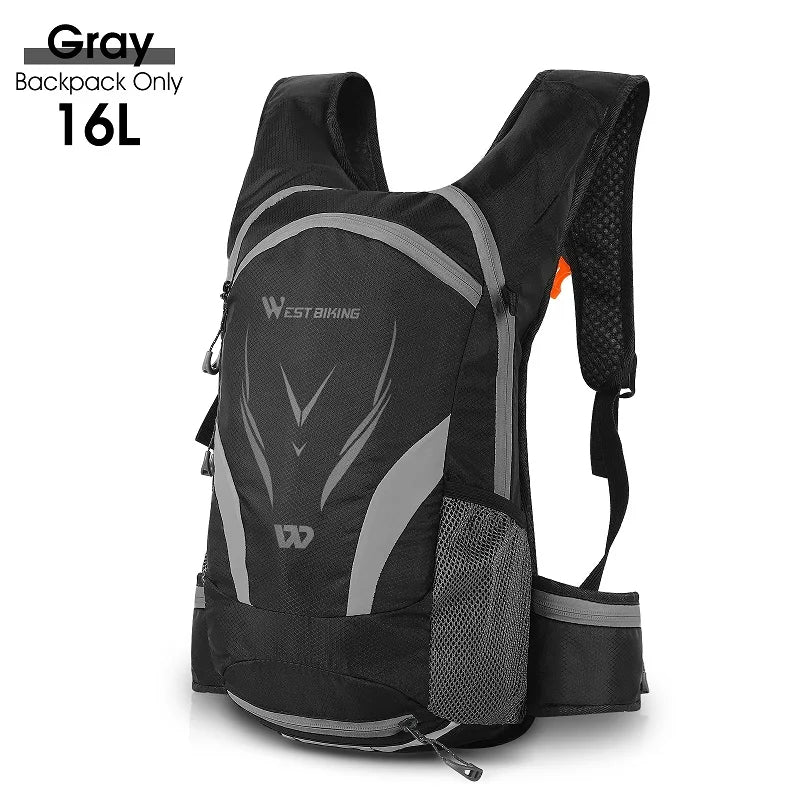
A waterproof cycling pack helps protect clothing, electronics, snacks, and tools during long wet-weather rides by using sealed fabrics, roll-top closures, and balanced storage compartments. Riders using a waterproof backpack for rainy bike rides can stay organized, improve comfort, and reduce water damage even during sudden storms or muddy trail conditions.
⏱ 8 min read
Waterproof cycling pack performance can make or break your ride when storms hit unexpectedly. Whether you commute through city traffic, ride gravel roads after work, or train on muddy trails, wet gear quickly turns a good ride into a frustrating experience. What gear actually keeps essentials dry without slowing you down? This guide explains how to use a waterproof backpack for rainy bike rides effectively, organize gear smarter, and stay comfortable through heavy rain and changing weather conditions.
👉 Discover must-have cycling and outdoor gear before your next storm ride.
💡 See it in action
Why Waterproof Packs Matter During Rainy Rides
A waterproof cycling pack reduces the risk of soaked clothing, damaged electronics, and uncomfortable weight shifts during long rides. Riders who commute or ride trails in changing weather often rely on sealed compartments and weatherproof fabrics to stay prepared without carrying bulky equipment.
Heavy rain creates more problems than most riders expect. Water seeps into zippers, straps become slippery, and poorly balanced backpacks shift during turns or climbs.
A quality waterproof hydration backpack for biking helps you:
- Protect phones, wallets, and tools from water damage
- Keep hydration accessible without stopping
- Reduce shoulder fatigue with balanced weight distribution
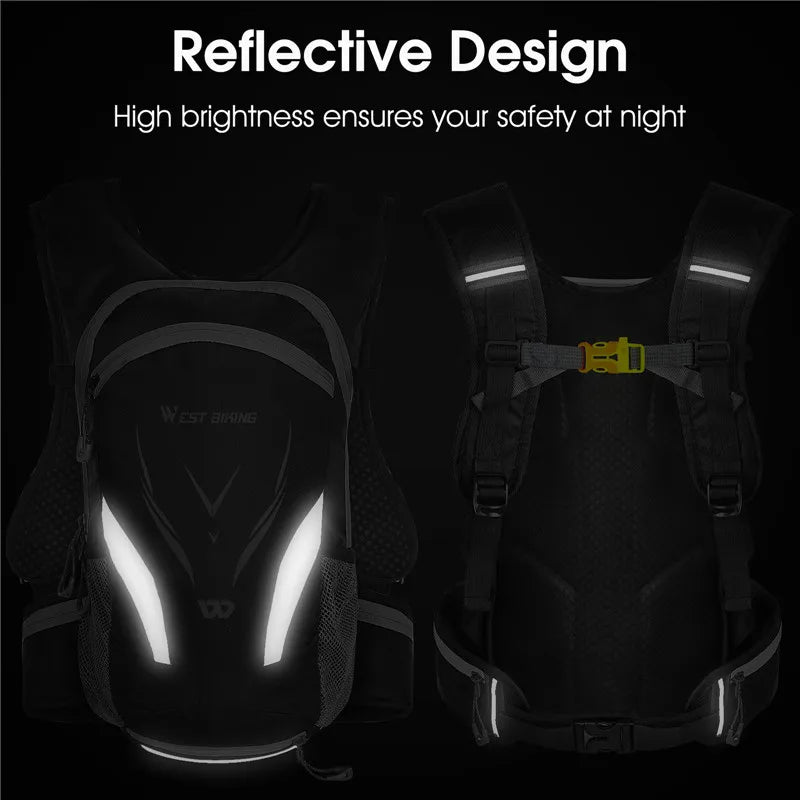
- Improve visibility using reflective surfaces
- Carry emergency layers during temperature drops
Many commuters pair cycling packs with gear from Rain Ponchos & Capes and Gloves & Protective Gear to stay comfortable during long urban rides.
Why ordinary backpacks fail in heavy rain
| Ordinary Backpack | Waterproof Cycling Pack |
|---|---|
| Absorbs moisture | Repels rain with coated materials |
| Poor airflow | Ventilated back support |
| Loose internal storage | Organized waterproof compartments |
| Heavy when wet | Lightweight weather-resistant construction |
One bike commuter from Portland shared that switching to a waterproof cycling pack stopped laptop damage during winter commutes and reduced back strain on 12-mile rides.
How To Pack A Waterproof Cycling Pack Correctly
A waterproof cycling pack works best when weight is distributed evenly and moisture-sensitive items are separated using sealed storage sections. Smart packing reduces shoulder strain, prevents shifting while pedaling, and keeps important gear accessible during wet rides.
The biggest mistake riders make is overloading the upper compartment. This creates instability and shoulder fatigue.
Step-by-step guide to packing for heavy rain
- Place heavier items low and close to your spine.
- Store electronics in inner dry compartments.
- Use compression bags for clothing layers.
- Keep snacks and quick-access tools near side pockets.
- Roll and seal waterproof closures tightly before riding.
Many riders use Compression & Packing Bags to separate wet clothing from dry essentials during long rides.
For hydration-heavy rides, a waterproof hydration backpack for biking should allow easy hose access without exposing the main compartment to rain.
Recommended packing layout
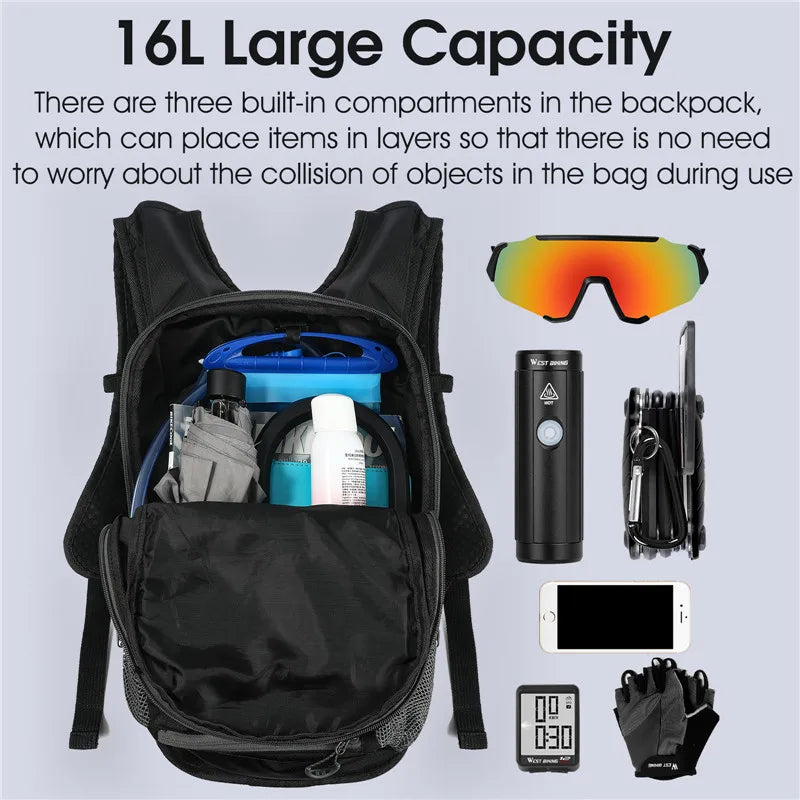
- Bottom section: repair kit, multi-tool, spare tube
- Center section: hydration bladder, heavier gear
- Top compartment: snacks, gloves, phone
- External straps: rain jacket or helmet storage
Pairing your pack with products from Waterproof & Dry Bags gives extra protection during multi-hour downpours.
👉 Learn how to organize wet-weather cycling gear more efficiently.
Common Rain Riding Mistakes That Soak Your Gear
A waterproof backpack for rainy bike rides still needs proper setup. Small mistakes can allow water inside even with premium materials.
Mistake #1: Leaving zippers partially open
Even water-resistant zippers fail if corners stay exposed. Always double-check closures before riding.
Mistake #2: Ignoring external water buildup
Water pooling around seams eventually leaks through. Shake excess water off during stops.
Mistake #3: Packing wet clothing with electronics
Separate damp layers using Gear Organizers & Pouches to avoid moisture transfer.
Mistake #4: Wearing loose shoulder straps
Loose packs bounce during climbs and turns, increasing fatigue and reducing bike control.
💡 See it in action
Best Features To Look For In A Waterproof Hydration Backpack For Biking
A waterproof cycling pack should combine weather protection, breathable comfort, and stable weight distribution. Riders benefit most from lightweight designs with sealed compartments, reflective details, hydration compatibility, and adjustable support straps for long wet-weather rides.
Not every waterproof backpack for rainy bike rides performs the same. Some prioritize commuting while others focus on aggressive trail riding.
Features that improve wet-weather performance
| Feature | Benefit |
|---|---|
| Roll-top closure | Better rain sealing |
| Hydration compatibility | Hands-free water access |
| Chest and waist straps | Improved riding stability |
| Reflective details | Higher visibility in storms |
| Ventilated back panel | Reduced sweat buildup |
Riders training before sunrise often combine their packs with Headlamps & Wearable Lights and Emergency Lighting for better visibility during storms.
How much storage do you really need?
- 5–10L: Short urban commutes
- 10–16L: Daily training rides
- 16L+: Trail riding and longer adventures
The 16L size works especially well for riders carrying hydration systems, tools, snacks, and extra clothing layers.
Trail Riding Tips That Keep Your Backpack Balanced
A water resistant backpack for trail riding needs different adjustments than city commuting gear.
Trail riders face mud splashes, sudden climbs, and rough descents. Poorly balanced gear increases fatigue and affects handling.
How to improve comfort on rough terrain
- Tighten chest and waist straps before descending.
- Keep hydration weight centered.
- Avoid dangling gear outside the pack.
- Use compact storage pouches instead of bulky containers.
Many riders also carry essentials from First Aid Kits and Multi-tools & Knives during remote trail sessions.
For cold-weather rides, layering lightweight protection from Wind & Cold Protection helps maintain comfort without overloading your backpack.
What experienced riders pack during storm rides
- Compact rain shell
- Energy snacks
- Hydration bladder
- Portable power bank
- Mini repair kit
- Dry gloves
Portable charging gear from Portable Power Banks is especially useful for navigation apps during long rides.
Essential Wet Weather Cycling Gear Checklist
A waterproof cycling pack works best as part of a complete rain-riding setup.
| Gear Item | Purpose |
|---|---|
| Waterproof cycling pack | Protects gear and hydration |
| Reflective jacket | Improves visibility |
| Waterproof gloves | Maintains grip and warmth |
| Dry storage pouch | Protects electronics |
| Portable lights | Safer low-light riding |
Many riders also keep backup essentials from Weather Accessories and Safety, Survival & Emergency collections for unpredictable conditions.
👉 Get yours now before your next rainy ride.
How To Maintain Your Waterproof Cycling Pack
A waterproof cycling pack lasts longer when cleaned and dried properly after wet rides. Dirt buildup weakens waterproof coatings and trapped moisture can damage seams, straps, and internal storage compartments over time.
After every heavy rain ride:
- Empty all compartments completely.
- Wipe mud and grit from seams.
- Air dry fully before storage.
- Inspect closures and straps regularly.
Never leave a wet pack sealed overnight. Moisture buildup creates odor and weakens materials.
Using accessories from Camping Storage & Boxes can help organize and dry cycling gear between rides.
💡 See it in action
Why Riders Prefer Lightweight Waterproof Packs For Daily Commutes
A lightweight waterproof backpack for rainy bike rides helps riders stay mobile without sacrificing protection. Compact designs reduce fatigue, improve balance, and make urban commuting easier during changing weather conditions.
Bike commuters often carry laptops, lunches, and extra clothing. Bulky gear quickly becomes uncomfortable in traffic or crowded transit stations.
That’s why many riders prefer compact hydration-compatible packs that stay secure during movement while still offering enough storage for essentials.
Adding compact accessories from Lightweight Daypacks and Hooks, Clips & Carabiners can improve organization during everyday commuting.
FAQ
What makes a waterproof cycling pack different from a regular backpack?
A waterproof cycling pack uses coated fabrics, sealed seams, weather-resistant zippers, and riding-focused support straps to keep gear dry and stable during wet rides.
Can a waterproof hydration backpack for biking handle heavy storms?
Yes. A properly sealed waterproof hydration backpack for biking can protect hydration systems, electronics, and clothing during prolonged rain when packed correctly.
How do I stop my cycling backpack from shifting while riding?
Tighten chest and waist straps evenly, keep heavy items centered, and avoid overloading the upper compartment.
Is a water resistant backpack for trail riding enough for muddy conditions?
For light rain and splashes, water-resistant packs perform well. For extended storms or river crossings, fully waterproof materials and sealed closures offer better protection.
How often should I clean my waterproof cycling pack?
Clean your pack after muddy or rainy rides to protect waterproof coatings and prevent odor or seam damage.
Pillar Article: Hydration Pack For Cyclists Setup Guide For Longer Rides
Other Related Articles:
- Biking Hydration Backpack Tips To Prevent Shoulder Fatigue
- Best Backpacks For Cyclists With Smart Storage Setups
- How To Pack A Day Hiking Hydration Pack Like A Pro
Explore More:





