

7 Mountain Bike Backpacks Tested On Tough Trail Rides
Does a Mountain Bike Backpack Really Improve Trail Rides?
A well-fitted mountain bike backpack reduces shoulder fatigue, prevents hydration pack bouncing during trail rides, and keeps tools, water, and layers balanced on rough terrain. Riders testing modern hydration backpacks for mountain biking often notice better comfort during long climbs, fewer distractions on descents, and improved stability across technical singletrack.
7 Mountain Bike Backpacks Tested On Tough Trail Rides
⏱ 9 min read
Nothing ruins a fast descent faster than a hydration pack bouncing during trail rides. We tested seven mountain bike backpack styles across rocky switchbacks, muddy forest climbs, and long endurance loops to find out which setups actually stay stable, comfortable, and easy to organize. Whether you need a lightweight race-ready fit or a large capacity mountain biking backpack for all-day adventures, this guide breaks down what worked, what failed, and which features made the biggest difference on rough terrain.
Explore the 16L Cycling Hydration Backpack
Why Backpack Fit Changes Trail Performance
A mountain bike backpack that shifts side to side forces riders to constantly rebalance their upper body. That extra movement becomes exhausting after a few miles of technical terrain.
Several riders in our test group noticed the same thing: smaller adjustments mattered more than total pack size. Tight hip belts, chest straps, and compact hydration reservoirs made a bigger impact than ultra-light materials.
What gear actually makes mountain biking easier on rough trails? Stability and easy access mattered most.
- Wide shoulder straps reduced pressure on long climbs
- Low-profile hydration sleeves improved center of gravity
- Ventilated back panels minimized sweat buildup
- Compression straps stopped internal gear shifting
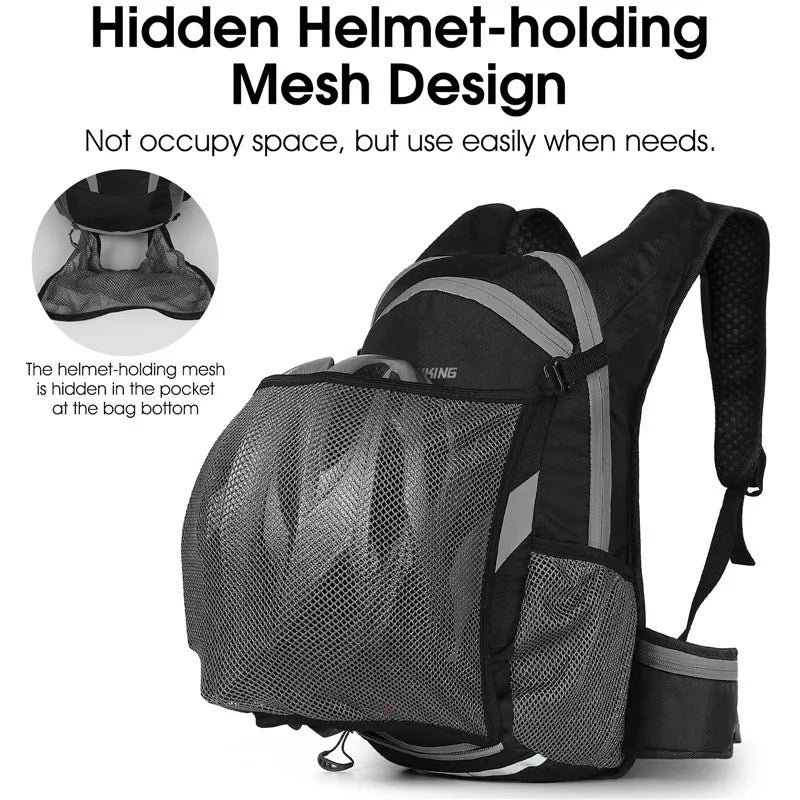
- Helmet carry systems helped during hike-a-bike sections
💡 See it in action
Quick Comparison Of Trail-Tested Packs
| Backpack Type | Best Use | Storage | Trail Stability | Ideal Rider |
|---|---|---|---|---|
| Minimal Hydration Pack | Short XC rides | 2L–5L | Excellent | Fast climbers |
| Enduro Trail Pack | Technical descents | 8L–12L | Very Good | Aggressive riders |
| Large Capacity Pack | All-day rides | 14L–18L | Good | Adventure riders |
| Race-Fit Hydration Vest | High-speed endurance | 3L–6L | Excellent | Competitive riders |
Best Mountain Bike Backpack For Long Rides
A large capacity mountain biking backpack works best when the weight stays close to your back and the load remains compressed. During six-hour rides, packs with poor organization felt heavier even when carrying less gear.
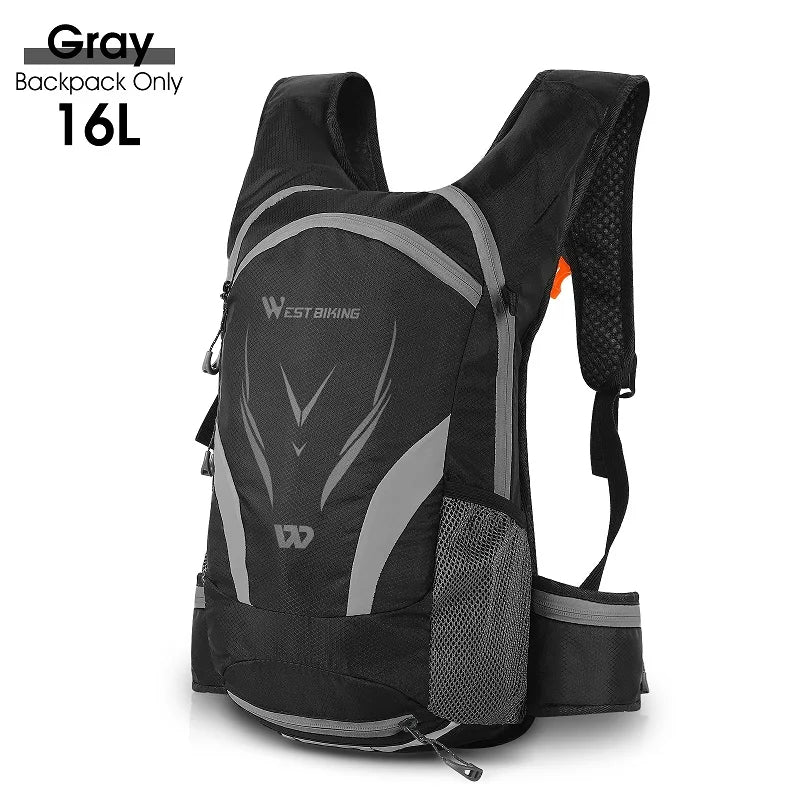
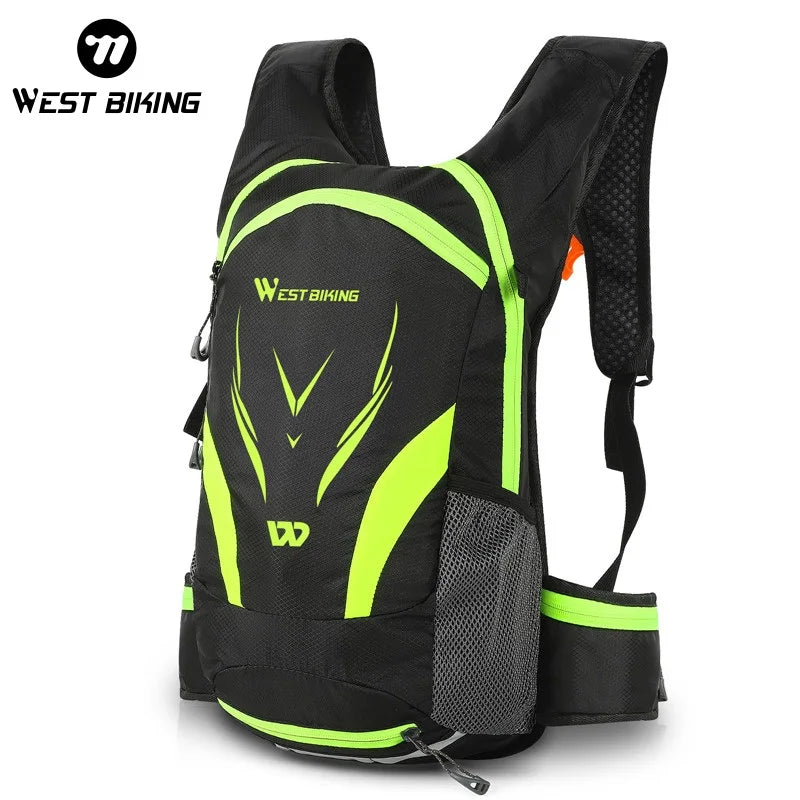
The most balanced setup during testing was the 16L Cycling Hydration Backpack. Riders liked the snug upper-body fit and organized compartments during long trail loops.
What Riders Loved Most
- Easy hydration access without stopping
- Enough room for jackets and repair tools
- Reduced lower-back pressure during climbs
- Stable fit across rock gardens and drops
- Quick-access outer pockets for snacks
One rider described the difference after switching from a loose commuter pack:
“The bike handled better immediately because the backpack stopped throwing my balance around on descents.”
For riders packing extra layers, tools, and food, pairing hydration packs with Gear Organizers & Pouches also helped reduce internal movement.
See the hydration backpack riders tested on rough terrain
How To Stop Hydration Pack Bouncing During Trail Rides
Hydration pack bouncing during trail rides usually comes from poor torso sizing, overloaded storage, or loose compression straps. Riders reduced bounce most effectively by tightening the chest strap first, then adjusting the hip belt while standing in an aggressive riding position.
- Keep heavier gear close to the spine
- Use side compression straps before riding
- Avoid overfilling hydration reservoirs
- Position hip belts above the waistline
- Remove unused bulky gear before climbs
Many riders also improved comfort by carrying lighter accessories from the Lightweight Daypacks collection for shorter sessions.
Features That Reduced Bounce The Most
| Feature | Trail Impact |
|---|---|
| Chest Strap Rails | Stops shoulder strap shifting |
| Hip Stabilizers | Controls side-to-side movement |
| Compression Panels | Keeps load compact |
| Low Reservoir Placement | Improves balance on descents |
Riders carrying tools also appreciated adding compact items from Multi-tools & Knives to reduce bulky pocket storage.
💡 See it in action
When A Large Capacity Mountain Biking Backpack Makes Sense
Not every rider needs maximum storage. But during unpredictable weather or remote trail systems, larger packs became noticeably more practical.
Test riders carrying extra gear for changing trail conditions packed:
- Rain jackets
- First aid supplies
- Mini pumps and tools
- Food and electrolyte mixes
- Protective gloves
- Phone batteries and lights
For wet environments, many riders combined their backpack setup with gear from Waterproof & Dry Bags to keep electronics and spare layers dry.
Long-distance riders also preferred compact lighting from Headlamps & Wearable Lights during late-evening returns.
Best Backpack Setup For Mountain Biking
The best backpack setup for mountain biking balances hydration, safety, and movement. Riders who overloaded external pockets created instability, while minimalist setups often lacked enough emergency gear for longer loops.
Recommended Setup For Trail Riders
| Item | Placement |
|---|---|
| Hydration Reservoir | Main rear sleeve |
| Repair Kit | Bottom compartment |
| Nutrition | Upper quick-access pocket |
| Rain Layer | Outer compression area |
| Phone & Power Bank | Internal zipper pouch |
Adding compact charging gear from Portable Power Banks became especially useful during all-day GPS tracking rides.
Several riders also packed lightweight weather protection from Rain Ponchos & Capes after getting caught in sudden mountain storms.
Grab the backpack tested across rocky descents and muddy climbs
How Riders Managed Mud, Rain, And Heat
Trail conditions changed constantly during testing. Riders who planned for weather shifts stayed more comfortable and spent less time stopping for adjustments.
Best Accessories Riders Added
- Gloves & Protective Gear for rocky descents
- Personal Water Filters for remote trail refills
- First Aid Kits for backcountry riding
- Collapsible Water Bottles for extra water storage
- Outdoor Training Accessories for recovery and conditioning
One rider testing steep desert terrain said the biggest surprise was ventilation. Packs with raised airflow panels reduced overheating far more than expected during slow technical climbs.
💡 See it in action
Trail Ride Packing Checklist
Before every ride, testers used a quick gear checklist to avoid carrying unnecessary weight.
- Hydration reservoir filled
- Multi-tool secured
- Lightweight jacket packed
- Nutrition accessible
- Phone fully charged
- Helmet straps adjusted
- Compression straps tightened
- Emergency whistle attached
Several riders clipped compact gear from Hooks, Clips & Carabiners directly onto the pack exterior for faster access.
Why The Right Mountain Bike Backpack Changes Every Ride
The best hydration backpacks for mountain biking don’t just carry water. They improve balance, reduce fatigue, and make long technical rides feel more controlled. Riders consistently performed better when their pack stayed stable, organized, and comfortable through changing terrain.
Whether you prefer short aggressive descents or full-day endurance loops, choosing the right mountain bike backpack can completely change how your bike feels underneath you.
Frequently Asked Questions
What size mountain bike backpack is best?
For short rides, 5L–8L works well. Riders doing long trail loops or carrying layers and tools usually preferred 12L–16L backpacks.
How do I stop my hydration pack from bouncing?
Tighten the chest strap first, keep heavy items close to your back, and use compression straps to stop internal movement.
Are large capacity mountain biking backpacks uncomfortable?
Not necessarily. Packs with proper hip support and balanced load distribution stayed comfortable even during long endurance rides.
What should I carry in a mountain bike hydration pack?
Most riders carry water, snacks, repair tools, lightweight layers, a phone, and emergency essentials for changing trail conditions.
Pillar Article: Best Hydration Pack For Cycling Compared For Every Rider
Other Related Articles:
- Best Hydration Pack For Hiking: 9 Lightweight Picks
- Waterproof Bicycle Backpack Reviews For Rainy Commutes
- Top Hydration Backpacks Ranked For Hiking And Biking
- Cycling Hydration Vest Vs Backpack: Which Wins Long Rides?
Explore More:





