

How To Clean A Hydration Bladder: Easy Step-By-Step Guide
Hydration Bladder Cleaner: How To Use It Correctly
Does a hydration bladder cleaner really work?
A hydration bladder cleaner helps remove odor, bacteria, and residue that can build up inside reservoirs and drinking tubes after hiking, camping, or gym use. Regular cleaning improves water taste, extends gear lifespan, and helps prevent hydration pack tube mold buildup, especially in warm or humid outdoor conditions.
Hydration bladder cleaner routines can dramatically extend gear life while improving water taste on every adventure. Learn smart tricks for wide mouth hydration bladder easy clean methods, maintaining BPA free water reservoir clean habits, and stopping hydration pack tube mold buildup before it ruins your next hike. From drying shortcuts to overlooked sanitizing steps, these practical tips help prevent odors, bacteria, and stubborn stains with less effort than most people expect.
⏱ 8 min read
Nothing ruins a long hike faster than taking a sip from your hydration pack and tasting stale plastic, mildew, or sour water. Many outdoor enthusiasts clean the outside of their gear but forget the inside of their water system.
What gear actually makes camping easier? Often, it’s the gear you maintain properly. A simple cleaning routine can help your hydration setup stay fresh through backpacking trips, road adventures, trail runs, and family camping weekends.
💡 See it in action
Why Proper Cleaning Matters for Hydration Systems
A hydration bladder cleaner removes bacteria, residue, and trapped moisture that often stay hidden inside drinking tubes and reservoir corners. Regular maintenance improves water flavor, reduces odor, and helps prevent hydration pack tube mold buildup that can shorten the lifespan of outdoor gear.
Hydration systems are constantly exposed to heat, moisture, and bacteria. Leaving water inside after a camping trip creates the perfect environment for mold growth.
Even if your reservoir looks clean, the tube can trap tiny amounts of moisture for days. That hidden moisture becomes a major problem during summer hikes or multi-day backpacking trips.
- Improves water taste
- Prevents unpleasant odors
- Reduces bacteria buildup
- Helps maintain BPA free water reservoir clean conditions
- Extends the life of your hydration gear
Many hikers store hydration packs incorrectly between trips. One weekend of neglect can create stubborn stains and unpleasant smells that are difficult to remove later.
Outdoor travelers who regularly clean their systems often report fewer replacement costs and better hydration during long-distance activities.
| Cleaning Habit | Result |
|---|---|
| Rinse after every trip | Fresher tasting water |
| Dry reservoir fully | Reduced mold growth |
| Clean drinking tube weekly | Better flow and hygiene |
| Store open and ventilated | Less trapped moisture |
For longer expeditions, many campers combine hydration maintenance with organized outdoor storage systems from Camping Storage & Boxes to keep cleaning supplies dry and easy to access.
How to Use a Hydration Bladder Cleaner Step by Step
A hydration bladder cleaner works best when combined with warm water, proper brushing, and complete drying. The most effective routine targets the reservoir, tube, bite valve, and cap separately to remove buildup before bacteria and odors become difficult to eliminate.
-
Empty the reservoir completely.
Never leave old water sitting overnight after a hike or workout. -
Rinse with warm water immediately.
Warm water loosens residue before it hardens inside the bladder walls. -
Add cleaning solution or cleaning tablet.
Shake gently and allow it to soak for several minutes. -
Scrub the interior thoroughly.
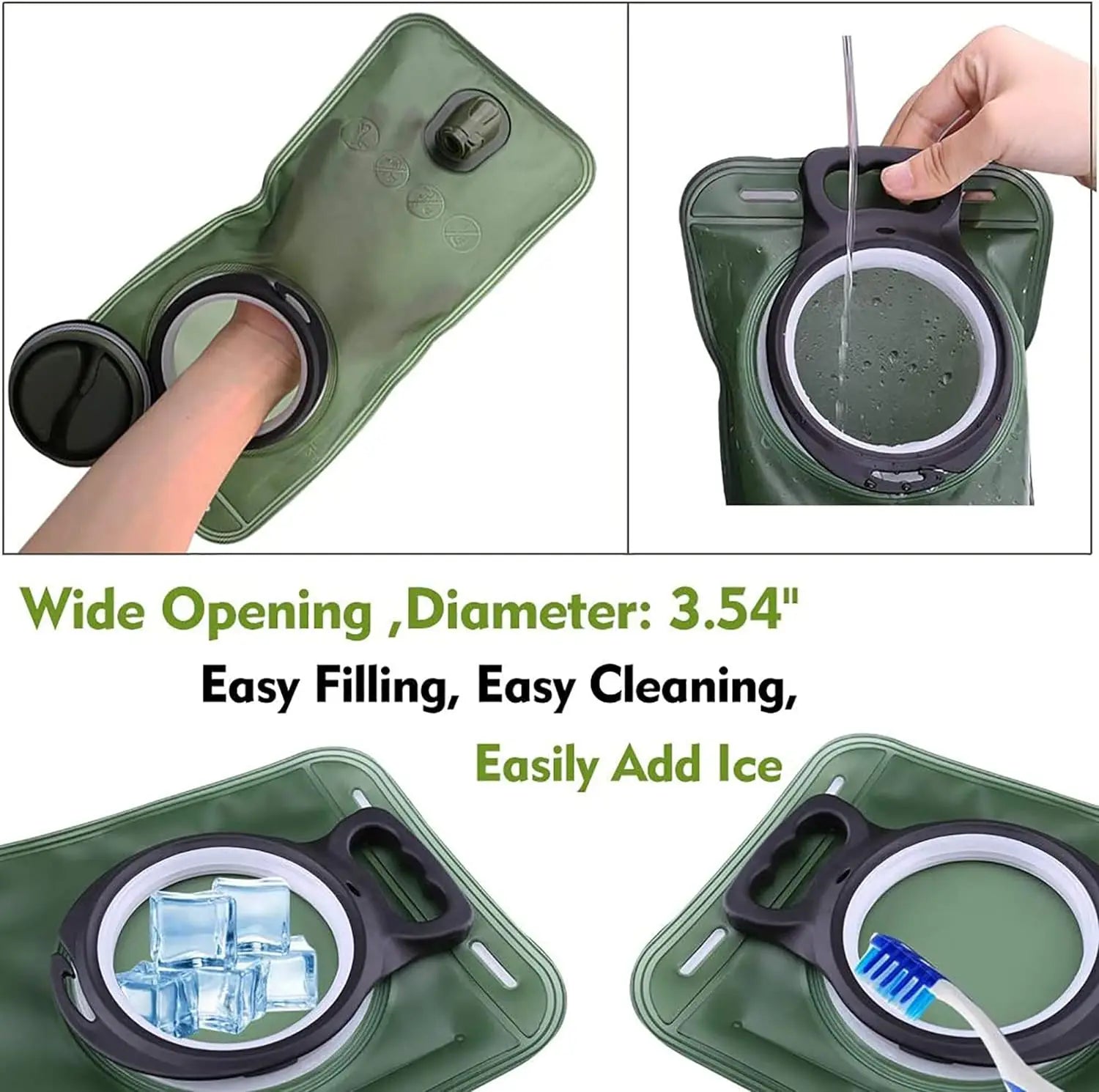
Wide mouth hydration bladder easy clean designs make this step significantly easier. -
Clean the drinking tube separately.
Tube brushes help remove hidden slime and hydration pack tube mold buildup. -
Rinse multiple times.
Leftover cleaner residue can affect water taste. -
Dry every component completely.
Open caps, valves, and tubes fully during drying.
Many backpackers hang reservoirs upside down overnight near fans or open windows to speed up drying.
If you frequently hike in muddy or rainy conditions, pairing hydration systems with Waterproof & Dry Bags can help protect clean gear from contamination during transport.
Quick Cleaning Checklist Before Storage
- Remove bite valve
- Leave cap open
- Separate tube from bladder
- Dry all pieces individually
- Store in a cool ventilated area
💡 See it in action
Common Mistakes That Cause Hidden Contamination
A hydration bladder cleaner cannot fully protect your system if cleaning habits are inconsistent. Many users accidentally create bacteria growth by sealing reservoirs while damp or forgetting to clean drinking tubes after sugary beverages or electrolyte mixes.
The biggest mistake is assuming clear water means clean gear. Mold often begins in hidden corners long before visible discoloration appears.
Most Common Cleaning Errors
| Mistake | Problem Created |
|---|---|
| Storing while wet | Mold growth |
| Ignoring the tube | Bacteria buildup |
| Using sports drinks without cleaning | Sticky residue |
| Closing cap during drying | Trapped moisture |
| Cleaning too infrequently | Persistent odors |
Campers often notice problems after storing gear through winter. Reservoirs packed away damp for months can develop severe odor issues.
One backpacker shared that after switching to a regular weekly cleaning routine, their hydration pack stopped producing the “plastic swamp” smell that ruined previous trips.
During long road trips, keeping cleaning tools inside organized pouches from Gear Organizers & Pouches makes maintenance easier at campsites and rest stops.
How Better Drying Techniques Prevent Mold
Drying is just as important as washing. Even a perfectly cleaned bladder can grow mold if moisture remains trapped inside.
Airflow matters more than most outdoor users realize.
Best Drying Methods for Hydration Reservoirs
- Hang upside down overnight
- Use drying racks or spacers
- Insert paper towels temporarily
- Keep caps and valves detached
- Place near moving air or fans
Freezer storage is another popular trick. Some hikers freeze cleaned reservoirs between trips to slow bacterial growth.
This method works especially well for people who use hydration systems multiple times per week.
For overnight hiking setups, many outdoor travelers also pack lightweight essentials from Lightweight Daypacks to keep hydration systems accessible and protected.
Why Wide Mouth Reservoirs Are Easier to Maintain
Wide mouth hydration bladder easy clean designs simplify nearly every part of maintenance. Larger openings allow better airflow, easier brushing, and faster drying compared to narrow reservoir styles.
Narrow openings make it difficult to inspect corners for residue or mold spots. Many users accidentally miss contamination because they physically cannot see inside.
Wide mouth designs help with:
- Faster interior scrubbing
- Easier drying access
- Improved airflow
- Quicker rinsing
- Better visibility during cleaning
Outdoor runners and cyclists especially appreciate reservoirs that can be cleaned quickly after intense summer workouts.
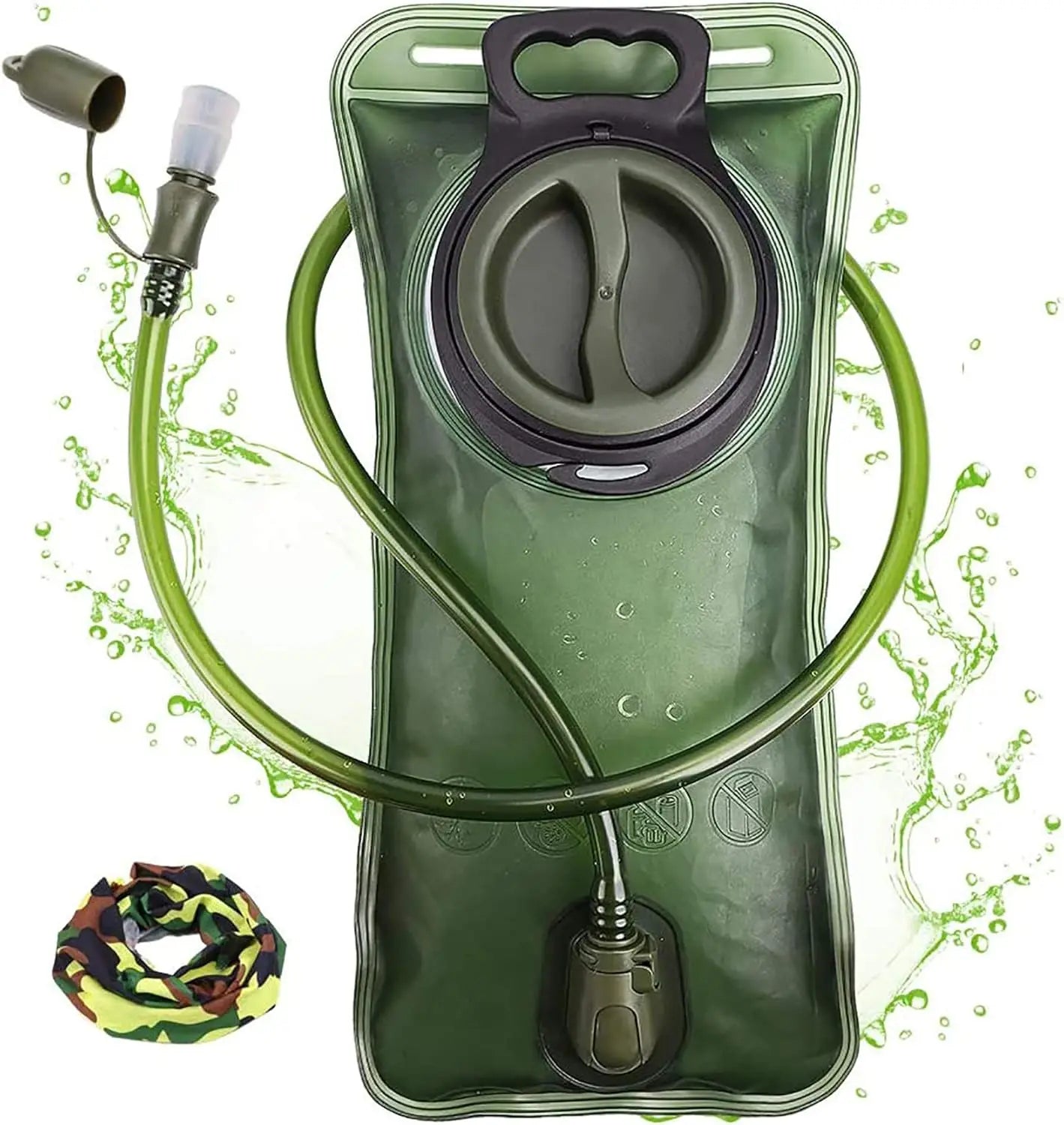
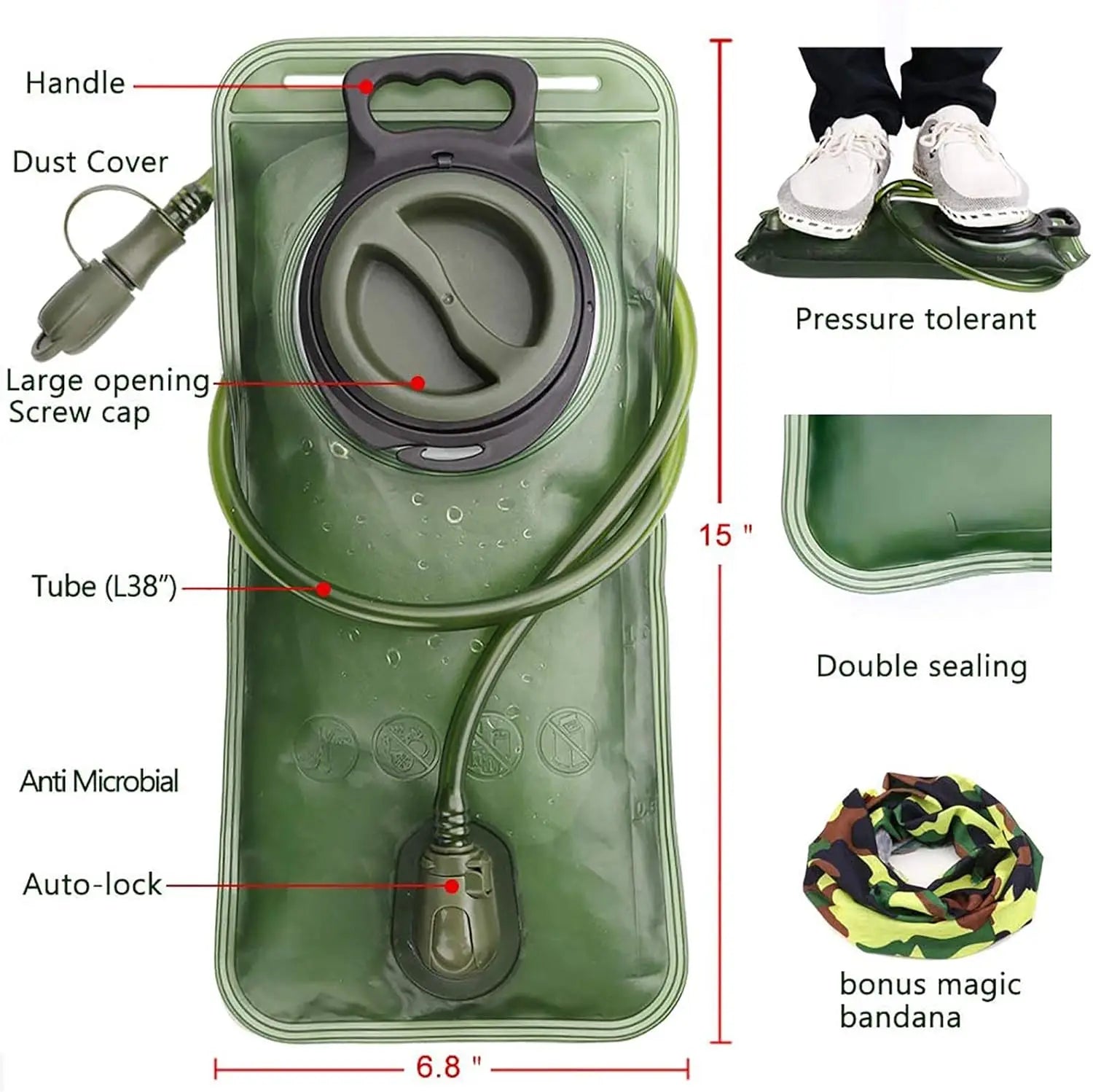
The 2L Hydration Bladder provides a practical wide-mouth design that simplifies regular maintenance while supporting comfortable hydration during hiking, running, camping, and travel.
Get the 2L Hydration Bladder now
Recommended Cleaning Schedule for Outdoor Users
A consistent schedule helps prevent severe contamination and keeps maintenance simple.
| Usage Type | Recommended Cleaning Frequency |
|---|---|
| Daily gym use | Every 2-3 days |
| Weekend hiking | After every trip |
| Sports drink use | Immediately after use |
| Long-term storage | Before and after storage |
Frequent adventurers often pair hydration maintenance with outdoor meal prep systems from Camping Stoves & Cooking for smoother campsite routines.
When camping in wet climates, keeping backup dry clothing and hydration gear inside Compression & Packing Bags can help reduce moisture exposure.
💡 See it in action
Helpful Gear That Makes Cleaning Easier
Maintaining a hydration system becomes easier when your camping setup stays organized.
Useful Outdoor Accessories for Cleaner Hydration Systems
- Dry storage bags
- Portable cleaning tablets
- Tube cleaning brushes
- Ventilated gear pouches
- Quick-access water storage systems
Outdoor travelers preparing for longer adventures often combine hydration maintenance tools with equipment from Personal Water Filters for safer drinking options in remote areas.
At campsites, reliable lighting from Tent & Camping Lanterns also makes nighttime cleaning and refilling easier.
Clean Hydration Gear Makes Every Outdoor Trip Better
A reliable hydration bladder cleaner routine protects your gear, improves water quality, and helps avoid unpleasant surprises on the trail.
Small habits like drying thoroughly, cleaning tubes consistently, and choosing wide-mouth reservoirs can dramatically reduce odor and mold issues.
Whether you’re preparing for weekend hikes, trail running, road trips, or family camping adventures, maintaining BPA free water reservoir clean conditions helps every outdoor experience feel fresher and safer.
Simple maintenance today can save expensive gear replacement tomorrow.
FAQ
How often should I clean a hydration bladder?
Most outdoor users should clean their hydration bladder after every major trip or every few uses. If you use sports drinks or electrolyte mixes, clean it immediately afterward to prevent sticky residue and bacteria growth.
Can mold grow inside hydration pack tubes?
Yes. Hydration pack tube mold buildup is common because moisture gets trapped inside narrow tubing. Using tube brushes and allowing full airflow during drying helps reduce the risk.
What makes wide mouth hydration reservoirs easier to clean?
Wide mouth hydration bladder easy clean designs allow better access for scrubbing, rinsing, and drying. Larger openings also improve airflow, which helps prevent trapped moisture and odors.
Is it safe to freeze a hydration bladder after cleaning?
Many hikers freeze cleaned hydration reservoirs between trips to reduce bacteria growth. Make sure the bladder is clean and mostly dry before freezing.
What is the best way to keep a BPA free water reservoir clean?
Rinse after every use, clean regularly with a hydration bladder cleaner, dry completely, and store the reservoir open in a ventilated area to maintain BPA free water reservoir clean conditions.
Related Articles:
- What Is A Hydration Bladder: How It Works And How To Use
- Clean Hydration Bladder: Simple Methods That Actually Work
- Water Backpack Bladder: How To Set Up And Use It
- Hydration Bladder Cleaner: How To Use It Correctly
Pillar Articles:





