

Clear Hydration Backpacks: How To Choose For Your Activity Needs
Clear Hydration Backpacks: How To Choose For Your Activity Needs
What Are Clear Hydration Backpacks and Why Do Outdoor Users Love Them?
Clear hydration backpacks make it easier to monitor water levels, clean reservoirs quickly, and stay hydrated during hiking, cycling, travel, and outdoor adventures. Their leak proof hydration reservoir for backpacks design improves convenience, while lightweight storage and hands-free drinking help users stay comfortable and focused on the trail.
⏱ 12 min read
Long hikes, hot weather, and heavy gear can turn any outdoor trip into a struggle if your hydration system fails. Have you ever stopped mid-trail because your water flow slowed down or your backpack leaked into your gear? Clear hydration backpacks solve these frustrations with easier monitoring, better comfort, and smarter storage designed for real outdoor adventures.
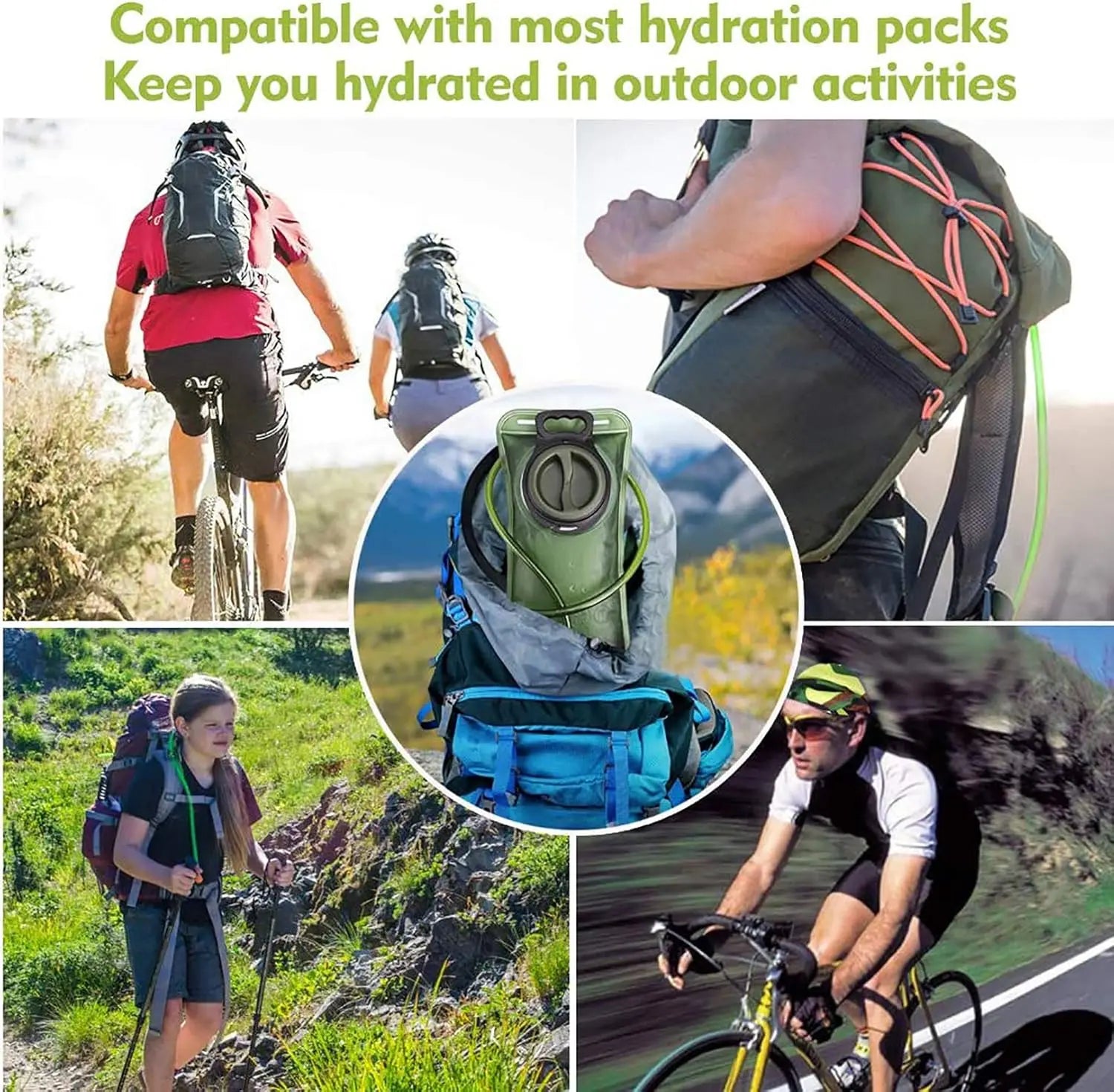
Whether you're preparing for mountain hikes, cycling trips, travel days, or family camping weekends, choosing the right hydration pack can dramatically improve your comfort and endurance. From packing hydration system for long hikes to improving water flow bite valve tips, the right setup keeps every adventure moving smoothly.
Explore reliable hydration solutions with the 2L Hydration Bladder designed for comfort, durability, and all-day hydration.
💡 See it in action
How Clear Hydration Backpacks Make Outdoor Adventures Easier
Clear hydration backpacks help outdoor users track water levels instantly without opening compartments or stopping repeatedly. This simple visibility feature becomes incredibly useful during long-distance hikes, cycling routes, or travel days where maintaining steady hydration matters.
Unlike traditional opaque reservoirs, clear systems reduce guesswork. You immediately know when it’s time to refill, clean, or adjust water usage. For hikers navigating hot weather or high elevation trails, this visibility helps prevent dehydration before symptoms begin.
Why Visibility Matters on the Trail
- Quickly check remaining water during long hikes
- Spot dirt or buildup inside the reservoir
- Monitor hydration habits more effectively
- Reduce unnecessary pack opening and stopping
- Improve confidence during remote adventures
Many outdoor travelers also appreciate how these systems simplify cleaning. After muddy hikes or multi-day camping trips, cleaning becomes much easier when you can see inside the reservoir clearly.
Weekend hikers often pair hydration systems with lightweight organization gear from Backpacking & Carry collections to reduce clutter and improve access to trail essentials.
“I switched to a clear hydration pack during a desert hiking trip in Arizona. Being able to monitor my water instantly helped me ration correctly during intense heat.” — Outdoor traveler, Colorado
How Hands-Free Hydration Improves Performance
Stopping constantly to grab water bottles interrupts momentum and increases fatigue. Hydration packs solve this by allowing continuous sipping while moving.
This matters especially during:
- Steep elevation climbs
- Trail running sessions
- Cycling routes
- Fast-paced hiking groups
- Travel days with heavy gear
Outdoor users frequently combine hydration packs with compact gear from Lightweight Daypacks for balanced load distribution and improved mobility.
How To Choose the Right Hydration Backpack for Your Activity
Clear hydration backpacks work best when matched to your activity type, trip length, and comfort preferences. Choosing the correct capacity, fit, and storage layout improves hydration efficiency while preventing shoulder fatigue and gear imbalance.
The ideal hydration backpack for a casual day hike differs greatly from what a mountain biker or multi-day backpacker needs. Matching features to your environment creates a more comfortable and reliable outdoor experience.
Best Hydration Backpack Features for Hiking
Hikers benefit most from balanced weight distribution and breathable back panels. During long-distance treks, comfort becomes just as important as water capacity.
- 2L to 3L water capacity
- Ventilated shoulder straps
- Chest and waist stabilization straps
- External storage pockets
- Quick-fill reservoir access
Many hikers preparing for overnight adventures combine hydration gear with equipment from Sleeping Bags & Sleeping Pads and Camping Tents & Shelter.
Best Hydration Packs for Cycling and Running
Cyclists and runners need lighter packs with aerodynamic designs. Bounce reduction becomes critical for comfort and performance.
| Activity | Ideal Capacity | Key Feature |
|---|---|---|
| Day Hiking | 2L–3L | Storage compartments |
| Trail Running | 1L–2L | Lightweight fit |
| Cycling | 1.5L–2L | Low-profile design |
| Travel | 2L | Organization pockets |
For runners and cyclists, gear from Running Belts & Packs can further reduce movement and improve balance.
Upgrade your hydration setup with the 2L Hydration Bladder for smoother water access and better outdoor comfort.
Packing Hydration System for Long Hikes Without Overloading
Packing hydration system for long hikes requires balancing water access, comfort, and gear organization. Overpacked bags strain shoulders and reduce endurance, while poor hydration placement can create imbalance during climbs.
Smart hikers organize essentials by accessibility. Water systems should remain easy to refill without unpacking your entire bag.
Essential Packing Checklist for Long Hikes
- Hydration reservoir filled and tested
- Backup filtration system
- Lightweight snacks
- Weather protection layers
- First aid essentials
- Navigation tools
- Portable lighting
Many hikers simplify organization using Compression & Packing Bags and Gear Organizers & Pouches.
How Smart Weight Distribution Prevents Fatigue
Heavy gear placed too low or too far from your back increases strain during long-distance hikes. Hydration reservoirs should sit close to your spine for better balance.
- Place water near the center of your back
- Store heavy gear higher inside the pack
- Keep frequently used items accessible
- Avoid hanging loose gear externally
Outdoor travelers often combine hydration systems with waterproof storage from Waterproof & Dry Bags to protect electronics and clothing during sudden weather changes.
💡 See it in action
Improving Water Flow Bite Valve Tips for Better Hydration
Improving water flow bite valve tips can dramatically improve hydration comfort during outdoor activities. Smooth water delivery encourages frequent sipping, helping maintain energy and endurance during long hikes or cycling sessions.
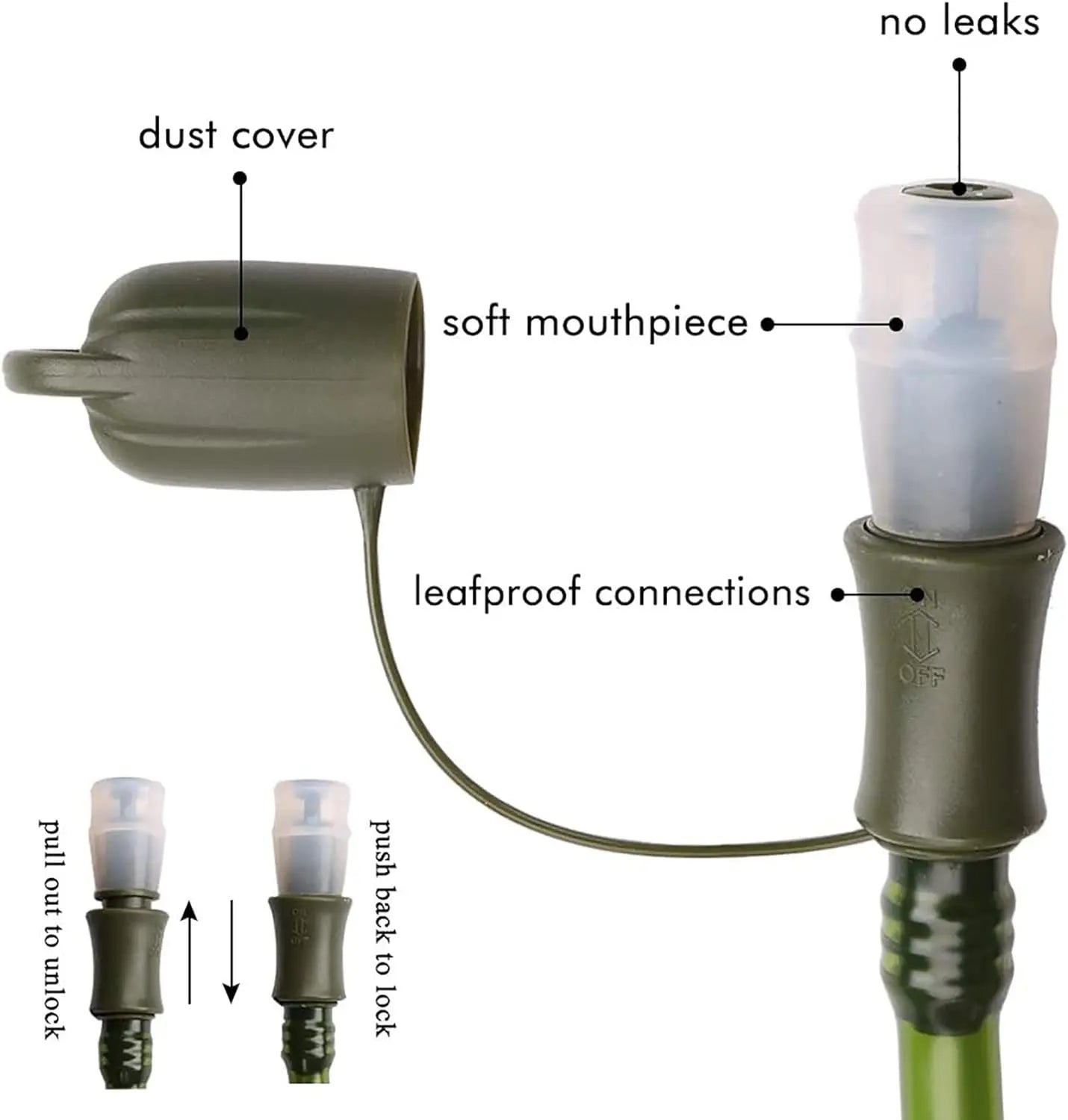
Many hydration issues actually come from improperly maintained bite valves or twisted tubing rather than reservoir defects.
Common Causes of Poor Water Flow
- Kinked hydration tubes
- Air trapped inside the line
- Improper valve positioning
- Mineral buildup
- Partially closed shutoff valves
Quick Fixes for Better Water Flow
- Straighten tubing before each hike
- Rinse valves with warm water regularly
- Use cleaning brushes monthly
- Check for air bubbles after refilling
- Store tubing unclamped between trips
Hikers tackling longer routes often pair hydration systems with backup water purification tools from Personal Water Filters.
“I thought my hydration pack was defective, but cleaning the bite valve restored full water flow instantly.” — Backpacking enthusiast, Oregon
Cold Weather Hydration Tips
Cold temperatures can freeze hydration tubes surprisingly fast. Winter hikers often insulate tubing and blow air back into the reservoir after drinking.
- Use insulated tube covers
- Store packs under outer layers
- Drink regularly to maintain flow
- Keep reservoirs partially warm
Cold-weather adventurers often combine hydration systems with protective layering from Wind & Cold Protection.
What Makes a Leak Proof Hydration Reservoir for Backpacks Reliable?
A leak proof hydration reservoir for backpacks depends on secure seals, durable materials, reinforced tubing, and reliable bite valves. Strong closures and puncture-resistant construction prevent gear damage while ensuring consistent hydration during hiking, cycling, camping, and travel adventures.
Leaks are among the most frustrating outdoor gear failures. Wet clothing, damaged electronics, and soaked sleeping gear can ruin multi-day trips quickly.
Features That Reduce Leak Risks
| Feature | Benefit |
|---|---|
| Wide-slide seal | More secure closure |
| Reinforced tubing | Reduces cracking |
| Quick-connect valves | Easier cleaning and replacement |
| BPA-free materials | Cleaner taste and safer use |
Reliable hydration systems also pair well with organization tools from Camping Storage & Boxes to separate wet and dry equipment efficiently.
How To Prevent Reservoir Damage
- Avoid overfilling beyond capacity
- Do not freeze fully filled reservoirs
- Dry completely after cleaning
- Store away from sharp gear edges
- Replace worn bite valves promptly
Campers frequently use accessories from Hooks, Clips & Carabiners to secure tubing and prevent accidental snagging during hikes.
How Better Fit and Comfort Improve Outdoor Performance
Even the best hydration system becomes uncomfortable if the backpack fit is poor. Shoulder strain, lower back pain, and unstable movement can reduce endurance significantly.
The right fit keeps weight balanced while allowing airflow and natural movement.
How To Adjust a Hydration Backpack Correctly
- Tighten shoulder straps evenly
- Secure chest straps at mid-chest level
- Position waist belts above hips
- Keep heavy items close to the back panel
Many hikers improve long-distance comfort by combining hydration packs with ergonomic accessories from Outdoor Comfort & Recovery.
Ventilation Features That Reduce Sweat Build-Up
Modern hydration backpacks often include mesh airflow channels and breathable padding. These reduce sweat buildup during hot-weather hikes and improve comfort over longer distances.
For desert hikes or summer trails, many outdoor users also rely on sun protection gear from Sun Shades & Canopies.
“A breathable hydration pack completely changed my summer hiking experience. Less sweat on my back meant I could hike longer without discomfort.” — Trail runner, California
Best Gear To Pair With Clear Hydration Backpacks
The right supporting gear improves hydration efficiency and overall trail organization. Outdoor users often build complete systems that work together rather than relying on a single product.
Top Accessories That Improve Hydration Pack Convenience
- Portable lighting for night hiking
- Compact food storage containers
- Emergency kits
- Waterproof layers
- Travel-friendly storage pouches
For overnight trips, hikers commonly pair hydration setups with Headlamps & Wearable Lights and Emergency Road Kits.
Building a Lightweight Outdoor System
Outdoor comfort improves dramatically when every piece of gear serves multiple purposes.
| Gear Type | Benefit |
|---|---|
| Collapsible bottles | Save space after refills |
| Dry bags | Protect electronics |
| Portable power banks | Recharge GPS devices |
| First aid kits | Emergency preparedness |
Outdoor travelers often combine hydration systems with gear from Collapsible Water Bottles, Portable Power Banks, and
Related Articles:
- Hydration Bag Review: Which Models Fit Your Daily Use?
- Best Hydration Bladder For Running: Stay Hydrated Without Slowing Down
Pillar Articles:





