

Hydration Bag Review: Which Models Fit Your Daily Use?
Hydration Bag Review: Which Models Fit Your Daily Use?
Does a hydration bag really improve hiking comfort?
A hydration bag review often shows that the right reservoir system improves comfort, hydration consistency, and gear organization during hikes, commuting, and travel. Modern BPA-free models reduce bad tasting water in reservoirs, prevent leaks, and make drinking easier without stopping, especially during long outdoor adventures.
⏱ 9 min read
Hydration bag review guides can save you from frustrating trail mistakes before they ruin your next adventure. From solving bad tasting water in reservoirs to maintaining BPA free water reservoir clean, choosing the right model changes how comfortable and prepared you feel outdoors. You’ll also discover practical tips for using hydration packs hiking and how to stop backpack water leaking while hiking without expensive upgrades.
Have you ever reached for water during a hike only to discover a leaking tube, warm plastic-tasting water, or a reservoir that shifted awkwardly inside your pack?
Those small frustrations become major problems after several miles on the trail.
👉 Discover must-have camping gear before your next outdoor trip.
Hydration & Food and Backpacking & Carry collections help organize essential hiking equipment for smoother adventures.
💡 See it in action
Why Hydration Bags Matter for Daily Outdoor Use
A good hydration setup changes how people move outdoors. Instead of stopping repeatedly to grab a bottle, hikers stay focused, runners maintain pace, and travelers reduce fatigue during long walks.
The biggest advantage is convenience. Hands-free hydration encourages more frequent drinking, which improves stamina and comfort.
| Use Case | Ideal Reservoir Size | Main Benefit |
|---|---|---|
| Short day hikes | 1.5L–2L | Lightweight and compact |
| Long-distance hiking | 2L–3L | Fewer refill stops |
| Travel and commuting | 1L–2L | Easy access on the move |
| Trail running | 1L–1.5L | Reduced bouncing |
Many hikers pair hydration systems with Lightweight Daypacks because the slimmer fit reduces shoulder strain during longer walks.
Which Hydration Bag Features Matter Most?
A hydration bag review becomes more useful when you focus on your actual routine instead of brand hype. The best hydration bag for a weekend hiker may feel uncomfortable for someone commuting daily or trail running several times a week.
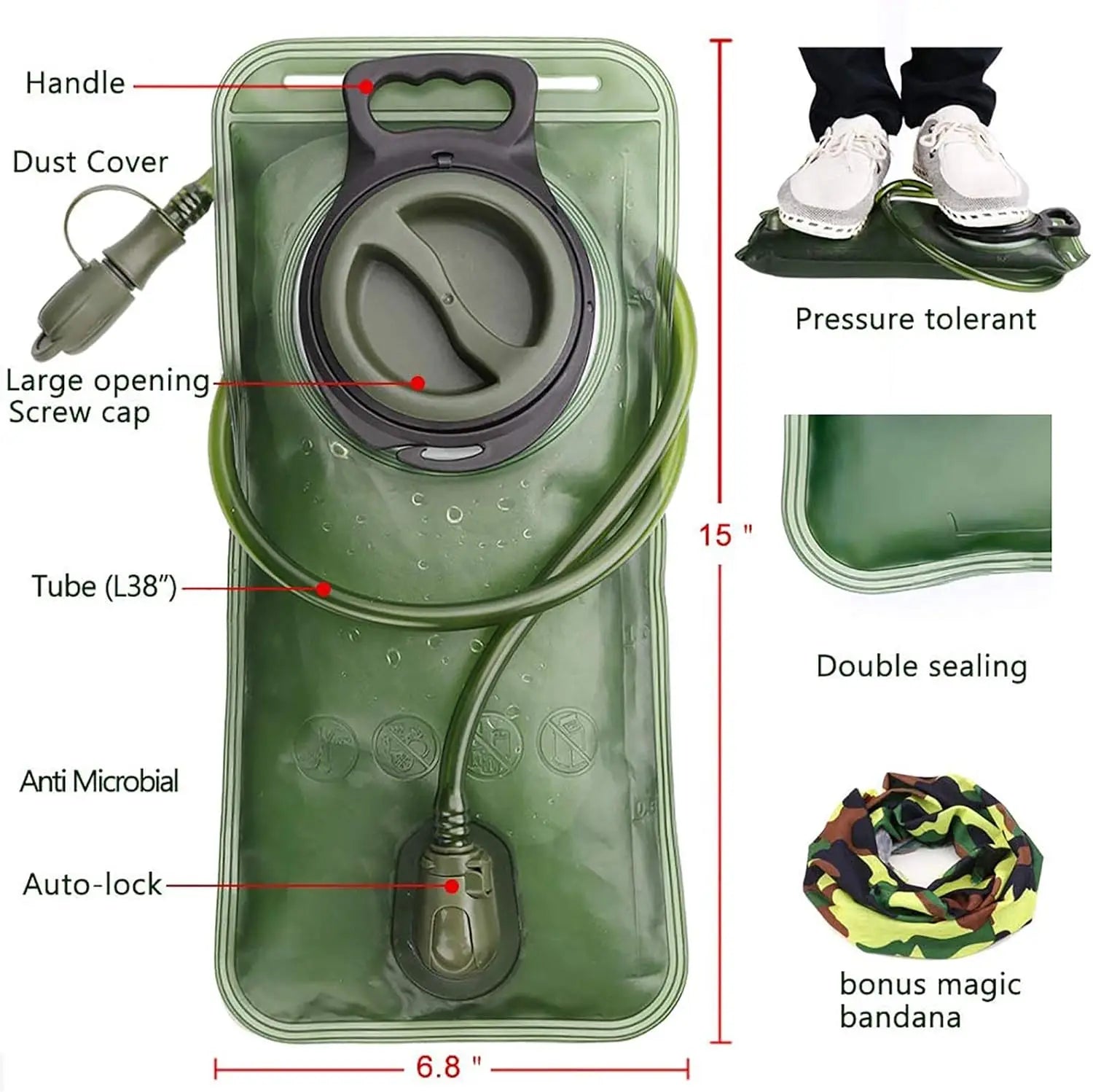
The most practical models share a few important features:
- Wide openings for easier cleaning
- Leak-resistant bite valves
- BPA-free materials that reduce plastic taste
- Flexible tubing that resists kinks
- Secure seals for rough movement
- Fast-drying interiors
Why BPA-Free Reservoirs Feel Better on Long Hikes
Many outdoor users notice improved taste immediately after switching to a BPA-free reservoir. Water stays fresher longer, especially in warm weather.
This matters during all-day hikes when repeated exposure to heat can intensify unpleasant plastic flavors.
Pairing hydration systems with Personal Water Filters also helps maintain cleaner-tasting water during multi-day trips.
Wide Openings Save Time and Frustration
One of the most overlooked features is opening size. Narrow reservoirs become difficult to scrub and dry properly.
Wide-mouth designs make maintaining BPA free water reservoir clean much easier after muddy or dusty adventures.
👉 Learn how to choose the right hiking gear for comfort and hydration.
Explore Collapsible Water Bottles and Running Belts & Packs for lightweight hydration solutions.
How to Solve Common Hydration Bag Problems
Outdoor users often blame hydration bags themselves when the real issue comes from improper cleaning, storage, or setup.
Bad Tasting Water in Reservoirs
Bad tasting water in reservoirs usually develops from trapped moisture, poor drying habits, or long-term storage with sealed caps.
- Rinse reservoirs immediately after use
- Air dry completely before storing
- Use mild baking soda occasionally
- Store reservoirs open in cool spaces
Many hikers also freeze reservoirs overnight before first use to reduce initial plastic taste.
Tube Flow Problems During Hiking
Kinked tubing slows water flow and forces unnecessary stopping. Modern routing clips reduce movement while walking.
Users carrying extra outdoor gear often organize tubing alongside Gear Organizers & Pouches to avoid snagging during rough terrain.
Reservoir Bounce While Moving
Loose reservoirs shift constantly during fast movement.
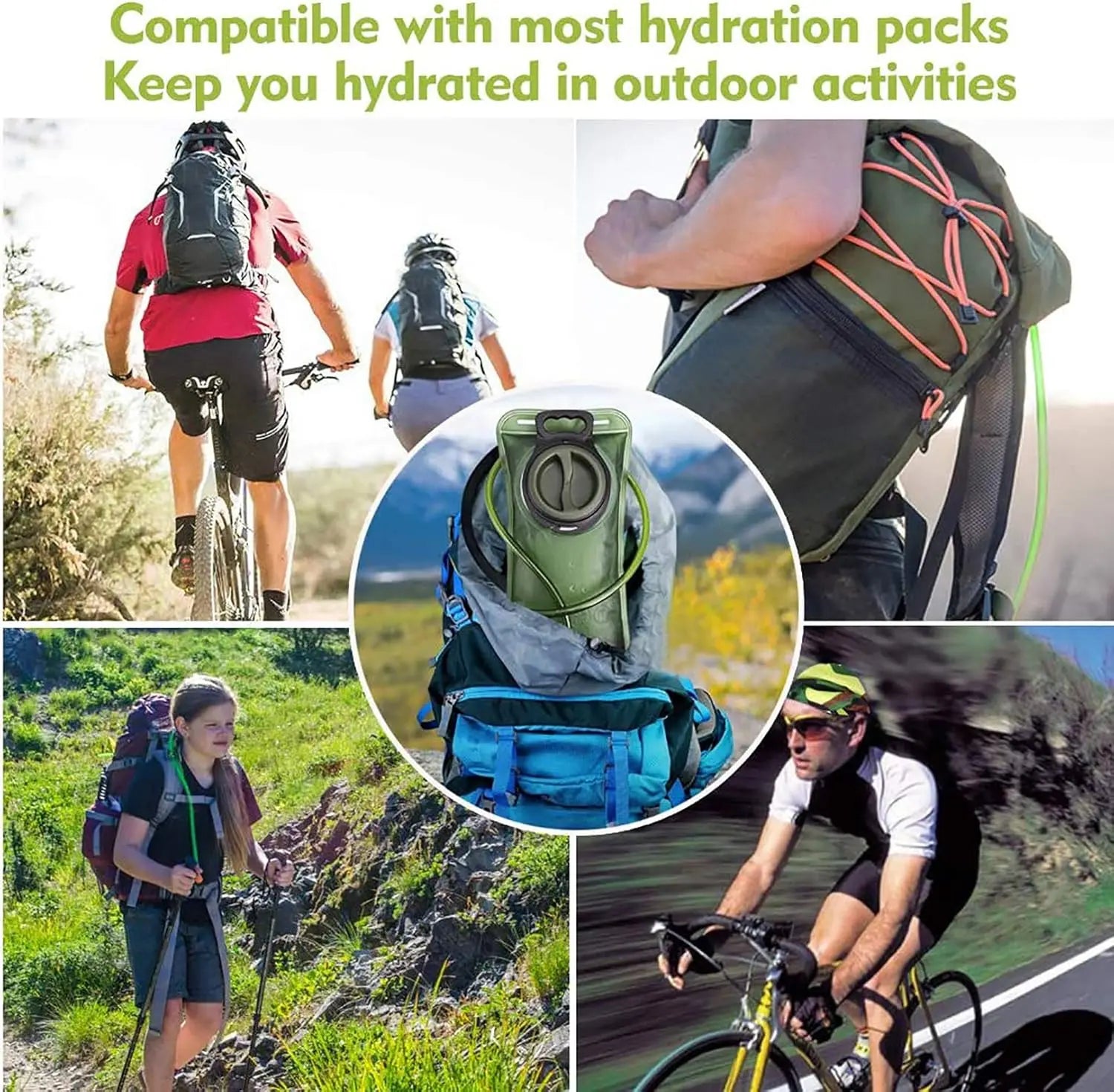
Choosing a hydration sleeve with compression straps helps stabilize weight distribution during trail runs or steep climbs.
💡 See it in action
Hydration Bag Comparison for Different Users
Not every hydration bag works equally well for every lifestyle. Comfort depends heavily on movement style, trip duration, and packing habits.
| User Type | Best Choice | Why It Works |
|---|---|---|
| Casual hikers | 2L lightweight reservoir | Balanced capacity and comfort |
| Trail runners | Low-profile hydration vest | Minimal bounce during movement |
| Travelers | Compact foldable reservoir | Saves luggage space |
| Campers | Large 3L bladder | Extended hydration availability |
Campers often combine hydration systems with Camping Storage & Boxes for cleaner organization at campsites.
Daily Commuters Need Lightweight Flexibility
Cyclists and commuters benefit from slim hydration systems that fit comfortably under jackets or inside compact packs.
Heavy reservoirs become uncomfortable quickly during city movement.
Weekend Campers Prioritize Capacity
Long campground setups often require larger water storage solutions.
Some outdoor families combine hydration packs with Food Storage Bags & Containers to simplify meal prep and campsite organization.
How Maintaining BPA Free Water Reservoir Clean Extends Lifespan
One of the biggest reasons hydration systems fail early is improper storage after trips.
Maintaining BPA free water reservoir clean helps prevent odor buildup, mold growth, and valve damage.
Simple Cleaning Checklist
- Drain completely after every use
- Wash tubing weekly during frequent use
- Avoid sugary sports drinks when possible
- Dry upside down with cap open
- Inspect bite valves regularly
Outdoor travelers frequently pair hydration care supplies with Outdoor Cookware and Camping & Picnic gear for easier campsite maintenance.
Storage Mistakes That Cause Odors
Many users seal reservoirs while still damp. That creates trapped moisture and unpleasant smells within days.
Keeping the reservoir open between trips dramatically improves freshness.
Tips for Using Hydration Packs Hiking More Comfortably
The best tips for using hydration packs hiking focus on balance, accessibility, and reducing fatigue.
- Keep heavier gear close to your back
- Fill reservoirs fully to reduce sloshing
- Route tubing over dominant shoulder
- Adjust chest straps before long climbs
- Refill early instead of waiting until empty
Hikers carrying overnight gear often combine hydration systems with Compression & Packing Bags to save internal backpack space.
Cold Weather Hydration Tips
Hydration tubes may freeze in low temperatures.
Experienced hikers blow water back into the reservoir after sipping to reduce freezing inside exposed tubing.
Warm Weather Hydration Tips
During summer hikes, insulated reservoirs maintain cooler temperatures longer.
Some users freeze part of the reservoir overnight for gradual cooling throughout the day.
👉 Get yours now before your next trip!
Upgrade your outdoor setup with the 2L Hydration Bladder for smoother hikes, cleaner hydration, and leak-resistant performance.
How to Stop Backpack Water Leaking While Hiking
Backpack water leaking while hiking can damage electronics, sleeping gear, and clothing in minutes.
Fortunately, most leaks are preventable.
Most Common Leak Sources
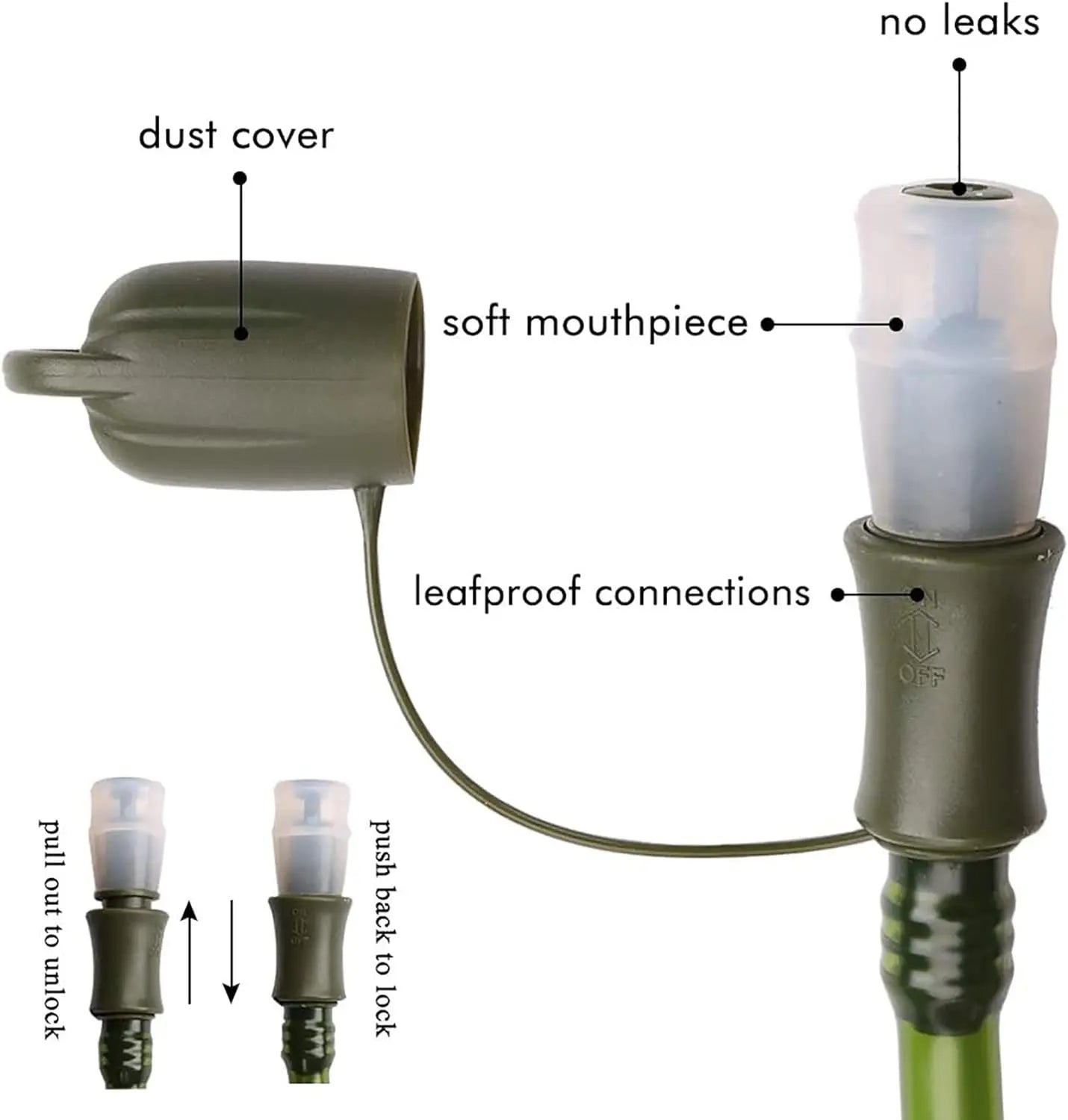
- Loose caps
- Cracked bite valves
- Poor tubing connections
- Sharp objects inside packs
- Overfilled reservoirs
Using protective sleeves and organizing sharp equipment separately helps reduce puncture risk.
Many hikers store tools inside Hooks, Clips & Carabiners or protective organizers for safer packing.
How Smart Packing Prevents Damage
Hydration systems should sit inside dedicated compartments whenever possible.
Separating reservoirs from electronics and clothing minimizes disaster if leaks occur unexpectedly.
Travelers heading into wet conditions often combine hydration systems with Waterproof & Dry Bags for extra protection.
💡 See it in action
Real Outdoor User Experiences
Outdoor users often discover that small hydration improvements create major comfort upgrades during longer adventures.
"I used to stop constantly for water breaks. After switching to a lightweight hydration bladder, my hikes felt smoother and less exhausting."
"The wide opening changed everything. Cleaning became faster, and I finally stopped dealing with bad tasting water in reservoirs."
"My old reservoir leaked during a weekend camping trip and soaked my jacket. Since reorganizing with dedicated gear storage, I haven't had another issue."
Many experienced hikers also build complete comfort systems using Headlamps & Wearable Lights, First Aid Kits, and Car Camping Accessories.
Final Thoughts
The right hydration setup depends less on brand popularity and more on how you actually spend time outdoors.
Some users prioritize lightweight mobility, while others need larger capacity for camping, travel, or long-distance hiking.
A thoughtful hydration bag review helps identify which features genuinely improve comfort, prevent leaks, and reduce maintenance headaches.
Whether you're solving backpack water leaking while hiking, fighting bad tasting water in reservoirs, or improving hiking comfort, the right hydration system can completely change your outdoor experience.
Reliable hydration makes every trail feel easier, every campsite more organized, and every adventure more enjoyable.
FAQ
What size hydration reservoir is best for day hikes?
A 2-liter reservoir works well for most day hikes because it balances weight, hydration capacity, and comfort without adding excessive bulk.
How do you remove bad tasting water in reservoirs?
Clean the reservoir thoroughly with warm water and baking soda, dry it completely after use, and avoid storing it sealed while damp.
Why does my hydration backpack leak while hiking?
Leaks often come from loose caps, worn bite valves, tubing damage, or punctures caused by improperly packed gear.
How often should you clean a BPA-free hydration bladder?
Frequent users should rinse after every outing and deep clean weekly to prevent odors, bacteria buildup, and long-term staining.
Are hydration bags better than water bottles for hiking?
Hydration bags provide hands-free drinking and encourage more consistent hydration during movement, especially on longer hikes and trail runs.
Pillar Article: Clear Hydration Backpacks: How To Choose For Your Activity Needs
Other Related Articles:
Explore More:





