

Best Hydration Pack Skiing: Which Packs Perform Best?
What Is the Best Hydration Pack Skiing Option for Cold Weather?
The best hydration pack skiing setup combines insulated tubing, a leak proof hydration reservoir for backpacks, and a slim profile that stays stable during aggressive downhill movement. Skiers benefit most from lightweight packs with freeze-resistant bite valves, easy-access storage, and comfortable straps that reduce shoulder fatigue on long mountain days.
Best Hydration Pack Skiing: Which Packs Perform Best?
⏱ 9 min read
Cold hands, frozen tubes, and awkward backpacks can ruin a perfect ski day fast. Finding the best hydration pack skiing setup is about more than carrying water. You need comfort, insulation, leak protection, and smart storage that works in freezing weather. Whether you spend weekends at ski resorts or plan backcountry adventures, choosing the right hydration system makes every run smoother and more enjoyable.
What gear actually makes skiing easier when temperatures drop below freezing? Surprisingly, a well-designed hydration pack can improve endurance, reduce fatigue, and help you stay focused through longer sessions on the mountain.
👉 Discover must-have outdoor hydration gear before your next ski trip.
Hydration & Food and Backpacking & Carry collections include practical cold-weather essentials for winter adventures.
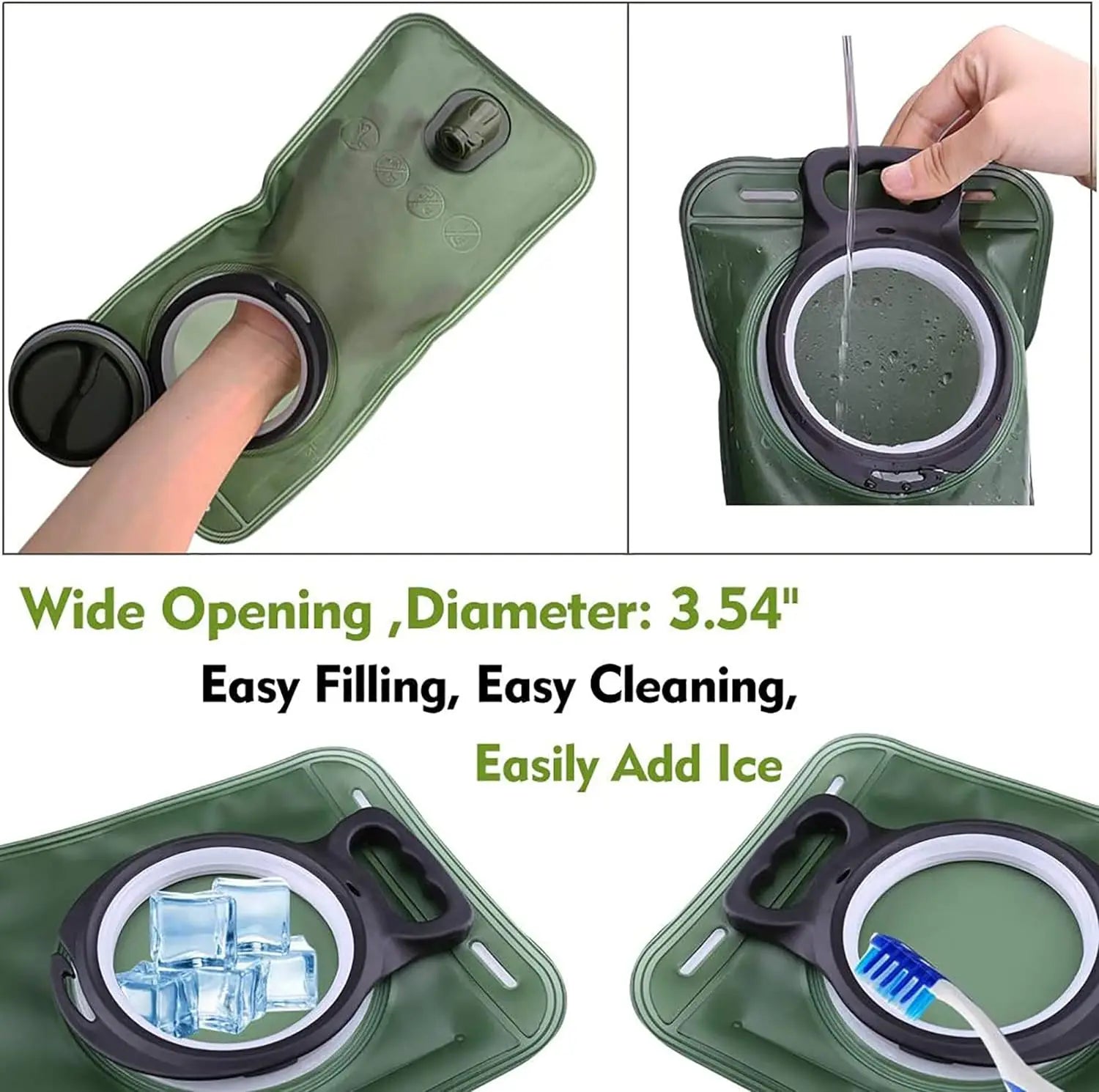
💡 See it in action
Why Proper Hydration Makes Skiing Easier
Many skiers underestimate dehydration during winter sports. Cold temperatures reduce thirst signals, but your body still loses moisture rapidly through breathing and physical effort.
Hydration packs allow quick sipping without stopping. That means fewer breaks, more energy, and better focus during technical descents.
- Improves endurance on long runs
- Helps reduce muscle fatigue
- Supports better reaction time
- Makes backcountry touring more comfortable
- Encourages consistent water intake
Several experienced skiers reported that insulated hydration systems helped them stay active longer compared to traditional bottles tucked inside jackets.
Top Features That Separate Great Ski Hydration Packs
The best hydration pack skiing models prioritize insulation, stability, and easy access. A pack that performs well on hiking trails may struggle on icy slopes without winter-specific features.
Insulated Tubes Prevent Freezing
One of the most common complaints involves frozen bite valves. Ski-focused hydration packs often include insulated sleeves or thermal routing inside shoulder straps.
For added winter protection, many skiers combine hydration systems with gear from the Wind & Cold Protection collection.
Leak Proof Hydration Reservoir for Backpacks
A leak inside your ski layers is miserable in freezing conditions. Look for secure locking caps, reinforced seams, and durable bladder materials.
A high-quality 2L Hydration Bladder offers dependable sealing and streamlined storage for ski backpacks and day touring packs.
Compact Fit for Chairlifts and Movement
Bulky backpacks shift while carving and feel awkward on lifts. Slim hydration packs sit close to the body and distribute weight evenly.
Easy Storage for Winter Essentials
Good ski hydration packs also provide room for:
- Gloves and goggles
- Energy snacks
- Small first aid kits
- Portable chargers
- Emergency layers
Many skiers pair their hydration setups with accessories from Portable Power Banks and Gloves & Protective Gear for all-day comfort.
Hydration Pack Comparison Table
| Pack Type | Best For | Advantages | Potential Drawbacks |
|---|---|---|---|
| Insulated Ski Pack | Resort skiing | Freeze-resistant tube systems | Higher price point |
| Minimalist Running Pack | Short ski sessions | Ultra lightweight | Limited storage |
| Backcountry Touring Pack | Long-distance touring | Extra gear space | Bulkier fit |
| Vest-Style Hydration Pack | Fast-moving skiers | Excellent stability | Less insulation |
When comparing options, many buyers also look at hydration system comparison for backpacking trips since ski touring often overlaps with alpine hiking and winter trekking.
How to Prevent Frozen Tubes and Mold Buildup
Hydration pack tube mold buildup becomes more common when moisture stays trapped after winter trips. Cleaning and drying properly can extend the life of your gear significantly.
Simple Cleaning Routine After Every Ski Day
- Empty remaining water immediately
- Rinse with warm water
- Use mild soap occasionally
- Hang reservoir upside down to dry
- Store tube disconnected when possible
Tips to Prevent Tube Freezing
- Blow water back into the reservoir after sipping
- Use insulated tube sleeves
- Wear the hose under outer layers
- Fill bladder with slightly warm water before skiing
Some outdoor travelers store cleaning accessories inside organizers from the Gear Organizers & Pouches collection for easier maintenance during multi-day adventures.
👉 Learn how to choose the right hydration setup for winter hiking, ski touring, and mountain travel.
Explore lightweight carrying solutions in the Lightweight Daypacks and Running Belts & Packs collections.
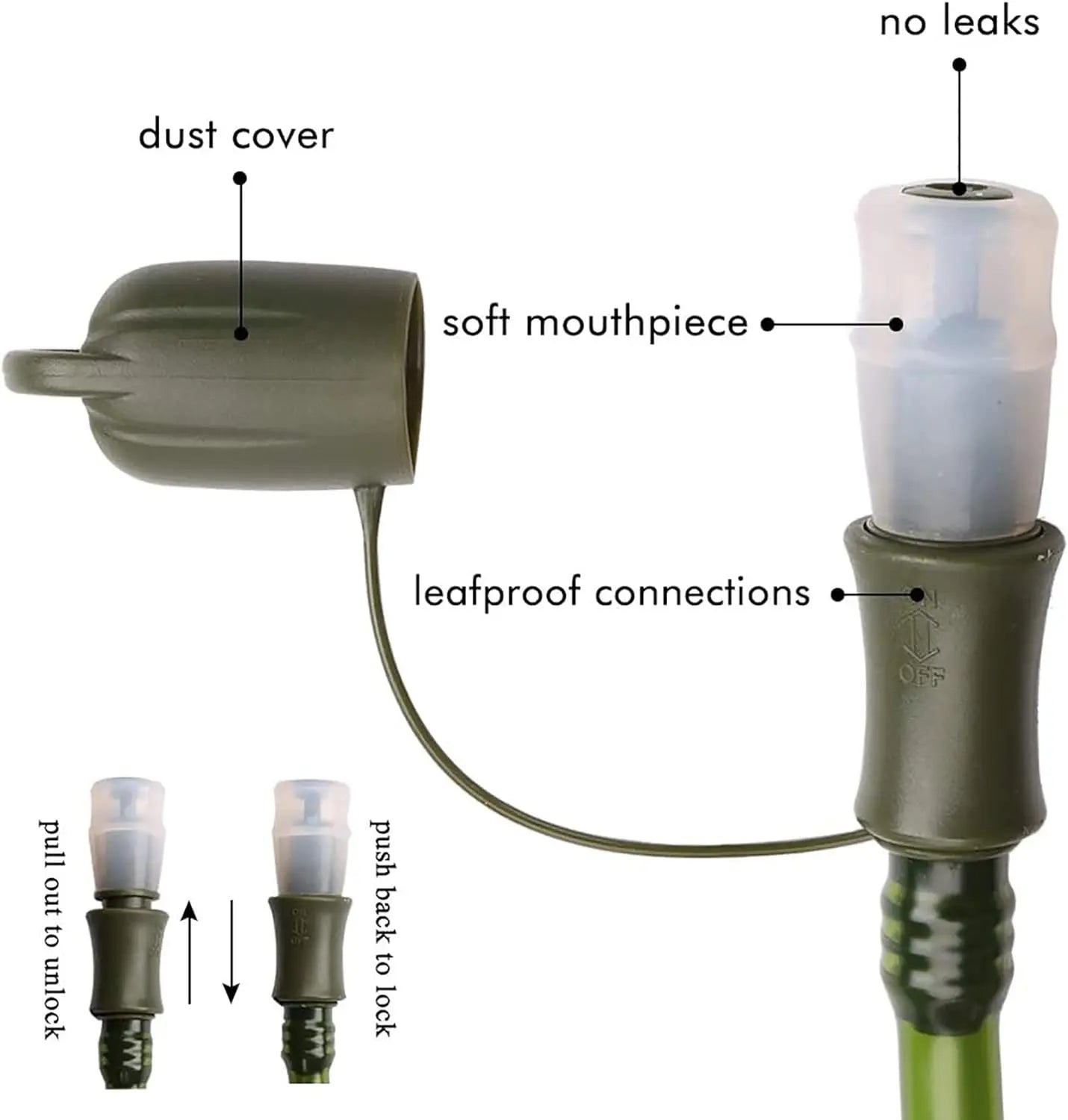
💡 See it in action
Which Hydration Pack Type Fits Your Ski Style?
Different skiing styles require different hydration setups. Choosing the wrong pack can create unnecessary discomfort or limit mobility.
Best for Resort Skiing
Compact insulated packs with 1.5L to 2L capacity work best for lift-access terrain. They stay lightweight while providing enough hydration for a full day.
Best for Backcountry Touring
Long-distance ski touring requires larger reservoirs, avalanche gear storage, and durable weather-resistant materials.
Touring skiers often combine hydration systems with equipment from Weather Protection & Environment and Safety, Survival & Emergency.
Best for Fast and Aggressive Skiers
Vest-style hydration packs minimize bouncing during aggressive movement. Their snug fit improves balance while carving at higher speeds.
Real-World Performance on the Slopes
Real-world testing often reveals more than specifications alone. Skiers consistently mention three factors that matter most:
- Tube reliability in freezing weather
- Comfort during chairlift rides
- How stable the pack feels at speed
One experienced Colorado skier shared that switching to an insulated hydration system reduced freezing problems completely during sub-20°F mornings.
Another backcountry rider noted that slim-profile packs improved mobility while carrying avalanche safety tools and snacks.
The most reliable systems usually include:
- Wide-mouth reservoirs for easier filling
- Strong leak-proof seals
- Quick-adjust chest straps
- Insulated routing systems
- Flexible cold-weather materials
The 2L Hydration Bladder remains a popular option for outdoor travelers looking for dependable cold-weather hydration without excessive bulk.
Tips for Using Hydration Packs Hiking and Ski Touring
Many skiers use the same hydration system year-round. That makes versatility important when evaluating pack performance.
Pack Smart for Multi-Season Adventures
Choose hydration systems that transition easily from skiing to hiking, trail running, and backpacking.
Useful add-ons include:
Balance Weight Carefully
Overloaded hydration packs strain shoulders and reduce agility. Carry only essential items during ski sessions.
Prioritize Easy Access
Quick-access snack pockets and glove-friendly zippers improve convenience in cold weather.
| Feature | Why It Helps Skiers |
|---|---|
| Insulated hose | Prevents freezing during cold rides |
| Slim fit design | Improves balance and mobility |
| Leak proof reservoir | Keeps layers dry and warm |
| Lightweight storage | Reduces fatigue on long sessions |
Quick Buying Checklist Before Your Next Trip
Before choosing your next hydration system, check for these essentials:
- Insulated tube system
- Secure leak-proof reservoir
- Comfortable chest and waist straps
- Enough storage for winter essentials
- Compatibility with ski jackets
- Easy cleaning design to prevent hydration pack tube mold buildup
Skiers planning overnight adventures may also benefit from products in the Camping & Picnic and Car Camping Accessories collections.
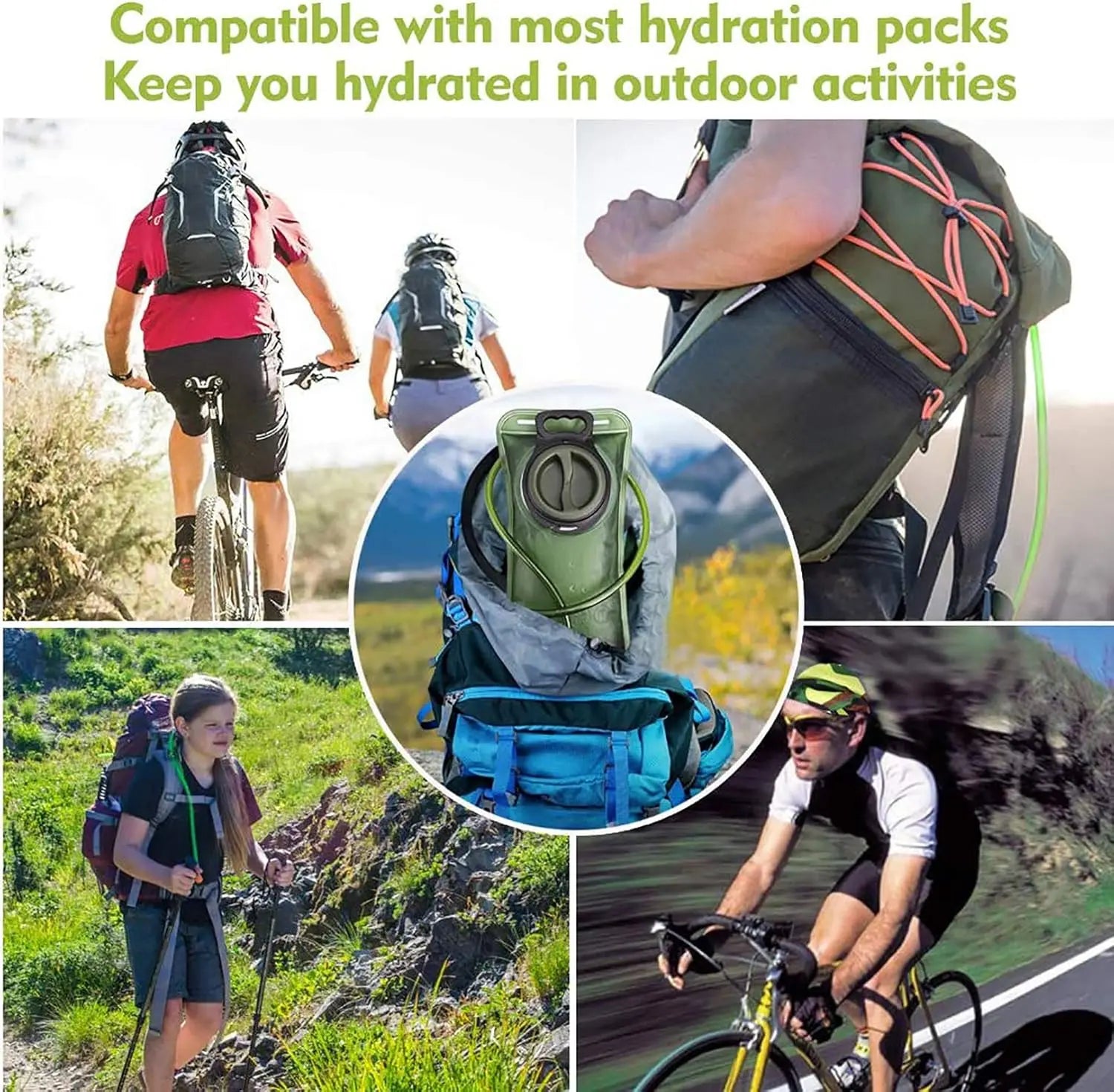
💡 See it in action
Why the Right Hydration Pack Improves Every Ski Day
The best hydration pack skiing setup keeps water accessible, prevents freezing issues, and stays comfortable through long mountain sessions. The difference between average and excellent hydration systems often comes down to insulation, fit, and reservoir reliability.
Whether you ski groomed resort runs or tackle backcountry trails, investing in dependable hydration gear can improve comfort, energy, and confidence in winter conditions.
👉 Get yours now before your next trip!
Upgrade your setup with the reliable 2L Hydration Bladder and explore more outdoor essentials in the Sports & Active Lifestyle collection.
FAQ
What size hydration pack is best for skiing?
Most resort skiers prefer 1.5L to 2L hydration packs because they balance water capacity with lightweight comfort. Backcountry skiers may choose larger systems for extended touring days.
How do you stop hydration tubes from freezing while skiing?
Use insulated sleeves, blow water back into the reservoir after drinking, and keep tubing close to your body under outer layers whenever possible.
Can hydration pack tube mold buildup be prevented?
Yes. Empty and dry the reservoir after every use, disconnect tubing during storage, and clean regularly with warm water and mild soap.
Are hydration systems better than water bottles for skiing?
Hydration systems allow hands-free drinking while moving, making them more convenient for many skiers compared to traditional bottles stored in jackets or backpacks.
What makes a leak proof hydration reservoir for backpacks reliable?
Strong seals, reinforced seams, locking caps, and cold-resistant materials help prevent leaks and improve durability during winter sports activities.
Pillar Article: Hydration Pack Reviews: Best Hydration Packs Compared 2026
Other Related Articles:
- Best Hydration Backpack Hiking: Top 10 Compared Side By Side
- Hydration Backpack 3 Liter: Which 3L Packs Are Worth It?
- Hydration Backpack Reviews: Top Picks & Real Comparisons 2026
- Best Hydration Backpack Mtb: 7 Models Compared For Trails
Explore More:





