

Water Bladder Bpa Free: Which Models Are Truly Safe & Trusted
Water Bladder Bpa Free: Which Models Are Truly Safe & Trusted
Question: Which water bladder BPA free models are actually safe for hiking and camping?
Water bladder BPA free systems made from food-grade TPU or PEVA materials are generally the safest choice for hikers and campers. The best models resist leaks, prevent plastic aftertaste, and stay easy to clean during long trips. Trusted hydration reservoirs also use antimicrobial linings, wide openings, and durable bite valves for cleaner water and better long-term reliability.
⏱ 8 min read
Nothing ruins a hike faster than warm plastic-tasting water, leaking reservoirs, or a hydration bladder that becomes impossible to clean after one camping trip. If you’ve ever dealt with bad tasting water in reservoirs or questioned whether your hydration gear is truly safe, you’re not alone. Today’s outdoor users want lightweight performance without sacrificing health, durability, or clean drinking water. This guide compares trusted options, explains how to avoid hidden material problems, and shows what actually matters when choosing a water bladder BPA free system for hiking, camping, travel, and long outdoor adventures.
Planning your next outdoor trip? Explore reliable hydration setups and outdoor essentials designed for hiking, camping, and travel comfort.
💡 See it in action
What Makes a Water Bladder BPA Free and Truly Safe?
A water bladder BPA free system should use food-grade materials that resist chemical leaching, odor buildup, and bacterial growth. High-quality hydration reservoirs typically use TPU or PEVA instead of cheaper PVC plastics. Trusted models also include leak-resistant seals, smooth interior surfaces, and wide openings that make cleaning easier after hiking or camping trips.
Many outdoor buyers assume every hydration reservoir labeled “BPA free” is automatically safe. That’s not always true.
Some lower-cost reservoirs remove BPA but still use materials that create strong odors or affect water taste after heat exposure. Others become difficult to sanitize after repeated use.
Features That Matter Most
- Food-grade TPU construction
- Taste-free interior lining
- Wide-mouth opening for cleaning
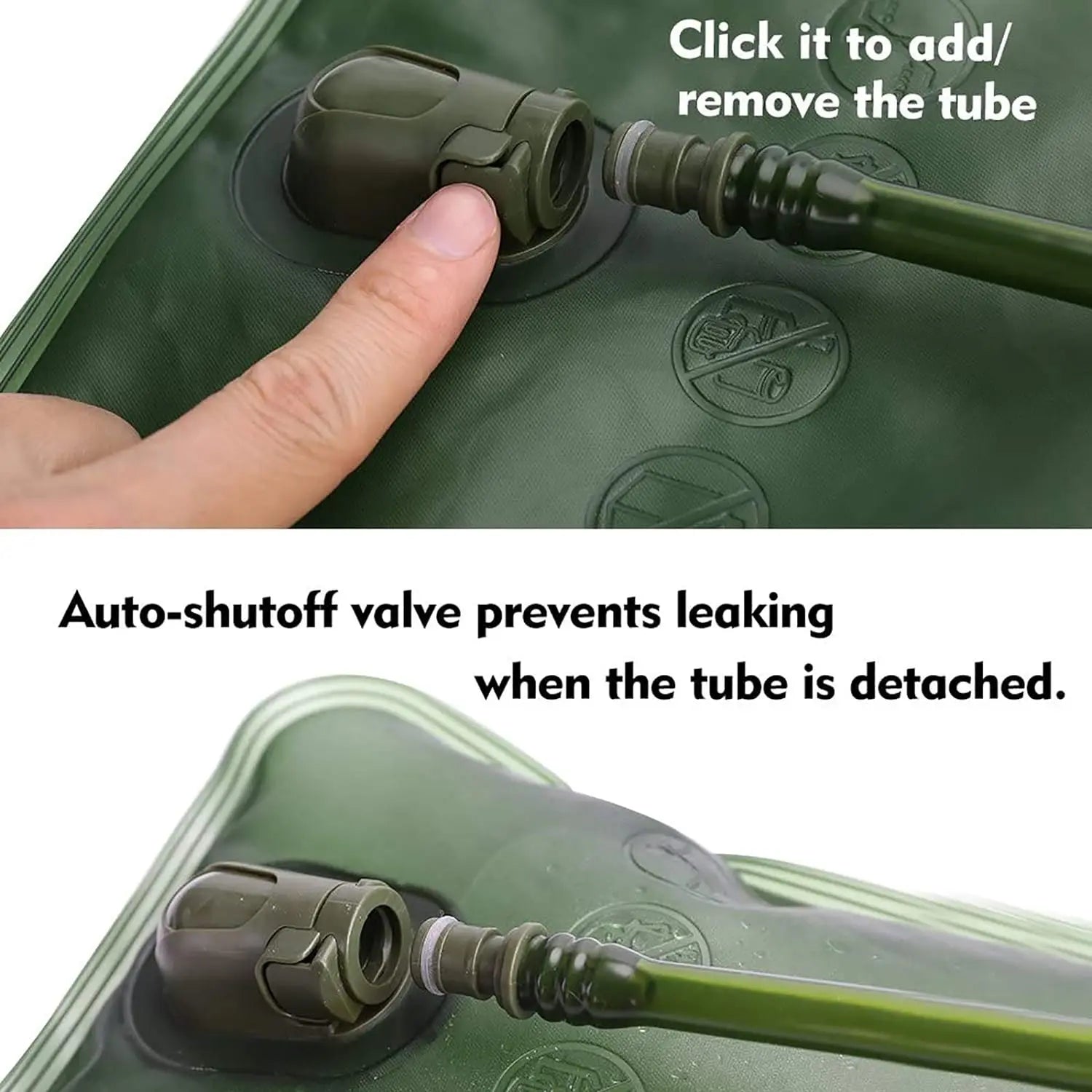
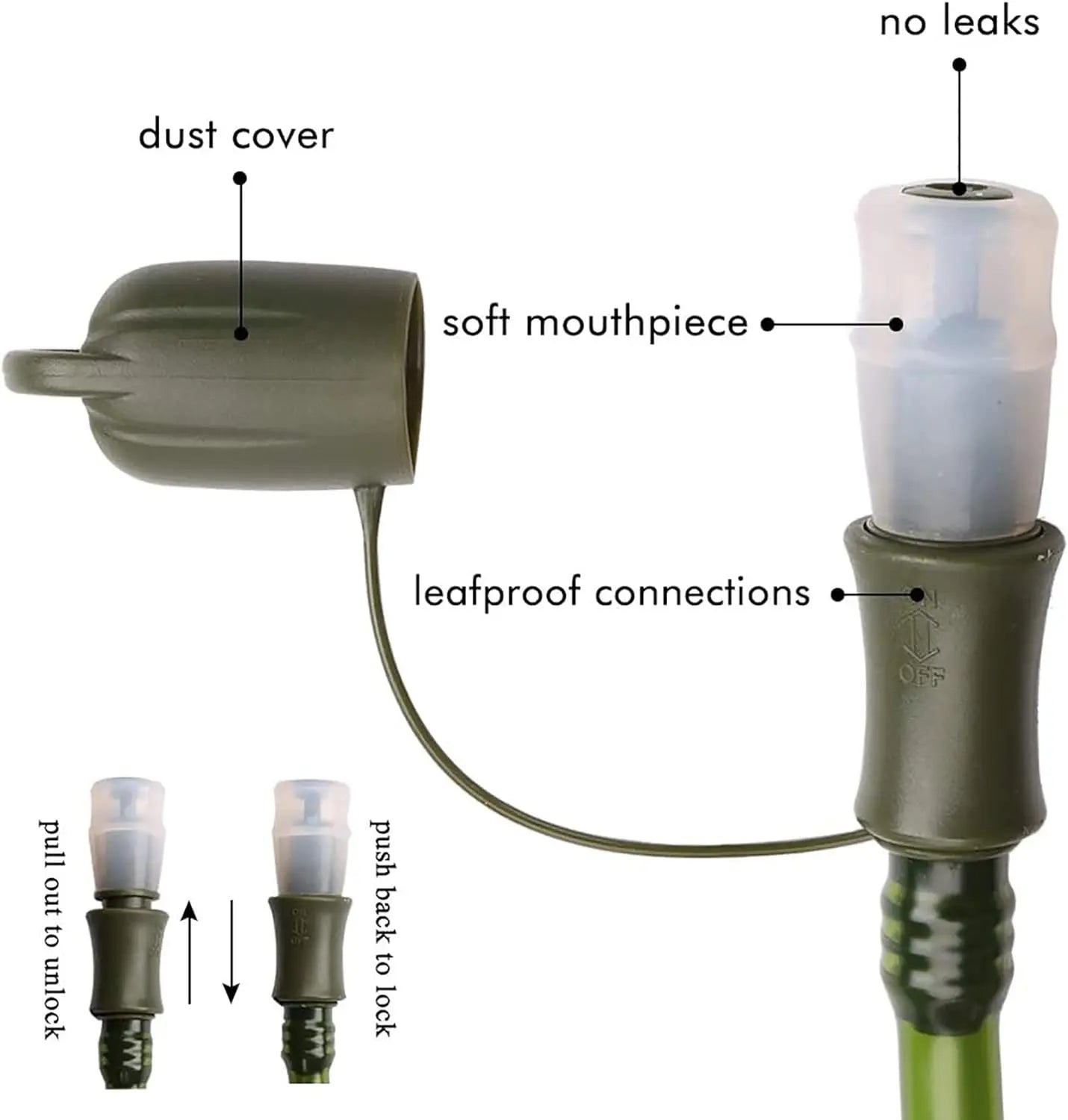
- Leakproof quick-connect tubing
- Reinforced seams for durability
- Antimicrobial protection
- Cold-resistant flexibility
| Feature | Cheap Reservoirs | Trusted BPA Free Models |
|---|---|---|
| Material Quality | Thin plastic blends | Food-grade TPU or PEVA |
| Water Taste | Plastic aftertaste | Neutral clean taste |
| Cleaning Access | Narrow opening | Wide-mouth design |
| Leak Resistance | Weak seams | Reinforced welds |
| Durability | Short lifespan | Multi-season performance |
What gear actually makes camping easier? Reliable hydration systems are near the top of the list because they reduce stops, simplify packing, and help maintain energy on long hikes.
Pairing a hydration bladder with organized outdoor storage also helps protect gear from punctures and contamination. Many campers combine hydration systems with Waterproof & Dry Bags and Gear Organizers & Pouches to keep supplies clean and accessible.
Top BPA Free Hydration Reservoirs 2026 Compared
A trusted BPA free hydration bladder for camping should balance safety, durability, easy cleaning, and long-term taste control. The best hydration reservoirs in 2026 are designed to resist leaks, reduce bacterial buildup, and maintain neutral water flavor during demanding outdoor use.
Outdoor users increasingly prioritize reservoirs that remain reliable after months of trail exposure, temperature swings, and repeated cleaning cycles.
Comparison of Popular Hydration Bladder Features
| Model Type | Best For | Main Advantage | Potential Drawback |
|---|---|---|---|
| Wide-Mouth TPU Bladder | Camping | Easy cleaning | Slightly heavier |
| Ultralight Hiking Reservoir | Fast hikes | Low pack weight | Less insulation |
| Insulated Hydration System | Hot climates | Cooler water longer | Higher cost |
| Heavy-Duty Adventure Reservoir | Multi-day trips | Extreme durability | Bulkier size |
Why the Right Reservoir Changes Outdoor Comfort
Long-distance hikers often report that upgrading from budget reservoirs dramatically improves hydration habits. Cleaner tasting water encourages more frequent drinking, especially during hot-weather treks.
Many campers also prefer hydration systems that integrate smoothly with Lightweight Daypacks and Running Belts & Packs for easier movement on trails.
Want a safer hydration setup before your next adventure?
👉 Compare lightweight outdoor hydration gear and durable camping solutions designed for cleaner drinking water.
Pros and Cons of BPA Free Hydration Systems
| Pros | Cons |
|---|---|
| Safer food-grade materials | Premium models cost more |
| Cleaner tasting water | Require regular cleaning |
| Lightweight and compact | Can freeze in winter conditions |
| Hands-free hydration | Tubing needs maintenance |
💡 See it in action
How to Avoid Bad Tasting Water in Reservoirs
Bad tasting water in reservoirs is one of the biggest complaints among hikers and campers. Fortunately, most taste issues come from preventable mistakes.
Common Causes of Plastic-Tasting Water
- Using low-quality reservoir materials
- Leaving water inside for multiple days
- Drying reservoirs improperly
- Exposing bladders to high heat
- Storing sugary drinks inside tubing
High-end reservoirs use smoother interior materials that resist flavor absorption better than cheaper plastic blends.
Campers traveling in hot environments often combine hydration systems with Personal Water Filters to improve water quality while reducing taste contamination from natural sources.
Simple Fixes That Improve Water Taste Fast
- Rinse after every trip
- Dry tubing completely before storage
- Use baking soda cleaning cycles monthly
- Freeze the bladder between uses to slow bacteria growth
- Avoid storing sports drinks overnight
Many experienced hikers also carry backup hydration options from Collapsible Water Bottles for easier cleaning during extended trips.
Maintaining BPA Free Water Reservoir Clean on Long Trips
Maintaining BPA free water reservoir clean during camping trips is essential for both health and comfort. Even premium hydration systems develop odor and bacteria buildup without proper care.
The easiest way to maintain cleanliness is to create a quick post-hike routine.
Best Cleaning Routine for Outdoor Users
- Empty remaining water immediately after use
- Rinse with warm water
- Use mild soap or baking soda weekly
- Hang dry completely with opening expanded
- Clean tubing using a small brush
Outdoor travelers storing large amounts of gear during road trips often use Camping Storage & Boxes to separate hydration equipment from dirty clothing and cooking gear.
Storage Habits That Extend Reservoir Life
One common mistake is sealing a damp bladder inside a backpack after a trip. Moisture trapped inside tubing creates odor quickly.
Experienced campers often air-dry reservoirs overnight near other organized camping gear like Outdoor Cookware and Food Storage Bags & Containers.
| Cleaning Habit | Benefit |
|---|---|
| Complete air drying | Prevents mold growth |
| Weekly deep cleaning | Improves water taste |
| Cold storage between trips | Reduces bacteria |
| Separate tubing cleaning | Prevents odor buildup |
Why Campers Prefer BPA Free Hydration Bladders
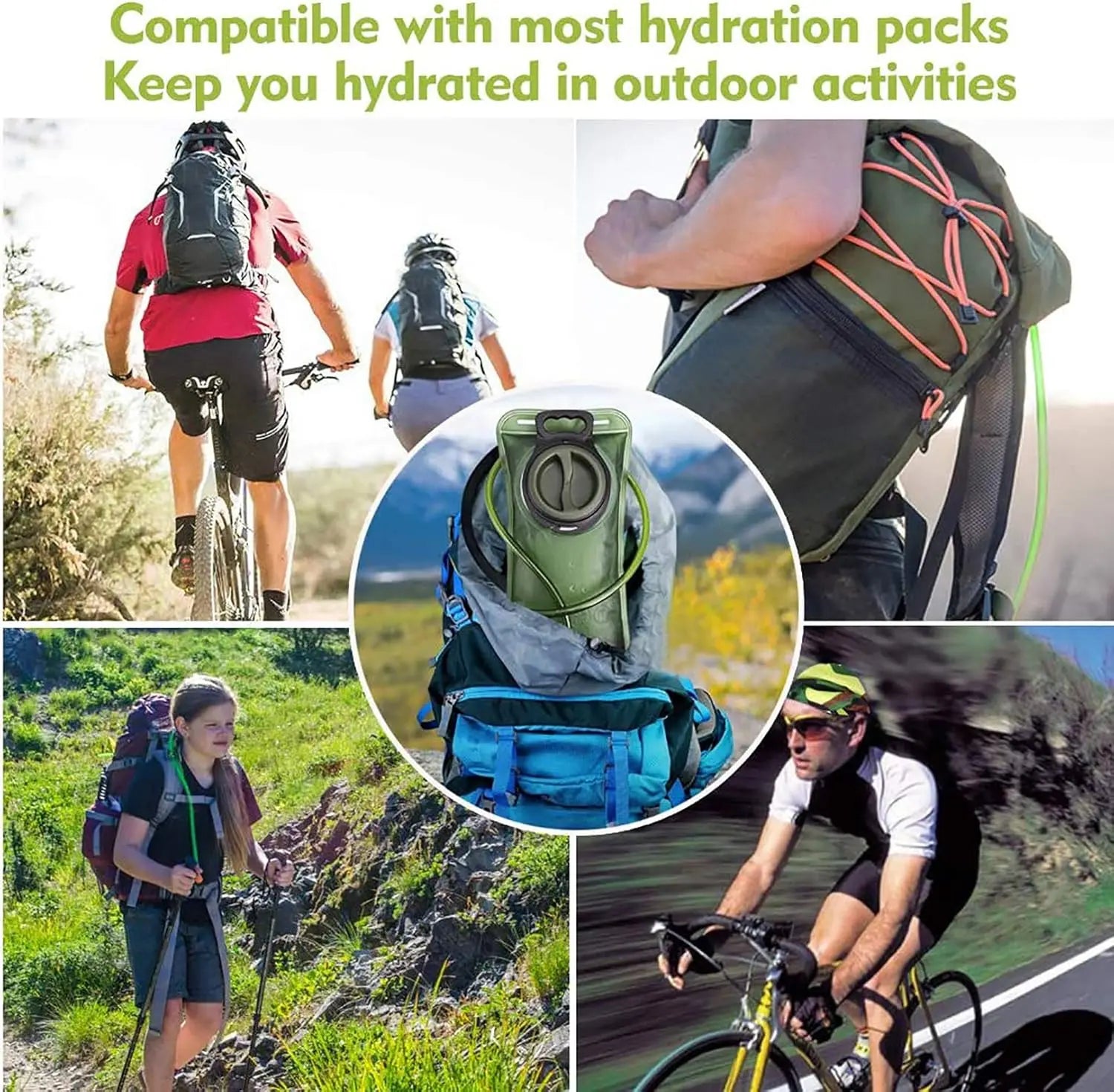
A BPA free hydration bladder for camping provides more than convenience. It improves movement efficiency, reduces disposable bottle waste, and helps maintain hydration consistency during physically demanding activities.
Campers carrying heavy gear appreciate hands-free access to water while hiking, climbing, or setting up campsites.
Where Hydration Bladders Perform Best
- Backpacking trails
- Multi-day hikes
- Car camping trips
- Music festivals
- Trail running adventures
- National park exploration
Many outdoor enthusiasts pair hydration systems with Car Camping Accessories and Camping & Picnic setups for longer weekend trips.
Choosing gear for your next hike?
👉 Discover lightweight hydration systems built for safer drinking water and all-day outdoor comfort before your next trip.
Real Outdoor User Experiences
Outdoor users consistently report that higher-quality hydration systems improve both convenience and water quality.
Weekend Hiker Experience
“I switched from a cheap reservoir to a BPA free TPU bladder and the difference was immediate. No more plastic taste after sitting in the sun all day.”
Car Camper Feedback
“The wide opening changed everything. Cleaning became much easier, especially during multi-day camping trips.”
Trail Runner Perspective
“Leakproof tubing mattered more than I expected. I ruined two backpacks before finally buying a trusted hydration bladder.”
Users traveling through changing weather conditions also combine hydration gear with Rain Ponchos & Capes and Weather Accessories to stay prepared on unpredictable trails.
💡 See it in action
What to Check Before Buying
A hydration reservoir may look similar online, but construction quality varies dramatically between brands.
Smart Buyer Checklist
- Food-grade TPU or PEVA materials
- BPA-free certification
- Wide-mouth cleaning access
- Replaceable bite valve
- Strong seam welding
- Tube disconnect system
- Compatibility with hiking packs
Many outdoor users now prioritize full hydration systems that integrate with organized travel setups like Foldable Travel Gear and Travel, Car & Road Trip accessories.
Conclusion
Choosing the right water bladder BPA free system is about far more than avoiding chemicals. The safest and most trusted hydration reservoirs also deliver cleaner taste, better durability, easier maintenance, and more reliable outdoor performance.
Whether you’re preparing for weekend camping trips, long hiking routes, or full road-trip adventures, investing in a trusted hydration system can dramatically improve comfort and convenience outdoors.
Reliable hydration gear keeps you moving longer, drinking more consistently, and worrying less about leaks, odors, or contaminated water.
FAQ
What is the safest material for a BPA free hydration bladder?
Food-grade TPU is widely considered one of the safest and most durable materials because it resists odors, cracking, and plastic aftertaste better than cheaper alternatives.
How do I stop bad tasting water in reservoirs?
Clean the bladder regularly, dry it fully after use, avoid heat exposure, and never leave sugary drinks sitting overnight inside the reservoir tubing.
How often should I clean a hydration bladder?
Rinse after every use and deep clean weekly during heavy outdoor activity. Proper drying is equally important to prevent odor and bacteria buildup.
Are BPA free hydration bladders worth it for camping?
Yes. Trusted BPA free hydration bladders provide cleaner tasting water, safer materials, hands-free hydration, and better durability for long outdoor trips.
What size hydration bladder is best for hiking?
Most hikers prefer 2L to 3L reservoirs because they balance hydration capacity with manageable pack weight during long-distance outdoor activities.
Pillar Article: Best Water Bladder Backpacking: Real Reviews & Top Picks 2026
Other Related Articles:
Explore More:





