

Hydration Pack Reviews: Best Hydration Packs Compared 2026
Best Hydration Backpack Mtb: 7 Models Compared For Trails
⏱ 9 min read
What Is the Best Hydration Backpack MTB Riders Can Use on Rough Trails?
The best hydration backpack mtb riders choose combines stable weight distribution, a leak-resistant reservoir, fast water flow, and breathable comfort for long rides. Packs with secure chest straps, insulated bladder sleeves, and durable bite valves perform better on rocky descents, hot climbs, and all-day trail sessions.
Hydration pack reviews often focus only on storage size, but experienced riders know trail comfort depends on far more. A poor fit can bounce on descents, cheap hoses kink mid-ride, and backpack water leaking while hiking or biking can ruin gear fast. This guide compares seven leading options for mountain bikers who want better stability, cleaner-tasting water, easier maintenance, and dependable hydration during technical rides.
👉 Discover must-have camping gear for longer outdoor adventures.
Hydration & Food and Backpacking & Carry collections include trail-ready essentials for mountain biking, hiking, and travel.
Why Modern Hydration Packs Matter on Trails
What gear actually makes mountain biking easier during long climbs and technical descents? Many riders discover the answer after switching from bottles to a well-designed hydration pack.
Unlike frame bottles, hydration packs allow continuous sipping without stopping. That matters when navigating roots, downhill sections, or endurance rides lasting several hours.
Riders also report fewer cramps and less fatigue because steady hydration becomes automatic. According to many hydration packs reviews, the biggest improvement is convenience during rough terrain.
- Hands-free hydration while descending
- Better weight balance than overloaded jersey pockets
- Extra storage for tools, snacks, and layers
- Improved endurance during summer rides
- Less interruption on technical singletrack
💡 See it in action
7 Hydration Packs Compared for MTB Trails
The best hydration backpack mtb setups balance storage, comfort, and reliable hydration under rough riding conditions. Lightweight racers may prioritize airflow and low bulk, while endurance riders often prefer larger reservoirs with better organization for tools, snacks, and emergency layers.
1. Minimalist 2L Race Pack
Ideal for short cross-country rides, race-focused packs stay lightweight and close to the body. These designs reduce movement during aggressive riding.
Best for: Fast trail rides under 2 hours.
Pros:
- Very light and breathable
- Minimal bouncing
- Fast drinking access
Cons:
- Limited gear storage
- Less useful for all-day rides
2. All-Day Trail Hydration Backpack
This category remains the most versatile. Riders get room for spare clothing, tools, and food without excessive bulk.
Many outdoor users say this style offers the best balance between comfort and carrying capacity.
Best for: Weekend trail sessions and varied terrain.
3. Enduro-Focused Protective Pack
These heavier packs include reinforced back panels and improved stability for aggressive descents.
Best for: Technical downhill riders.
- Secure fit during jumps
- Durable cycling hydration bladder replacement tube options
- Extra protection for rough terrain
4. Ventilated Summer Riding Pack
Hot-weather riders benefit from suspended mesh panels that improve airflow and reduce sweat buildup.
These packs are especially popular in dry climates where heat management matters as much as water capacity.
5. Long-Distance Adventure Pack
Adventure riders and bikepackers often prioritize larger reservoirs and expandable storage.
Combining hydration storage with Compression & Packing Bags makes overnight trail setups more organized and easier to access.
6. Trail Running Hybrid Pack
Some mountain bikers prefer running-style packs because they wrap tightly around the chest and minimize shifting.
These are popular among riders who alternate between trail running and cycling.
7. Insulated Cold-Water Reservoir Pack
One of the most overlooked factors in hydration pack reviews is water temperature retention.
Insulated packs help keep water cooler longer during summer climbs, especially when paired with products from the Collapsible Water Bottles collection.
Quick Comparison Table
| Pack Type | Best Use | Storage | Comfort Level | Water Capacity |
|---|---|---|---|---|
| Race Pack | XC rides | Low | High | 1.5L–2L |
| Trail Pack | Daily MTB | Medium | Very High | 2L–3L |
| Enduro Pack | Downhill | Medium | High | 2L |
| Adventure Pack | Long rides | High | High | 3L+ |
| Hybrid Running Pack | Mixed sports | Low | Very High | 1.5L–2L |
👉 Learn how to choose the right hiking gear before your next trail ride.
Pair hydration systems with Lightweight Daypacks, Waterproof & Dry Bags, and Outdoor Training Accessories for better organization and comfort.
How Better Fit Improves Trail Comfort
Even expensive packs fail if the fit is wrong. Shoulder pressure, bouncing, and poor weight distribution quickly become exhausting on long climbs.
Well-designed hydration packs use:
- Adjustable chest straps
- Wide hip stabilizers
- Breathable back panels
- Compression systems for reducing movement
Many riders in hydration pack reviews mention that tightening the load correctly improved comfort more than upgrading the reservoir itself.
💡 See it in action
Improving Water Flow Bite Valve Tips
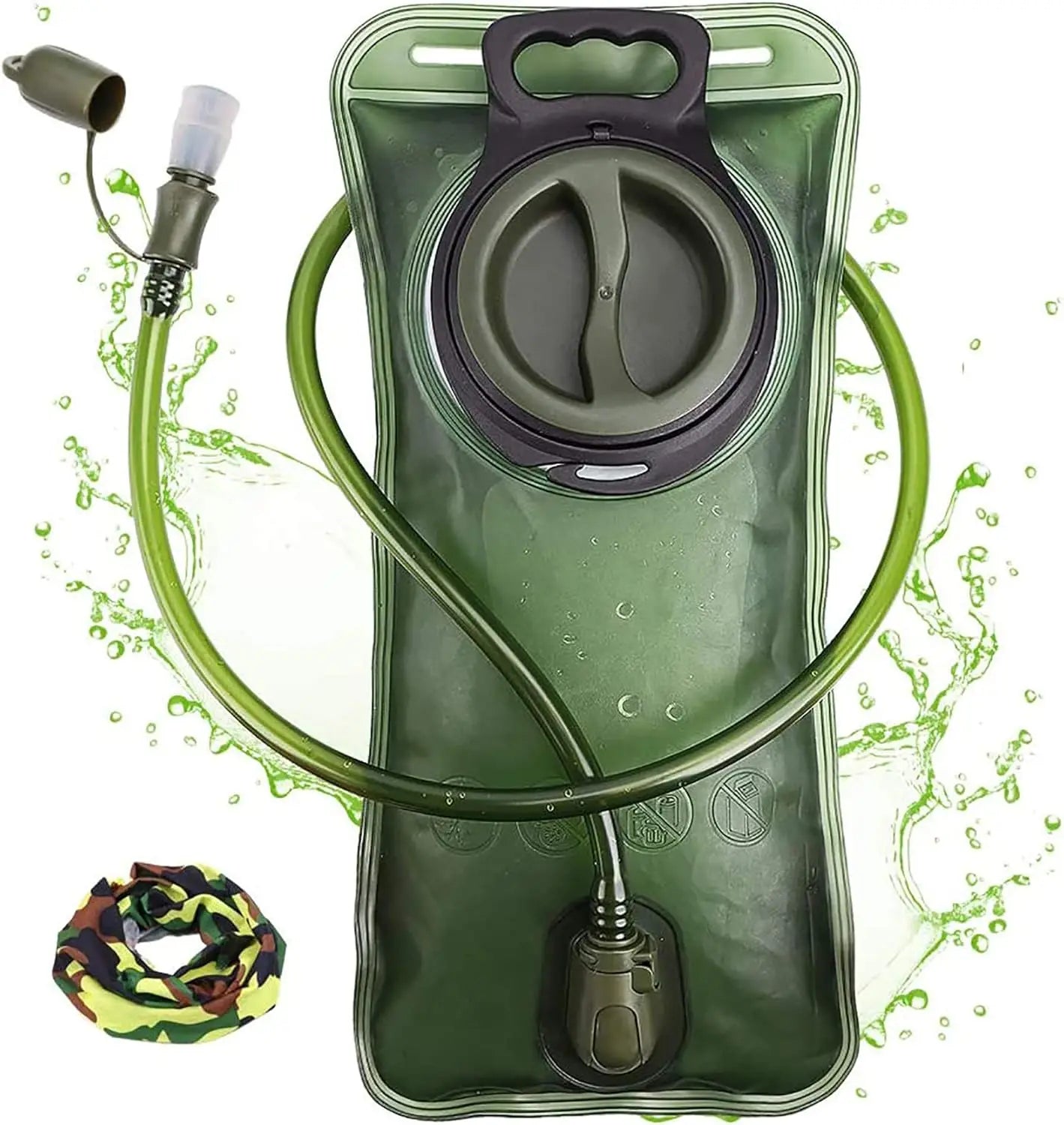
Improving water flow bite valve tips can dramatically change the riding experience. Weak flow forces riders to suck harder, which becomes frustrating during intense climbs.
- Clean the bite valve weekly to remove residue buildup.
- Replace bent hoses that restrict water flow.
- Use insulated tubing to reduce heat expansion.
- Store reservoirs dry to prevent mineral buildup.
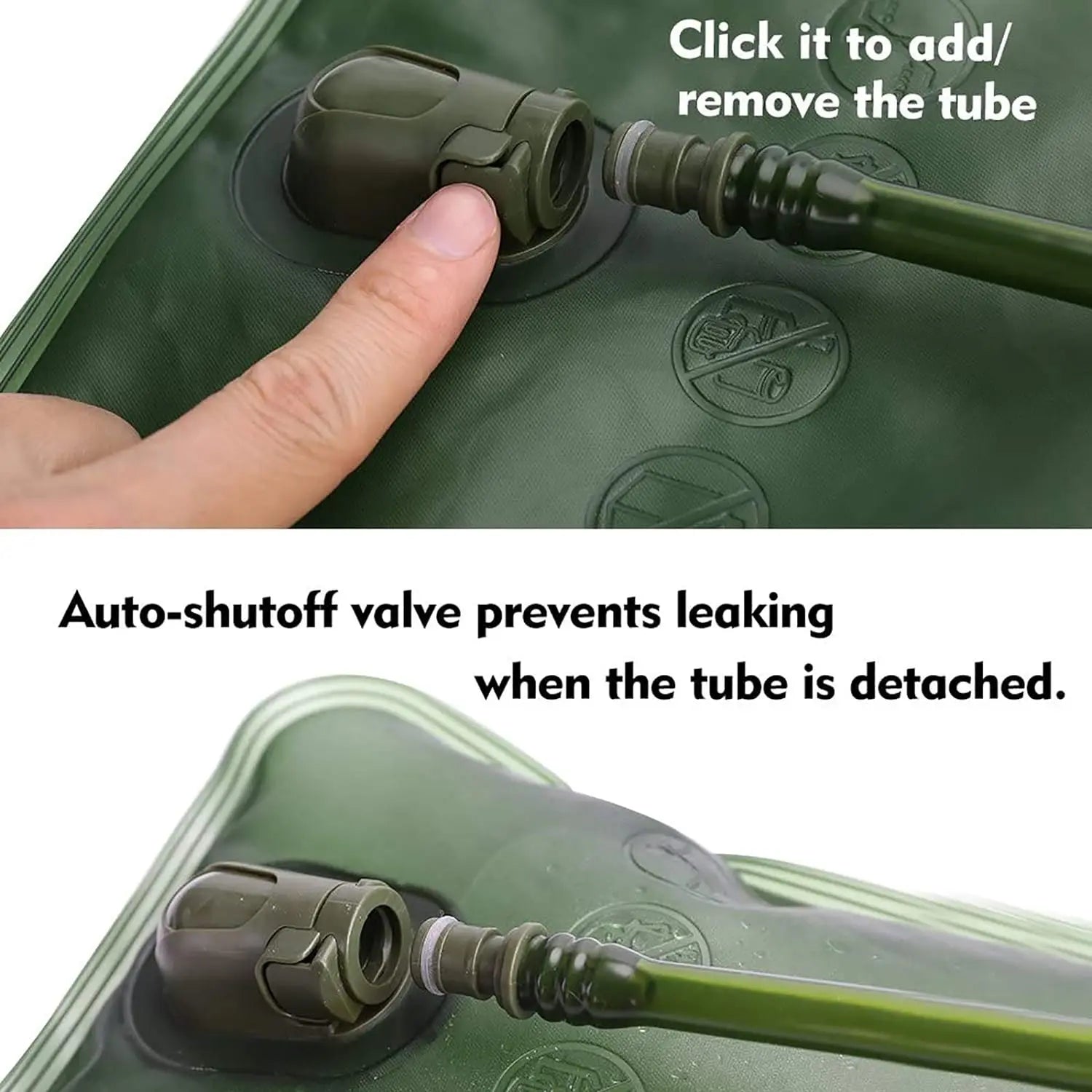
- Upgrade to a durable cycling hydration bladder replacement tube if kinks appear.
Experienced riders often carry spare tubing during long-distance trips, especially when riding remote terrain.
How to Prevent Backpack Water Leaking While Hiking
Backpack water leaking while hiking or biking remains one of the most common complaints in outdoor forums.
Leaks usually happen because of:
- Improperly sealed reservoir caps
- Damaged hose connectors
- Overfilled bladders expanding under pressure
- Cheap bite valves cracking over time
Before every ride:
- Test the seal at home
- Inspect hose joints carefully
- Avoid freezing temperatures with full reservoirs
- Keep sharp tools separated inside storage compartments
Using Gear Organizers & Pouches helps prevent multitools and pumps from damaging reservoirs during rough rides.
Packing Hydration System for Long Hikes and MTB Trips
Packing hydration system for long hikes and trail rides requires more planning than simply filling a bladder.
Riders should think about weather, refill access, and calorie intake.
Smart Packing Checklist
- 2L–3L hydration reservoir
- Electrolyte tablets
- Quick-access snacks
- Compact rain layer
- Mini repair kit
- Backup water purification option
Adding products from the Personal Water Filters collection can help riders refill safely during remote adventures.
Long-distance riders also benefit from combining hydration packs with Portable Power Banks for GPS tracking and emergency communication.
Why Reservoir Cleaning Matters More Than Most Riders Expect
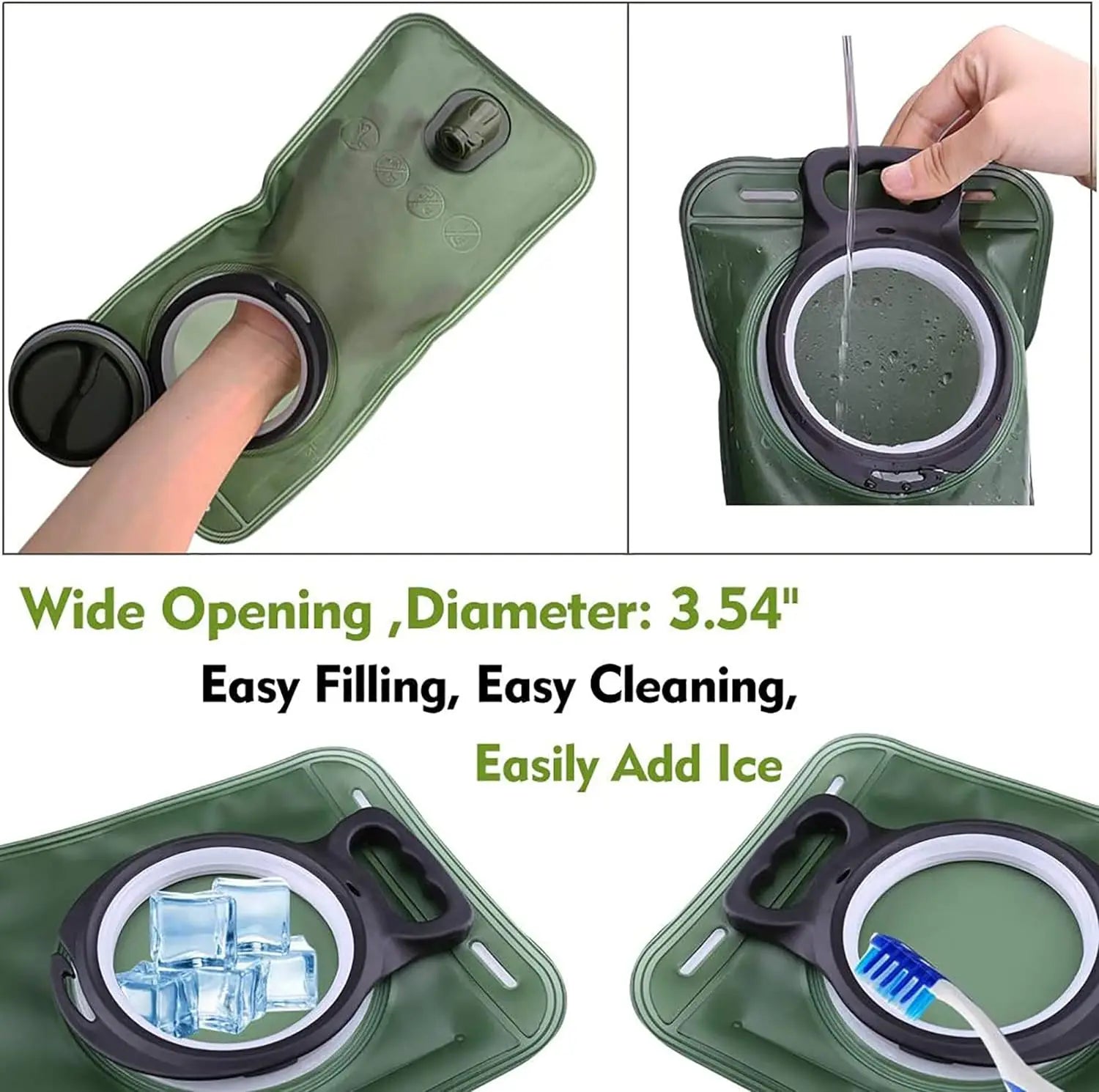
Bad tasting water in hydration systems is usually caused by poor drying habits rather than the reservoir material itself.
Outdoor riders frequently report moldy smells after storing damp reservoirs in garages or hot vehicles.
| Cleaning Habit | Result |
|---|---|
| Air drying after rides | Reduces bacteria buildup |
| Using cleaning tablets | Improves taste |
| Replacing hoses yearly | Better water flow |
| Freezing dry reservoirs | Helps reduce odors |
Many riders pair reservoirs with products from the Food Storage Bags & Containers collection to keep snacks and hydration equipment cleaner during travel.
One rider preparing for a desert bikepacking event noted that switching to a leak proof bladder eliminated constant stops and prevented soaked clothing during climbs. Another said a better bite valve finally solved years of weak water flow frustration.
👉 Get yours now before your next trip!
Upgrade your ride with the 2L Hydration Bladder and explore trail-ready systems inside the Running Belts & Packs collection.
💡 See it in action
Which Hydration Backpack Is Best Overall?
The best hydration backpack mtb riders can choose depends on ride length, terrain, and personal comfort preferences.
For most trail riders, mid-sized packs with 2L reservoirs offer the best mix of stability, storage, and cooling comfort. Lightweight racers may prefer minimalist options, while adventure riders usually benefit from larger insulated systems with better organization.
Reliable hose design, leak-resistant reservoirs, and breathable support panels matter more than flashy extras. Riders who prioritize easy cleaning and dependable water flow generally stay happier on long-term use.
FAQ
What size hydration backpack is best for mountain biking?
Most mountain bikers prefer 2L reservoirs with enough storage for tools, snacks, and lightweight layers. Short rides may only require 1.5L systems.
How do you stop hydration pack water from tasting bad?
Clean the reservoir regularly, dry it fully after rides, and avoid storing water inside for long periods. Replacing old tubing also helps improve taste.
Are hydration backpacks better than water bottles for MTB?
Hydration packs allow hands-free drinking and carry more water than standard bottles, making them useful for technical or long-distance rides.
How long does a hydration bladder last?
With proper cleaning and storage, most reservoirs last several years. Tubes and bite valves may need replacement sooner depending on usage.
Can hydration packs work for hiking too?
Yes. Many MTB hydration packs are also excellent for hiking, trail running, and backpacking because they distribute weight comfortably while keeping water accessible.
Related Articles:
- Best Hydration Backpack Hiking: Top 10 Compared Side By Side
- Best Hydration Pack Skiing: Which Packs Perform Best?
- Hydration Backpack 3 Liter: Which 3L Packs Are Worth It?
- Hydration Backpack Reviews: Top Picks & Real Comparisons 2026
- Best Hydration Backpack Mtb: 7 Models Compared For Trails
Pillar Articles:





