

Hydration Bladder For Hiking: Key Features That Improve Performance
Does a Hydration Bladder for Hiking Improve Performance?
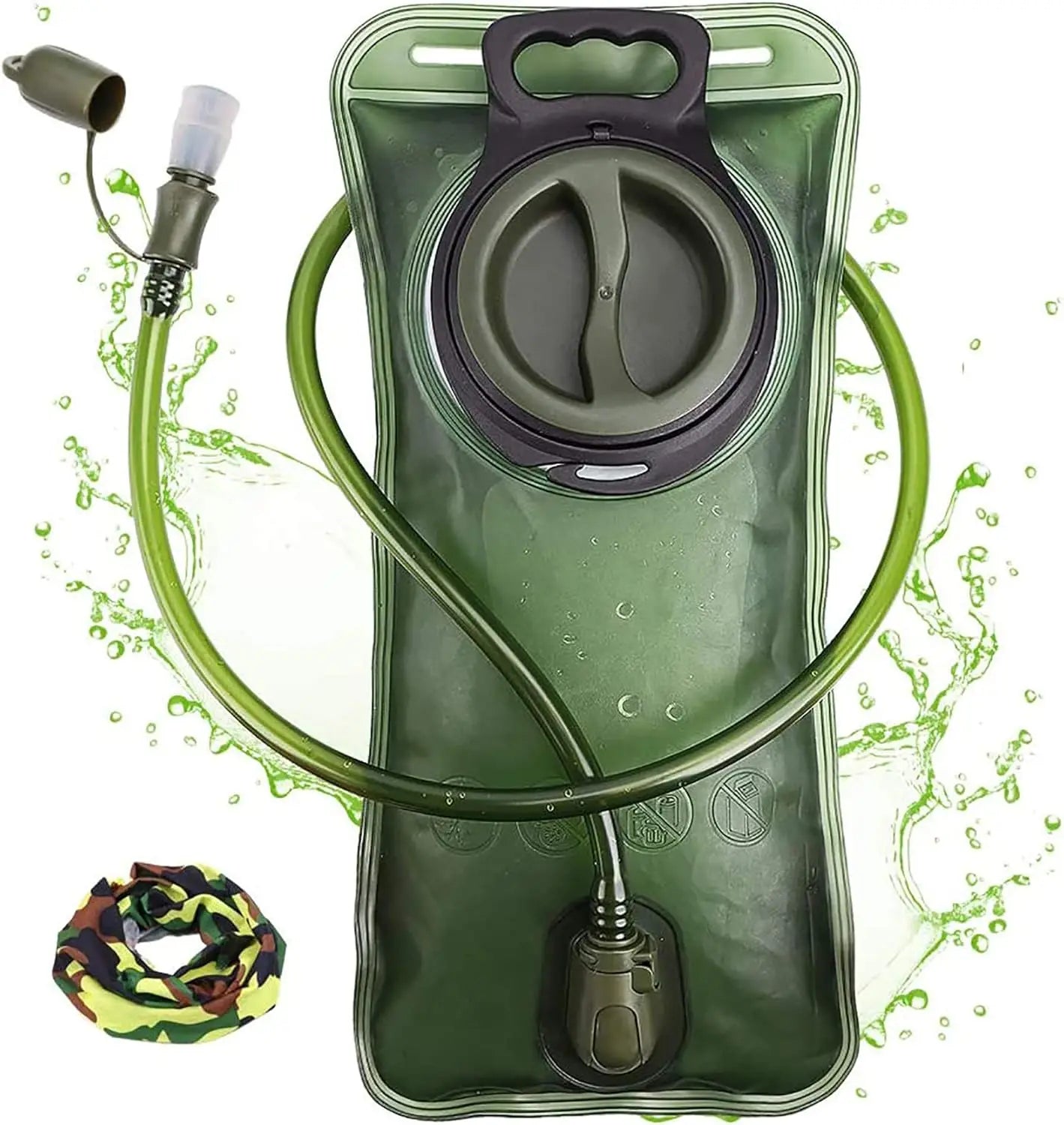
A hydration bladder for hiking improves endurance, comfort, and hydration consistency by making water easier to access during movement. Modern reservoirs reduce leaks, improve water flow, and distribute weight more evenly than bottles, helping hikers maintain energy on long-distance trails while carrying less bulk inside their packs.
Hydration Bladder For Hiking: Key Features That Improve Performance
⏱ 12 min read
Long hikes become harder when water access slows you down. Stopping repeatedly to grab bottles wastes momentum, disrupts pacing, and often causes hikers to drink less than they should. A well-designed hydration bladder for hiking changes that experience completely. From faster water flow and better balance to leak prevention and lighter carry weight, the right system can improve comfort and trail efficiency in ways many hikers do not expect.
What gear actually makes hiking easier without adding unnecessary weight? Many experienced hikers point to hydration systems first because staying hydrated affects energy, focus, recovery, and comfort all at once.
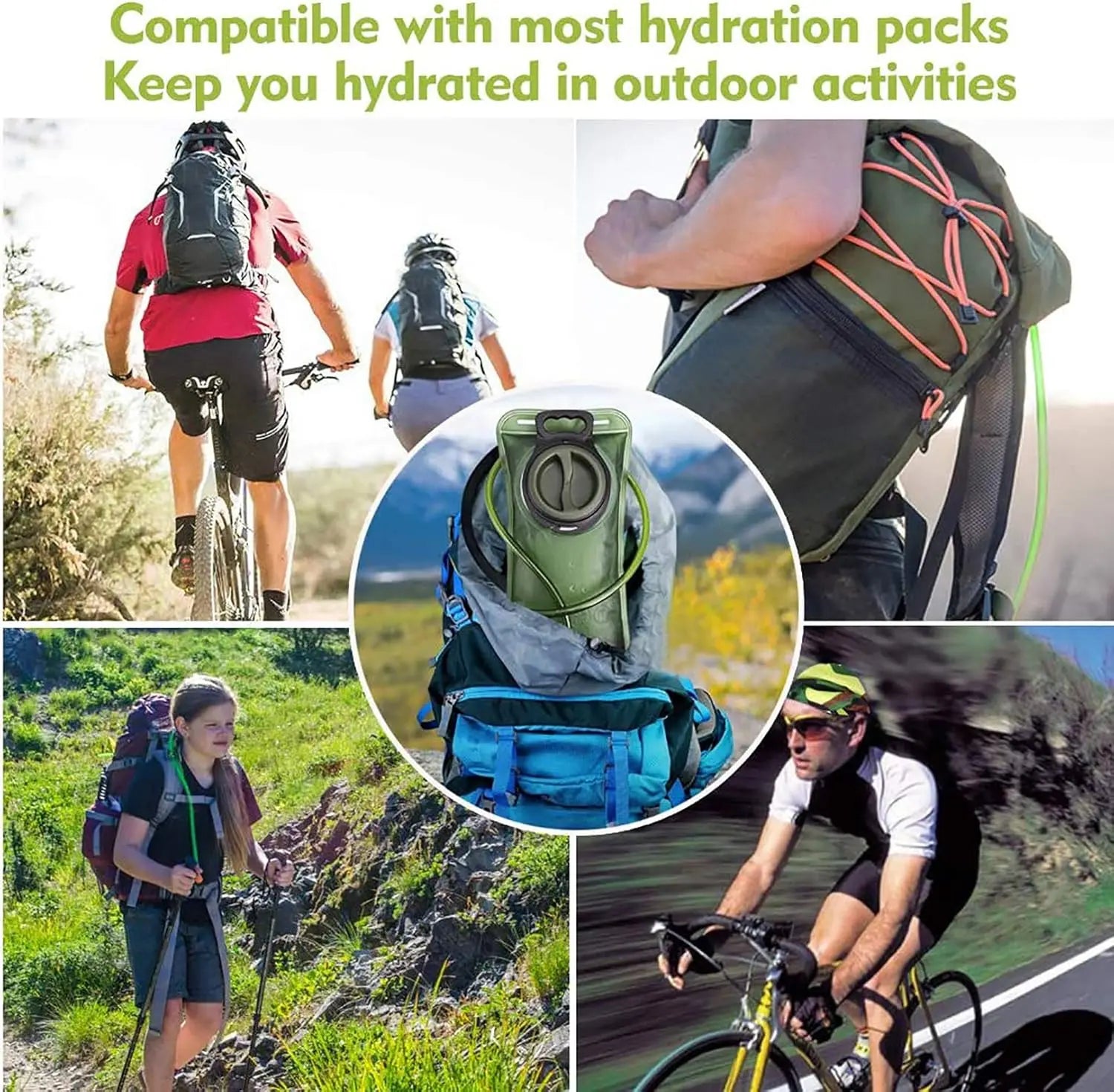
Unlike standard bottles, hydration reservoirs allow hands-free drinking while walking uphill, crossing rocky terrain, or maintaining pace on technical sections. That convenience alone often increases water intake throughout the day.
👉 Discover must-have hiking hydration upgrades before your next trail adventure.
💡 See it in action
Why Hydration Systems Outperform Bottles on Long Trails
A hydration bladder for hiking provides faster access to water, more balanced weight distribution, and easier hydration during movement. Compared with traditional bottles, reservoirs reduce interruptions on the trail and help hikers maintain steady hydration levels over long distances, especially during steep climbs, hot weather, or endurance-focused backpacking trips.
Traditional water bottles still work well for short walks or casual outdoor activities. However, they become less practical during long-distance hikes where consistent hydration matters.
Key Advantages of Hydration Reservoirs
- Hands-free drinking while moving
- Improved balance inside hiking packs
- Less pack shifting during climbs
- Faster access to water
- Reduced stopping frequency
- Better water carrying capacity
Many hikers underestimate how often they delay drinking simply because reaching for a bottle feels inconvenient. Small delays add up over several hours and increase fatigue risk.
Modern systems also pair well with gear from Lightweight Daypacks and Backpacking & Carry setups designed for balanced weight distribution.
| Feature | Hydration Bladder | Traditional Bottles |
|---|---|---|
| Hands-Free Drinking | Yes | No |
| Weight Balance | Excellent | Moderate |
| Refill Convenience | High | Medium |
| Cold Weather Access | Better with insulation | Can freeze externally |
| Trail Efficiency | High | Lower |
Best Features to Look for in a Hiking Hydration Bladder
A high-performance hydration bladder for hiking should prioritize leak prevention, efficient bite valves, durable materials, and easy cleaning access. Features like insulated tubes, wide-fill openings, and stable pack integration improve hydration consistency and reduce trail frustration during long-distance outdoor activities.
Not every reservoir performs equally on rough terrain. Some prioritize lightweight design while others focus on durability or insulation.
Wide Opening Fill Ports
A wide opening makes filling and cleaning dramatically easier. Narrow caps slow down refills and make interior drying difficult after trips.
Wide openings also simplify adding ice during hot-weather hikes.
Durable TPU Materials
Modern TPU reservoirs resist punctures better than older plastic liners. They also reduce plastic taste and flex more naturally inside loaded backpacks.
Durability matters especially when combining gear with Waterproof & Dry Bags or tightly packed equipment.
Quick-Disconnect Hose Systems
Quick-release hoses simplify pack loading and reduce accidental spills during refills. They also make cleaning easier after muddy or dusty hikes.
Insulated Tubing
Cold weather creates frozen hoses surprisingly fast. Insulated sleeves help maintain water flow during winter hikes and high-elevation climbs.
- Protects drinking tube from sun exposure
- Reduces freezing risk
- Keeps water cooler longer
- Improves comfort during hot weather
Best Hiking Hydration Bladder 2L vs Larger Reservoirs
The best hiking hydration bladder 2L size balances lightweight performance with enough capacity for most day hikes. Larger reservoirs support extended trips but add weight and bulk, while 2L systems remain versatile for moderate distances, faster movement, and general outdoor adventures.
Capacity selection changes how your pack feels throughout the day.
Why Many Hikers Prefer 2L Reservoirs
The best hiking hydration bladder 2L setups often provide the ideal middle ground between capacity and portability.
For day hikes lasting 3–6 hours, 2 liters usually covers hydration needs without excessive weight.
When 3L Reservoirs Make More Sense
Larger reservoirs work better for:
- Hot desert hikes
- Long-distance backpacking
- Limited refill routes
- Group hikes sharing water
- Multi-day trail sections
Backpackers often combine reservoirs with Personal Water Filters to refill safely from streams or lakes.
| Reservoir Size | Best Use | Weight Advantage | Typical Duration |
|---|---|---|---|
| 1.5L | Short hikes | Very light | 1–3 hours |
| 2L | Day hiking | Balanced | 3–6 hours |
| 3L | Backpacking | Higher capacity | 6+ hours |
👉 Learn how to choose the right hiking gear for changing trail conditions.
How Leak Proof Reservoir Designs Prevent Trail Problems
A leak proof hydration reservoir for backpacks protects clothing, electronics, sleeping gear, and food from unexpected water damage. Reinforced seals, secure hose connections, and pressure-resistant construction improve reliability on rough terrain and prevent small failures from becoming major hiking problems.
One leak can ruin an entire hiking experience. Wet insulation, soaked clothing, or damaged electronics quickly turn enjoyable trails into frustrating situations.
💡 See it in action
Most Common Causes of Reservoir Leaks
- Weak seam construction
- Poorly attached hoses
- Overtightened caps
- Cheap bite valves
- Pressure from overpacked bags
A leak proof hydration reservoir for backpacks typically uses welded seams instead of stitched connections. This creates stronger pressure resistance during movement.
Pressure Testing Matters
High-quality reservoirs undergo repeated flex testing to ensure seams stay sealed while packs shift during hiking.
This becomes especially important during backpacking trips where gear from Compression & Packing Bags increases internal pack pressure.
Locking Bite Valves Reduce Accidental Spills
Modern bite valves often include shutoff switches that prevent dripping inside vehicles, tents, or storage bins.
That feature matters more than many hikers realize during car camping or crowded travel situations.
Improving Water Flow Bite Valve Tips for Faster Hydration
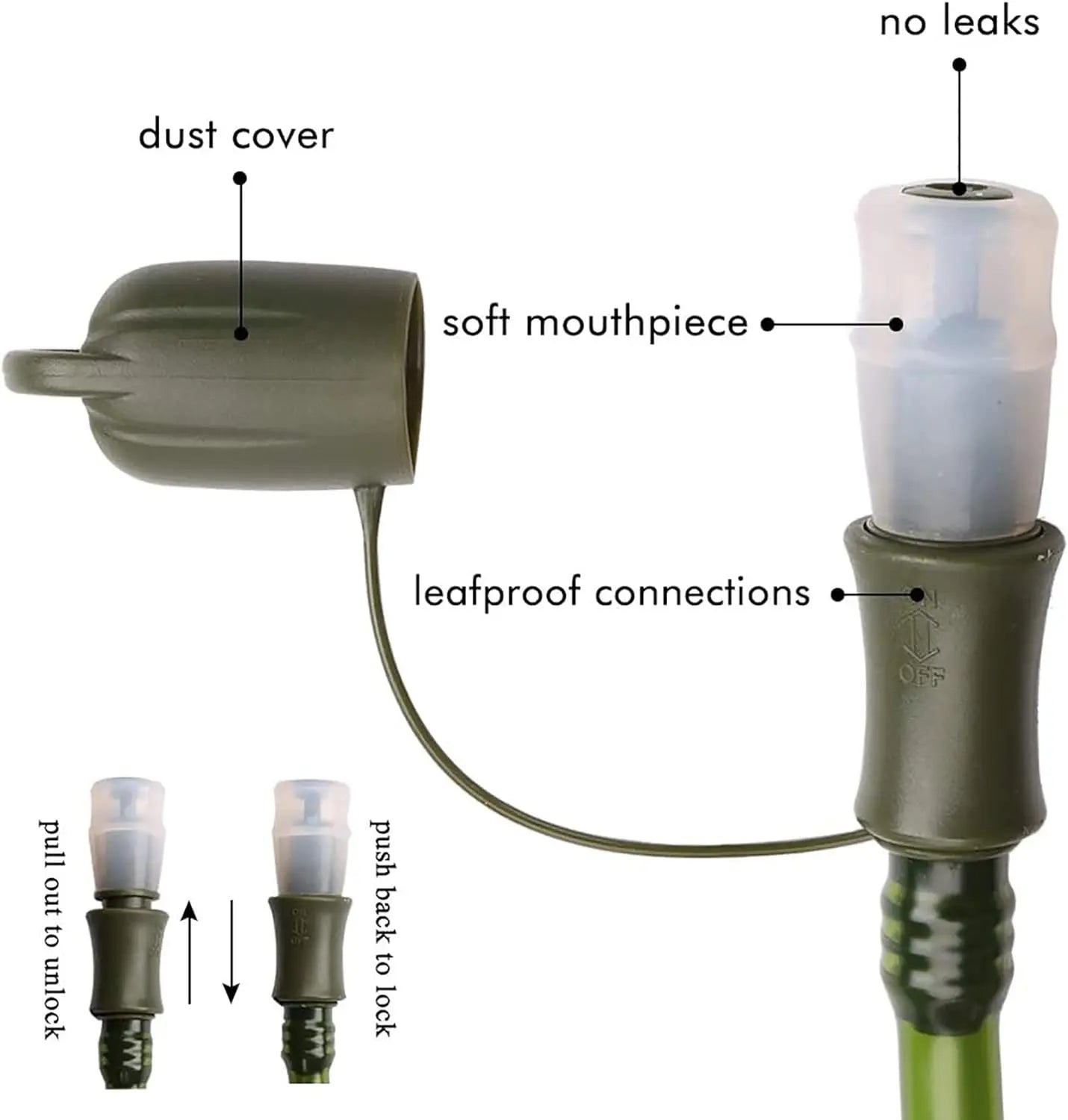
Improving water flow bite valve tips can significantly increase hydration efficiency during hiking. Better valve designs reduce suction effort, improve flow consistency, and encourage more frequent drinking, especially during steep climbs, hot weather, or endurance-focused backpacking trips.
Poor bite valves frustrate hikers constantly. Weak flow rates force harder suction, interrupt breathing rhythm, and discourage regular hydration.
How Better Valves Improve Performance
Efficient valves deliver higher water volume with less effort. That matters during uphill climbs where breathing efficiency becomes critical.
Helpful Bite Valve Upgrades
- High-flow silicone valves
- Dust covers
- Auto-seal systems
- Locking mechanisms
- Angled mouthpieces
Many experienced hikers specifically search for improving water flow bite valve tips because flow rate directly affects hydration consistency.
Some hikers also combine hydration systems with gear from Running Belts & Packs during trail running or fastpacking trips.
Simple Tricks for Better Water Flow
- Keep tubing straight inside the pack
- Avoid over-tight hose bends
- Clean valves regularly
- Use insulated tubing in cold weather
- Release trapped air before hiking
"After switching to a high-flow bite valve, I stopped getting dehydrated during steep climbs because drinking became effortless." — Colorado backpacking traveler
Hydration System Comparison for Backpacking Trips
A hydration system comparison for backpacking trips should evaluate durability, comfort, flow rate, leak resistance, cleaning ease, and weight distribution. The best systems combine efficient hydration access with dependable construction that performs consistently across changing terrain and weather conditions.
Not all hydration setups suit every hiking style.
| System Type | Best For | Main Advantage | Main Drawback |
|---|---|---|---|
| Hydration Bladder | Long hikes | Hands-free access | Requires cleaning |
| Soft Flask | Trail running | Ultra lightweight | Lower capacity |
| Hard Bottle | Casual hikes | Easy maintenance | Less convenient |
| Filtered Bottle | Remote trails | On-demand filtration | Lower flow rate |
Why Reservoirs Win for Long Distance Hiking
Reservoir systems reduce interruptions and improve pacing consistency.
Backpackers carrying additional gear from Camping Storage & Boxes or Car Camping Accessories often prioritize internal organization and balanced weight.
When Bottles Still Work Better
Some hikers prefer bottles during freezing weather because external systems may ice over faster.
However, insulated reservoirs continue improving cold-weather reliability every year.
How Better Weight Distribution Improves Hiking Comfort
A hydration bladder for hiking improves comfort by positioning water weight close to the spine and centered inside the backpack. This reduces side-to-side shifting, improves balance on uneven terrain, and minimizes shoulder fatigue compared with carrying multiple external bottles.
Comfort affects hiking performance more than many people realize.
Heavy bottles stored on one side of a pack create uneven load distribution. Over several miles, that imbalance contributes to shoulder strain and posture fatigue.
Benefits of Centralized Water Storage
- Improved stability
- Reduced shoulder fatigue
- Better posture support
- Less pack sway
- More efficient movement
Many hikers notice reduced fatigue almost immediately after switching from side bottles to an integrated reservoir.
This becomes especially important on technical trails with steep descents or narrow ridge crossings.
Pack Compatibility Matters
Modern hiking packs often include dedicated hydration sleeves that stabilize reservoirs during movement.
These systems work especially well alongside gear from Hooks, Clips & Carabiners and Gear Organizers & Pouches.
Easy Cleaning Features That Matter on Multi-Day Hikes
Easy-clean hydration reservoirs reduce bacteria buildup, improve taste quality, and simplify maintenance after long outdoor trips. Wide openings, reversible liners, and detachable hoses help hikers dry systems completely and avoid unpleasant odors between adventures.
Cleaning convenience directly affects how often hikers actually maintain their gear.
Why Reservoir Cleaning Gets Ignored
Complex cleaning routines discourage proper maintenance. Eventually, trapped moisture creates odors or mold buildup.
Features That Simplify Cleaning
- Wide slide-top openings
- Reversible reservoir designs
- Detachable hoses
- Quick-dry hanging loops
- Smooth interior materials
Pairing hydration systems with Food Storage Bags & Containers also helps maintain cleaner camp organization during multi-day trips.
How Often Should You Clean a Reservoir?
Quick rinses after every hike help prevent buildup. Deep cleaning becomes more important after sugary drink mixes or extended storage.
Drying fully before storage matters just as much as washing.
Why Weather Resistance Improves Hydration Reliability
Weather-resistant hydration systems maintain consistent water access during heat, freezing temperatures, rain, and dusty trail conditions. Insulated hoses, durable outer materials, and secure bite valve covers improve long-term reliability across changing outdoor environments.
Trail conditions change fast. Gear that works perfectly in mild weather may struggle during temperature extremes.
Hot Weather Challenges
- Warm water taste
- Tube overheating
- Faster dehydration
- Plastic odor increase
Insulated reservoirs reduce heat transfer and improve drinking comfort during summer hikes.
Cold Weather Challenges
Freezing hoses become one of the biggest hydration problems during winter hiking.
Many hikers solve this using insulated sleeves combined with gear from Wind & Cold Protection collections.
Rain Protection Matters Too
Wet gear creates additional pressure on backpack organization.
Combining hydration systems with Weather Protection & Environment gear helps maintain trail reliability during storms.
👉 Get your hydration setup ready before your next demanding trail adventure.
Real Hiking Situations Where Hydration Systems Make a Difference
A hydration bladder for hiking delivers noticeable advantages during steep ascents, hot-weather trails, endurance hikes, and technical terrain where frequent stops reduce momentum. Faster hydration access helps hikers stay energized, focused, and physically comfortable throughout long outdoor adventures.
Trail performance improvements become obvious in real outdoor situations.
Steep Mountain Climbs
Stopping repeatedly during elevation gain disrupts breathing rhythm and pacing.
Hydration tubes allow quick drinking without breaking stride.
Long Desert Trails
Hot weather dramatically increases dehydration risk.
Larger reservoirs combined with Collapsible Water Bottles create flexible backup water storage.
Fastpacking Trips
Fast-moving hikers value systems that reduce interruptions.
Lightweight reservoirs help maintain momentum while reducing carried bulk.
Family Hiking Trips
Parents often carry additional supplies, making weight distribution even more important.
Balanced hydration systems reduce shoulder strain during longer family outings.
"Switching to a hydration reservoir made our family hikes smoother because nobody stopped constantly for water breaks." — Utah national park traveler
💡 See it in action
Smart Packing Checklist for Hydration Setup
A reliable hiking hydration setup includes more than just a reservoir. Proper storage, weather protection, filtration, and backup organization improve safety and convenience across changing trail conditions.
Recommended Hydration Packing Essentials
- Hydration reservoir
- Backup collapsible bottle
- Water filter
- Cleaning tablets
- Insulated hose cover
- Dry storage pouch
- Electrolyte packets
Many backpackers also organize hydration gear with Camping & Picnic accessories and Hydration & Food storage systems.
Helpful Trail Additions
- Headlamps & Wearable Lights for early morning starts
- Portable Power Banks for GPS charging
- First Aid Kits for emergency preparedness
- Rain Ponchos & Capes for sudden storms
Why the Right Hydration System Improves Every Hike
A hydration bladder for hiking does far more than store water. It improves movement efficiency, hydration consistency, pack balance, and overall comfort across long outdoor adventures.
From choosing the best hiking hydration bladder 2L to finding a leak proof hydration reservoir for backpacks, small design improvements create major trail benefits over time.
Whether tackling steep mountain climbs, all-day backpacking routes, or fast-paced trail hikes, a dependable hydration system helps reduce fatigue while keeping hydration effortless and accessible.
Many hikers focus heavily on footwear and packs but underestimate how much hydration access affects endurance. Once upgraded, most never want to return to traditional bottle setups again.
FAQ
What is the best size hydration bladder for hiking?
A 2L hydration bladder works best for most day hikes because it balances water capacity with lightweight comfort. Longer backpacking trips or hot-weather hikes may require a 3L reservoir for additional hydration storage.
How do you prevent a hydration bladder from leaking?
Use a leak proof hydration reservoir for backpacks with welded seams, locking bite valves, and secure hose connections. Avoid overfilling the bladder and regularly inspect seals for wear.
Are hydration bladders better than water bottles for hiking?
Hydration bladders improve convenience and hydration frequency because hikers can drink hands-free while walking. Bottles remain easier to clean but often interrupt hiking pace and movement.
How often should you clean a hydration reservoir?
Rinse after every hike and deep-clean regularly, especially after using electrolyte mixes or storing water for extended periods. Complete drying helps prevent odor and bacteria buildup.
What improves bite valve water flow?
Improving water flow bite valve tips include using high-flow silicone valves, avoiding hose kinks, cleaning valves frequently, and using insulated tubing to prevent freezing during cold-weather hikes.
Related Articles:
- Hydration Backpack 2L: Why 2L Systems Improve Hydration Control
- Best Hydration Pack Running: Features That Boost Endurance
Pillar Articles:





