

Best Hydration Pack Running: Features That Boost Endurance
Best Hydration Pack Running: Features That Boost Endurance
Does the best hydration pack running setup improve endurance?
The best hydration pack running systems help runners stay hydrated longer with lightweight storage, stable fit, and faster water access. Features like leak proof hydration reservoir for backpacks, breathable straps, and improving water flow bite valve tips reduce fatigue, limit dehydration risks, and make endurance training more comfortable on trails and long-distance routes.
⏱ 8 min read
Long runs can quickly turn miserable when your pack bounces, your reservoir leaks, or your bite valve barely delivers water. Many runners struggle with shoulder pressure, overheating, and hiking dehydration during long hikes simply because their hydration setup works against them. The right hydration pack changes everything by improving comfort, water flow, stability, and energy management across every mile.
👉 Preparing for longer runs or hot-weather training? Upgrade your hydration setup before your next trail session with smarter storage and easier water access.
💡 See it in action
Why the Best Hydration Pack Running Systems Matter
The best hydration pack running setup does more than carry water. It helps maintain pace consistency, supports recovery, and prevents the energy crashes caused by poor hydration timing.
Runners training on steep trails or humid routes often lose significant fluids within the first hour. Stopping repeatedly to reach for bottles disrupts rhythm and increases fatigue. Hydration packs solve this by keeping water instantly accessible.
What gear actually makes endurance running easier? Lightweight packs with stable chest straps, efficient reservoirs, and breathable airflow panels consistently outperform bulky alternatives during long-distance sessions.
- Hands-free hydration access
- Balanced weight distribution
- Reduced shoulder strain
- Better cooling and airflow
- Quick-access nutrition storage
Many trail runners also pair hydration packs with gear from Running Belts & Packs for shorter training days or speed-focused races.
How Key Features Improve Endurance Performance
The best hydration pack running models focus on efficiency under movement. Every feature should reduce effort while supporting steady hydration and comfort.
Bounce-Free Strap Systems Keep Energy Focused
Poorly fitted packs waste energy through constant shifting and bouncing. Secure sternum straps and adjustable side compression keep the load close to the body.
Runners often report less shoulder fatigue and better breathing rhythm when using packs designed for stability instead of oversized storage.
Breathable Back Panels Improve Cooling
Overheating causes dehydration faster than many runners expect. Ventilated mesh panels increase airflow across the back and shoulders, helping sweat evaporate more efficiently.
This becomes especially valuable during humid summer races or exposed desert trails.
Smart Storage Improves Accessibility
Quick-access pockets prevent unnecessary stops. Many endurance runners store:
- Electrolyte gels
- Phone and GPS devices
- Emergency snacks
- Compact rain layers
Adding lightweight accessories from Gear Organizers & Pouches can also help separate nutrition, tools, and recovery items.
👉 Want smoother hydration without slowing your pace? Explore practical endurance gear solutions designed for runners who train longer and harder.
Improving Water Flow Bite Valve Tips for Faster Hydration
One of the biggest frustrations during endurance training is poor bite valve performance. Weak water flow forces runners to slow down or stop completely.
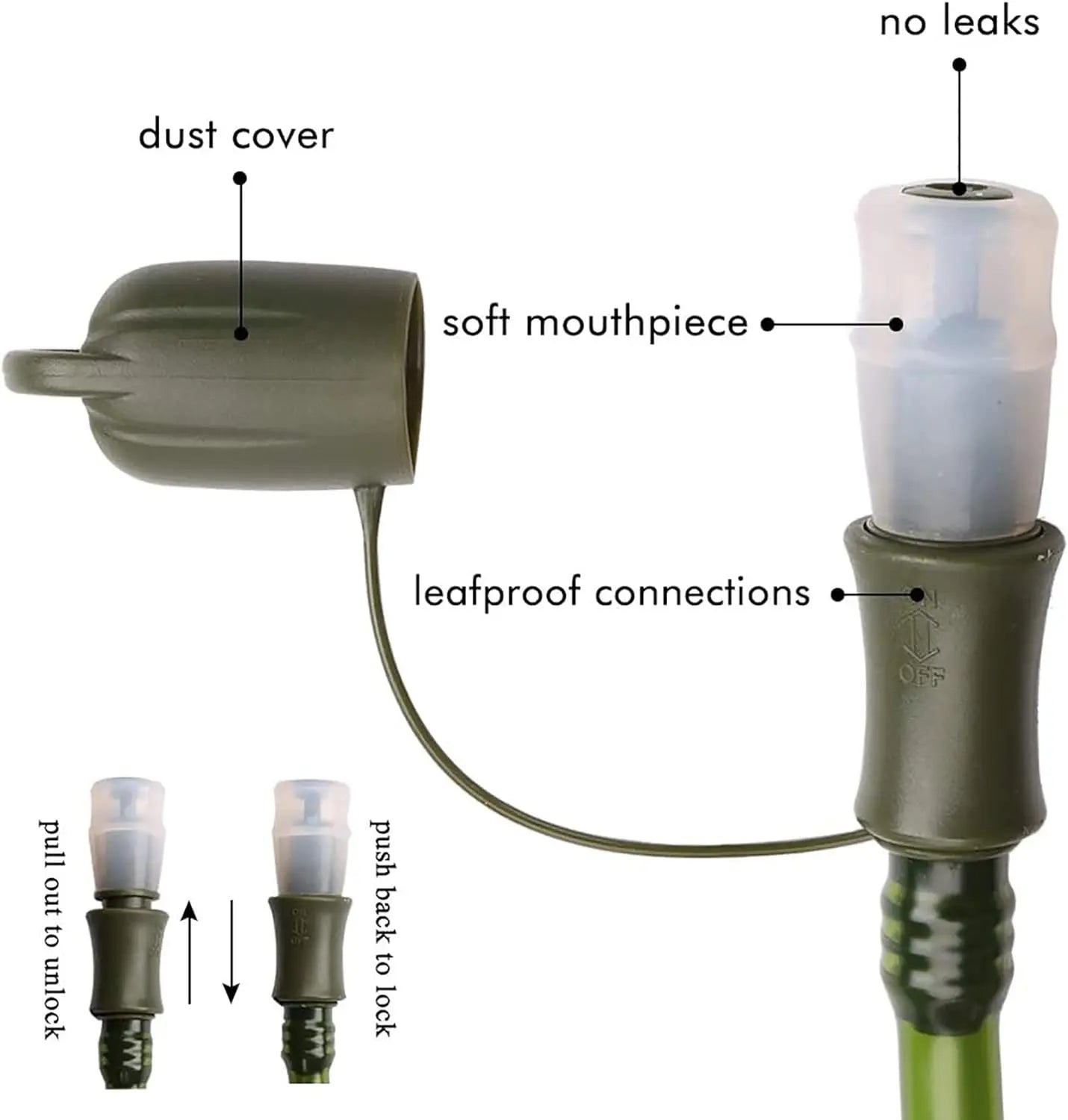
Improving water flow bite valve tips can dramatically increase hydration efficiency during races and long trail sessions.
Choose High-Flow Bite Valves
Modern bite valves reduce suction resistance, allowing runners to drink quickly with less effort. This matters during climbs where breathing efficiency becomes critical.
Keep the Hose Properly Positioned
A hose that swings around wastes time and disrupts stride rhythm. Many runners use magnetic clips or chest-mounted hose guides to keep water accessible.
Prevent Air Blockages
Air trapped inside the hydration tube often reduces flow pressure. Before runs, squeeze excess air from the reservoir to maintain smoother hydration delivery.
Clean Bite Valves Regularly
Dirt, dried electrolytes, and debris can reduce water flow over time. Cleaning the valve after every long session improves consistency and hygiene.
| Feature | Basic Systems | Advanced Hydration Systems |
|---|---|---|
| Water Flow Speed | Moderate | Fast high-flow delivery |
| Tube Stability | Loose hose movement | Magnetic retention systems |
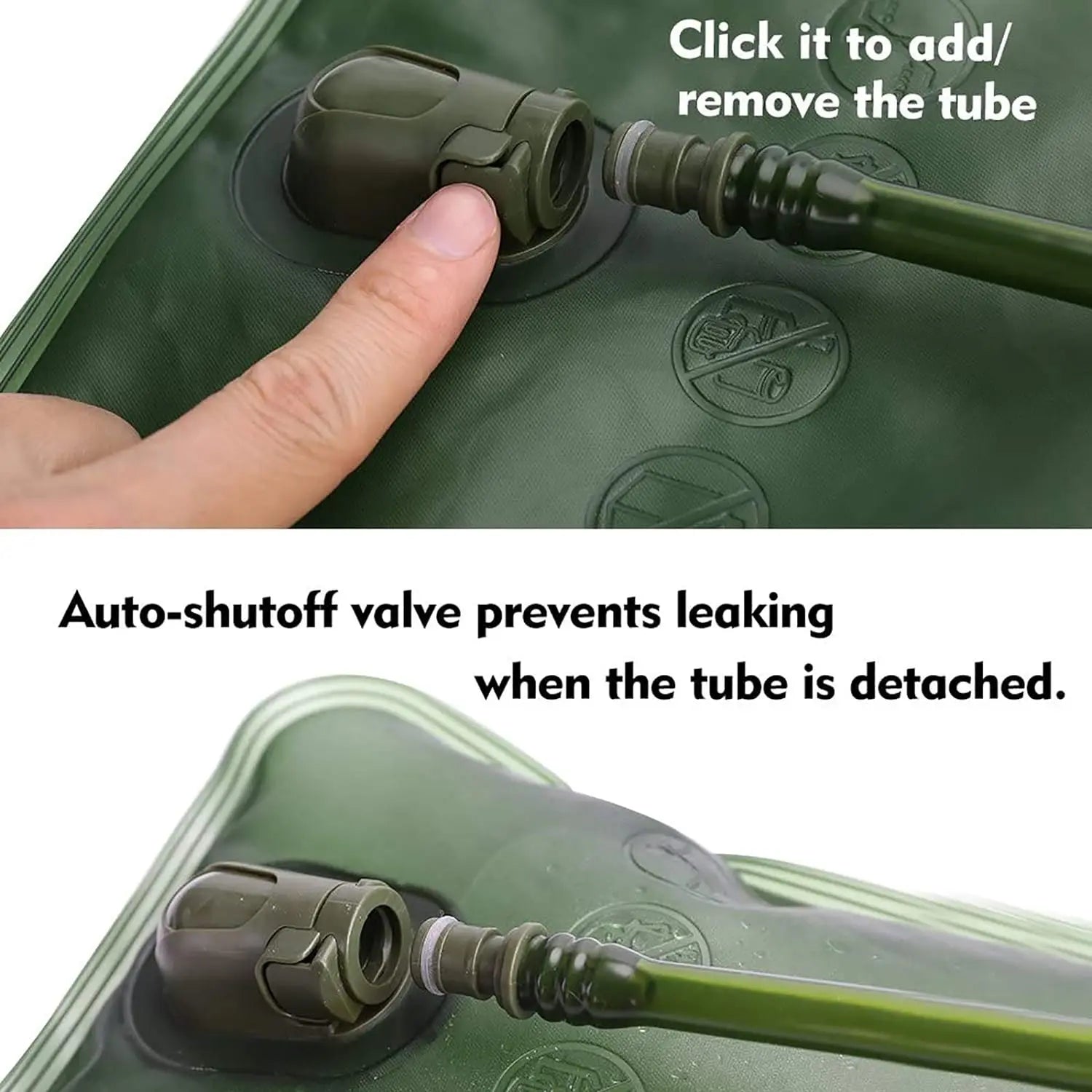
| Leak Resistance | Occasional dripping | Secure shutoff valves |
| Cleaning Access | Limited openings | Wide-mouth easy cleaning |
Hydration setups often work even better when paired with products from Personal Water Filters during remote trail adventures.
💡 See it in action
How Leak Proof Hydration Reservoirs Prevent Trail Problems
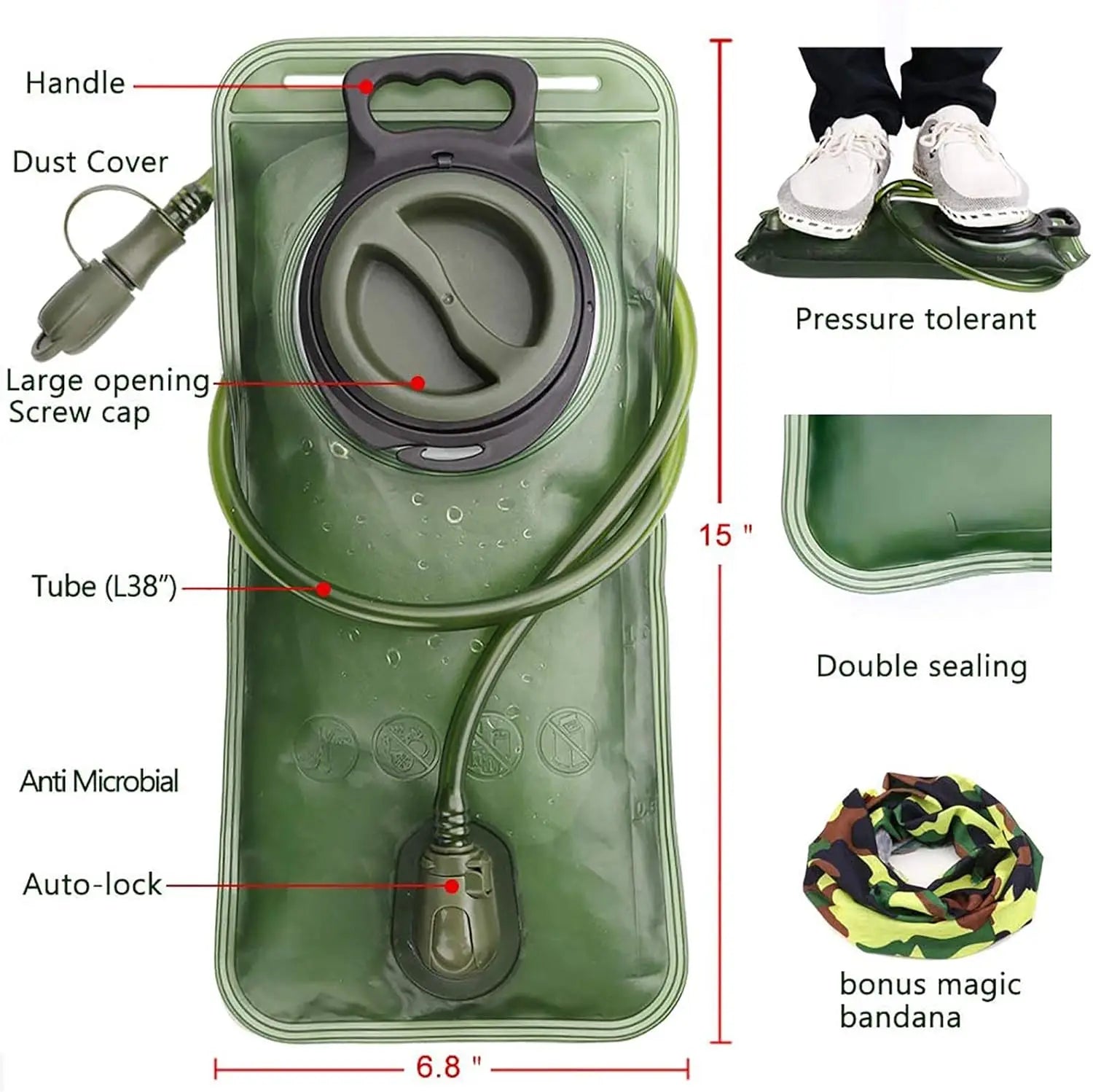
A leak proof hydration reservoir for backpacks protects both hydration efficiency and essential gear. Even a small leak can soak nutrition supplies, electronics, or extra clothing during a long run.
Reliable reservoirs reduce stress because runners know their water supply stays secure through climbs, descents, and uneven terrain.
Wide-Seal Closures Reduce Failure Points
Wide-slide openings distribute pressure more evenly than narrow caps. This helps reduce accidental leaks during movement.
Durable TPU Materials Improve Longevity
Flexible TPU materials resist punctures while remaining lightweight. Durable reservoirs maintain shape better under repeated use.
Quick-Disconnect Hoses Simplify Refills
Quick-disconnect systems allow fast refills without removing the entire hose setup. This saves valuable time during races or aid station stops.
For wet-weather adventures, runners often combine hydration systems with storage options from Waterproof & Dry Bags.
How Better Fit Reduces Fatigue During Long Runs
Comfort directly affects endurance performance. Packs that rub, bounce, or shift force the body to compensate with unnecessary muscle tension.
Trail runners who switch to ergonomic hydration systems often notice immediate improvements in breathing comfort and upper-body relaxation.
Chest Strap Adjustability Matters
Adjustable straps help runners fine-tune compression without restricting lung expansion. This becomes essential during climbs or interval training.
Lightweight Design Conserves Energy
Every ounce matters during long-distance efforts. Minimalist packs reduce fatigue while maintaining enough storage for hydration and nutrition.
Balanced Weight Placement Improves Stability
Hydration reservoirs positioned too low create bouncing and instability. Properly centered weight improves posture and stride control.
- Reduced neck strain
- Less shoulder tension
- Improved downhill control
- More efficient breathing patterns
Many runners also add mobility and recovery tools from Stretching & Recovery Tools to improve post-run recovery.
Maintaining BPA Free Water Reservoir Clean Without Extra Hassle
Maintaining BPA free water reservoir clean is essential for both taste and performance. Dirty reservoirs can develop odors, mold, and reduced water flow.
Simple maintenance habits keep hydration systems working efficiently season after season.
Rinse Immediately After Use
Leftover sports drink residue creates bacteria buildup quickly. A fast rinse immediately after training prevents stubborn odors later.
Dry Completely Before Storage
Moisture trapped inside the reservoir encourages mold growth. Air-drying with the opening expanded improves ventilation.
Use Cleaning Brushes Weekly
Tube-cleaning brushes remove buildup inside narrow hoses where bacteria commonly collect.
Avoid Freezing Dirty Reservoirs
Some runners freeze reservoirs between sessions to prevent bacteria growth. However, freezing should only happen after cleaning to avoid trapping residue inside.
| Cleaning Habit | Benefit |
|---|---|
| Daily rinse | Prevents odor buildup |
| Full air drying | Reduces mold risk |
| Weekly deep cleaning | Maintains water flow |
| Proper storage | Extends reservoir lifespan |
Extra hydration maintenance supplies can also be organized alongside essentials from Hydration & Food.
Hydration Pack Feature Comparison for Endurance Runners
| Feature | Why It Matters | Endurance Benefit |
|---|---|---|
| High-flow bite valve | Faster hydration access | Maintains running rhythm |
| Leak proof reservoir | Protects gear and water supply | Reduces stress during races |
| Ventilated mesh panels | Improves airflow | Helps prevent overheating |
| Adjustable chest straps | Better fit customization | Minimizes bounce fatigue |
| Quick-access pockets | Faster nutrition access | Improves fueling consistency |
Best Running and Hiking Use Cases for Hydration Packs
The best hydration pack running systems adapt to multiple outdoor scenarios, from short trail runs to full-day mountain adventures.
Trail Running
Trail runners benefit from lightweight packs that minimize movement while carrying water, gels, and weather protection layers.
Ultramarathons
Long races demand larger hydration capacity and secure storage for nutrition and emergency gear.
Hiking and Fastpacking
Hikers often use hydration packs to reduce stopping frequency while navigating exposed or high-elevation terrain.
Many outdoor athletes combine their hydration setup with products from Lightweight Daypacks for multi-purpose adventures.
Hot-Weather Training
Breathable hydration systems become critical in humid climates where fluid loss accelerates rapidly.
👉 Ready to improve hydration performance before your next trail run? Check out the 2L Hydration Bladder and upgrade your endurance setup before race day arrives.
💡 See it in action
Why the Right Hydration Pack Makes Every Mile Easier
The difference between struggling through a long run and finishing strong often comes down to hydration efficiency. A well-designed pack reduces bounce, improves cooling, delivers faster water flow, and protects gear with dependable leak resistance.
Whether you are training for trail races, marathon preparation, or long mountain hikes, the best hydration pack running setup helps maintain comfort, focus, and endurance when conditions become demanding.
FAQ
What size hydration reservoir is best for long-distance running?
Most endurance runners prefer 1.5L to 2L reservoirs because they balance hydration capacity with manageable pack weight during long efforts.
How do I stop my hydration pack from bouncing?
Use adjustable chest straps, side compression features, and proper weight distribution to keep the pack stable against your body while running.
How often should I clean a hydration reservoir?
Rinse the reservoir after every use and perform a deeper cleaning weekly if you regularly use electrolyte mixes or sports drinks.
Why does my bite valve have poor water flow?
Restricted flow usually comes from trapped air, dried residue, or partially blocked tubing. Cleaning the hose and removing excess air often improves performance quickly.
Can hydration packs help prevent hiking dehydration during long hikes?
Yes. Hydration packs encourage more frequent water intake by providing hands-free access, which helps reduce dehydration risk during extended outdoor activities.
Pillar Article: Hydration Bladder For Hiking: Key Features That Improve Performance
Other Related Articles:
Explore More:





