

Water Backpack Bladder: How To Set Up And Use It
Water Backpack Bladder: How To Set Up And Use It
⏱ 8 min read
Does a water backpack bladder really improve hiking hydration?
A water backpack bladder helps hikers stay hydrated without stopping to grab bottles or unpack gear. When paired with smart packing hydration system for long hikes techniques, it improves comfort, reduces dehydration risk, and keeps water easily accessible during trails, camping trips, and outdoor adventures.
Water backpack bladder setups can completely change your hiking experience. If you’ve ever struggled with awkward water bottles, leaking reservoirs, or stopping every few minutes for a drink, you already know how frustrating poor hydration systems can be. The good news? A properly installed hydration bladder keeps water flowing effortlessly while improving comfort, energy, and mobility on the trail. Whether you're planning day hikes, backpacking trips, or long-distance adventures, learning how to use your hydration system correctly makes every mile easier.
Have you ever reached the middle of a hike only to realize you haven’t taken a sip of water in over an hour?
That’s one of the biggest reasons experienced hikers switch to hydration bladders. Easy access means you drink more consistently, stay energized longer, and avoid the exhaustion that sneaks up during long outdoor adventures.
👉 Discover smarter outdoor hydration gear before your next trip.
Hydration & Food helps organize trail essentials for easier outdoor adventures.
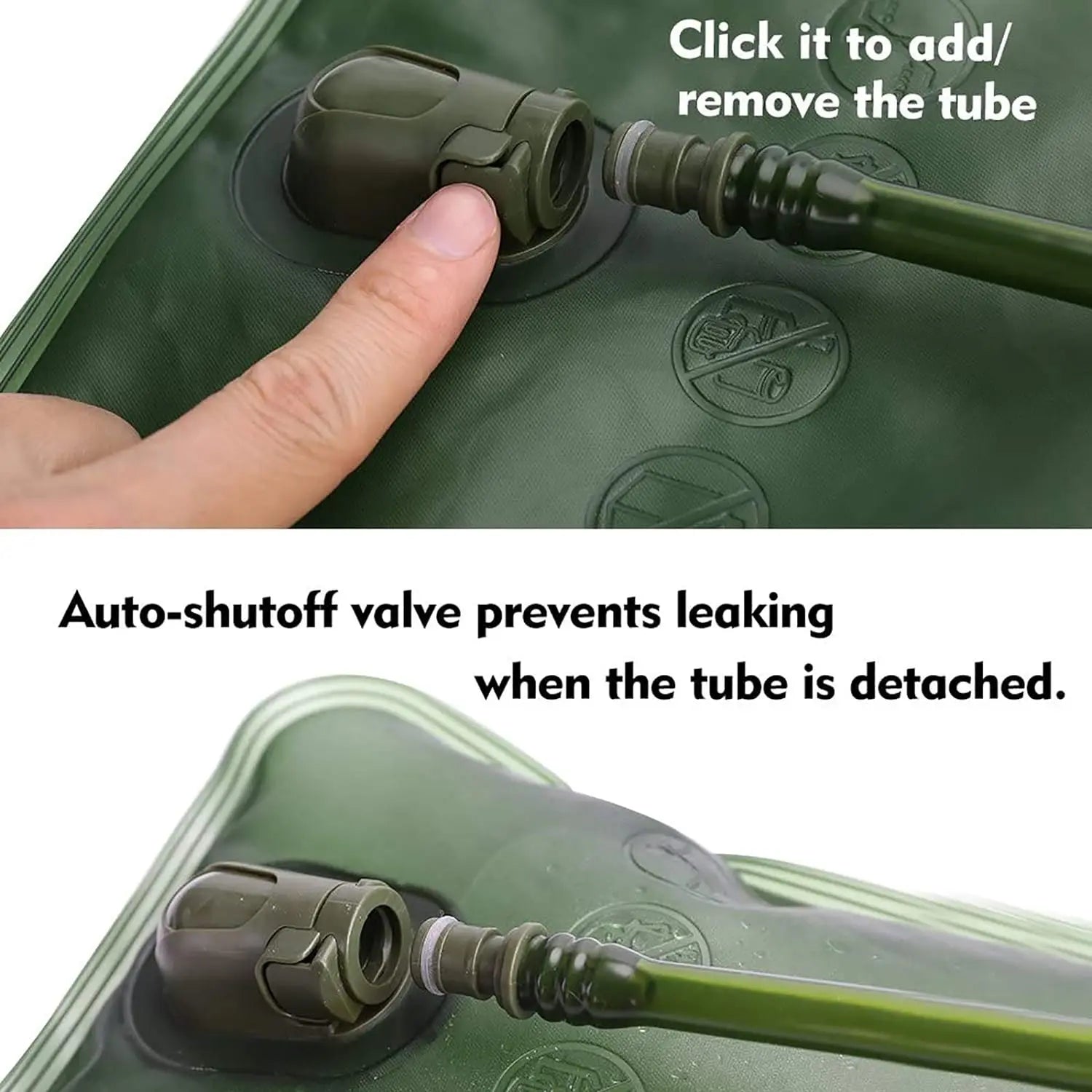
💡 See it in action
Why Hydration Bladders Work Better on Long Hikes
A water backpack bladder keeps hydration accessible while walking, climbing, or navigating uneven terrain. Unlike traditional bottles, hydration reservoirs distribute weight more evenly and allow hands-free drinking through a hose system connected directly to your backpack.
Outdoor travelers often notice three major improvements immediately:
- Less stopping during hikes
- Better hydration consistency
- Improved backpack balance
- Reduced arm and shoulder strain
- Faster access to water in hot weather
Hydration Bladder vs Water Bottles
| Feature | Hydration Bladder | Traditional Bottles |
|---|---|---|
| Hands-free drinking | Yes | No |
| Weight distribution | Balanced | Uneven |
| Easy access while moving | Excellent | Limited |
| Storage efficiency | Compact | Bulky |
| Best for long hikes | Excellent | Moderate |
Many hikers pair hydration systems with Lightweight Daypacks for shorter trips or use larger packs from Backpacking & Carry collections during multi-day adventures.
How To Set Up a Water Backpack Bladder Correctly
A properly installed water backpack bladder prevents leaks, improves comfort, and keeps water flowing smoothly during outdoor travel. Most problems happen because hikers overfill the reservoir, twist the hose incorrectly, or pack gear on top of the bladder.
Follow these simple setup steps before every hike:
- Rinse the hydration bladder with clean water before first use.
- Fill the reservoir about 80–90% full to prevent pressure leaks.
- Seal the opening securely and test for dripping.
- Slide the bladder into your backpack hydration sleeve.
- Route the drinking tube through shoulder strap loops.
- Clip the hose near chest level for easy sipping.
- Pack heavier gear below the reservoir to avoid squeezing pressure.
Using a leak proof hydration reservoir for backpacks becomes much easier when your pack stays organized. Adding tools from Gear Organizers & Pouches can prevent hose tangles and awkward storage problems.
For hikers carrying electronics or backup clothing, combining hydration systems with Waterproof & Dry Bags adds extra protection during rain or river crossings.
How Much Water Should You Carry?
| Activity | Recommended Capacity |
|---|---|
| Short day hikes | 1–1.5 liters |
| Moderate hikes | 2 liters |
| Long hikes | 2–3 liters |
| Hot weather trekking | 3+ liters |
One experienced backpacker shared that switching from side bottles to a hydration bladder helped reduce hiking fatigue because they drank smaller amounts consistently instead of waiting until thirsty.
👉 Upgrade your trail setup before your next adventure.
Explore the 2L Hydration Bladder for easier all-day hydration and better hiking comfort.
Common Hydration Bladder Mistakes To Avoid
Even high-quality hydration systems can fail when packed incorrectly. Most leaks, unpleasant tastes, and drinking issues come from avoidable setup mistakes.
The Most Common Problems Hikers Face
- Overtightening the cap
- Folding or twisting the hose
- Storing sugary drinks inside the bladder
- Leaving water inside for days
- Packing sharp objects beside the reservoir
- Ignoring regular cleaning routines
One overlooked issue is air pressure buildup. When a full hydration bladder sits under heavy gear, pressure forces water through the bite valve and causes dripping inside the backpack.
That’s why experienced hikers use structured packing systems from Compression & Packing Bags to separate equipment and reduce unnecessary pressure.
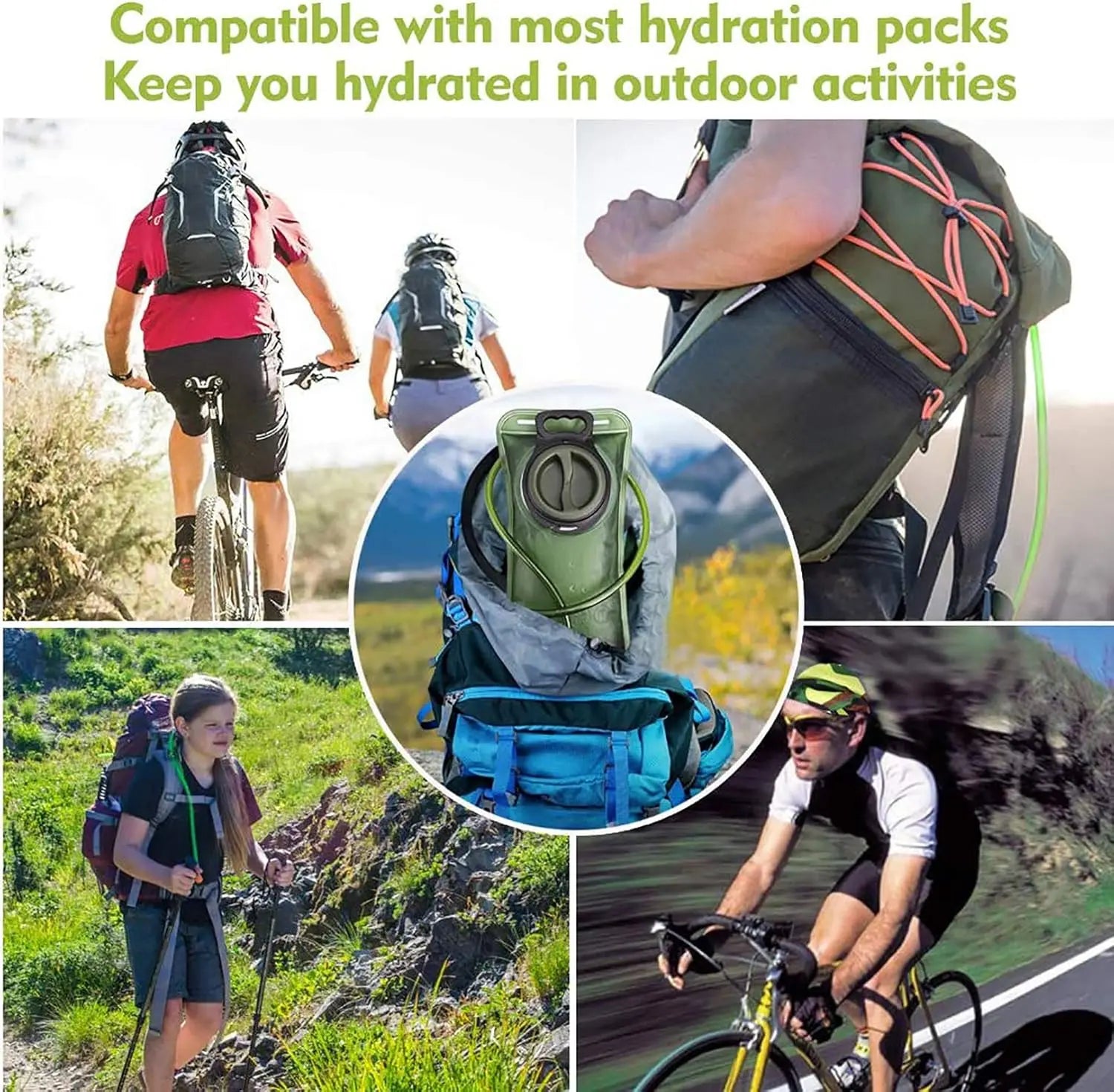
💡 See it in action
Smart Packing Tips for Long Hikes
Efficient packing hydration system for long hikes techniques can dramatically improve balance, comfort, and energy during outdoor travel.
Think of your backpack in zones:
- Hydration bladder closest to your back
- Heavy items centered in the middle
- Frequently used gear near the top
- Emergency items easily accessible
Ideal Backpack Layout for Hydration Systems
| Backpack Area | Best Items |
|---|---|
| Hydration Sleeve | Water bladder |
| Center Core | Food and cooking gear |
| Top Pocket | Rain gear and maps |
| Side Pockets | Filters and snacks |
| Bottom Section | Sleeping gear |
Long-distance hikers often combine hydration systems with Personal Water Filters so they can refill safely during remote trips.
If you’re planning overnight camping adventures, pairing hydration gear with Camping Storage & Boxes also makes campsite organization much easier.
Helpful Tips for Using Hydration Packs Hiking
- Take small sips every 15–20 minutes
- Freeze part of the reservoir overnight for hot-weather hikes
- Insulate the hose during winter trips
- Use electrolyte tablets for longer distances
- Clean the bite valve after dusty hikes
- Test your setup before major outdoor trips
Small improvements like these can make a huge difference during demanding hikes or unpredictable weather conditions.
👉 Learn how experienced hikers stay prepared on every trail.
Browse Safety, Survival & Emergency gear and outdoor essentials for smarter adventure planning.
How To Clean and Maintain Your Hydration Reservoir
A clean hydration bladder improves water taste, prevents bacteria growth, and extends the life of your gear. Many hikers skip cleaning after trips, which eventually causes mold, odors, and hose buildup.
Cleaning only takes a few minutes:
- Empty leftover water immediately after hiking.
- Rinse thoroughly with warm water.
- Use mild soap or bladder cleaning tablets.
- Scrub the hose using a cleaning brush.
- Air dry completely before storage.
Some hikers store their hydration bladder inside the freezer between trips to reduce bacteria growth.
For organized cleaning kits and trail accessories, many outdoor travelers also use Outdoor Cookware and Food Storage Bags & Containers collections to simplify campsite routines.
Essential Gear Checklist for Better Trail Hydration
The best hydration setup combines water access, weather protection, and efficient gear organization.
Recommended Hiking Hydration Checklist
- Water backpack bladder
- Backup collapsible bottle
- Water filter
- Rain cover
- Electrolyte packets
- Emergency whistle
- Compact first aid kit
- Portable power bank
Adding support gear from Collapsible Water Bottles, First Aid Kits, and Portable Power Banks helps hikers stay prepared for longer outdoor adventures.
Why Modern Hydration Systems Make Outdoor Travel Easier
A water backpack bladder gives hikers faster access to water, better weight distribution, and improved comfort on long trails. Combined with smart packing hydration system for long hikes methods, modern hydration systems reduce fatigue, improve energy levels, and help outdoor travelers stay prepared in changing weather conditions.
Outdoor beginners often underestimate how much easier hiking becomes once hydration feels automatic instead of inconvenient.
That’s why many experienced travelers prioritize hydration systems before upgrading other outdoor gear.
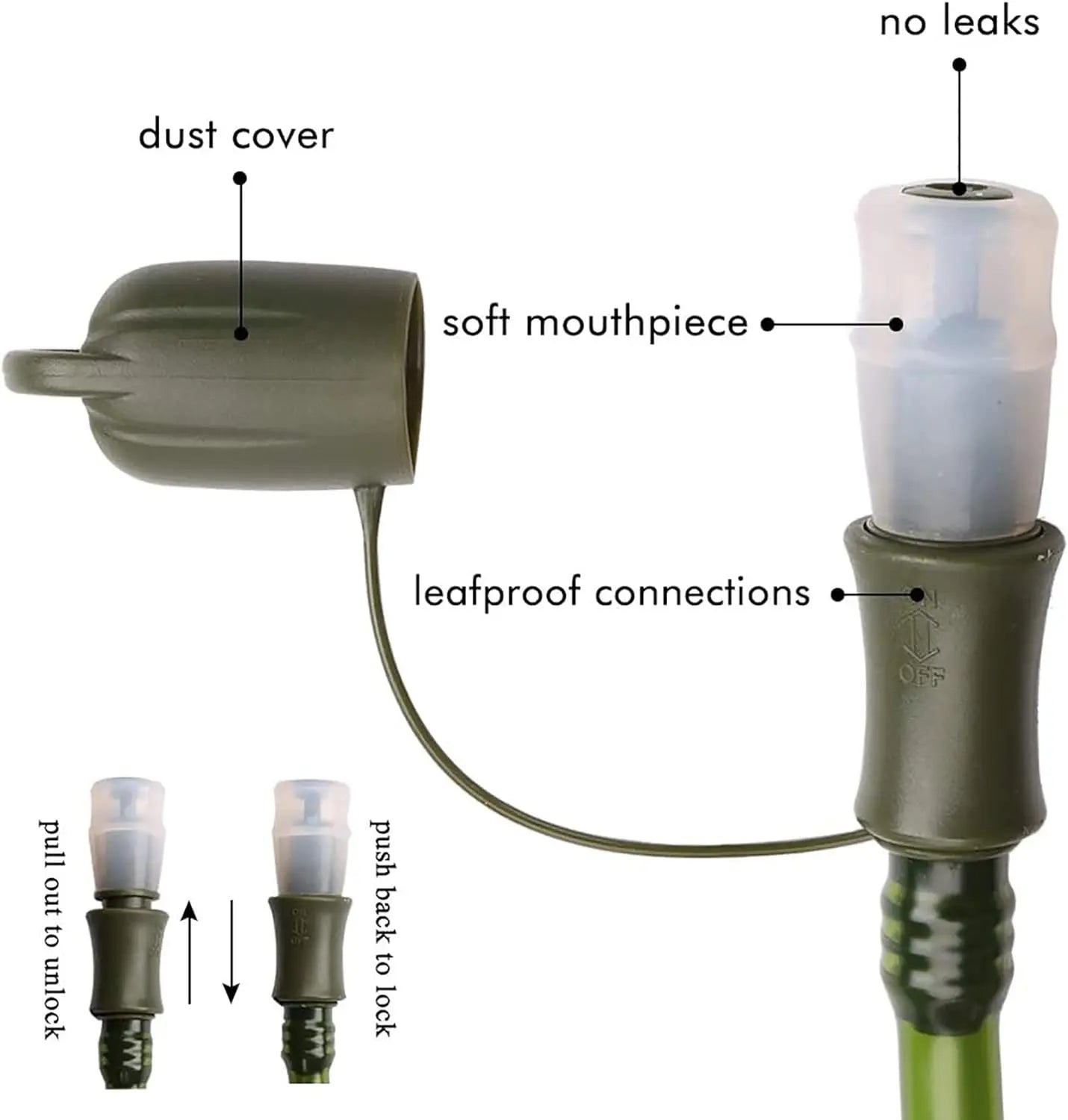
💡 See it in action
Stay Hydrated Without Slowing Down
The right hydration setup can completely change your outdoor experience. From reducing fatigue to improving comfort and convenience, a reliable water backpack bladder helps hikers stay focused on the adventure instead of constantly searching for water.
Whether you're preparing for day hikes, camping weekends, or longer backpacking trips, investing time into proper hydration setup pays off immediately on the trail.
👉 Get your hydration system ready before your next outdoor trip.
Explore the 2L Hydration Bladder along with helpful gear from Backpacking & Carry and Hydration & Food collections.
FAQ
How do you keep a hydration bladder from leaking?
Always seal the opening tightly, avoid overfilling the reservoir, and keep sharp gear away from the bladder. Packing heavy items below the hydration sleeve also reduces pressure leaks.
Can you put sports drinks inside a hydration bladder?
You can, but sugary drinks require more frequent cleaning. Rinse the reservoir immediately after use to prevent bacteria buildup and unpleasant odors.
How often should you clean a water backpack bladder?
Clean your hydration bladder after every major hike or camping trip. If you only use water, a quick rinse and full air drying may be enough between shorter adventures.
What size hydration bladder is best for hiking?
Most hikers prefer 2-liter reservoirs for moderate hikes. Longer hikes or hot-weather adventures may require 3 liters or more depending on terrain and temperature.
Are hydration bladders better than water bottles?
Hydration bladders offer hands-free drinking, better weight distribution, and easier access while hiking, making them ideal for long outdoor adventures and active trails.
Pillar Article: How To Clean A Hydration Bladder: Easy Step-By-Step Guide
Other Related Articles:
- What Is A Hydration Bladder: How It Works And How To Use
- Clean Hydration Bladder: Simple Methods That Actually Work
- Hydration Bladder Cleaner: How To Use It Correctly
Explore More:





