

Automotive Hose Repair: Roadside Fix & Replacement Guide
Automotive Hose Repair: DIY Fix vs Replace Decision Guide
Nothing creates roadside urgency faster than opening your hood and seeing steam billowing from the engine bay, followed by a sudden temperature spike or dashboard warning light. In most cases, this points to a failed automotive hose—often a radiator hose, heater hose, vacuum hose, or even a fuel line. The real challenge isn’t just fixing the leak; it’s deciding whether a temporary roadside repair will get you safely home or whether immediate replacement is required to avoid catastrophic engine damage.
This guide breaks down exactly how to diagnose hose failures, apply emergency fixes under real-world conditions, and choose between repair or replacement based on pressure, temperature, and system risk.
Understanding Automotive Hose Types and Failure Risks
Automotive hose systems are not interchangeable in terms of risk. Each type operates under different pressure and temperature conditions, which directly affects whether a repair is safe or only temporary.
How Each Hose Type Affects Repair Strategy
- Radiator Hose: High-temperature coolant flow (high risk if failure occurs).
- Heater Hose: Medium pressure coolant circulation (moderate risk).
- Vacuum Hose: Low pressure, often safe for temporary sealing.
- Fuel Line: High safety risk due to flammability—repair is only emergency-level.
Understanding the system determines whether you should attempt a roadside fix or move directly to replacement.
How to Diagnose an Automotive Hose Leak in Real Conditions
Before applying any repair, accurate diagnosis is critical. Most hose failures present clear physical and sensory indicators that can guide your next action even without tools.
Coolant vs Fuel vs Vacuum Leak Indicators
- Coolant Leak: Sweet smell, visible steam, green/orange fluid under car.
- Fuel Leak: Strong chemical odor, visible wetness near engine or fuel rail.
- Vacuum Leak: Engine idle fluctuation, hissing sound, reduced acceleration.
Once identified, the next step is determining whether a roadside fix is structurally safe under heat and pressure conditions.
Roadside Emergency Fixes for Automotive Hose Leaks
Emergency repairs are designed to stabilize pressure and prevent further fluid loss—not to permanently restore system integrity. The goal is to get the vehicle safely to a workshop.
Self-Fusing Silicone Tape for High-Heat Sealing
Self-fusing silicone tape is one of the most reliable temporary solutions for coolant and heater hose leaks. It bonds to itself under tension and withstands engine bay temperatures.
Best use cases: Small cracks, pinhole leaks, or surface splits on coolant hoses.
Using Hose Clamps to Stabilize Pressure Leaks
If the hose has a localized split, repositioning or tightening a hose clamp can reduce leakage temporarily. However, over-tightening may damage weakened rubber.
When High-Temperature Repair Tape Is Appropriate
High-temperature repair tape such as rubberized sealing tape is effective for emergency containment where fluid pressure is moderate and hose degradation is not structural failure.
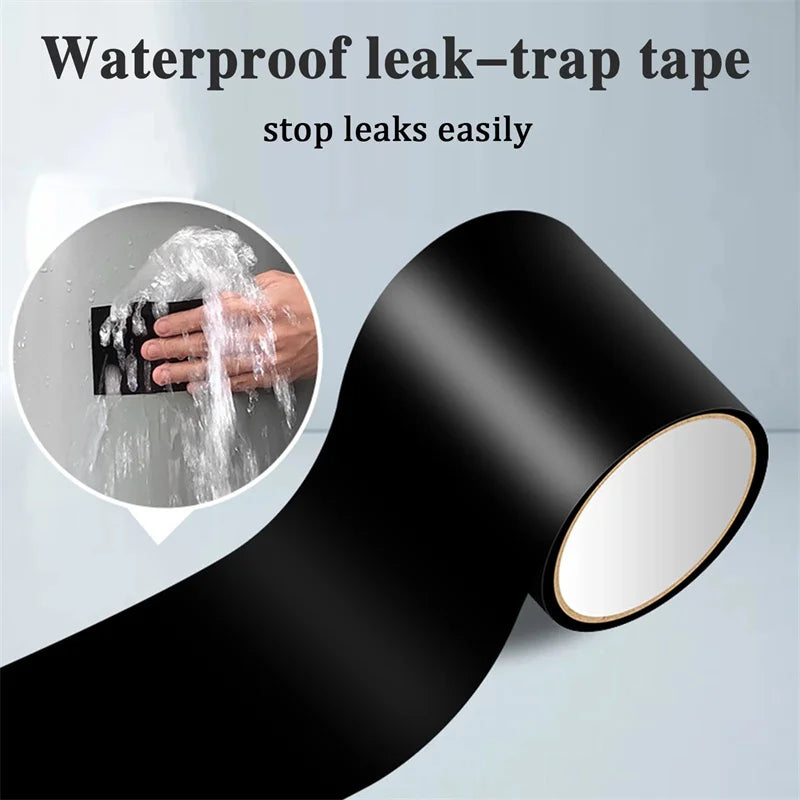
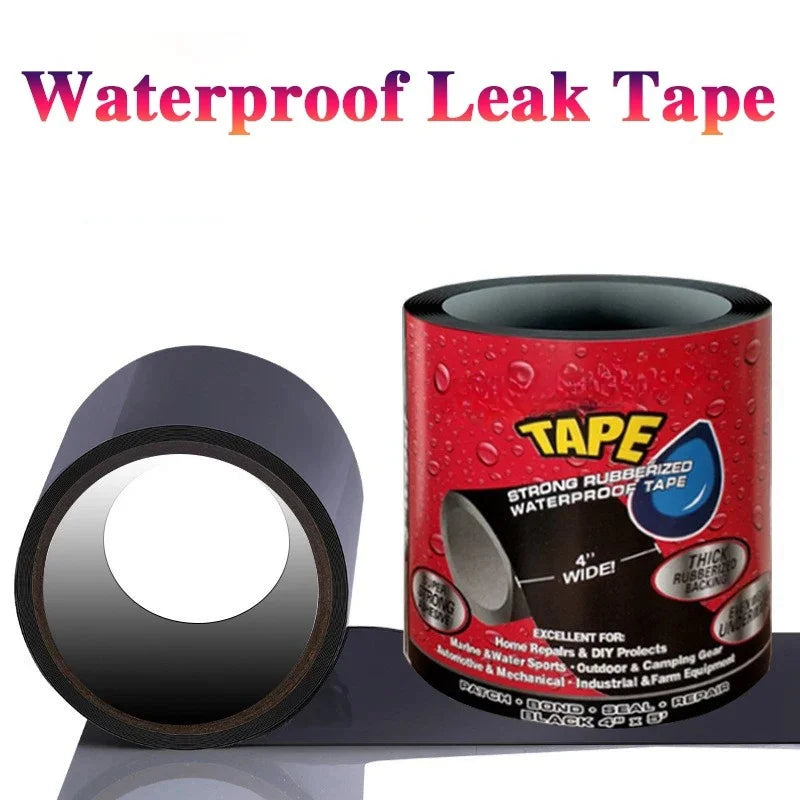
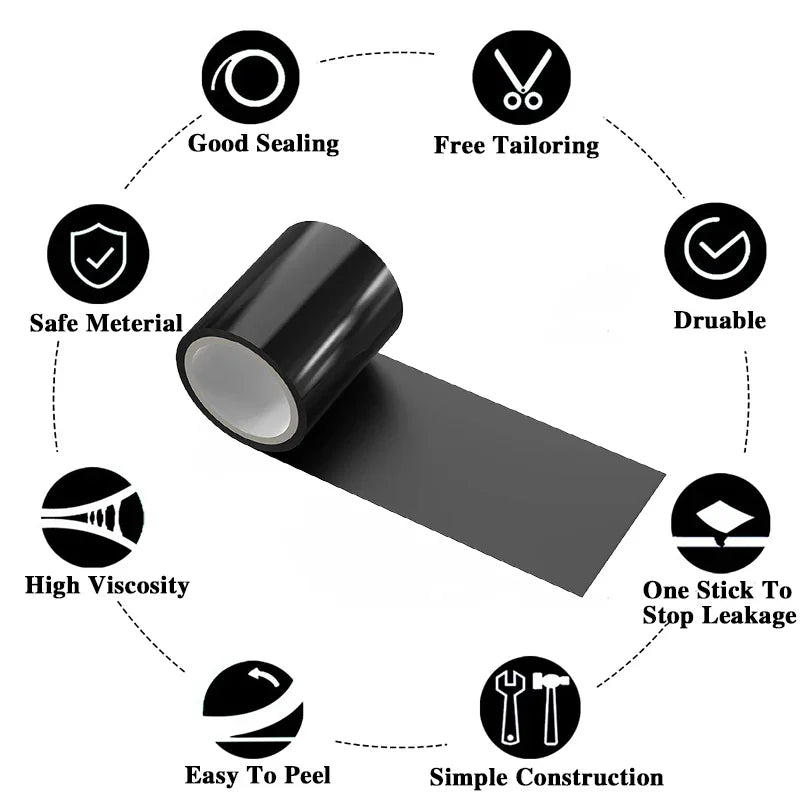
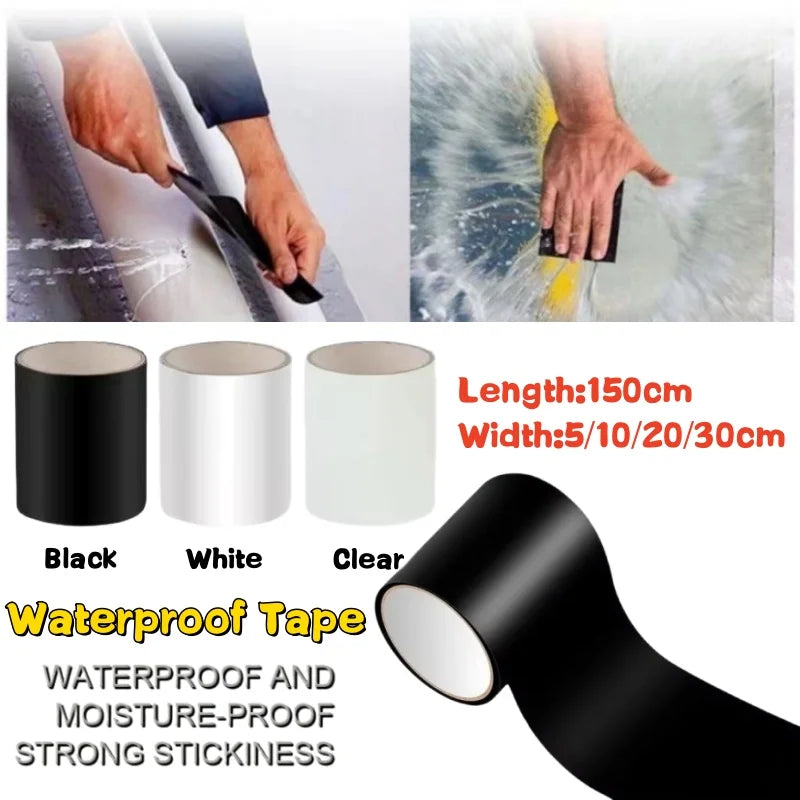
Emergency Product Option: 150cm Waterproof Repair Tape provides instant sealing for hoses, pipes, and automotive systems exposed to heat and pressure. It is designed for rapid roadside application and can temporarily stabilize leaks until proper replacement is performed.
View Waterproof Repair Tape for Emergency Hose Fix
CTA: For drivers who frequently travel long distances or remote routes, keeping a high-temperature repair tape in your emergency kit significantly reduces breakdown risk exposure.
Repair vs Replace Decision Tree (Critical Failure Thresholds)
The most important decision in automotive hose repair is knowing when a fix is no longer safe. The wrong choice can lead to overheating, engine damage, or fuel system hazards.
When Repair Is Acceptable
- Small surface cracks or pinholes
- Stable coolant pressure (no rapid loss)
- Non-critical hoses like vacuum lines
When Immediate Replacement Is Required
- Radiator hose rupture or bulging
- Fuel line leakage (high fire risk)
- Multiple leak points or brittle hose texture
Decision rule: If the hose shows structural weakness rather than a single leak point, replacement is always the safer option.
Permanent Repair Options: Splice Kits vs Full Hose Replacement
Once the vehicle is stabilized, permanent repair becomes the priority. Two main options exist: splice repair kits or full hose replacement using OEM or aftermarket parts.
OEM vs Aftermarket Hose Quality Differences
- OEM Automotive Parts: Exact fit, higher durability, better heat tolerance.
- Aftermarket Automotive Parts: More affordable, variable quality depending on manufacturer.
Comparison Matrix:
| Option | Durability | Cost | Best Use Case |
| OEM Hose | High | High | Long-term reliability |
| Aftermarket Hose | Medium | Low–Medium | Budget replacement |
| Splice Kit | Low–Medium | Low | Temporary or emergency repair |
Using a Torque Wrench for Clamp Reinstallation
Improper clamp tightening is one of the most common causes of repeat hose failure. A torque wrench ensures consistent pressure without damaging hose walls or fittings.
Pro insight: Over-tightening clamps can cut into rubber under heat expansion cycles, especially in radiator hose systems.
Safety Risks in Engine Bay Hose Failures
Automotive hose failures are not just mechanical issues—they are safety-critical events. Coolant loss can cause engine overheating within minutes, while fuel line leaks present fire hazards.
- Overheating risk: Engine seizure or head gasket damage
- Pressure burst risk: Sudden hose rupture under load
- Chemical exposure: Fuel vapors or hot coolant burns
Step-by-Step Hose Replacement Guide
When repair is not sufficient, full replacement ensures long-term safety and performance.
- Allow engine to fully cool before starting
- Drain coolant system if working on radiator or heater hose
- Loosen hose clamps carefully using appropriate tools
- Remove damaged hose and inspect fittings for corrosion
- Install new hose (OEM or aftermarket automotive parts)
- Secure clamps using proper torque settings
Reinstallation and System Pressure Testing
After installation, refill coolant and run engine at idle while monitoring pressure stability. Check for leaks during heat expansion cycles.
Preventing Future Automotive Hose Failures
Preventive maintenance significantly reduces roadside breakdown risk. Most hose failures are gradual and detectable early.
- Inspect hoses every oil change cycle
- Check for soft spots or bulging under pressure
- Replace aging hoses every 4–6 years depending on usage
- Monitor clamp tightness during seasonal temperature changes
CTA: Carrying emergency sealing materials and performing routine inspections ensures you avoid costly breakdowns and engine damage in high-heat conditions.
Conclusion
Automotive hose repair is ultimately a decision between temporary stabilization and permanent system integrity. Quick fixes like silicone tape or repair kits can save you during roadside emergencies, but they are not substitutes for proper replacement in high-pressure systems like radiator or fuel lines.
The safest approach is always structured: diagnose accurately, stabilize temporarily if safe, and replace damaged components using quality parts when possible.
Final CTA: Whether you're preparing for emergency roadside situations or planning preventative maintenance, having reliable sealing tools and replacement awareness is the key to avoiding engine failure and costly repairs.
Schema Markup
Related Articles:
- Waterproof Adhesive Tape: Rubberized vs Liquid Rubber Guide
- Waterproof Tape for Vinyl: Best Types, Use Cases & Pro Application Guide
- Fixing Plumbing Leak: Step-by-Step DIY Guide for Any Pipe Type
- Outdoor Tape Waterproof Guide: Fix Tents, Hoses & Gear in Any Weather
- Waterproof Tape for Pipe Repair Guide: Step-by-Step Leak Fix Methods
- Plumbing Heat Tape Performance Comparison: Durability, Efficiency & Failure Analysis
- Water Hose Leak Repair: Fix Leaks Fast (DIY Guide 2026)
- Emergency Water Leak Repair: Fast DIY Fixes & When to Call a Plumber
- Heavy Duty Waterproof Repair Tape for Instant Leak Fixes
- Best Waterproof Tape Compared: Top Leak Repair Picks for Pipes, Outdoor Fixes & Emergency Sealing





