

Plumbing Heat Tape Performance Comparison: Durability, Efficiency & Failure Analysis
Plumbing Heat Tape Performance Guide: Engineering-Level Durability & Efficiency Analysis
It’s a scenario many homeowners underestimate: temperatures plunge below freezing, your plumbing heat tape is installed, yet pipes still burst overnight. The failure isn’t random—it’s usually the result of misunderstood performance limits, poor installation, or material degradation over time.
This guide goes beyond generic advice. Instead of focusing on marketing claims, we break down plumbing heat tape through an engineering lens—covering thermal output behavior, durability factors, and real-world failure risks. If you’re evaluating solutions for freeze protection or long-term reliability, this analysis will help you make performance-based decisions.
For emergency situations where leaks occur despite protection systems, having a backup like a waterproof repair solution can prevent further damage while you address the root issue.
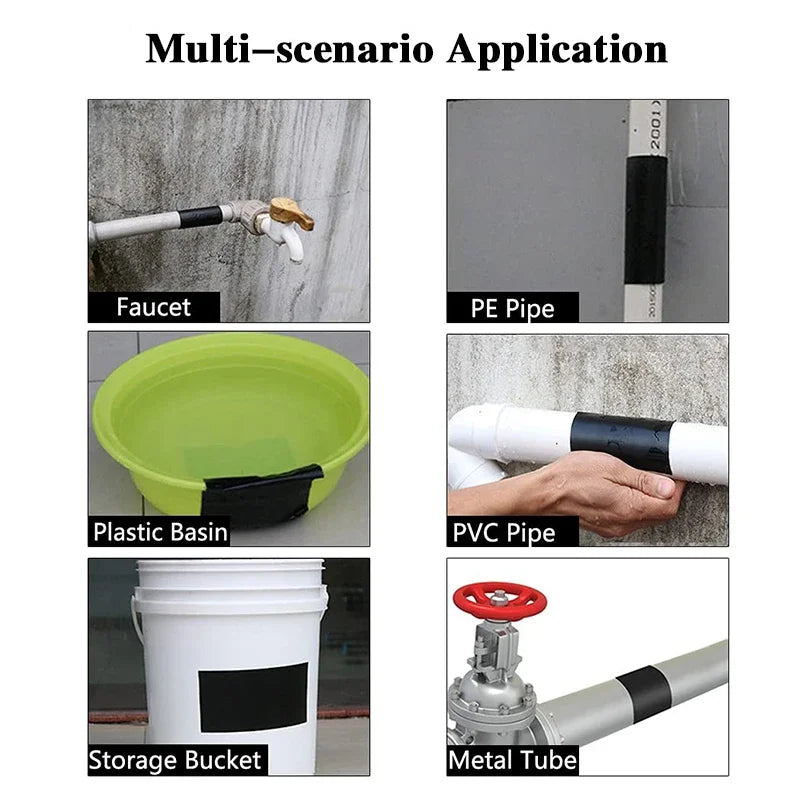
What Determines Plumbing Heat Tape Performance? (Quick Engineering Breakdown)
Heat Tape Watt Density and Thermal Output Basics
Watt density—measured in watts per foot—is the primary factor that determines how much heat a tape can generate. Typical residential heat tapes range from 3W/ft to 12W/ft.
- Low watt density (3–5W/ft): Suitable for mild climates
- Medium (6–8W/ft): Standard freeze protection
- High (9–12W/ft): Extreme cold environments
Higher watt density increases freeze protection but also raises energy consumption and potential overheating risks if improperly installed.
Thermal Output vs Ambient Temperature Curve Explained
Heat tape output is not constant in real-world conditions. As ambient temperature drops, heat loss from pipes increases exponentially. This creates a performance curve where:
- Heat output must exceed environmental heat loss
- Wind chill and exposure accelerate heat dissipation
- Insulation quality directly shifts the curve
In extreme cold, even high-rated heat tape can struggle if insulation or installation is inadequate.
Self-Regulating vs Constant Wattage Heat Tape
Two primary system types dominate the market:
- Self-regulating: Adjusts output based on temperature, improving efficiency and safety
- Constant wattage: Delivers fixed heat, offering predictable performance but higher overheating risk
Self-regulating systems are generally more durable in fluctuating climates due to adaptive output behavior.
Thermal Performance Under Extreme Conditions (Real-World Testing Insights)
Freeze Protection Temperature Thresholds by Tape Type
Typical operational thresholds:
- Standard heat tape: -10°F (-23°C)
- High-performance systems: -40°F (-40°C)
- Industrial-grade cables: below -50°F (-45°C)
These values assume proper insulation and installation—without them, real-world thresholds drop significantly.
Impact of Wind Chill, Pipe Exposure, and Installation Quality
Three external variables dominate performance:
- Wind exposure: Increases heat loss up to 300%
- Pipe material: Conductivity affects heat retention
- Installation errors: Gaps or overlaps reduce efficiency
Simulated Performance Benchmarks in -10°F to -40°F Conditions
Engineering simulations show that:
- Self-regulating cables maintain stable output up to -30°F
- Constant wattage systems lose efficiency beyond -20°F
- Insulation thickness improves performance by 40–60%
Durability Engineering: Materials, Insulation & Environmental Resistance
Pipe Insulation Materials: PVC vs Fluoropolymer Performance
Material choice significantly impacts lifespan:
- PVC insulation: Cost-effective but degrades faster under UV exposure
- Fluoropolymer: Superior heat resistance and chemical durability
Moisture Ingress in Insulation Systems: Hidden Performance Killer
Water intrusion reduces insulation effectiveness and increases energy loss. Over time, moisture leads to:
- Thermal inefficiency
- Electrical risks
- Premature system failure
UV Exposure, Abrasion, and Mechanical Stress Resistance
Outdoor installations must withstand:
- UV radiation breaking down insulation layers
- Mechanical stress from expansion and contraction
- Abrasion from environmental contact
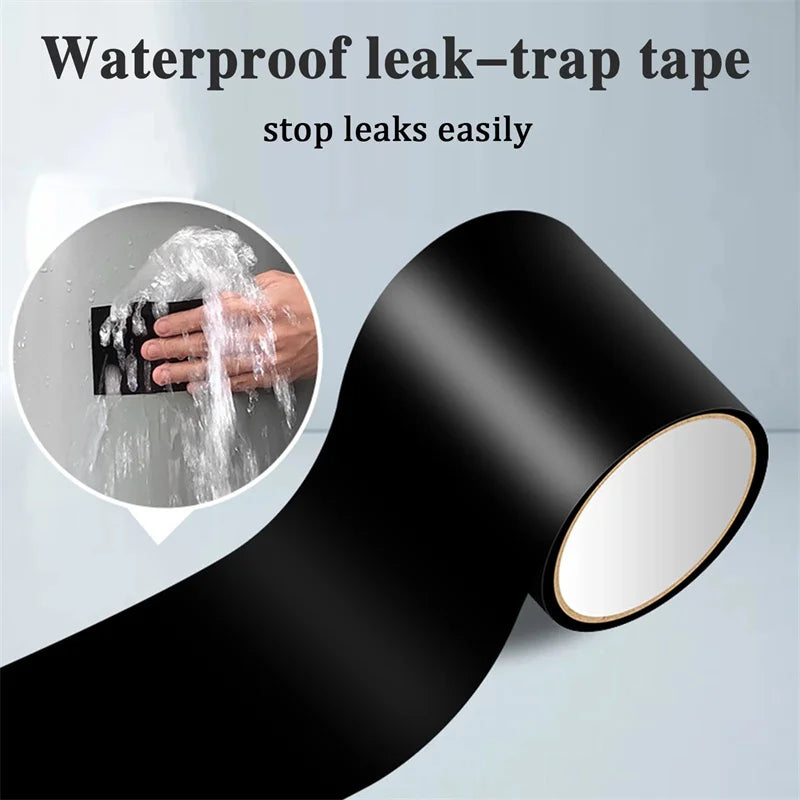
In scenarios where insulation or tape integrity fails, products like a waterproof repair tape can act as a temporary barrier against leaks while maintaining thermal resistance in extreme ranges (-60°C to 260°C).
Failure Modes & Risk Analysis (Why Heat Tape Systems Fail)
Electrical Failures: Overheating, Short Circuits, and Insulation Breakdown
Common electrical failure points include:
- Overlapping tape causing localized overheating
- Damaged insulation leading to short circuits
- Aging components increasing resistance
Installation Errors and Their Long-Term Impact
Improper installation is the leading cause of failure:
- Loose contact with pipe reduces heat transfer
- Incorrect wrapping patterns create cold spots
- Lack of insulation reduces system efficiency
Waterproof Adhesive Tape Degradation in Wet Conditions
Adhesive systems degrade due to:
- Constant moisture exposure
- Temperature cycling
- Mechanical stress
Using high-performance repair solutions during early signs of degradation can prevent full system failure and reduce repair costs.
Lifespan vs Usage Intensity Model (How Long Does Heat Tape Really Last?)
Continuous vs Seasonal Usage Lifespan Comparison
Typical lifespan ranges:
- Continuous use: 3–5 years
- Seasonal use: 5–10 years
Energy Efficiency Degradation Over Time
As systems age:
- Resistance increases
- Heat output decreases
- Energy consumption rises
Maintenance and Replacement Threshold Indicators
- Uneven heating along pipe length
- Visible insulation damage
- Unexpected energy usage spikes
Pipe Material Compatibility & Heat Transfer Efficiency
Copper vs PEX vs PVC: Heat Conductivity Differences
- Copper: High conductivity, efficient heat transfer
- PEX: Moderate insulation, slower heat absorption
- PVC: Low conductivity, requires higher watt density
Installation Adjustments by Pipe Type
Different materials require adjustments in wrapping technique and insulation thickness to optimize performance.
Compliance, Safety Standards & Certification Benchmarks
UL Certification Heat Tape Requirements
UL certification ensures:
- Electrical safety compliance
- Thermal performance validation
- Fire hazard prevention
CSA Compliance for Electrical Heating Cables
CSA standards focus on durability and reliability under North American environmental conditions.
Scenario-Based Performance Recommendations (Decision Matrix)
Extreme Cold Climate vs Moderate Climate Solutions
- Extreme cold: high watt density, self-regulating systems
- Moderate climates: standard constant wattage solutions
High Moisture vs Dry Environment Installations
- Wet environments: fluoropolymer insulation + waterproof sealing
- Dry conditions: standard insulation acceptable
Budget vs Long-Term Efficiency Trade-Off Analysis
Lower upfront cost systems often result in higher lifecycle expenses due to reduced durability and efficiency.
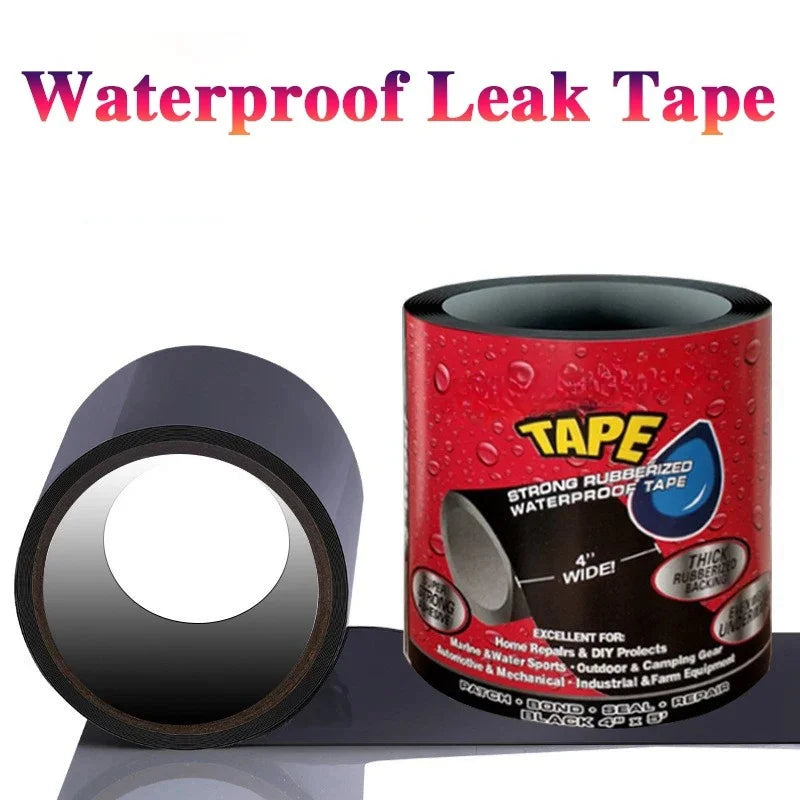
For emergency preparedness, integrating backup repair solutions alongside your heat tape system ensures resilience against unexpected failures.
Frequently Asked Questions
How long does plumbing heat tape last under continuous use?
Typically 3–5 years, depending on usage intensity, environmental conditions, and installation quality.
What temperature can plumbing heat tape withstand before failure?
Most systems operate safely up to 150–200°C internally, but environmental exposure and insulation quality affect real-world limits.
Can heat resistant tapes for plumbing leaks handle extreme cold climates?
Yes, high-performance repair tapes can function in temperatures as low as -60°C, making them suitable for emergency fixes in extreme conditions.
What are the most common failure modes of plumbing heat tape systems?
Electrical faults, installation errors, insulation degradation, and moisture ingress are the primary causes.
How does waterproof adhesive tape durability change over time in wet conditions?
Durability decreases due to thermal cycling and moisture exposure, but high-quality rubberized adhesives maintain performance significantly longer.
Conclusion
True plumbing heat tape performance isn’t defined by marketing specs—it’s determined by engineering factors like watt density, insulation integrity, environmental exposure, and installation precision.
By understanding failure modes, thermal behavior, and durability limits, you can select solutions that perform reliably under real-world conditions. Whether you’re upgrading an existing system or planning for extreme weather, combining high-quality heat tape with reliable backup repair options ensures long-term protection and peace of mind.
Pillar Article: Automotive Hose Repair: Roadside Fix & Replacement Guide





