

Waterproof Tape for Vinyl: Best Types, Use Cases & Pro Application Guide
Waterproof Tape for Vinyl: Best Types, Use Cases & Pro Application Guide
Ever tried sealing a vinyl surface—only to watch the tape peel off within hours? That frustrating failure usually comes down to one issue: vinyl is notoriously difficult for adhesives. Between low surface energy and plasticizer migration, most generic tapes simply don’t bond well.
This guide solves that problem. Instead of generic recommendations, you’ll get a vinyl-specific decision framework—matching tape types (butyl, silicone, acrylic, vinyl) to real-world use cases like inflatable repair, outdoor seams, and marine applications.
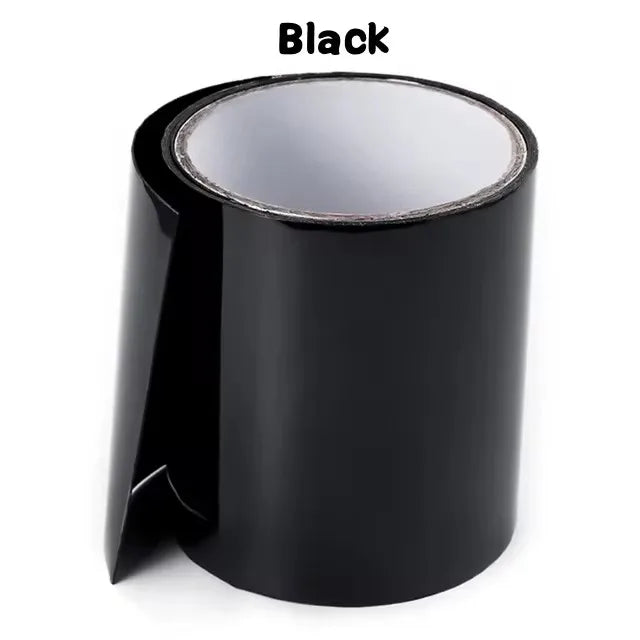
What Is the Best Waterproof Tape for Vinyl Surfaces?
Quick Answer: Best Tape Types by Use Case
- Butyl tape: Best for outdoor seams, tarps, and long-term waterproofing
- Silicone tape: Ideal for flexible vinyl and emergency leak sealing
- Acrylic adhesive tape: Best for UV exposure and long-term durability
- Vinyl repair tape: Best for inflatables and cosmetic surface repairs
Top Recommended Waterproof Tapes for Vinyl (Expert Picks)
For versatile, high-performance sealing across multiple vinyl applications, the 150cm Waterproof Repair Tape stands out due to its rubberized adhesive system, high temperature tolerance (-60°C to 260°C), and strong bonding on uneven or damp surfaces.
It’s especially effective for:
- Emergency leak repairs on vinyl hoses and tubing
- Outdoor vinyl gear exposed to harsh weather
- Flexible surfaces requiring stretch and durability
Vinyl Surface Types & Why Tape Compatibility Matters
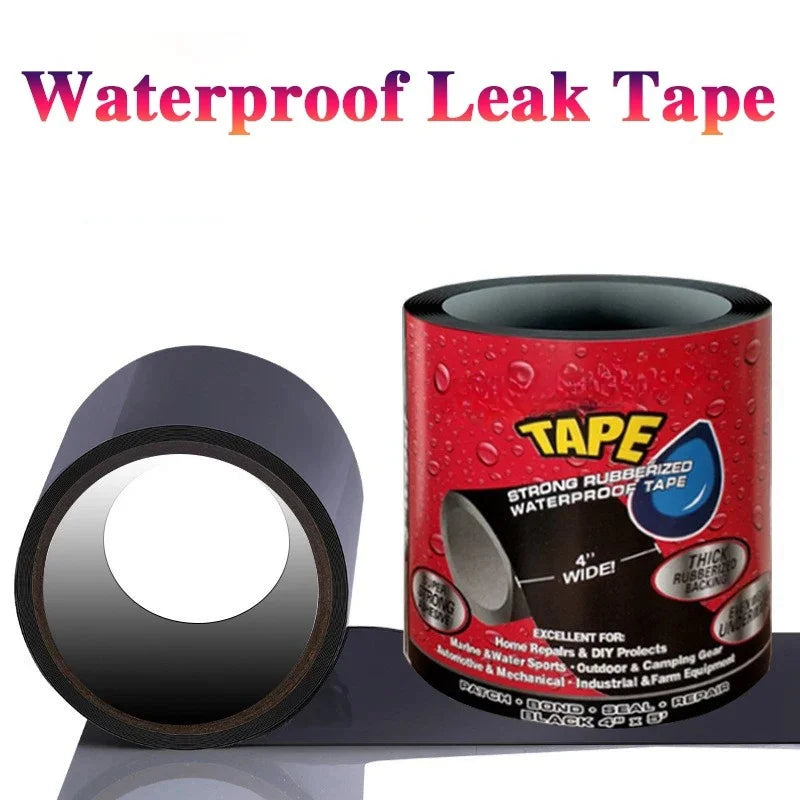
PVC Vinyl Material vs Flexible Vinyl Surfaces
Rigid PVC vinyl has a smoother surface and slightly higher surface energy, making it easier for adhesives to bond. Flexible vinyl, however, contains plasticizers that migrate over time—weakening adhesion.
Coated Vinyl Fabric (Marine, Tarps, Inflatables)
These materials combine fabric backing with vinyl coatings. Adhesion depends not only on the vinyl layer but also on how that coating interacts with the adhesive. Many tapes fail because they cannot penetrate or grip the coated surface properly.
Surface Energy & Plasticizers: The Hidden Adhesion Problem
Vinyl has low surface energy, meaning adhesives struggle to “wet out” and form a strong bond. Add plasticizer migration (oily compounds moving to the surface), and you get rapid adhesive breakdown—especially in heat or sunlight.
Waterproof Tape Types Explained for Vinyl Applications
Butyl Adhesive Tape: Maximum Seal & Water Resistance
Butyl tapes are highly tacky and excel at forming airtight and waterproof seals. They conform well to irregular vinyl surfaces and resist water intrusion—even under pressure.
Silicone Seal Tape: Flexibility for Dynamic Surfaces
Silicone tapes don’t rely on traditional adhesives. Instead, they self-fuse, making them ideal for stretchable vinyl or high-movement applications like hoses.
Acrylic Adhesive Systems: Balanced Durability & UV Resistance
Acrylic adhesives offer strong long-term bonding and superior UV resistance, making them suitable for outdoor vinyl covers and exposed surfaces.
Vinyl Repair Tape: Material Matching for Seamless Fixes
These tapes are designed specifically for vinyl-on-vinyl bonding. They blend visually and adhere better to inflatables, pool liners, and soft vinyl products.
Performance Comparison: Which Tape Works Best on Vinyl?
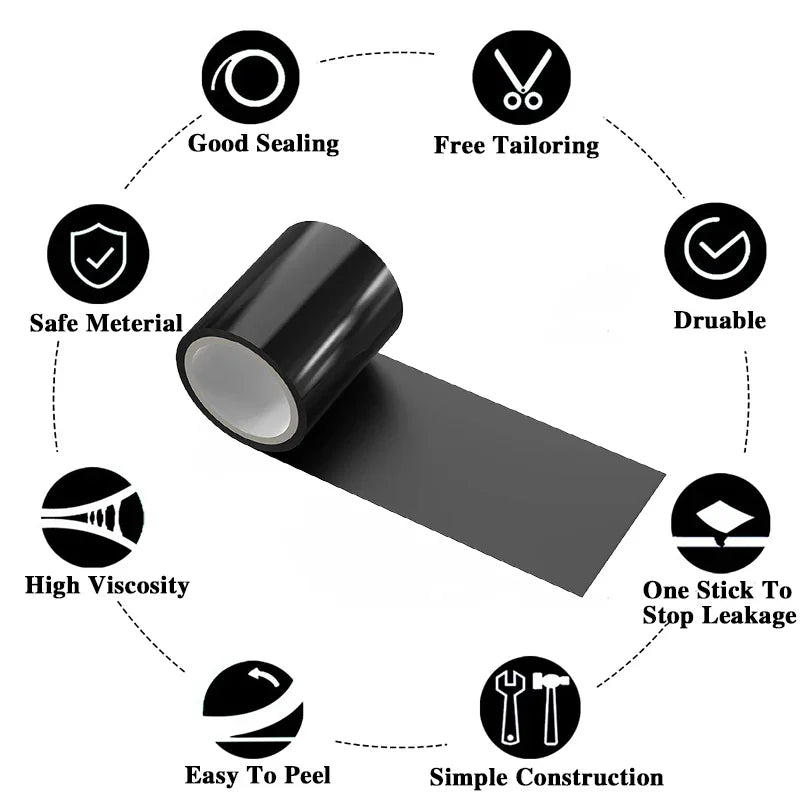
Adhesion Strength & Peel Strength Testing
Butyl tapes typically deliver the highest initial tack and peel strength. Acrylic adhesives improve over time, while silicone tapes rely on mechanical bonding rather than adhesion.
Elongation & Flexibility Under Stress
Silicone tapes offer the highest elongation, making them ideal for dynamic vinyl surfaces. Rubberized tapes also perform well, maintaining flexibility without cracking.
UV Resistance & Weather Durability
Acrylic tapes outperform others in UV resistance. Butyl can degrade under prolonged UV exposure unless protected.
Temperature Tolerance Ranges
High-performance tapes (like rubberized variants) can withstand extreme temperatures, making them suitable for automotive and outdoor environments.
Best Use Cases: Matching Tape Type to Real-World Vinyl Repairs
Inflatable Vinyl Repair (Pools, Air Mattresses)
Use vinyl repair tape or flexible rubberized tape. Ensure edges are rounded to prevent peeling.
Outdoor Vinyl Seams & Covers
Butyl or acrylic tapes work best due to their water resistance and UV durability.
Piping, Hoses & Leak Sealing
Rubberized waterproof tape is ideal here. It handles pressure (up to 5 bar) and adheres even on damp surfaces.
Marine & Boat Vinyl Applications
Choose UV-resistant acrylic or marine-grade vinyl tape for long-term exposure to saltwater and sunlight.
Why Waterproof Tape Fails on Vinyl (And How to Prevent It)
Plasticizer Migration & Adhesive Breakdown
Over time, plasticizers weaken adhesive bonds. Choosing compatible adhesive systems (like butyl or rubberized) helps mitigate this.
Poor Surface Preparation
Dirty or oily surfaces prevent bonding. Always clean with isopropyl alcohol and allow full drying.
Incorrect Tape Selection
Using general-purpose tape on vinyl almost guarantees failure. Match the adhesive type to the surface and use case.
How to Apply Waterproof Tape on Vinyl (Step-by-Step)
Surface Cleaning & Prep Protocol
- Clean with alcohol to remove oils and plasticizers
- Dry completely before application
- Lightly roughen glossy surfaces if needed
Application Technique for Maximum Adhesion
- Apply firm pressure across the entire tape
- Avoid air bubbles
- Overlap edges by at least 1–2 cm
Post-Application Curing & Testing
- Allow 24 hours for full bonding
- Test under light stress before full use
For reliable results across multiple vinyl applications, using a high-quality rubberized tape can significantly improve success rates—especially when dealing with leaks or outdoor exposure.
Tape vs Liquid Sealant vs Vinyl Patch: What Works Best?
When Tape Is the Best Option
Use tape for quick repairs, flexible surfaces, and temporary or semi-permanent fixes.
When to Use Liquid Sealants
Sealants are better for filling gaps or irregular surfaces where tape cannot fully adhere.
When Vinyl Patches Outperform Tape
For structural damage or large tears, patches provide stronger reinforcement than tape alone.
Conclusion
Choosing the right waterproof tape for vinyl isn’t about brand—it’s about compatibility. Match the tape type to your vinyl surface, consider environmental conditions, and follow proper application techniques.
Whether you're repairing inflatables, sealing outdoor gear, or fixing leaks, the right tape combined with correct prep makes all the difference. For versatile, high-performance needs, a durable rubberized waterproof tape offers a reliable all-around solution.
Pillar Article: Automotive Hose Repair: Roadside Fix & Replacement Guide





