

Waterproof Adhesive Tape: Rubberized vs Liquid Rubber Guide
Waterproof Adhesive Tape Explained: Butyl, PVC & Rubberized Sealing Guide for Pipes
When a pipe suddenly starts leaking or an outdoor hose begins spraying water unexpectedly, the urgency is immediate. You don’t always have time for full replacements or professional repairs. This is where waterproof adhesive tape becomes a practical first-response solution. But not all tapes behave the same way under pressure, moisture, or temperature stress. Some are designed for quick patching, others for structural-level sealing, and a few are engineered for long-term waterproof barriers.
The real difference lies in material science—whether it’s butyl rubber, PVC-based films, rubberized adhesive composites, or liquid rubber coatings. Each behaves differently when exposed to water pressure, surface movement, or outdoor environments. Choosing the right type determines whether your repair lasts hours or years.
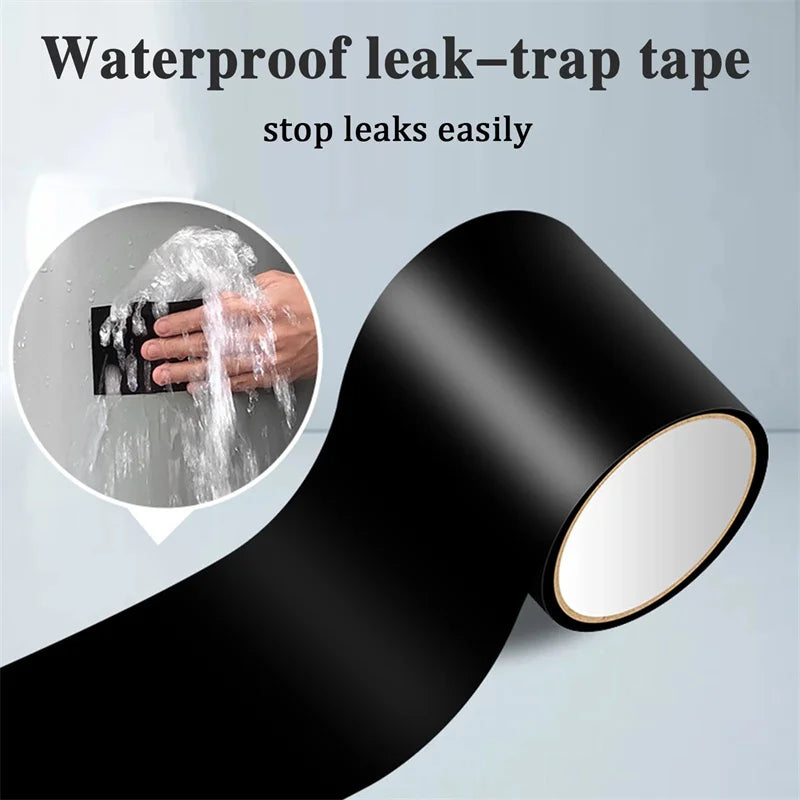
What Is Waterproof Adhesive Tape and How It Works
Waterproof adhesive tape is a sealing material engineered to block water penetration by combining a pressure-sensitive adhesive layer with a water-resistant backing. Unlike standard tapes, it is designed to maintain adhesion even in wet, humid, or pressurized environments.
Core sealing mechanism: adhesion vs water pressure
The effectiveness of waterproof tape depends on its ability to maintain adhesion while resisting opposing water pressure. When applied correctly, the adhesive layer forms a bond with the surface, while the outer layer prevents water intrusion. The stronger the material structure, the higher the resistance to peeling or micro-leaks over time.
Why material composition determines performance
Material composition influences flexibility, durability, and temperature resistance. For example, rubber-based adhesives provide elasticity for irregular surfaces, while PVC films offer stability and cost efficiency. Butyl-based adhesives excel in long-term sealing due to their self-healing and pressure-resistant properties.
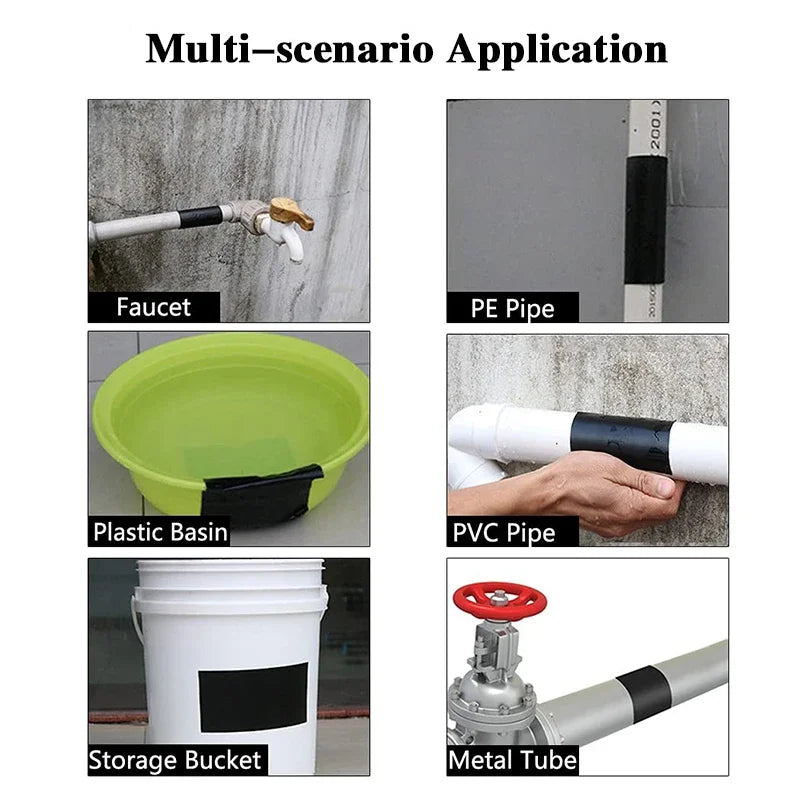
Material Comparison: Butyl, PVC, Rubberized Tape & Liquid Rubber Coatings
Understanding material differences is essential before choosing waterproof adhesive tape. Each type serves a different repair scenario, from emergency pipe sealing to structural waterproofing.
| Material Type | Adhesion Strength | Flexibility | Temperature Resistance | Best Use Case |
| Butyl Rubber Tape | Very High | High | Moderate to High | Roofing, long-term pipe sealing |
| PVC Waterproof Tape | Moderate | High | Moderate | Quick fixes, indoor plumbing |
| Rubberized Tape | High | Very High | Very High | High-pressure pipes, automotive leaks |
| Liquid Rubber Coating | Permanent Bond | Medium | High | Seamless waterproof membranes |
Butyl rubber tape: high adhesion and long-term sealing
Butyl tape is known for its strong self-adhesive properties and long-term waterproofing performance. It can conform to uneven surfaces and maintain a seal under vibration or minor movement, making it ideal for roofing joints and pipe insulation.
PVC waterproof tape: flexible and quick-fix solution
PVC tape is widely used for fast repairs due to its flexibility and ease of application. It is best suited for temporary sealing rather than permanent structural repairs.
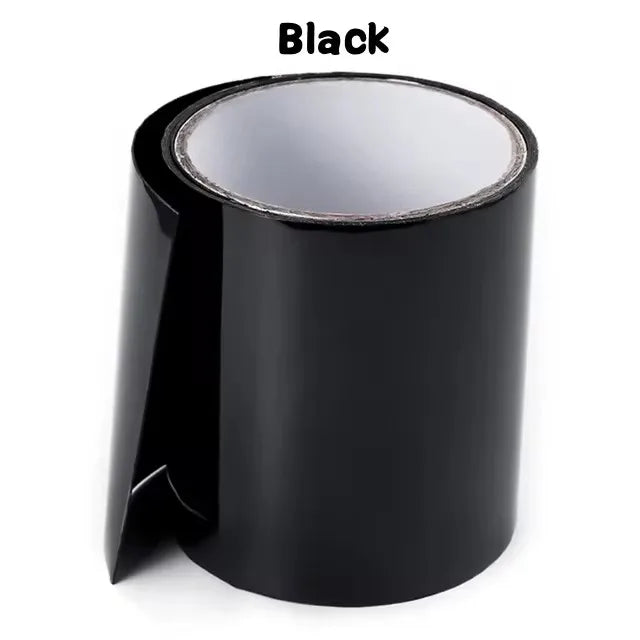
Black rubberized tape: pressure-resistant sealing layer
Rubberized waterproof tape is engineered for high-stress environments. It performs well under water pressure and temperature fluctuations, making it suitable for pipes, hoses, and automotive systems.
Liquid rubber coating: seamless waterproof membrane alternative
Liquid rubber forms a continuous waterproof layer once cured. Unlike tape, it eliminates seams and is often used in roofing and large surface waterproofing projects.
Soft guidance: Choosing between these materials depends on whether you prioritize speed, durability, or pressure resistance. Rubberized and butyl solutions are typically preferred for critical leak repairs.
Rubberized Adhesive Tape Performance in High-Pressure Water Conditions
Rubberized waterproof tape stands out in scenarios where water pressure is continuous or fluctuating. Unlike standard adhesive films, it uses elastic polymer chains that allow it to stretch and maintain contact even when surfaces shift slightly.
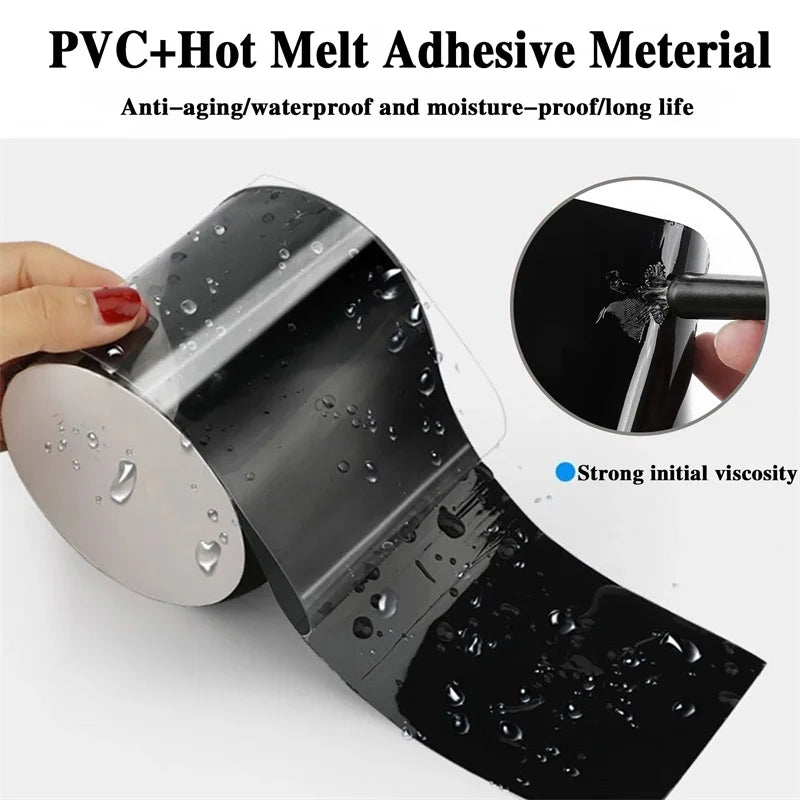
How pressure affects tape bonding over time
Water pressure attempts to force separation between the adhesive layer and the surface. Rubberized tape counters this by distributing force evenly across its flexible structure, reducing localized failure points that typically lead to leaks.
Temperature resistance and outdoor durability
High-quality rubberized tapes can operate across extreme temperature ranges, maintaining adhesion in both hot and cold environments. This makes them suitable for outdoor piping systems, exposed hoses, and automotive repairs where temperature cycling is common.
Best Use Cases: Pipes, Roofs, and Outdoor Repair Applications
Waterproof adhesive tape is not a universal solution—it performs differently depending on the environment and application type. Matching the material to the use case is essential for long-term success.
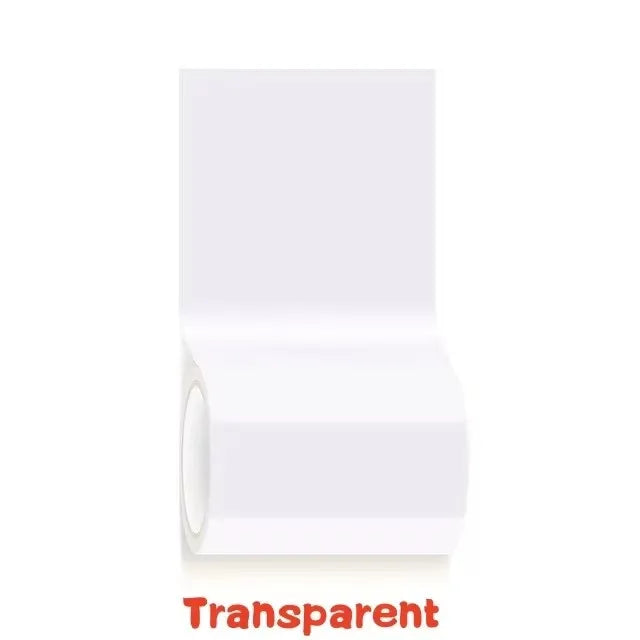
Pipe leak repair systems and plumbing joints
Rubberized and butyl tapes are commonly used for sealing pipe joints and emergency leak repairs. Their ability to maintain pressure resistance makes them ideal for both indoor plumbing and exposed water lines.
Roof waterproofing membrane patching
Butyl-based solutions are frequently applied to roof joints, flashing areas, and membrane cracks. Their long-term adhesion helps prevent water infiltration during heavy rainfall.
Outdoor gear and garden hose repairs
PVC and rubberized tapes are effective for quick fixes on garden hoses, outdoor equipment, and camping gear exposed to moisture and movement.
Step-by-Step Waterproof Sealing Techniques for Long-Lasting Repairs
Proper application is just as important as material selection. Even high-performance tape can fail if the surface preparation or wrapping technique is incorrect.
Surface preparation and drying process
Before applying tape, ensure the surface is clean, dry, and free of oil or debris. Moisture trapped under the adhesive layer reduces bonding strength significantly.
Proper wrapping and tension technique
Apply the tape with consistent tension, overlapping each layer by at least 50%. This overlap ensures no direct water path can penetrate the sealed area.
Sealing reinforcement for high-pressure leaks
For pressurized leaks, multiple layers of rubberized tape may be required. Reinforcing edges is critical to prevent lift-off under sustained water force.
Waterproof Tape Selection Matrix: Choosing the Right Material
Selecting the right waterproof adhesive tape depends on balancing pressure conditions, exposure level, and repair longevity expectations.
Quick decision framework: which tape should you use?
If the repair is temporary and low-pressure, PVC tape is sufficient. For structural or outdoor exposure, butyl or rubberized tape is more reliable. For permanent waterproofing systems, liquid rubber coatings provide the most durable solution.
Performance ranking by scenario
High-pressure pipes → rubberized tape performs best. Roofing joints → butyl tape leads in durability. Temporary indoor fixes → PVC tape offers speed and flexibility. Large surface waterproofing → liquid rubber provides seamless protection.
Internal references: Explore related outdoor repair and gear solutions such as weather protection systems, waterproof storage solutions, and emergency repair kits for broader preparedness strategies.
Common Mistakes and Limitations in Waterproof Tape Repairs
Even high-quality waterproof adhesive tape can fail if applied incorrectly or used beyond its intended scope.
Why leaks reappear after sealing
One of the most common issues is poor surface preparation. Dust, oil, or residual moisture prevents proper adhesion, leading to gradual leakage over time.
Environmental and temperature-related failures
Extreme heat or cold can affect adhesive flexibility. Low-quality tapes may become brittle in cold conditions or soften excessively in high heat, reducing effectiveness.
Conclusion
Waterproof adhesive tape is far more than a simple repair accessory—it is a material-dependent sealing system where performance is defined by composition, application technique, and environmental conditions. Butyl, PVC, rubberized tape, and liquid rubber coatings each serve distinct roles, from quick emergency fixes to long-term waterproof barriers.
In real-world applications like pipe leaks, roof sealing, or outdoor gear repair, success depends on matching the right material with the right pressure and exposure conditions. Rubberized and butyl-based solutions consistently perform best in demanding environments, while PVC remains useful for rapid, low-stress repairs.
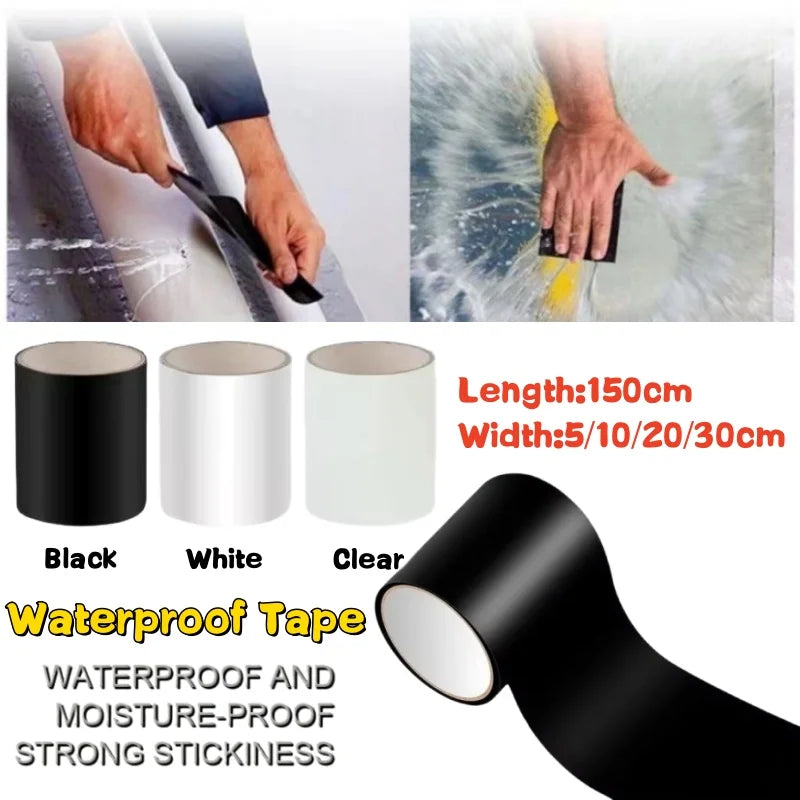
For high-performance emergency sealing needs, a rubberized solution like 150cm Waterproof Repair Tape can provide fast adhesion and strong waterproof protection across multiple surfaces.
Pillar Article: Automotive Hose Repair: Roadside Fix & Replacement Guide





