

Emergency Water Leak Repair: Fast DIY Fixes & When to Call a Plumber
Emergency Water Leak Repair: What to Do in the First 10 Minutes
A sudden pipe burst or fast-spreading leak can turn into thousands of dollars in damage within minutes. Floors warp, walls soak, and mold can begin forming faster than most homeowners realize. The first 10 minutes are critical.
This guide gives you a clear, step-by-step emergency response plan—so you can stop the damage immediately, contain the leak, and decide whether to fix it yourself or call a 24/7 plumber.
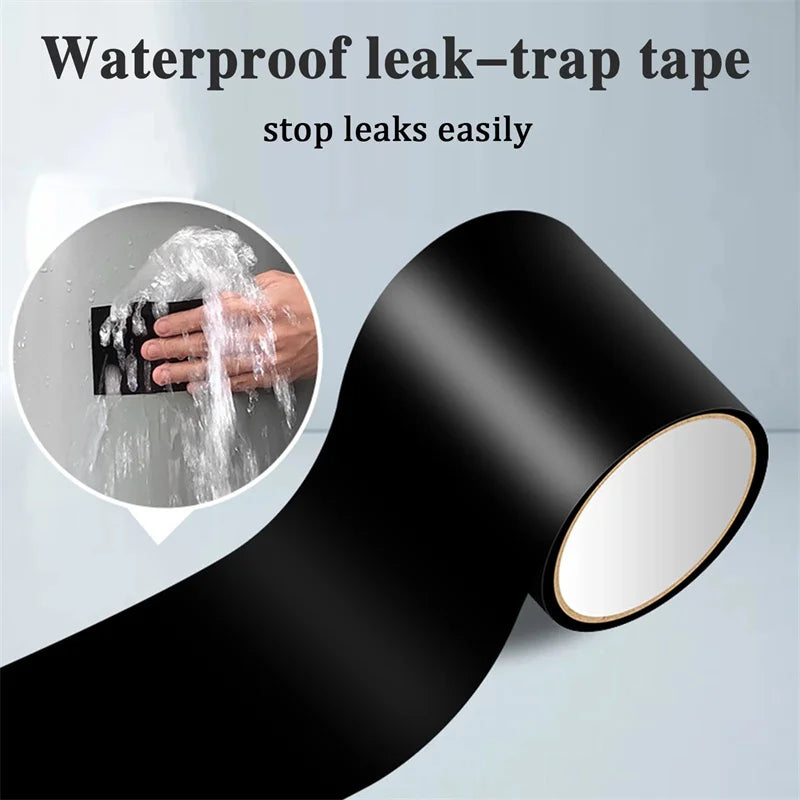
Need fast tools to stop a leak right now? Keep a reliable solution like a waterproof repair tape ready for emergencies—it can buy you crucial time before professional help arrives.
Emergency Water Leak Checklist (First 10 Minutes)
- Shut off the main water supply immediately
- Cut power if water is near electrical outlets
- Contain the leak using temporary sealing methods
- Remove standing water as fast as possible
Acting within these first minutes can reduce damage by up to 80%.
Step 1: Shut Off the Water Supply Immediately
Locate your home’s main shut-off valve (usually in a basement, utility room, or outside meter box). Turn it clockwise until fully closed. This instantly stops water flow and prevents further flooding.
Step 2: Cut Power if Water Is Near Electrical Areas
If water is near outlets, appliances, or breaker panels, shut off electricity at the main panel. Never step into standing water near live electrical systems.
Step 3: Contain the Leak Source
Use temporary solutions like waterproof tape, cloth wraps, or clamps to slow or stop the leak. Even partial containment reduces pressure and damage.
Quick solution: Apply a strong waterproof tape tightly around the leak. Stretch and wrap multiple layers to create a pressure seal.
Step 4: Remove Standing Water Fast
Use towels, mops, or a wet vacuum. The faster you remove water, the lower the risk of structural damage and mold growth.
Next step: Once stabilized, decide whether this is a DIY fix or requires emergency plumbing service.
Identify the Type of Leak (Decision Framework)
Minor Leak (Drips, Small Cracks)
These leaks are slow and manageable. Common in joints or aging pipes.
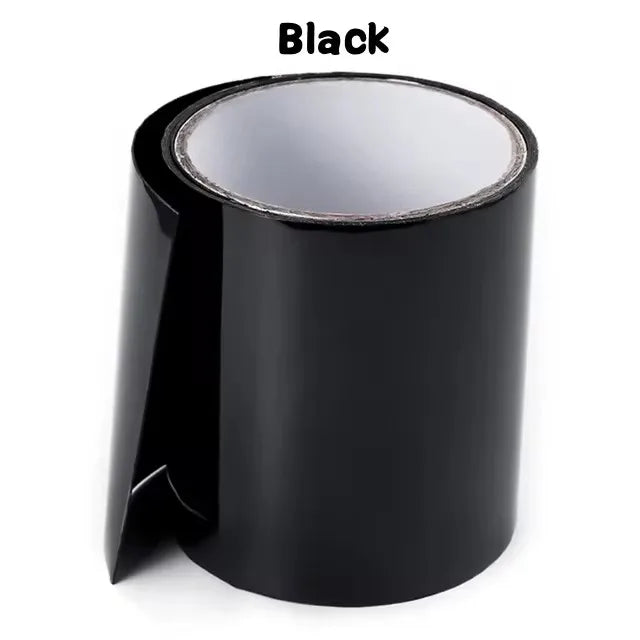
- Fix: Waterproof tape or epoxy
- Risk: Low if addressed quickly
- Time buffer: Several hours to days
Burst Pipe or High-Pressure Leak
This is a true emergency. Water sprays forcefully and spreads rapidly.
- Fix: Shut off water + clamp or heavy-duty tape
- Risk: Severe structural damage within minutes
- Time buffer: Minutes only
Emergency Tip: If water is spraying or flooding fast, call a 24/7 plumber immediately after shutting off the supply.
Hose or Outdoor Leak Failure
Often occurs in garden hoses or outdoor connections.
- Fix: Wrap tightly with tape or replace section
- Risk: Moderate water waste
- Time buffer: Flexible
Fast DIY Leak Repair Methods That Actually Work
Using Self-Fusing Waterproof Tape
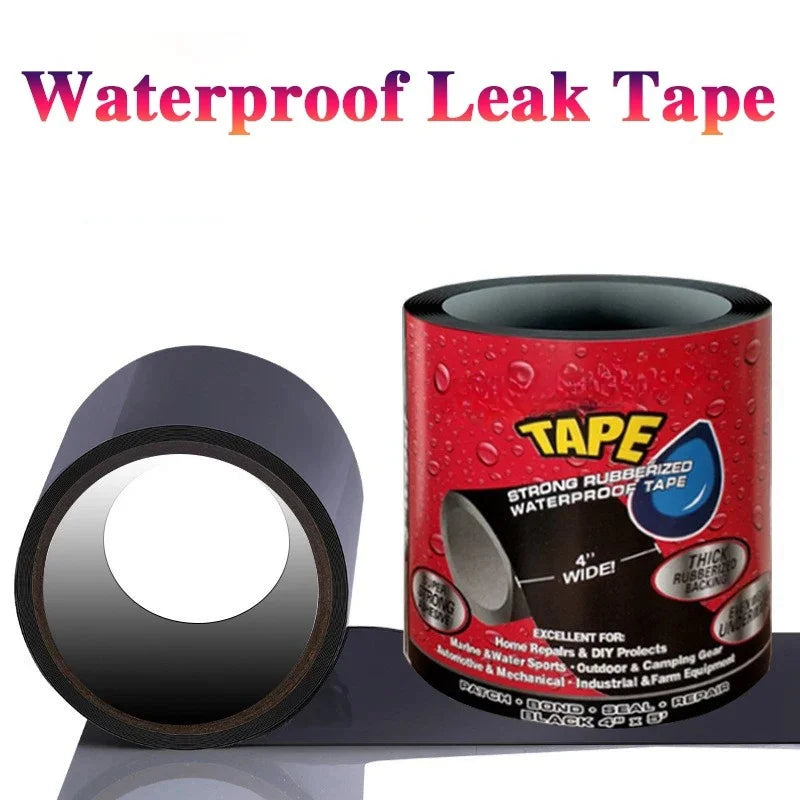
This is one of the fastest and most effective emergency solutions.
- Wrap tightly around the leak
- Stretch tape to activate bonding
- Overlap layers for pressure resistance
Why it works: It forms a watertight seal even on damp surfaces and can handle moderate pressure.
Pipe Clamps and Emergency Repair Kits
For larger leaks, clamps provide stronger reinforcement.
- Place rubber patch over leak
- Tighten clamp securely
- Combine with tape for better sealing
No-Tool Hose Repair Hacks
- Wrap tape tightly around damaged section
- Use zip ties or cloth strips for extra pressure
- Keep hose pressure low
Pros and Cons of Emergency Leak Repair Methods
-
Waterproof Tape
- Pros: Fast, easy, no tools required
- Cons: Temporary for high-pressure systems
-
Pipe Clamps
- Pros: Stronger hold, handles pressure
- Cons: Requires tools and correct sizing
-
Epoxy Putty
- Pros: Durable seal
- Cons: Needs curing time
Emergency Leak Repair Comparison Matrix
| Method | Speed | Pressure Resistance | Ease of Use | Best For |
| Waterproof Tape | Very Fast | Medium | Very Easy | Quick fixes, hoses, minor leaks |
| Pipe Clamp | Moderate | High | Medium | Burst pipes |
| Epoxy Putty | Slow | High | Moderate | Permanent repairs |
How Fast Water Damage Spreads (Why Speed Matters)
Damage Timeline: 1 Minute to 24 Hours
- 1–5 minutes: Water spreads across floors and into cracks
- 10–30 minutes: Walls and furniture absorb moisture
- 1–2 hours: Wood swells, drywall softens
- 24 hours: Mold growth begins
Reality: Delaying action even 30 minutes can double repair costs.
CTA: If you can’t fully stop the leak quickly, contact an emergency plumber immediately.
When to Call a 24/7 Emergency Plumber
Signs You Need Immediate Professional Help
- Water pressure remains high after shut-off attempts
- Leak is inside walls or ceilings
- Flooding spreads rapidly
- You cannot locate the leak source
CTA: Don’t risk structural damage—call a licensed plumber if any of these signs appear.
What to Expect from Emergency Plumbing Services
- Rapid response (often within 1 hour)
- Leak detection tools
- Permanent pipe repair or replacement
- Damage mitigation guidance
Essential Emergency Leak Repair Toolkit
- Waterproof repair tape
- Pipe clamps
- Adjustable wrench
- Bucket and towels
- Flashlight (see Emergency Lighting)
- Multi-tool (Multi-tools & Knives)
For preparedness, explore Safety, Survival & Emergency gear to handle unexpected situations effectively.
Prevent Future Plumbing Emergencies
Routine Home Water System Maintenance Tips
- Inspect pipes regularly for corrosion
- Replace aging hoses and connectors
- Insulate pipes in cold climates
- Keep emergency tools accessible
Outdoor setups? Protect your gear with Waterproof & Dry Bags and store essentials using Camping Storage & Boxes.
Conclusion: Act Fast, Minimize Damage
Emergency water leak repair is all about speed and smart decisions. The first 10 minutes determine whether you face a minor fix or major structural damage.
Use quick DIY methods like waterproof tape to contain the problem—but know when to escalate. For high-pressure leaks or hidden damage, professional help is essential.
Final CTA: Stay prepared. Keep emergency tools on hand and act immediately when a leak starts—because every second counts.
Pillar Article: Automotive Hose Repair: Roadside Fix & Replacement Guide





