

How To Use A Carabiner Safely For Climbing And Rappelling
Is rappelling with carabiners safe for beginners?
Rappelling with carabiners is safe when done correctly with proper setup, locking mechanisms, and careful checks. Using a carabiner to rappel requires understanding load direction, avoiding accidental carabiner gate opening hazards, and selecting durable gear designed for outdoor conditions to reduce risk.
Step-By-Step Guide To Rappelling With Carabiners
Rappelling with carabiners can feel intimidating, but mastering it unlocks safer, faster descents in real outdoor conditions. This guide breaks down using a carabiner to rappel while exposing hidden risks like accidental carabiner gate opening hazards and heavy-duty carabiner safety concerns outdoors. You’ll learn practical setups, pro-level safety checks, and smart gear choices that most beginners overlook—so what’s the one mistake that could cost you everything?
⏱ 8 min read
Ever stood at the edge of a descent wondering if your setup is truly safe? That hesitation is common—and justified. The difference between a smooth rappel and a dangerous one often comes down to small details most people miss.
👉 Discover must-have camping gear
Explore reliable essentials like Hooks, Clips & Carabiners to build a safer outdoor setup from the start.
💡 See it in action
What Is Rappelling With Carabiners?
Rappelling with carabiners involves using one or more carabiners as part of your descent system to control friction and safely lower yourself down a rope. It’s a flexible method often used in emergencies or minimalist setups.
However, not all setups are equal. Improper use can increase friction inconsistently or lead to dangerous failures—especially if the carabiner gate is exposed to pressure.
How The Right Gear Makes Rappelling Safer And Easier
- Locking carabiners (screwgate or auto-lock)
- Climbing rope rated for load-bearing
- Harness with secure attachment points
- Gloves from Gloves & Protective Gear to prevent rope burns
- Backup safety system (prusik or belay)
Many outdoor users report that upgrading to reliable gear reduced setup stress and improved confidence during descents.
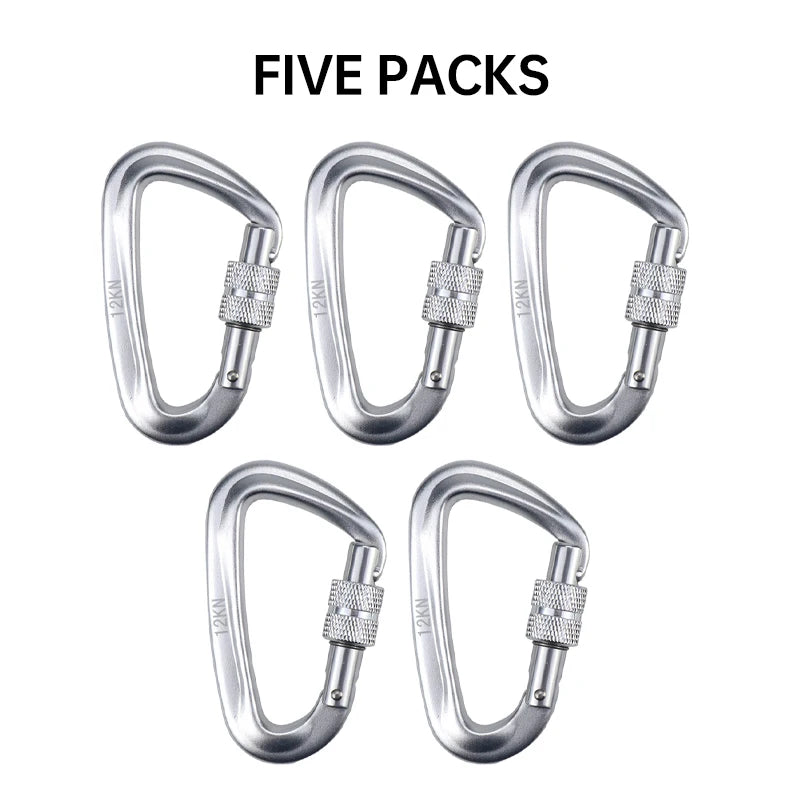
For a dependable option, check out this 12kN aluminum carabiner—lightweight yet strong enough for controlled descents.
Step-By-Step: How Using A Carabiner To Rappel Works
- Secure your anchor point – Ensure it’s stable and weight-rated.
- Thread the rope correctly – Avoid twists and uneven lengths.
- Attach carabiner to harness – Use locking types only.
- Create friction system – Wrap rope through carabiner(s).
- Perform safety checks – Double-check gate closure and load direction.
- Control descent – Use your brake hand consistently.
Skipping even one step increases risk—especially under pressure or fatigue.
👉 Learn how to choose the right hiking gear
Build a complete system with Safety, Survival & Emergency essentials for added protection outdoors.
Why Accidental Carabiner Gate Opening Hazards Are Dangerous
This is one of the most overlooked risks. A carabiner gate can open unintentionally due to:
- Rope movement pressing against the gate
- Rock surfaces pushing the gate open
- Poor positioning under load
What happens next? The strength of a carabiner drops significantly when the gate is open—sometimes by more than 60%.
How To Prevent Gate Opening
- Always use locking carabiners
- Position the gate away from rock surfaces
- Keep load aligned along the spine
- Avoid cross-loading situations
These simple adjustments dramatically reduce failure risk.
💡 See it in action
How Heavy-Duty Carabiner Safety Concerns Outdoors Impact Your Setup
Not all heavy-duty carabiners are ideal for rappelling. While they may support higher loads, they can introduce new challenges:
- Heavier weight reduces maneuverability
- Larger size may cause awkward rope friction
- Improper shape can affect control
The key is balance—strength without sacrificing control.
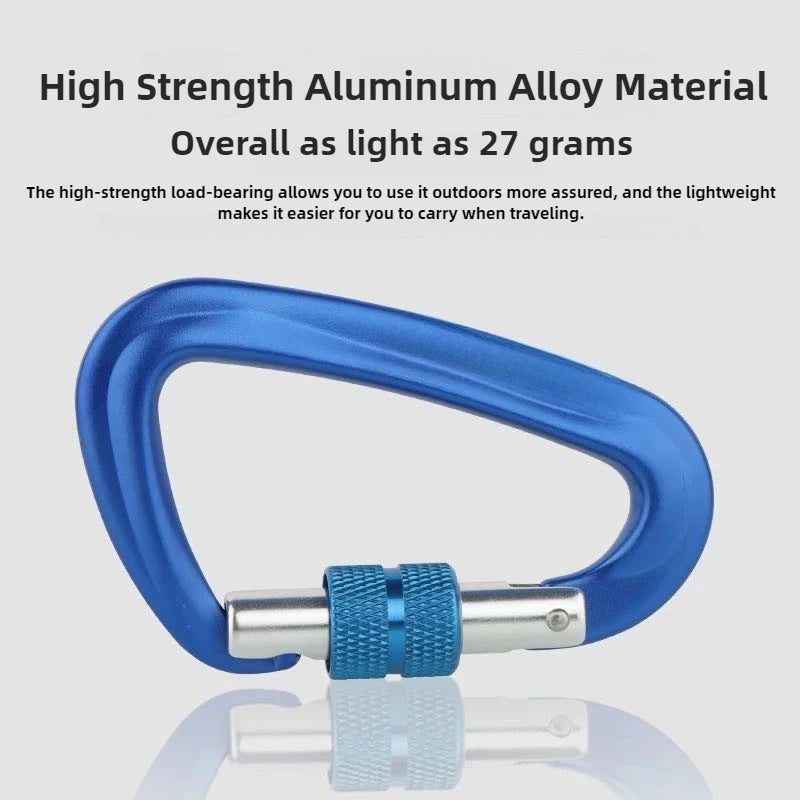
Many climbers prefer lightweight aluminum options for smoother handling while maintaining safety standards.
Carabiner Types Comparison For Rappelling
| Type | Best Use | Pros | Cons |
|---|---|---|---|
| Locking | Rappelling | Secure, prevents gate opening | Slightly heavier |
| Non-locking | Gear clipping | Lightweight | Higher risk in rappelling |
| Heavy-duty steel | Industrial use | Extremely strong | Bulky, less control |
| Aluminum | Climbing & rappelling | Lightweight, versatile | Wears faster over time |
How Smart Setup Choices Improve Safety And Confidence
- Use redundant systems when possible
- Test your setup before full descent
- Keep gear organized with Gear Organizers & Pouches
- Stay visible in low light using Headlamps & Wearable Lights
Outdoor enthusiasts often say that preparation—not strength—is what makes rappelling feel easy.
Quick Safety Checklist
- ✔ Carabiner locked and aligned
- ✔ Rope correctly threaded
- ✔ Anchor tested
- ✔ Backup system ready
👉 Get yours now before your next trip!
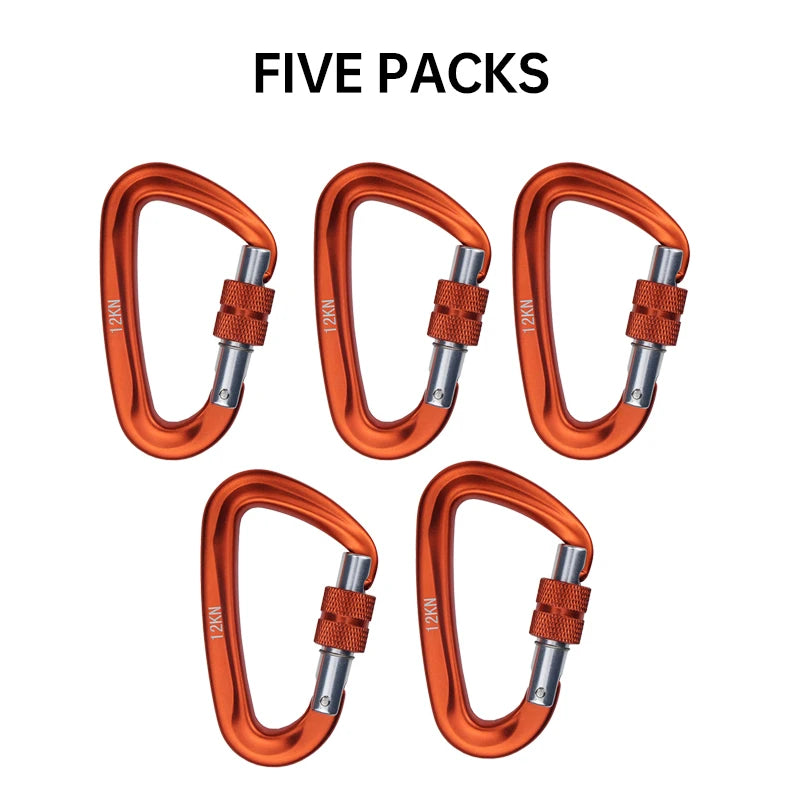
Upgrade your setup with this 12kN aluminum carabiner and rappel with confidence.
💡 See it in action
Frequently Asked Questions
Can you rappel using only carabiners?
Yes, but it requires proper technique and multiple carabiners to create enough friction. It’s often used in emergency situations, but dedicated devices are more reliable for regular use.
What is the biggest mistake when rappelling with carabiners?
The most critical mistake is failing to lock the gate or allowing cross-loading, which significantly reduces strength and increases failure risk.
Are heavy-duty carabiners safer for rappelling?
Not always. While stronger, they can reduce control and increase friction issues. Lightweight locking carabiners are often better suited for controlled descents.
How do you avoid rope burns during descent?
Use gloves, maintain proper hand positioning, and control speed consistently. Protective gear greatly reduces injury risk.
Related Articles:
- How To Choose A 12Kn Carabiner For Maximum Safety
- Guide To Using Screw Gate Carabiners For Climbing
- Using A Carabiner To Rappel: Common Mistakes To Avoid
- Step-By-Step Guide To Rappelling With Carabiners
Pillar Articles:





