

Using A Carabiner To Rappel: Common Mistakes To Avoid
Can you safely rely on using a carabiner to rappel?
Using a carabiner to rappel is safe when done correctly, but small setup errors can lead to serious risks. Paying attention to proper orientation, avoiding accidental carabiner gate opening hazards, and choosing strong, reliable gear significantly reduces the risk of carabiner failure while climbing.
Using A Carabiner To Rappel: Common Mistakes To Avoid
Using a carabiner to rappel can seem simple, but small mistakes can turn dangerous fast. From accidental carabiner gate opening hazards to the real risk of carabiner failure while climbing, many issues come down to overlooked setup details. This guide reveals practical tips for safe outdoor climbing gear setup, helping you spot hidden risks, improve efficiency, and build confidence on every descent—are you making one of these critical errors?
⏱ 7 min read
Ever reached the edge of a cliff, ready to descend, and wondered if your setup is truly safe? What gear actually makes rappelling easier and more reliable?
👉 Discover must-have climbing essentials for safer adventures
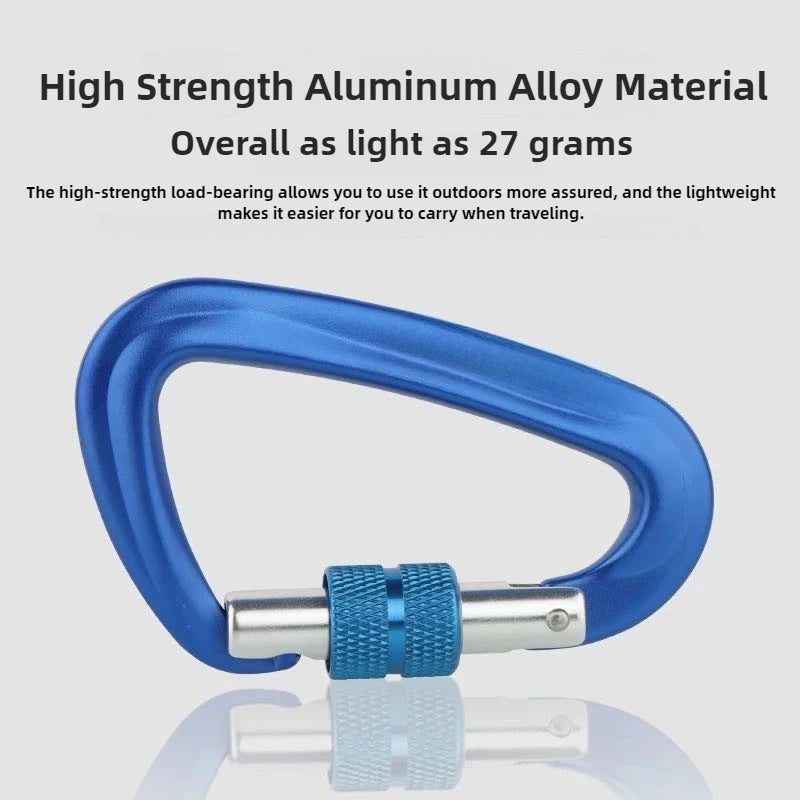
💡 See it in action
Why Using a Carabiner to Rappel Requires Precision
Using a carabiner to rappel might look straightforward, but it involves critical load-bearing mechanics. A single misaligned gate or weak connection can compromise your entire system.
Climbers often underestimate:
- The direction of force on the gate
- Friction points during descent
- Wear and tear on aluminum gear
- Environmental factors like dust or moisture
Experienced climbers consistently stress one thing: your safety depends more on setup than strength.
Common Mistakes That Increase Risk
1. Ignoring Gate Orientation
One of the most dangerous mistakes is improper gate positioning. If the gate faces outward or rubs against rock, it increases accidental carabiner gate opening hazards.
- Always position the gate away from rock contact
- Keep load on the spine, not the gate
- Avoid cross-loading at all costs
2. Using the Wrong Carabiner Type
Not all carabiners are designed for rappelling. Lightweight or non-locking versions can increase the risk of carabiner failure while climbing.
Look for:
- High strength rating (kN rating)
- Locking mechanisms (screw gate or auto-lock)
- Durable aluminum or steel construction
3. Skipping Redundancy
Relying on a single carabiner without backup increases failure risk. Even high-quality gear can fail under improper use.
Solution:
- Use two carabiners in critical setups
- Double-check connections before descent
4. Poor Rope Alignment
Misaligned rope creates uneven pressure, leading to friction burns or sudden jerks.
Fix this by:
- Ensuring smooth rope flow
- Avoiding sharp bends over edges
- Using proper rappel devices when possible
👉 Learn how to upgrade your climbing setup for better safety
How to Set Up Using a Carabiner to Rappel Safely
Using a carabiner to rappel safely requires correct orientation, secure locking, proper load distribution, and redundancy. Ensuring the gate is locked, avoiding cross-loading, and pairing with strong anchor points minimizes accidental carabiner gate opening hazards and reduces the risk of carabiner failure while climbing.
-
Choose the Right Carabiner
Use a locking carabiner rated for climbing loads. -
Check the Gate
Ensure it fully closes and locks before loading. -
Align Properly
Keep the load along the spine for maximum strength. -
Use Backup Systems
Add redundancy with additional gear. -
Test Before Descent
Apply weight gradually to confirm stability.
Many climbers report that a simple double-check routine reduced their setup errors by over 70%.
Essential Gear Checklist for Safer Descents
- Locking carabiners (minimum 2)
- Rope in good condition
- Gloves for friction control
- Helmet for protection
- Backup safety line
For better organization and quick access, explore Gear Organizers & Pouches. Keeping gear sorted reduces setup mistakes in high-pressure situations.
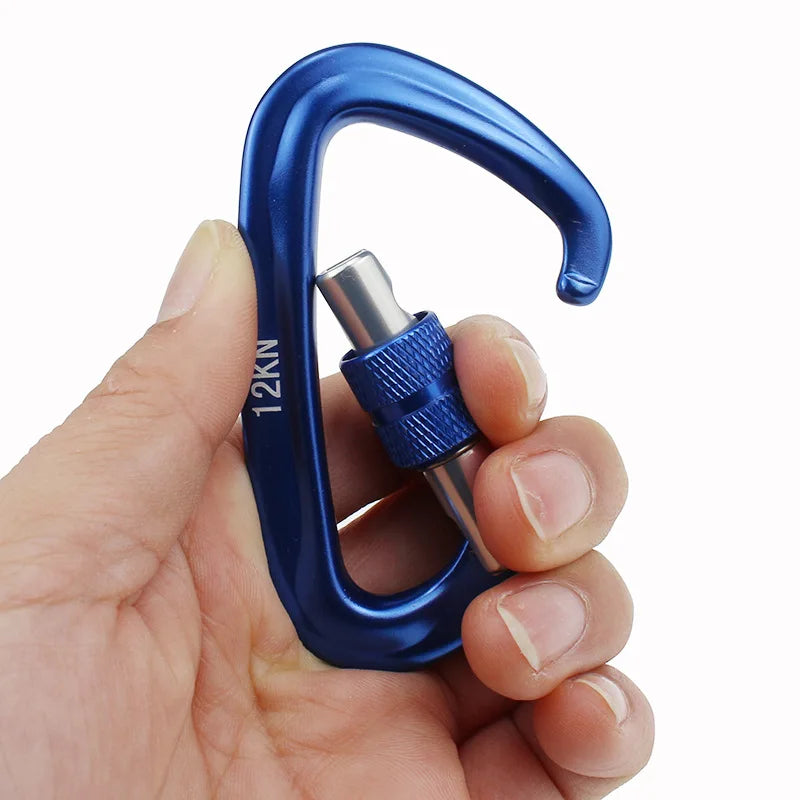
💡 See it in action
Carabiner Setup Comparison: Safe vs Risky
| Setup Type | Safety Level | Common Issues |
|---|---|---|
| Locking Carabiner, Proper Alignment | High | Minimal when used correctly |
| Non-Locking Carabiner | Medium | Gate opening risk |
| Cross-Loaded Carabiner | Low | High failure risk |
| Single Carabiner Only | Low | No redundancy |
Real Outdoor Feedback
“I used to think one carabiner was enough—until I noticed how easily the gate could shift under pressure. Switching to a proper setup changed everything.” – Weekend climber, Colorado
“Having organized gear and reliable clips made my descents smoother and faster.” – Hiking guide, Utah
How Smart Gear Choices Improve Safety and Confidence
The right gear doesn’t just prevent accidents—it builds confidence. When you trust your setup, you move more efficiently and focus on the experience.
Combine your rappel gear with essentials from Safety, Survival & Emergency for a more complete safety system.
- Better grip and handling
- Reduced setup time
- Lower stress during descent
- Improved overall control
For longer trips, pairing with Lightweight Daypacks helps you carry everything efficiently without overloading.
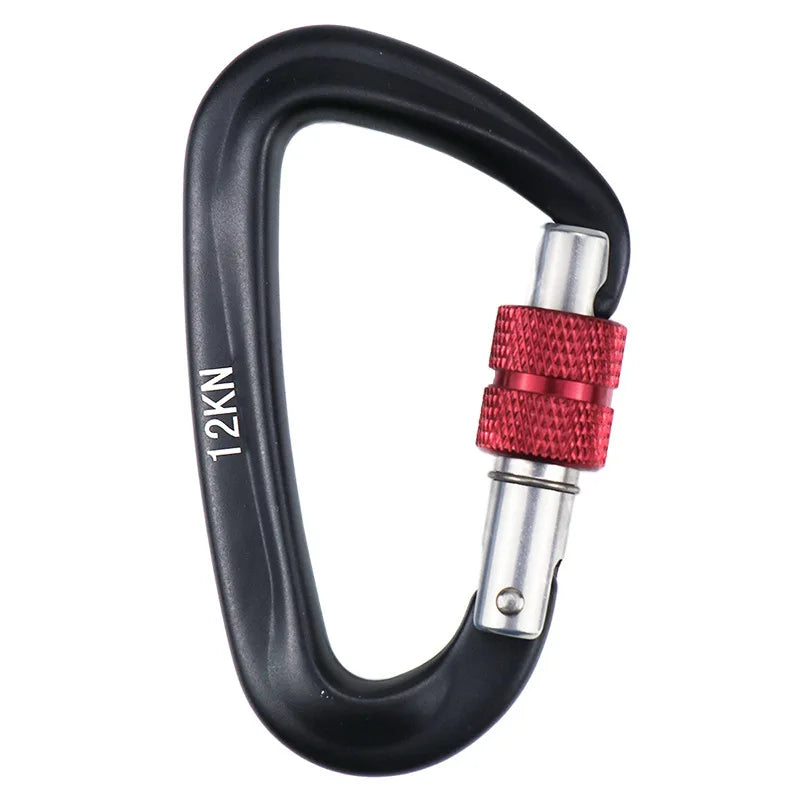
💡 See it in action
Avoid These Mistakes Before Your Next Descent
Using a carabiner to rappel isn’t just about gear—it’s about awareness. Small details like gate position, load direction, and redundancy make a huge difference.
Before your next adventure:
- Inspect every piece of gear
- Practice setup techniques
- Stay updated on safety best practices
👉 Get yours now before your next trip!
FAQ
Is using a carabiner to rappel safe for beginners?
Yes, but only with proper instruction and correct setup. Beginners should practice under supervision and always use locking carabiners.
What causes accidental carabiner gate opening hazards?
Contact with rocks, rope pressure, or improper orientation can push the gate open unexpectedly.
How do I reduce the risk of carabiner failure while climbing?
Use rated equipment, avoid cross-loading, and inspect gear regularly for wear or damage.
Should I use one or two carabiners for rappelling?
Using two adds redundancy and significantly increases safety, especially in critical situations.
Pillar Article: How To Use A Carabiner Safely For Climbing And Rappelling
Other Related Articles:
- How To Choose A 12Kn Carabiner For Maximum Safety
- Guide To Using Screw Gate Carabiners For Climbing
- Step-By-Step Guide To Rappelling With Carabiners
Explore More:





