

Aluminum Carabiner Clip Advantages For Outdoor Adventures
Do rock climbing carabiners really improve safety?
Rock climbing carabiner technology improves safety by reducing accidental carabiner gate opening hazards, increasing strength under load, and making clipping more reliable. Modern designs use advanced locking systems, stronger alloys, and smoother gates to lower the risk of carabiner failure while climbing and improve overall control.
Rock Climbing Carabiner Technologies That Boost Safety
Rock climbing carabiner upgrades can change how confidently you climb. Learn how modern designs reduce accidental carabiner gate opening hazards, lower the risk of carabiner failure while climbing, and solve the difficulty securing gear with lightweight carabiners. Small engineering details now deliver faster clips, steadier loads, and smarter protection—but which features matter most?
⏱ 7 min read
You’re halfway up a route, fingers pumped, and you hesitate for a split second—did that clip fully lock? That tiny doubt can shake your focus. What gear actually makes climbing safer without slowing you down?
Today’s rock climbing carabiner innovations are designed to remove that uncertainty. From smarter gate systems to improved load distribution, modern designs are built to perform when it matters most.
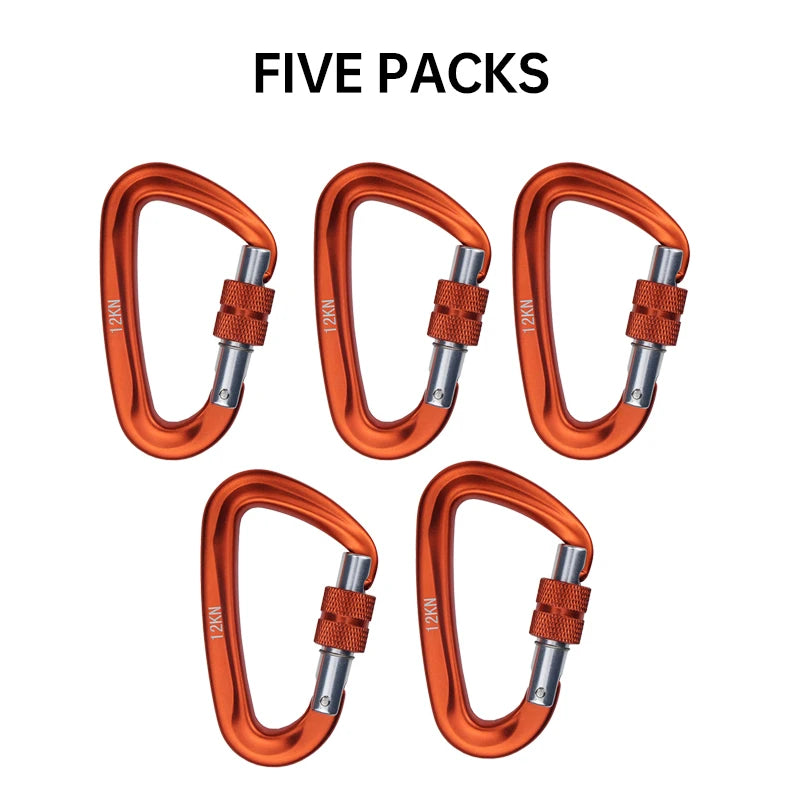
💡 See it in action
What is a rock climbing carabiner and why does design matter?
A rock climbing carabiner is a metal loop with a spring-loaded gate used to connect ropes, anchors, and protection. Modern designs improve safety by minimizing accidental gate openings, distributing force evenly, and enhancing clipping efficiency—reducing the risk of carabiner failure while climbing.
Not all carabiners perform equally. Subtle design upgrades can dramatically impact how safe and smooth your climb feels.
Key problems older designs struggled with
- Unintentional gate openings during rope movement
- Weak points under cross-loading conditions
- Awkward clipping angles causing delays
- Difficulty securing gear with lightweight carabiners
Modern engineering directly addresses these issues.
How Advanced Gate Systems Prevent Accidental Openings
One of the biggest safety improvements comes from gate technology. A carabiner is only strong when fully closed—so preventing accidental opening is critical.
1. Keylock Nose Design
Smooth, snag-free noses eliminate catching on ropes or bolts, allowing clean, confident clips.
2. Wire Gate Flex Response
Wire gates reduce vibration-induced openings, especially during quick movements or falls.
3. Auto-Locking Mechanisms
Twist-lock and triple-lock systems automatically secure after clipping, reducing human error.
- Faster clipping with less snagging
- Reduced accidental carabiner gate opening hazards
- More reliable locking under dynamic movement
- Better handling in cold or wet conditions
How Strength Engineering Reduces Failure Risk
Carabiner failure is rare—but when it happens, it’s often due to improper loading or weak design points.
Modern strength innovations include:
- I-Beam Construction: Maximizes strength while minimizing weight
- Hot-Forged Aluminum: Enhances durability without bulk
- Optimized Spine Geometry: Improves load distribution
- High kN Ratings: Stronger resistance under force
These upgrades significantly lower the risk of carabiner failure while climbing, especially in demanding routes.
How Lightweight Designs Solve Clipping Challenges
Lightweight gear is great—until it becomes harder to control. New designs balance weight and usability.
What’s changed?
- Larger gate openings for easier clipping
- Ergonomic shapes for better grip
- Balanced weight distribution for stability
- Textured contact points for rope alignment
This solves the difficulty securing gear with lightweight carabiners, especially on long routes or trad climbs.
Explore more practical gear setups in Backpacking & Carry for efficient organization.
Carabiner Technology Comparison
| Feature | Traditional Carabiners | Modern Carabiners |
|---|---|---|
| Gate Design | Snag-prone | Keylock / wire gate |
| Weight | Heavier | Lightweight optimized |
| Locking | Manual only | Auto-lock options |
| Strength | Standard | Enhanced load distribution |
| Clipping Ease | Moderate | Fast and smooth |
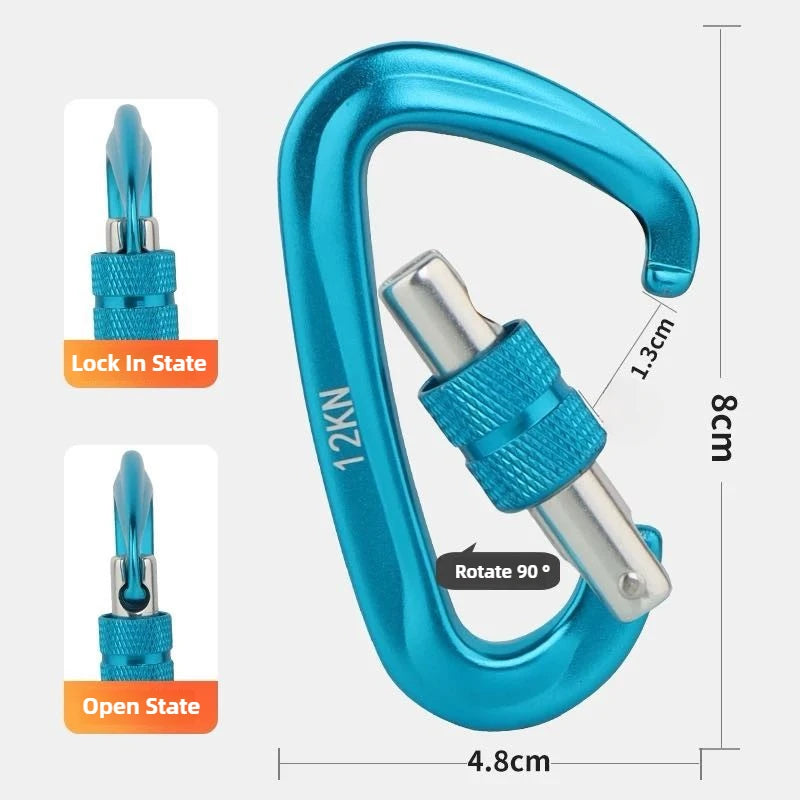
💡 See it in action
Real Climbing Scenarios Where Technology Matters
Sport Climbing
Fast clips reduce pump and hesitation, letting you stay focused on movement.
Trad Climbing
Secure locking systems provide confidence when placing protection in unpredictable conditions.
Multi-Pitch Routes
Lightweight yet strong carabiners reduce fatigue while maintaining safety over long climbs.
Outdoor Adventures Beyond Climbing
Carabiners are also useful for camping setups, gear attachment, and organization. Pair them with Camping Storage & Boxes for efficient packing.
How to Choose the Right Carabiner for Safer Climbing
- Choose locking carabiners for anchors and belay systems
- Use non-locking carabiners for quickdraws
- Check strength ratings (kN) for your climbing style
- Prioritize ease of clipping and handling
- Inspect regularly for wear or damage
For versatile outdoor use, check out this 12KN aluminum carabiner outdoor buckle designed for durability and convenience.
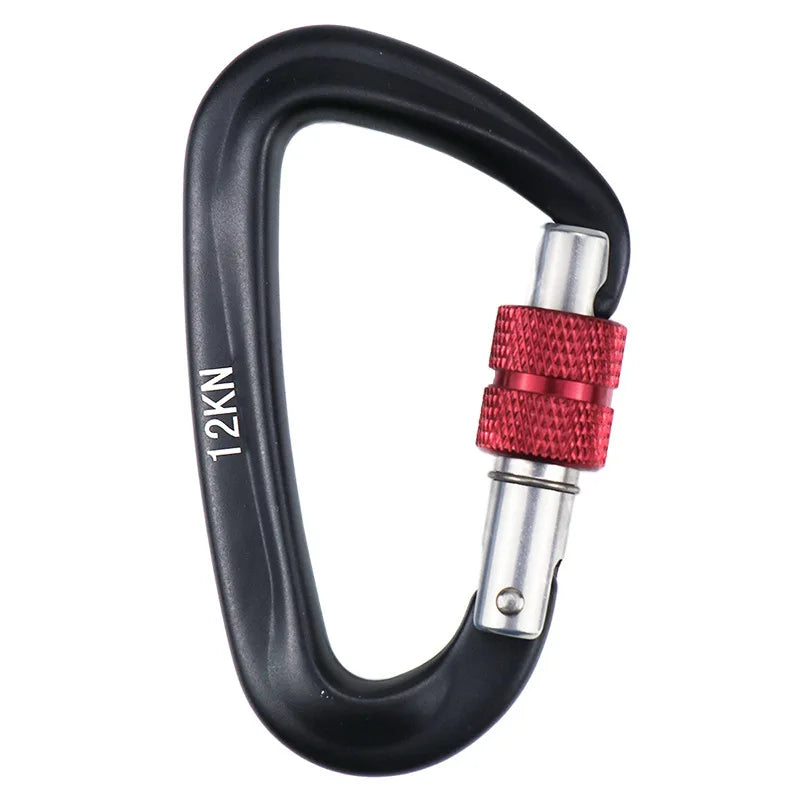
💡 See it in action
Why Modern Carabiners Deliver Better Results
Climbers consistently report smoother clips, fewer mistakes, and greater confidence with upgraded designs.
- “Clipping feels faster and more natural on steep routes.”
- “Locking systems remove second-guessing at anchors.”
- “Lightweight gear makes long climbs less exhausting.”
These small improvements translate into safer, more enjoyable climbs.
Frequently Asked Questions
What makes a rock climbing carabiner safer?
Advanced gate designs, stronger materials, and improved load distribution make modern carabiners safer by reducing accidental openings and increasing reliability under stress.
Do lightweight carabiners compromise safety?
No. Modern lightweight carabiners use advanced engineering to maintain strength while improving usability, solving common handling issues.
How often should I replace my carabiner?
Replace carabiners if you notice visible wear, deformation, or after significant impact. Regular inspection is key to maintaining safety.
Are locking carabiners necessary?
Yes, for critical points like anchors and belay systems. They reduce the risk of accidental gate opening hazards and improve overall security.
Pillar Article: Heavy Duty Climbing Carabiner Features You Need To Know
Other Related Articles:
Explore More:





