

Carabiner With Screw Lock: Safety And Strength Compared
What is a carabiner with screw lock and why does it matter?
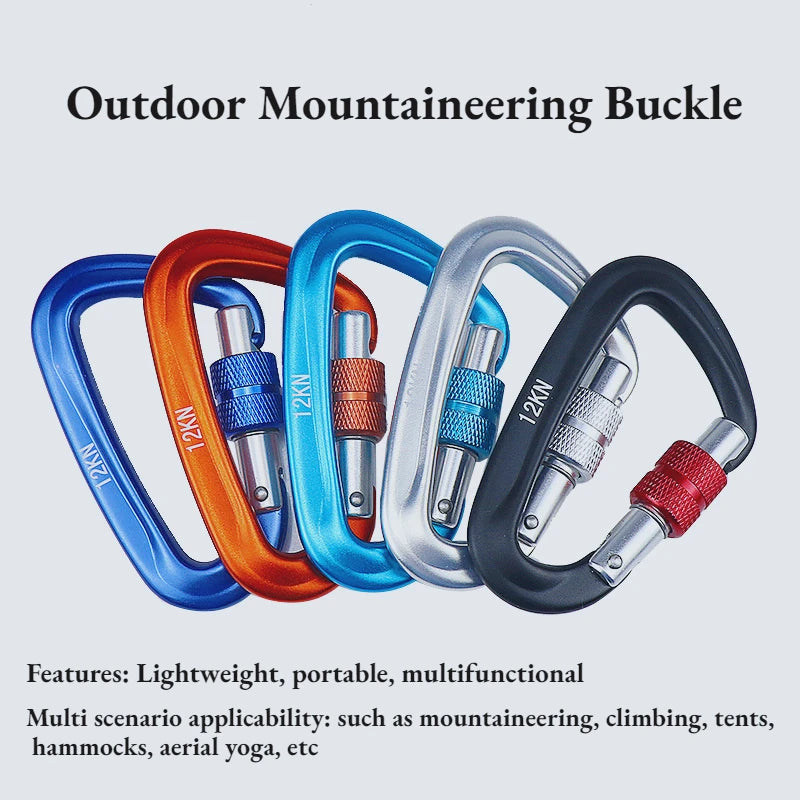
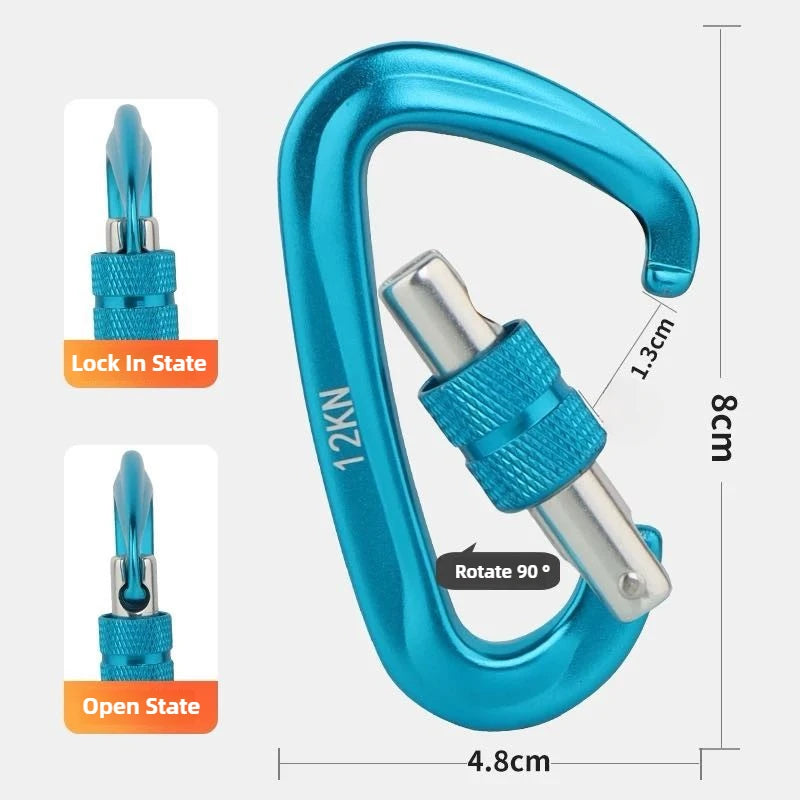
A carabiner with screw lock is a locking connector that uses a threaded sleeve to secure the gate, reducing accidental opening during climbing or rappelling. It improves safety by adding a manual locking step, increasing reliability under load, and minimizing risks caused by rope movement, vibration, or improper handling.
Carabiner With Screw Lock: Safety And Strength Compared
Carabiner with screw lock designs aren’t just about convenience—they’re your first line of defense against critical failures. In this guide to using screw gate carabiners, you’ll discover how a screw gate aluminum carabiner for climbing can dramatically improve safety margins and why small habits make a big difference. We also break down how to prevent carabiner failures during rappelling with simple, proven checks most climbers overlook. Ready to find out what separates a safe setup from a risky one?
⏱ 6 min read
Ever clipped into a rope and wondered, “Is this setup really safe enough?” Whether you're rappelling down a cliff or setting up an anchor at camp, one small oversight can lead to serious consequences.
That’s where choosing the right carabiner—and using it correctly—makes all the difference.
👉 Discover must-have camping gear
Explore durable essentials in Hooks, Clips & Carabiners to upgrade your outdoor safety setup.
💡 See it in action
Why Screw Lock Carabiners Improve Safety Instantly
A carabiner with screw lock adds a critical safety layer by preventing accidental gate opening. Unlike non-locking designs, the threaded sleeve must be manually secured, which significantly reduces the chance of failure during dynamic movement or rope friction.
- Prevents gate flutter: Movement won’t easily force it open
- Reduces human error: Visual confirmation of lock status
- Handles vibration: Ideal for rappelling and belaying
- Stronger under load: Maintains alignment better
When paired with other essentials from Safety, Survival & Emergency, your setup becomes far more reliable in unpredictable outdoor conditions.
Screw Lock vs Other Locking Carabiners: What’s the Real Difference?
| Type | Locking Method | Ease of Use | Safety Level | Best Use |
|---|---|---|---|---|
| Screw Lock | Manual twist sleeve | Moderate | High | Climbing, rappelling |
| Auto Lock | Spring-loaded | Easy | Very High | Quick transitions |
| Non-locking | None | Very Easy | Low | Gear attachment |
Key takeaway: Screw gate carabiners strike a balance between control and safety. You decide when it locks—making it ideal for climbers who value precision.
How to Prevent Carabiner Failures During Rappelling
- Always tighten the screw gate fully before loading
- Position the gate away from rock contact
- Avoid cross-loading (sideways force)
- Inspect for cracks or wear before use
- Double-check before descent
These habits may seem small, but they dramatically reduce risk. Many outdoor accidents stem from skipped checks—not faulty gear.
👉 Learn how to choose the right hiking gear
Pair your carabiner with essentials from Backpacking & Carry for a safer and more organized adventure.
💡 See it in action
How This Screw Gate Aluminum Carabiner Makes Climbing Safer
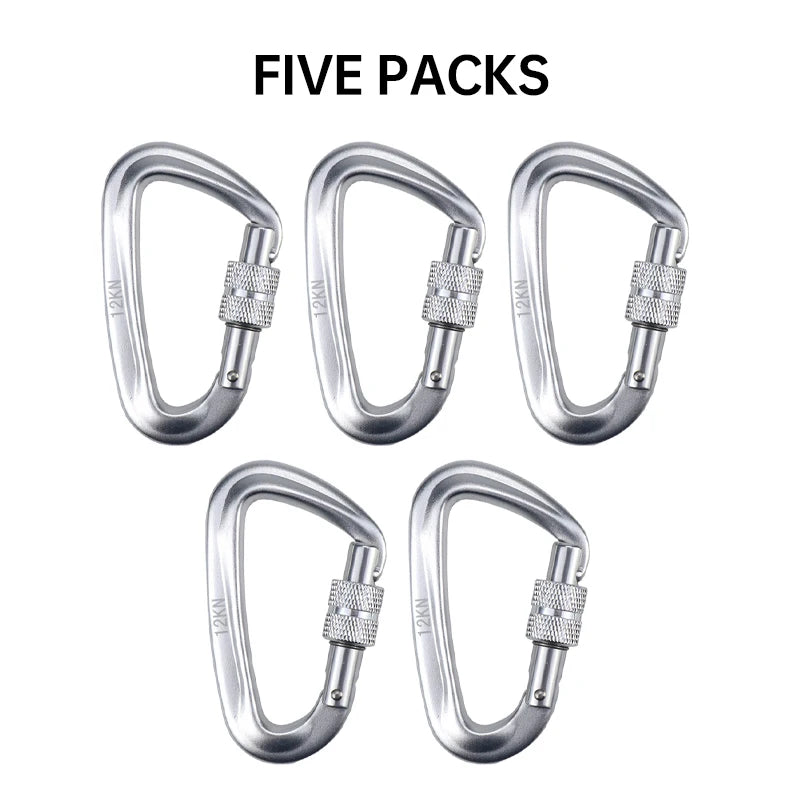
A screw gate aluminum carabiner for climbing offers lightweight strength without sacrificing durability. It’s designed for high load capacity while remaining easy to handle, making it a dependable choice for both beginners and experienced climbers.
- Lightweight: Ideal for long climbs
- Corrosion-resistant: Handles outdoor conditions
- High strength rating: Reliable under pressure
- Compact design: Fits easily into gear setups
Looking for a reliable option? Check out this 12KN aluminum carabiner designed for outdoor durability.
Checklist: Choosing the Right Carabiner
- Minimum strength rating (kN)
- Weight vs durability balance
- Ease of locking mechanism
- Compatibility with ropes and anchors
Real Outdoor Experiences: What Climbers Say
Outdoor enthusiasts consistently highlight one thing: confidence.
- “Switching to screw gate carabiners made my rappelling feel controlled and secure.”
- “I used to overlook locking, now it’s second nature—and safer.”
- “Lightweight aluminum designs are perfect for multi-day climbs.”
Combined with gear from Gloves & Protective Gear, climbers report better grip and overall control during descents.
Why Small Habits Make a Big Safety Difference
Even the best gear can fail if used incorrectly. The difference between a safe descent and a dangerous one often comes down to routine checks and proper technique.
- Lock before every load
- Check alignment visually
- Replace worn gear immediately
- Practice setups before real climbs
Think of your carabiner as part of a system—not a standalone tool.
💡 See it in action
Final Thoughts: Safer Climbs Start with Smarter Choices
Choosing a carabiner with screw lock isn’t just about gear—it’s about mindset. When you prioritize safety, double-check your setup, and invest in reliable equipment, every climb becomes more controlled and enjoyable.
Pillar Article: Heavy Duty Carabiners: Which One Fits Your Climbing Needs Best
Other Related Articles:
- Carabiner Screw Lock Vs Wire Gate: Which Is Safer For Climbing
- Heavy Duty Carabiner Clip Comparison: Strength Vs Convenience
- Top Rated Carabiner Showdown: Which Is Worth Your Gear Space
- Locking Carabiner Heavy Duty Vs Standard Clips: What You Should Know
Explore More:





