

Locking Carabiner Heavy Duty Vs Standard Clips: What You Should Know
Is a locking carabiner heavy duty worth it?
Locking carabiner heavy duty designs reduce accidental carabiner gate opening hazards and lower the risk of carabiner failure while climbing by adding a secure locking mechanism. Compared to standard clips, they offer stronger load ratings and improved safety, especially for high-stress activities like climbing, rigging, and outdoor setups.
Locking Carabiner Heavy Duty Vs Standard Clips: What You Should Know
Locking carabiner heavy duty options aren’t just for pros—they’re a critical upgrade if you want to prevent accidental carabiner gate opening hazards and reduce the risk of carabiner failure while climbing. This guide breaks down real differences between standard clips and locking designs, plus practical tips for safe outdoor climbing gear setup that most beginners overlook. Could a simple switch in your gear be the difference between safety and serious danger?
⏱ 5 min read
Ever clipped into your gear and wondered, “Is this really secure enough?” Whether you’re climbing, camping, or setting up a hammock, one weak link can ruin the entire experience. Many outdoor accidents come down to small gear choices—especially carabiners.
👉 Discover must-have camping gear
Explore reliable essentials from Hooks, Clips & Carabiners designed for safer outdoor adventures.
💡 See it in action
What Makes Locking Carabiners Safer Than Standard Clips?
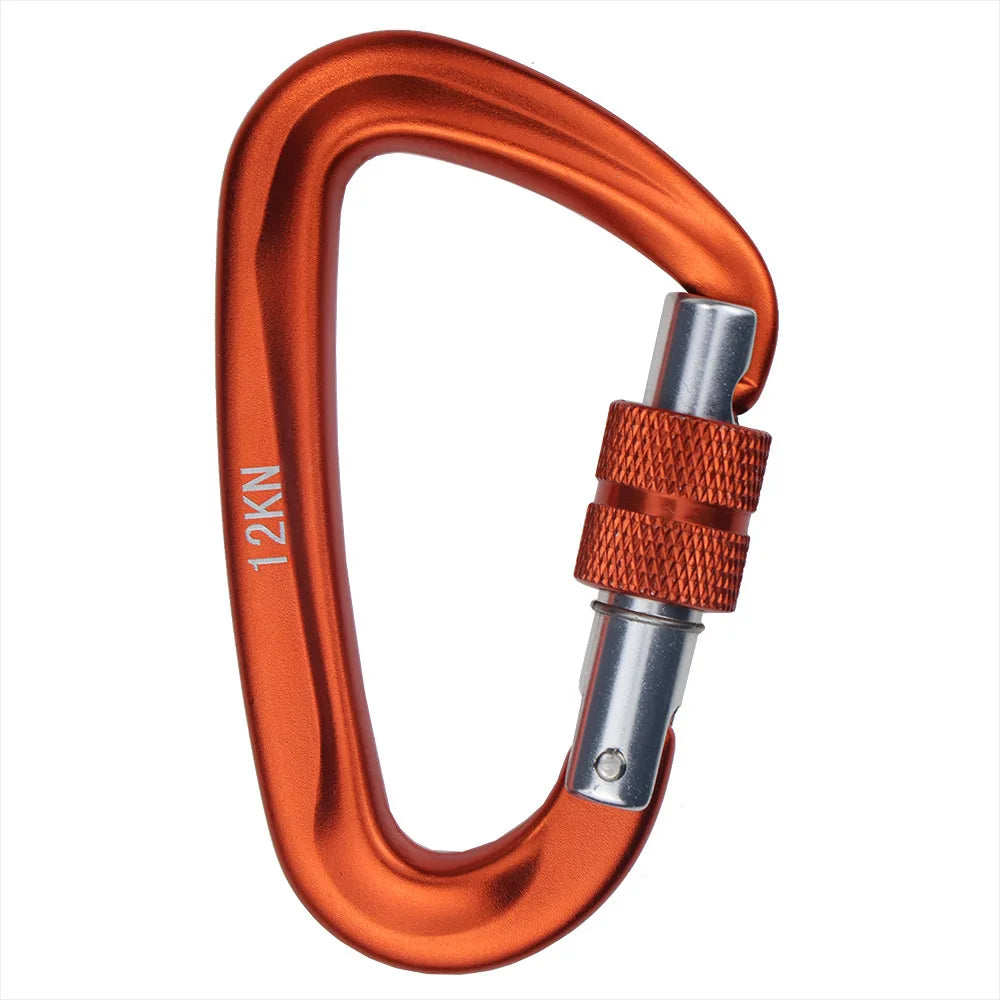
Locking carabiner heavy duty designs include a mechanism—like a screw gate or auto-lock—that prevents the gate from opening unintentionally. Standard clips rely on spring tension alone, which can fail under pressure, vibration, or improper positioning.
- Locking carabiners: Require manual or automatic locking for secure closure
- Standard clips: Open easily and can shift during movement
- Heavy duty builds: Designed for higher load capacity and durability
- Reduced failure risk: Ideal for climbing, rigging, and weight-bearing setups
For beginners, this difference may seem small—but in real-world use, it can be critical.
Side-by-Side Comparison: Locking vs Standard Carabiners
| Feature | Locking Carabiner Heavy Duty | Standard Clip |
|---|---|---|
| Gate Security | Manual/auto locking system | Spring-loaded only |
| Accidental Opening Risk | Very low | Moderate to high |
| Load Strength | High (often rated for climbing) | Lower, not always rated |
| Best Use | Climbing, safety systems | Light-duty gear attachment |
| Ease of Use | Slightly slower | Quick and easy |
Outdoor enthusiasts often say switching to locking carabiners was the simplest upgrade that made them feel instantly safer.
👉 Learn how to choose the right hiking gear
Pair your carabiners with smart storage from Gear Organizers & Pouches to keep your setup clean and efficient.
Hidden Risks of Standard Clips You Shouldn’t Ignore
Standard clips aren’t dangerous by default—but they can become unreliable in dynamic outdoor environments.
1. Accidental Carabiner Gate Opening Hazards
Movement, rope friction, or gear shifting can push the gate open without you noticing. This is especially common when:
- Climbing on uneven surfaces
- Attaching gear to backpacks
- Using clips in high-vibration conditions
2. Risk of Carabiner Failure While Climbing
When a gate opens, the carabiner loses most of its strength. A sideways load or sudden force can lead to failure—even if the carabiner itself is strong.
3. Misuse in Critical Situations
Many beginners unknowingly use standard clips for weight-bearing setups like hammocks or anchors. This dramatically increases risk.
One camper shared that their hammock collapsed overnight because a standard clip shifted and opened under tension—luckily with no injuries.
💡 See it in action
How Locking Carabiners Improve Outdoor Safety
Locking carabiner heavy duty options directly address these risks by adding reliability where it matters most.
- Prevents accidental opening: Locking gate stays closed under movement
- Higher strength ratings: Suitable for climbing loads
- Better weight distribution: Reduces stress points
- Confidence boost: Focus on your adventure, not your gear
For those building a complete outdoor kit, combining secure carabiners with essentials from Safety, Survival & Emergency can significantly improve overall preparedness.
Tips for Safe Outdoor Climbing Gear Setup
Choosing the right carabiner is only part of the equation. How you use it matters just as much.
-
Always lock before loading
Double-check the gate before applying weight. -
Avoid cross-loading
Keep force aligned along the spine for maximum strength. -
Inspect gear regularly
Look for cracks, wear, or gate issues. -
Use the right type for the job
Heavy-duty locking for safety systems, standard clips for accessories.
Pair your setup with durable storage solutions like Backpacking & Carry gear to keep everything organized and accessible.
When to Choose Each Type
Both options have their place—it’s about using them correctly.
Choose Locking Carabiner Heavy Duty When:
- Climbing or belaying
- Setting up hammocks or anchors
- Handling heavy loads
- Safety is critical
Choose Standard Clips When:
- Attaching water bottles or tools
- Organizing gear
- Light-duty camping tasks
For example, use locking carabiners for your shelter system, and standard clips for organizing items from Camping Storage & Boxes.
Real Outdoor Scenarios: Why This Choice Matters
Imagine hiking all day, setting up camp, and trusting your gear to hold overnight. A locking carabiner ensures your hammock stays secure. A standard clip? It might shift just enough to fail.
Or consider climbing: one unlocked gate under tension can lead to catastrophic failure. That’s why experienced climbers rarely compromise here.
👉 Get yours now before your next trip!
Upgrade your setup with a locking carabiner heavy duty for safer, more reliable adventures.
💡 See it in action
FAQs
1. Are locking carabiners necessary for beginners?
Yes, especially for climbing or weight-bearing setups. They reduce accidental gate opening and improve overall safety, making them a smart choice even for beginners.
2. Can standard carabiners fail under pressure?
They can if the gate opens or if they are loaded incorrectly. This increases the risk of carabiner failure while climbing or during heavy use.
3. What’s the best way to prevent gear accidents?
Use locking carabiner heavy duty options for critical connections, inspect gear regularly, and follow proper setup techniques to minimize risks.
Choosing the right carabiner isn’t just about convenience—it’s about safety, confidence, and enjoying every outdoor moment without second-guessing your gear.
Pillar Article: Heavy Duty Carabiners: Which One Fits Your Climbing Needs Best
Other Related Articles:
- Carabiner Screw Lock Vs Wire Gate: Which Is Safer For Climbing
- Heavy Duty Carabiner Clip Comparison: Strength Vs Convenience
- Top Rated Carabiner Showdown: Which Is Worth Your Gear Space
- Carabiner With Screw Lock: Safety And Strength Compared
Explore More:





