

Top-Rated Carabiners For Climbing And Rappelling: Detailed Comparison
Are top-rated carabiners for climbing and rappelling really worth it?
Top-rated carabiners for climbing and rappelling provide higher strength ratings, safer gate mechanisms, and better durability under stress. They reduce the risk of failure during critical moments, especially when comparing kN aluminum carabiner vs steel carabiner performance, and help prevent accidental carabiner gate opening hazards that could compromise safety.
Top-Rated Carabiners For Climbing And Rappelling: Detailed Comparison
Looking for top-rated carabiners for climbing and rappelling that actually match your needs? This guide breaks down everything from kN aluminum carabiner vs steel carabiner performance to a D-shaped vs oval carabiner detailed comparison, so you can choose smarter and climb safer. We also uncover often-overlooked accidental carabiner gate opening hazards that could put you at risk.
⏱ 8 min read
Ever stood at the base of a climb wondering if your gear will hold when it matters most? What gear actually makes climbing safer and easier?
Why High-Quality Carabiners Make or Break Your Climb
Not all carabiners are created equal. A poorly made clip can fail under stress, especially during dynamic loads like falls or rappelling.
- Low-quality gates can snap open unexpectedly
- Weak kN ratings increase failure risk
- Poor design leads to uneven load distribution
Pairing reliable gear from collections like Hooks, Clips & Carabiners with your climbing kit ensures consistency and safety across every trip.
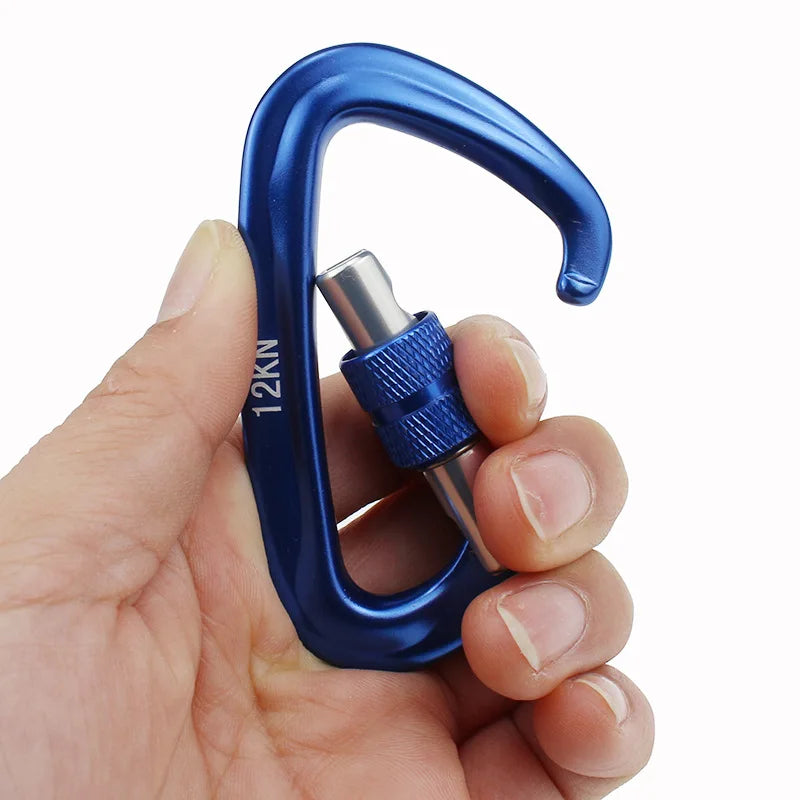
💡 See it in action
What Are the Top-Rated Carabiners for Climbing and Rappelling?
Top-rated carabiners for climbing and rappelling stand out due to high kN ratings (typically 12kN–25kN), durable materials, and secure locking systems. They balance strength and weight, making them ideal for both beginners and advanced climbers who demand reliability in high-risk situations.
| Feature | Top-Rated Models | Basic Models |
|---|---|---|
| Strength Rating | 12kN–25kN | 5kN–10kN |
| Material | Aluminum / Steel | Mixed alloys |
| Gate Type | Locking / Screwgate | Non-locking |
| Durability | High | Moderate |
For a reliable option, explore the 12kN aluminum carabiner, designed for strength without unnecessary weight.
kN Aluminum Carabiner vs Steel Carabiner: Which Performs Better?
Quick Comparison
- Aluminum: Lightweight, corrosion-resistant, ideal for climbing
- Steel: Heavier but extremely durable for industrial or heavy loads
| Criteria | Aluminum Carabiner | Steel Carabiner |
|---|---|---|
| Weight | Lightweight | Heavy |
| Strength | Moderate-High (12kN+) | Very High |
| Best Use | Climbing, hiking | Rescue, rigging |
Most climbers prefer aluminum because every ounce matters when scaling heights or carrying gear from Backpacking & Carry setups.
D-Shaped vs Oval Carabiner Detailed Comparison
Key Differences
- D-Shaped: Directs load toward the spine (stronger)
- Oval: Symmetrical, better for gear organization
D-shaped carabiners dominate climbing because they naturally reduce stress points. Oval carabiners are still useful when managing gear from Gear Organizers & Pouches.
Which Should You Choose?
- Choose D-shape for climbing and rappelling
- Choose oval for hauling or gear alignment
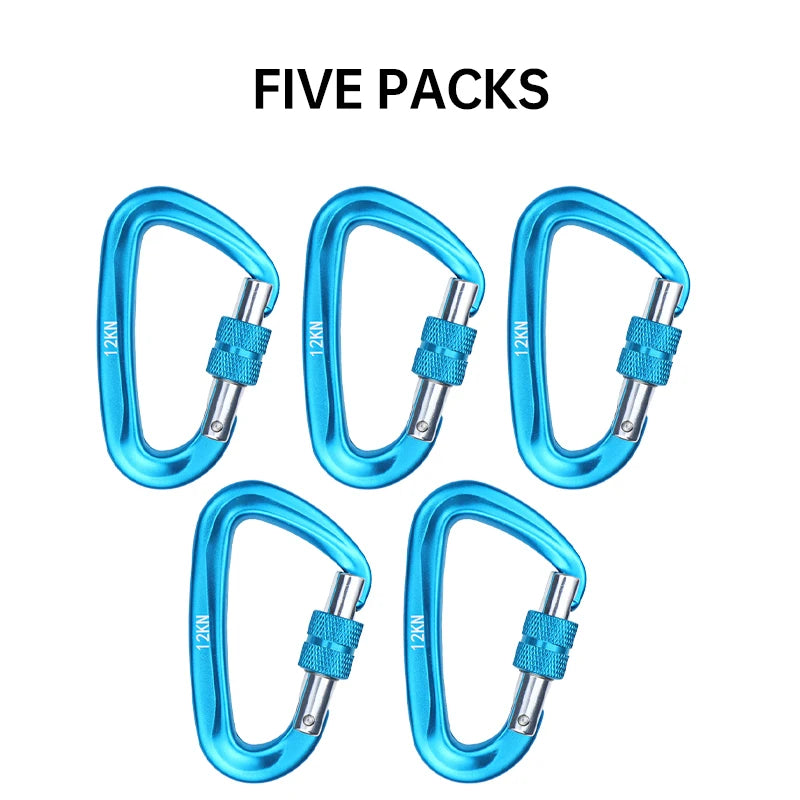
💡 See it in action
Accidental Carabiner Gate Opening Hazards You Must Avoid
This is where many climbers underestimate risk. Gate failure doesn’t always come from poor materials—it often comes from misuse.
- Cross-loading reduces strength dramatically
- Gate flutter during falls can cause opening
- Rope pressure may push gates open unexpectedly
- Improper clipping angles increase risk
Using locking carabiners and pairing them with safety gear from Safety, Survival & Emergency collections reduces these risks significantly.
Real Climber Reviews and Field Performance
Case Study #1: A Colorado climber reported switching to a 12kN aluminum model reduced pack weight by 20%, improving endurance on long routes.
Case Study #2: A Yosemite guide noted fewer clipping errors when using D-shaped carabiners due to intuitive load alignment.
Testimonial:
"I used to overlook carabiner choice. After upgrading, I feel more confident on every rappel." – Jake R., outdoor enthusiast
- Better grip and control
- Reduced fatigue
- Improved safety confidence
How to Choose the Right Carabiner for Your Next Climb
- Check kN rating (minimum 12kN recommended)
- Choose aluminum for weight-sensitive climbs
- Select D-shape for strength efficiency
- Use locking gates for critical connections
- Inspect regularly for wear and damage
Pair your climbing setup with essentials from Car Camping Accessories for complete outdoor readiness.
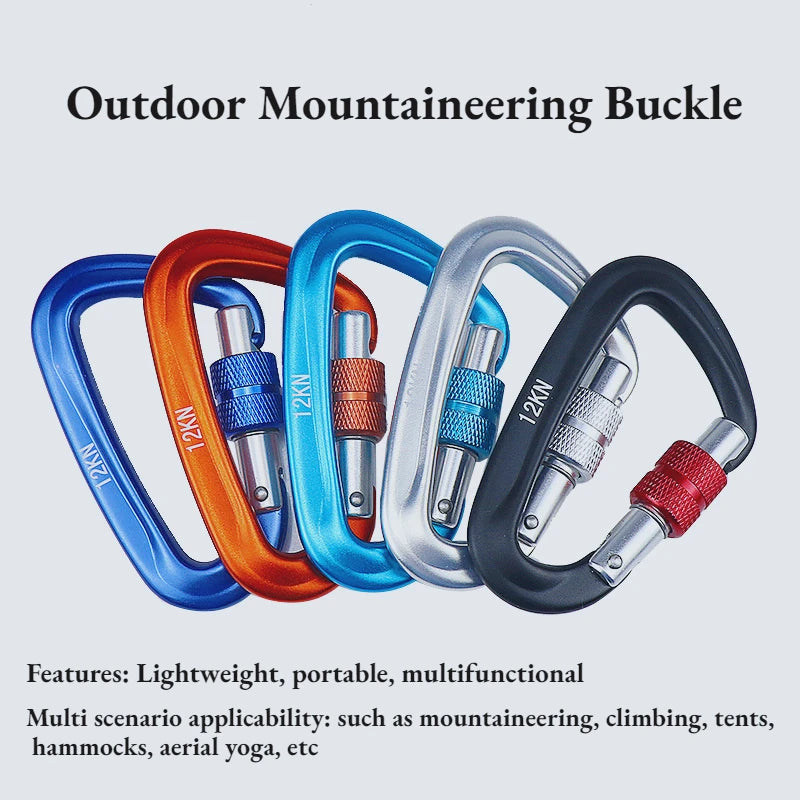
💡 See it in action
Frequently Asked Questions
What kN rating is safe for climbing?
A minimum of 12kN is recommended for general climbing, though higher ratings offer added safety margins.
Are aluminum carabiners strong enough?
Yes, modern aluminum carabiners are engineered for high strength while remaining lightweight.
Why do gates accidentally open?
Gate flutter, cross-loading, and improper clipping angles are the most common causes.
Is D-shape better than oval?
For climbing, D-shape is typically stronger and more efficient at distributing load.
How often should I replace carabiners?
Replace them if you notice cracks, deformation, or after significant impact events.
Choosing the right carabiner isn’t just about gear—it’s about confidence, safety, and performance when it matters most.
Pillar Article: Best Heavy-Duty Climbing Carabiners 2026 Reviewed
Other Related Articles:
Explore More:





