

Heavy Duty Carabiners: Which One Fits Your Climbing Needs Best
Does a locking carabiner heavy duty really improve climbing safety?
A locking carabiner heavy duty design significantly reduces accidental carabiner gate opening hazards and lowers the risk of carabiner failure while climbing. By adding a secure locking mechanism and higher strength rating, it prevents unintended unclipping, making it a safer choice for both beginners and experienced climbers.
Locking Carabiner Heavy Duty Vs Standard Clips: What You Should Know
Locking carabiner heavy duty options aren’t just for pros—they’re a critical upgrade if you want to prevent accidental carabiner gate opening hazards and reduce the risk of carabiner failure while climbing. This guide breaks down real differences between standard clips and locking designs, plus practical tips for safe outdoor climbing gear setup that most beginners overlook. Could a simple switch in your gear be the difference between safety and serious danger?
⏱ 6 min read
Ever clipped into your rope and wondered, “Is this actually secure?” You’re not alone. Many climbers rely on standard clips without realizing how easily gates can open under pressure, friction, or movement.
Whether you're scaling rock faces or setting up camp gear, choosing the right carabiner matters more than most people think.
💡 See it in action
What Is a Locking Carabiner Heavy Duty and Why It Matters
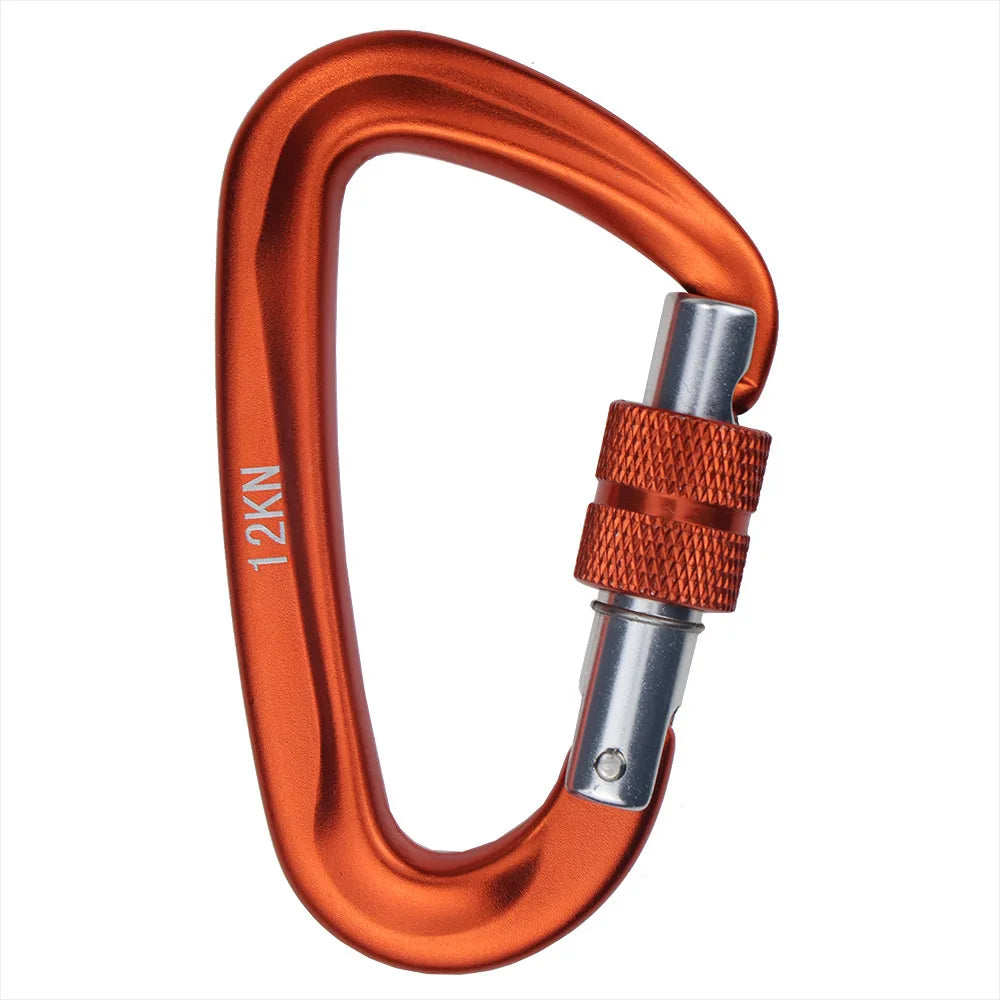
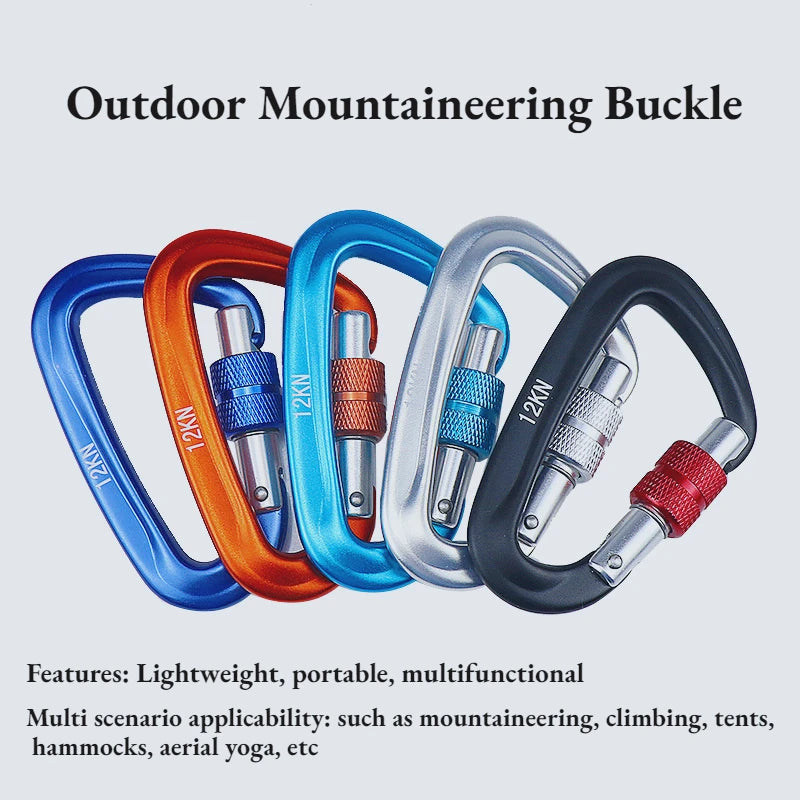
A locking carabiner heavy duty is built with a reinforced structure and a locking gate mechanism designed to prevent accidental opening. Unlike standard clips, it requires deliberate action to unlock, adding a critical layer of safety when climbing or securing heavy loads outdoors.
- Higher strength ratings (often 12kN+)
- Manual or auto-locking gates
- More resistance to twisting and cross-loading
- Ideal for load-bearing applications
If you’re attaching gear to a Backpacking & Carry system or securing shelter equipment, this extra reliability matters.
Locking vs Standard Carabiners: Key Differences That Impact Safety
| Feature | Locking Heavy Duty | Standard Clip |
|---|---|---|
| Gate Security | Locking mechanism prevents opening | Spring gate only |
| Strength | Higher load capacity | Moderate strength |
| Ease of Use | Slightly slower | Quick and easy |
| Best Use | Climbing, safety-critical setups | Light gear attachment |
| Risk Level | Lower | Higher |
Standard clips are convenient—but convenience can come at a cost when safety is involved.
How Accidental Carabiner Gate Opening Hazards Actually Happen
Many climbers underestimate how often gates can open unintentionally.
- Rope movement: Vibrations can slowly push the gate open
- Rock contact: Scraping against surfaces can trigger the gate
- Improper orientation: Side loading weakens the clip
- Gear crowding: Multiple attachments increase pressure points
Imagine hiking with gear clipped to your pack from Gear Organizers & Pouches—a sudden shift could unclip essential tools without you noticing.
Understanding the Real Risk of Carabiner Failure While Climbing
Failure rarely comes from obvious breaks—it’s often subtle misuse.
Top Causes of Failure
- Cross-loading (force applied sideways)
- Gate left open under load
- Using non-rated clips for climbing
- Wear and tear over time
Why Locking Designs Reduce Risk
- Prevent gate flutter
- Maintain full strength rating
- Reduce human error
- Increase confidence during climbs
Pairing strong clips with reliable gear like Gloves & Protective Gear improves overall safety during demanding climbs.
💡 See it in action
When to Use Locking vs Standard Carabiners
Use Locking Heavy Duty When:
- Climbing or belaying
- Setting anchors
- Securing heavy loads
- Safety is critical
Use Standard Clips When:
- Organizing gear
- Attaching lightweight items
- Non-load-bearing tasks
- Quick access is needed
For example, attaching cookware from Outdoor Cookware or lighting from Tent & Camping Lanterns is fine with standard clips—but never for climbing.
Tips for Safe Outdoor Climbing Gear Setup That Most People Miss
- Always double-check locks before loading weight
- Position carabiners correctly to avoid cross-loading
- Use rated gear only for climbing activities
- Inspect regularly for cracks or wear
- Separate gear types to avoid overcrowding
Smart packing also helps. Use Compression & Packing Bags to reduce clutter and prevent accidental stress on clips.
Real Outdoor Experiences: What Climbers Are Saying
Many outdoor enthusiasts report switching to locking designs after close calls.
- “My standard clip opened while scrambling—never again.”
- “Locking carabiners gave me peace of mind on multi-pitch climbs.”
- “Worth the extra second to lock—it could save your life.”
Even casual campers using Car Camping Accessories notice improved reliability when securing gear overnight.
💡 See it in action
Why Upgrading Your Carabiner Is a Smart Move
Switching to a locking carabiner heavy duty isn’t about over-preparing—it’s about eliminating unnecessary risk.
When your safety depends on a small piece of metal, every detail matters.
Frequently Asked Questions
Are locking carabiners necessary for beginners?
Yes. Beginners are more prone to setup mistakes, so locking designs add an extra layer of protection.
Can standard carabiners fail easily?
They can fail under improper use, especially if the gate opens or the load is applied incorrectly.
How often should I replace my carabiners?
Replace them if you notice cracks, deformation, or after significant impact. Regular inspection is essential.
Are heavy-duty carabiners heavier?
Slightly, but the added weight is minimal compared to the safety benefits.
What’s the safest setup for outdoor climbing?
Use locking carabiners, properly rated ropes, and organized gear systems to minimize hazards and maximize reliability.
Related Articles:
- Carabiner Screw Lock Vs Wire Gate: Which Is Safer For Climbing
- Heavy Duty Carabiner Clip Comparison: Strength Vs Convenience
- Top Rated Carabiner Showdown: Which Is Worth Your Gear Space
- Carabiner With Screw Lock: Safety And Strength Compared
- Locking Carabiner Heavy Duty Vs Standard Clips: What You Should Know
Pillar Articles:





