

Carabiner Screw Lock Vs Wire Gate: Which Is Safer For Climbing
Are carabiner screw lock designs safer for climbing?
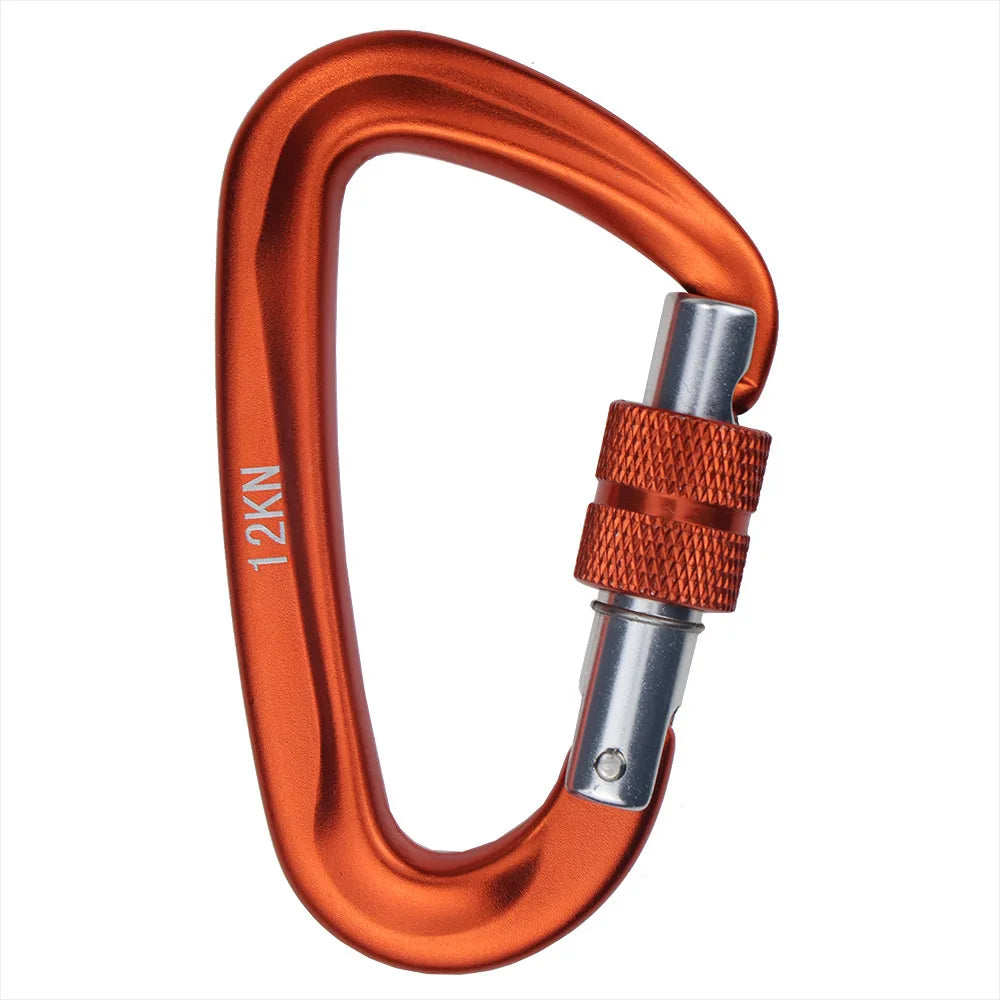
Carabiner screw lock systems are generally safer for critical climbing connections because they require manual locking, reducing accidental gate opening. Compared to wire gates, they offer stronger resistance to vibration and cross-loading. However, safety depends on correct use, proper orientation, and selecting the right strength rating like a 12kN carabiner.
Carabiner Screw Lock Vs Wire Gate: Which Is Safer For Climbing
Carabiner screw lock systems aren’t all created equal—especially when your safety is on the line. This guide breaks down the real-world differences between screw lock and wire gate designs, including a D-shaped vs oval carabiner detailed comparison most climbers overlook. You’ll uncover the hidden risk of carabiner failure while climbing and learn how to choose a 12kN carabiner that actually matches your setup. One small choice can change everything—are you using the right one?
⏱ 5 min read
Ever clipped into a route and wondered if your gear is truly secure? Whether you're setting anchors, managing ropes, or organizing gear, the choice between a carabiner screw lock and a wire gate can directly impact your safety and confidence.
👉 Discover must-have camping gear
Explore reliable essentials like Hooks, Clips & Carabiners and upgrade your outdoor setup before your next climb.
💡 See it in action
How Carabiner Screw Lock vs Wire Gate Affects Your Safety
A carabiner screw lock adds a manual barrier between you and failure. Wire gates rely on tension alone.
- Screw Lock: Requires twisting to secure, minimizes accidental opening
- Wire Gate: Lightweight and fast, but can open under rope movement
- Durability: Screw locks resist debris and ice better
- Speed: Wire gates excel in quick clipping situations
| Feature | Screw Lock | Wire Gate |
|---|---|---|
| Security | High (manual lock) | Moderate |
| Weight | Heavier | Lighter |
| Ease of Use | Slower | Fast clipping |
| Best Use | Anchors, belay | Quickdraws |
If you’re building anchors or securing yourself at height, screw lock wins—no debate.
Why Shape Matters: D-Shaped vs Oval Carabiner Detailed Comparison
Shape influences load distribution and stability.
- D-Shaped: Directs force to the spine, stronger and more efficient
- Oval: Balanced but weaker, ideal for gear racking
Key takeaway: For climbing safety, D-shaped carabiners are typically stronger and reduce shifting under load.
Many climbers pair a D-shaped screw lock with critical systems, while reserving oval wire gates for carrying equipment.
What Causes the Risk of Carabiner Failure While Climbing?
Even the best gear fails when used incorrectly.
- Cross-loading (force applied sideways)
- Gate flutter (vibration causing opening)
- Improper locking of screw gate
- Using low-rated carabiners in high-load scenarios
One climber shared: “I trusted a wire gate at an anchor once—never again after seeing it shift under tension.”
Safety isn’t just about design—it’s about matching the tool to the job.
👉 Learn how to choose the right hiking gear
Compare options and explore Backpacking & Carry solutions that keep your setup organized and safe.
💡 See it in action
How to Choose a 12kN Carabiner That Matches Your Setup
A 12kN carabiner can be suitable for light-duty applications—but not all climbing situations.
- Check load rating: 12kN works for accessory use, not main climbing protection
- Choose locking mechanism: Screw lock for safety-critical connections
- Select shape: D-shape for strength, oval for organization
- Inspect material: Aluminum for lightweight durability
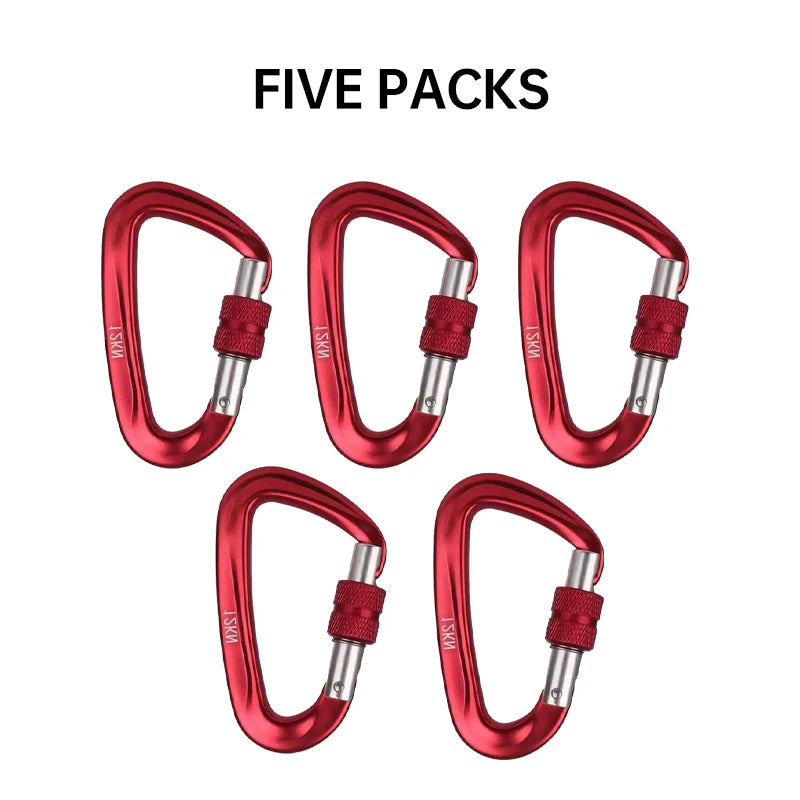
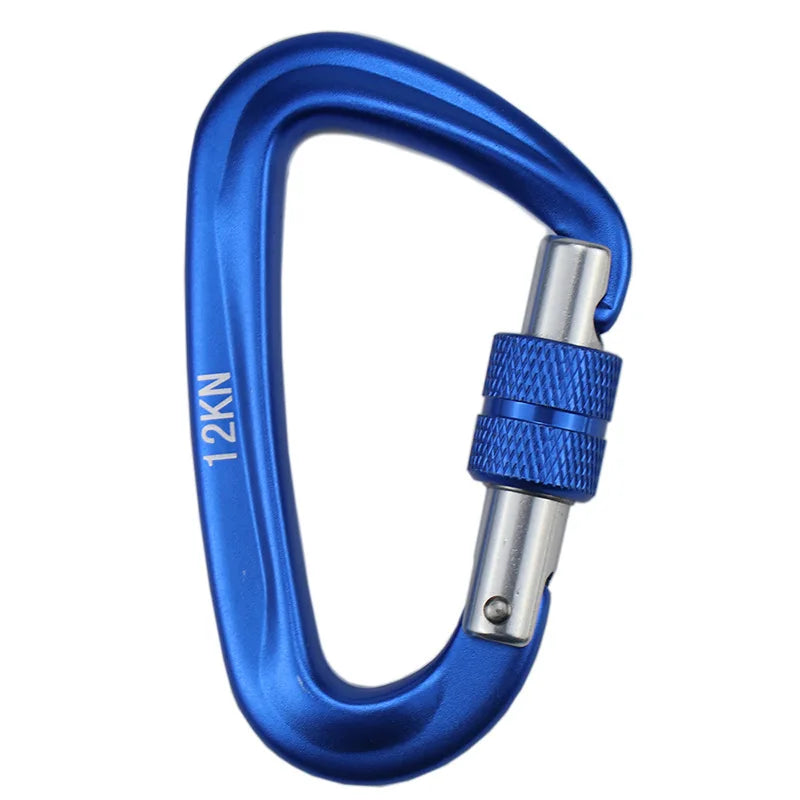
For versatile outdoor use, consider this option: 12kN aluminum carabiner
It’s ideal for camping setups, gear hanging, and non-critical load tasks.
How the Right Carabiner Improves Real Outdoor Experiences
Imagine setting up camp after a long hike. You need reliability—not guesswork.
- Use screw locks to secure hammocks from Hammocks & Straps
- Clip gear safely onto packs from Lightweight Daypacks
- Organize essentials with Gear Organizers & Pouches
The right choice simplifies everything—less stress, more focus on the adventure.
Final Verdict: Which Carabiner Should You Trust?
Choose a carabiner screw lock when safety matters most—anchors, belay systems, and load-bearing setups. Wire gates still have their place for speed and lightweight travel, but they shouldn’t replace locking systems in critical scenarios.
💡 See it in action
👉 Get yours now before your next trip!
Upgrade your setup with a reliable 12kN aluminum carabiner and explore more options in Safety, Survival & Emergency.
FAQs
Is a carabiner screw lock better than a wire gate?
Yes, for safety-critical uses. Screw locks prevent accidental opening, making them ideal for anchors and belay systems, while wire gates are better suited for quick clipping and gear carrying.
What is the safest carabiner shape for climbing?
D-shaped carabiners are generally the safest because they distribute force toward the spine, increasing strength and stability under load.
Can a 12kN carabiner be used for climbing?
A 12kN carabiner is suitable for light-duty or accessory use but not for primary climbing protection, which typically requires higher-rated equipment.
Pillar Article: Heavy Duty Carabiners: Which One Fits Your Climbing Needs Best
Other Related Articles:
- Heavy Duty Carabiner Clip Comparison: Strength Vs Convenience
- Top Rated Carabiner Showdown: Which Is Worth Your Gear Space
- Carabiner With Screw Lock: Safety And Strength Compared
- Locking Carabiner Heavy Duty Vs Standard Clips: What You Should Know
Explore More:





