

Carabiner For Climbing: Which Type Fits Your Adventure Style
What is the best carabiner for climbing?
A carabiner for climbing should match your activity, combining strength, safety, and ease of use. Locking models improve security for belaying and anchors, while lightweight non-locking designs boost speed on sport routes. Choosing the right shape, gate type, and rating ensures safer, more efficient climbs across different environments.
Carabiner For Climbing: Which Type Fits Your Adventure Style
Carabiner for climbing choices can make or break your safety and efficiency on the wall, yet most climbers overlook how shape, gate type, and strength ratings impact real performance. From top-rated carabiners for climbing and rappelling to smart, best ways to secure backpacks with carabiners, even a compact carabiner for hiking and camping can transform your setup. Discover how the right pick boosts confidence, saves time, and adapts to every adventure—but which one truly fits your style?
⏱ 8 min read
Ever found yourself fumbling with gear mid-climb or struggling to organize your pack on a hike? The smallest tools often make the biggest difference. A well-chosen carabiner can streamline your entire outdoor experience—whether you're scaling rock faces or setting up camp.
Explore essentials in Camping & Picnic to upgrade your outdoor setup.
💡 See it in action
Why Choosing the Right Carabiner Changes Everything
Not all carabiners are created equal. The wrong one can slow you down—or worse, compromise safety.
- Weight vs strength: Lightweight designs improve mobility but must meet safety ratings.
- Ease of clipping: Gate design impacts speed and efficiency.
- Versatility: Some carabiners transition seamlessly from climbing to camping.
- Durability: Materials like aluminum balance strength and weight.
Think about your typical day outdoors. Are you prioritizing speed, safety, or convenience?
Types of Carabiners and When to Use Them
Locking Carabiners for Maximum Safety
Perfect for belaying and anchor setups, locking carabiners reduce the risk of accidental opening.
- Screwgate: Reliable and simple
- Auto-locking: Faster but slightly heavier
Non-Locking Carabiners for Speed
Ideal for sport climbing and quickdraws, these allow rapid clipping during dynamic climbs.
Wiregate Carabiners for Lightweight Efficiency
These are a favorite for alpine climbs where every gram counts.
Compact Carabiners for Hiking and Camping
Not all adventures involve vertical climbs. A compact carabiner for hiking and camping helps organize gear, attach items, and simplify packing.
How to Choose Based on Your Adventure Style
- Rock Climbing: Use locking carabiners for anchors and non-locking for quickdraws.
- Alpine Climbing: Go lightweight with wiregates.
- Hiking: Choose compact options for gear attachment.
- Camping: Use durable carabiners for securing items and organizing your setup.
Pair your gear with smart storage from Backpacking & Carry to keep everything accessible.
Quick Comparison of Carabiner Types
| Type | Best Use | Pros | Cons |
|---|---|---|---|
| Locking | Belaying, anchors | High safety | Heavier |
| Non-locking | Sport climbing | Fast clipping | Less secure |
| Wiregate | Alpine | Lightweight | Can freeze in cold |
| Compact | Hiking/camping | Versatile | Not for heavy loads |
Browse Hooks, Clips & Carabiners for practical solutions.
💡 See it in action
Best Ways to Secure Backpacks with Carabiners
- Attach water bottles externally for quick access
- Secure shoes or gear outside your pack
- Hang cooking tools at camp
- Organize small items like keys or flashlights
Combine with gear from Gear Organizers & Pouches for maximum efficiency.
Why This Compact Carabiner Stands Out
This carabiner for climbing offers a balanced mix of strength, lightweight construction, and everyday versatility. Designed for climbers and outdoor enthusiasts, it transitions easily from technical use to hiking and camping tasks, making it a reliable all-in-one solution.
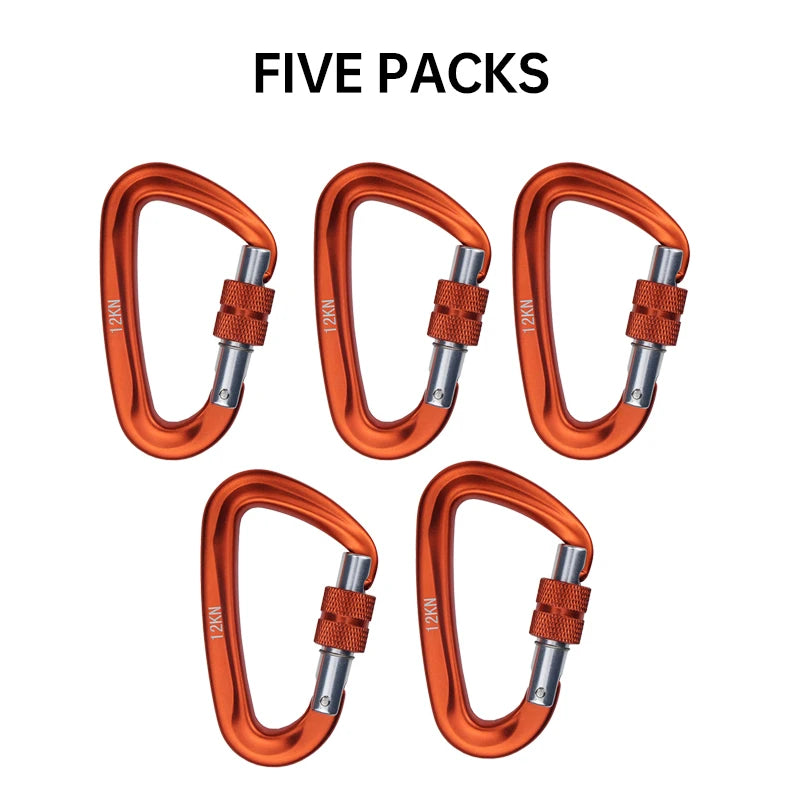
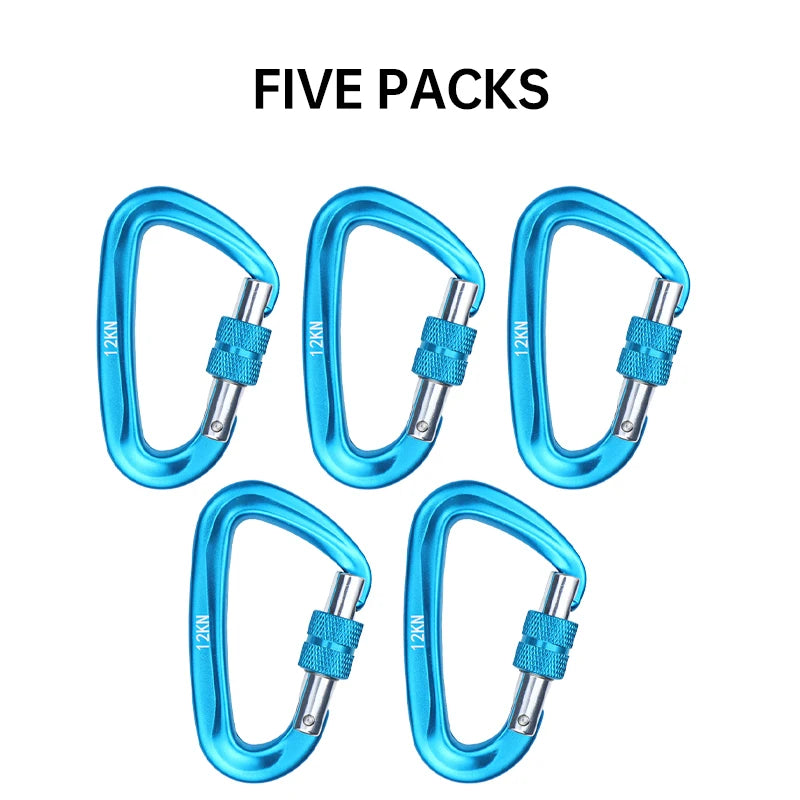
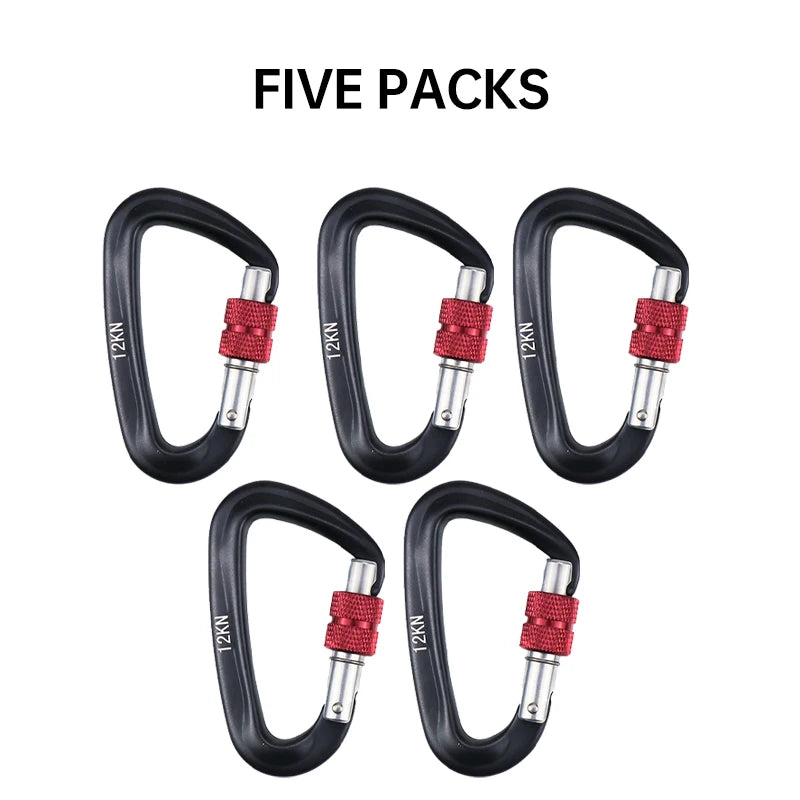
Looking for a practical option? Check out the 12KN Aluminum Carabiner Outdoor Buckle for a dependable and versatile choice.
- Strong yet lightweight aluminum build
- Easy-to-use gate for quick access
- Compact size for multi-purpose use
- Reliable for both climbing support and daily outdoor tasks
Many hikers report saving time during setup and reducing pack clutter by integrating a few compact carabiners into their gear system.
Common Mistakes to Avoid
- Using non-rated carabiners for climbing
- Ignoring weight limits
- Choosing the wrong gate type
- Overloading a single carabiner
Safety always comes first. Pair your setup with essentials from Safety, Survival & Emergency for added peace of mind.
💡 See it in action
How the Right Carabiner Improves Your Outdoor Experience
- Speeds up gear transitions
- Improves safety during climbs
- Keeps equipment organized
- Reduces physical strain
Whether you're climbing, hiking, or camping, small upgrades lead to smoother adventures.
Upgrade your gear with the 12KN Aluminum Carabiner Outdoor Buckle.
FAQs
What is the safest type of carabiner for climbing?
Locking carabiners are considered the safest because they prevent accidental gate opening, making them ideal for belaying and anchor systems.
Can I use a hiking carabiner for climbing?
No, only rated climbing carabiners should be used for climbing. Hiking carabiners are designed for light-duty tasks like gear attachment.
How many carabiners do I need?
It depends on your activity. Climbers typically carry multiple carabiners for anchors and quickdraws, while hikers may only need a few for organization.
What is a 12KN rating?
A 12KN rating indicates the carabiner can handle 12 kilonewtons of force, suitable for light climbing support and general outdoor use.
Related Articles:
- Carabiner For Mountain Climbing: Benefits For Tough Terrain
- High Strength Carabiner Use Cases For Extreme Adventures
Pillar Articles:





