

High Strength Carabiner Use Cases For Extreme Adventures
Which carabiner for climbing fits your style?
A carabiner for climbing should match your activity, strength needs, and handling style. Locking carabiners provide safety for belaying and anchors, while non-locking versions are lighter for quickdraws. Shape, gate type, and weight all affect efficiency, safety, and comfort on the wall or trail.
Carabiner For Climbing: Which Type Fits Your Adventure Style
Carabiner for climbing choices can make or break your safety and efficiency on the wall, yet most climbers overlook how shape, gate type, and strength ratings impact real performance. From top-rated carabiners for climbing and rappelling to smart, best ways to secure backpacks with carabiners, even a compact carabiner for hiking and camping can transform your setup. Discover how the right pick boosts confidence, saves time, and adapts to every adventure—but which one truly fits your style?
⏱ 8 min read
Ever stood at the base of a climb or trailhead wondering if your gear setup is actually working against you? Whether you're battling tangled gear loops, struggling with stiff gates, or worried about safety under load, choosing the right carabiner can completely change your experience.
👉 Discover must-have camping gear
Explore durable essentials in Hooks, Clips & Carabiners and upgrade your setup for safer, smoother adventures.
💡 See it in action
Why the Right Carabiner Changes Everything
Choosing the wrong carabiner isn't just inconvenient—it can slow you down or compromise safety. The right one saves time, reduces fatigue, and increases confidence.
- Smoother clipping: No more fumbling mid-climb
- Better weight balance: Lighter gear for long hikes
- Improved safety: Stronger locking systems when it matters
- Versatility: From climbing to camping setups
Think of it as the small piece of gear that connects everything—literally and functionally.
How Different Carabiner Types Improve Performance
Carabiner for climbing selection becomes easier when you understand the categories. Each type is designed for a specific role.
D-Shaped Carabiners: Strength Where You Need It
These are ideal for load-bearing situations. Their shape directs weight to the spine, increasing strength and durability.
Oval Carabiners: Balanced and Reliable
Perfect for aid climbing or gear organization. They provide symmetrical loading, making them predictable and stable.
Pear-Shaped (HMS): Belaying Made Easier
Designed for belay devices and knots, these offer a wider gate opening and smoother rope handling.
Wire Gate vs. Solid Gate
- Wire gate: Lightweight, reduces gate flutter
- Solid gate: Easier to handle with gloves
Locking vs. Non-Locking
- Locking: Essential for anchors and belaying
- Non-locking: Faster for quickdraws and light tasks
👉 Learn how to choose the right hiking gear
Pair your carabiner with smart packing from Backpacking & Carry and Gear Organizers & Pouches for maximum efficiency.
Match Your Adventure Style to the Right Carabiner
For Sport Climbers: Speed and Efficiency
Lightweight non-locking carabiners help you clip quickly without losing momentum.
For Trad Climbers: Strength and Versatility
You’ll want a mix of locking and non-locking types to handle anchors, protection, and belaying.
For Hikers and Campers: Multi-Use Functionality
A compact carabiner for hiking and camping is perfect for attaching gear, water bottles, or securing equipment.
Combine with Lightweight Daypacks for a streamlined outdoor experience.
For Travelers and Car Campers: Organization Matters
Use carabiners to hang lights, organize cooking gear, or secure bags inside your vehicle.
Explore tools in Car Camping Accessories and Camping Storage & Boxes.
Quick Comparison of Popular Carabiner Types
| Type | Best Use | Strength | Weight |
|---|---|---|---|
| D-Shape | Climbing anchors | High | Medium |
| Oval | Gear organization | Moderate | Medium |
| Pear (HMS) | Belaying | High | Medium |
| Wire Gate | Quickdraws | Moderate | Light |
💡 See it in action
Best Ways to Secure Backpacks with Carabiners
- Attach water bottles for quick access
- Clip shoes or wet gear outside your pack
- Secure cooking tools from Camping Stoves & Cooking
- Hang lights from Tent & Camping Lanterns inside tents
These simple hacks reduce clutter and improve accessibility.
Real Outdoor Stories: Why the Right Choice Matters
Jake, Colorado: “Switching to a lightweight wire gate setup shaved minutes off each climb.”
Sophia, California: “A locking carabiner gave me confidence while setting anchors.”
Mark, Utah: “Using carabiners for backpack organization made hiking way less frustrating.”
Small changes, big improvements.
How to Choose the Perfect Carabiner for Climbing
- Identify your main activity (climbing, hiking, camping)
- Choose the right shape (D, oval, pear)
- Select gate type (wire or solid)
- Check strength ratings (kN)
- Consider weight and portability
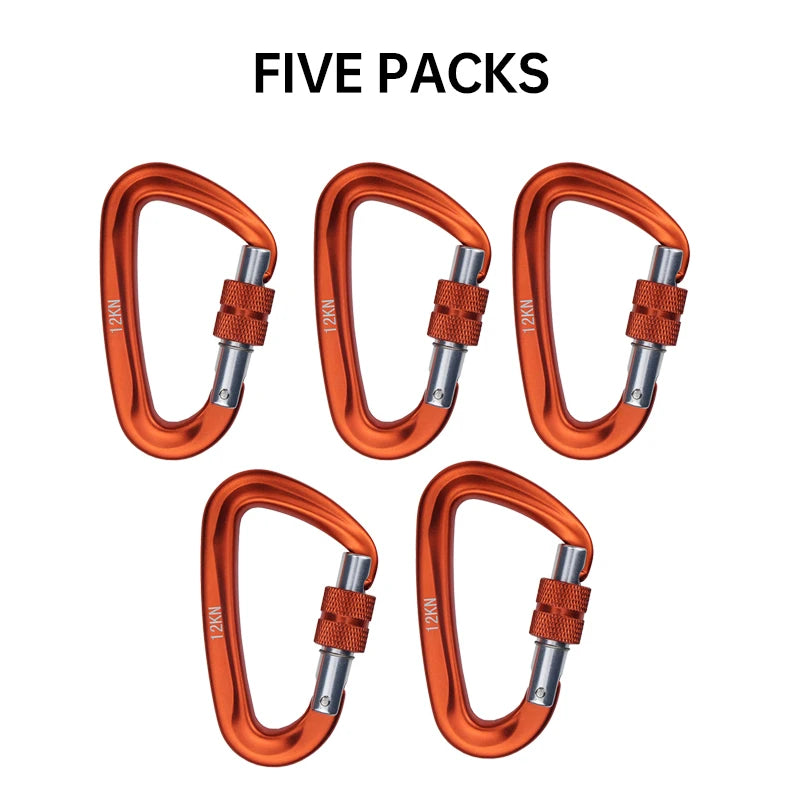
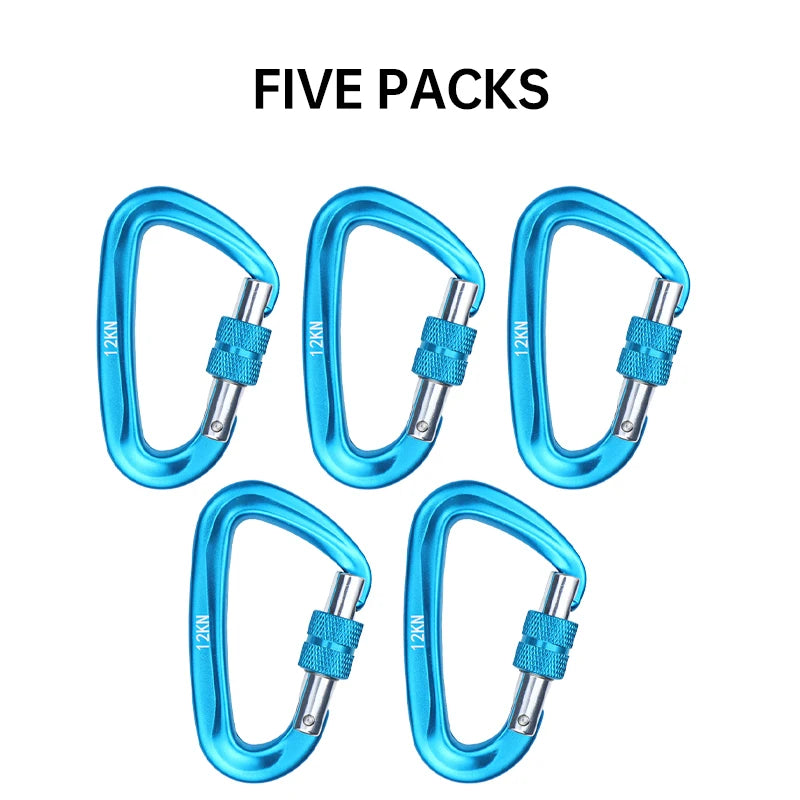
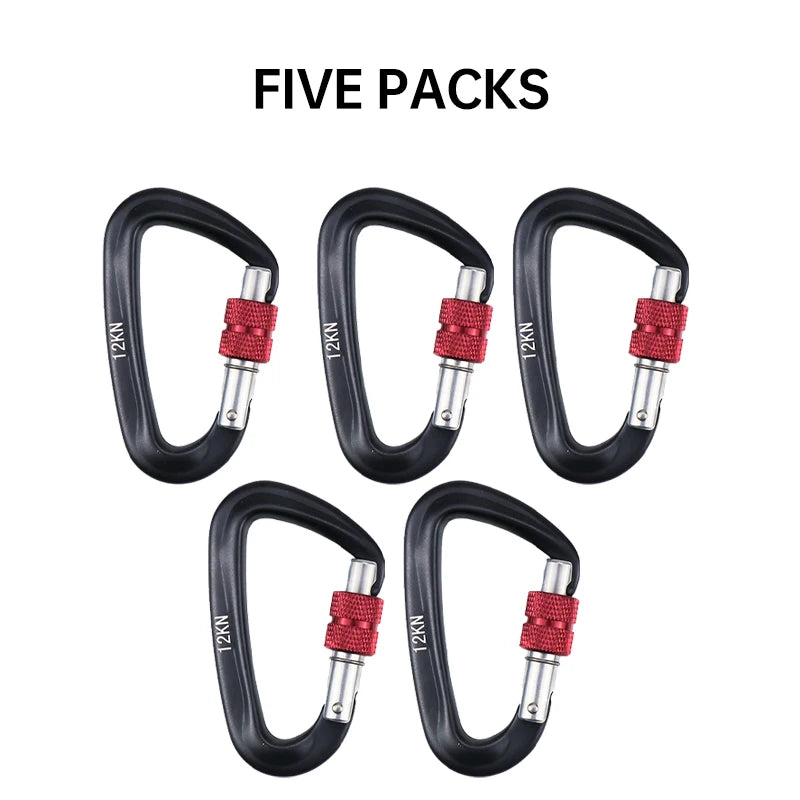
For a reliable option, check out the 12kN Aluminum Carabiner Outdoor Buckle—a balance of strength, weight, and versatility.
💡 See it in action
👉 Get yours now before your next trip!
Upgrade your gear with trusted options from Hooks, Clips & Carabiners and prepare for your next climb with confidence.
Frequently Asked Questions
What is the best carabiner for climbing?
A locking carabiner is best for safety-critical tasks like belaying, while non-locking options are ideal for quickdraws and speed.
Can I use a carabiner for hiking?
Yes, a compact carabiner for hiking and camping is great for attaching gear, organizing packs, and improving accessibility.
How strong should a climbing carabiner be?
Most climbing carabiners range from 20–30kN for major axis strength, ensuring reliability under load.
Are all carabiners safe for climbing?
No, only certified climbing carabiners should be used for load-bearing applications.
Pillar Article: Carabiner For Climbing: Which Type Fits Your Adventure Style
Other Related Articles:
Explore More:





