

Carabiner For Mountain Climbing: Benefits For Tough Terrain
Does a carabiner for mountain climbing really improve safety?
A carabiner for mountain climbing significantly reduces the risk of carabiner failure while climbing by providing secure load-bearing strength, reliable locking systems, and durable aluminum construction. When chosen correctly, it minimizes heavy-duty carabiner safety concerns outdoors and ensures dependable performance on unpredictable terrain.
Carabiner For Mountain Climbing: Benefits For Tough Terrain
⏱ 8 min read
Carabiner for mountain climbing isn’t just a clip—it’s your lifeline on unpredictable terrain. From reducing heavy-duty carabiner safety concerns outdoors to choosing a durable aluminum carabiner for adventure gear, the right design can dramatically lower the risk of carabiner failure while climbing. Many climbers overlook subtle strength ratings and locking systems that make all the difference in extreme conditions. So what separates a reliable setup from a dangerous weak point when it matters most?
Ever found yourself double-checking your gear mid-climb, wondering if everything will hold? That hesitation can cost focus—and in the mountains, focus is everything.
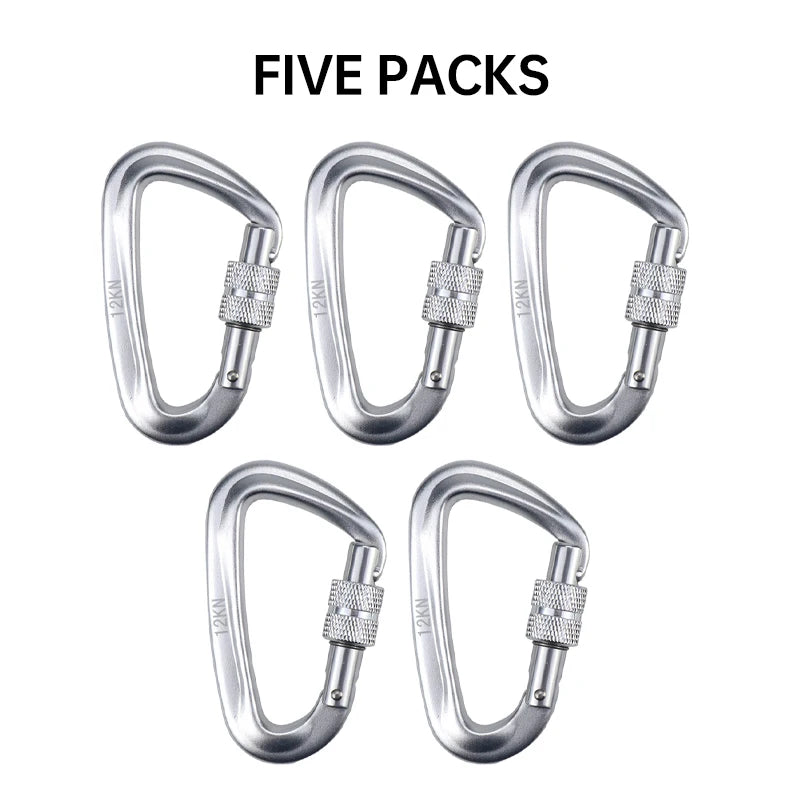
💡 See it in action
What makes a carabiner reliable in mountain climbing?
A carabiner for mountain climbing must combine high strength ratings, a secure locking mechanism, and a durable aluminum build to reduce heavy-duty carabiner safety concerns outdoors. The best options maintain integrity under load, resist corrosion, and prevent accidental gate opening in high-stress situations.
- High tensile strength: Rated to handle dynamic and static loads
- Locking gate systems: Prevent accidental unclipping
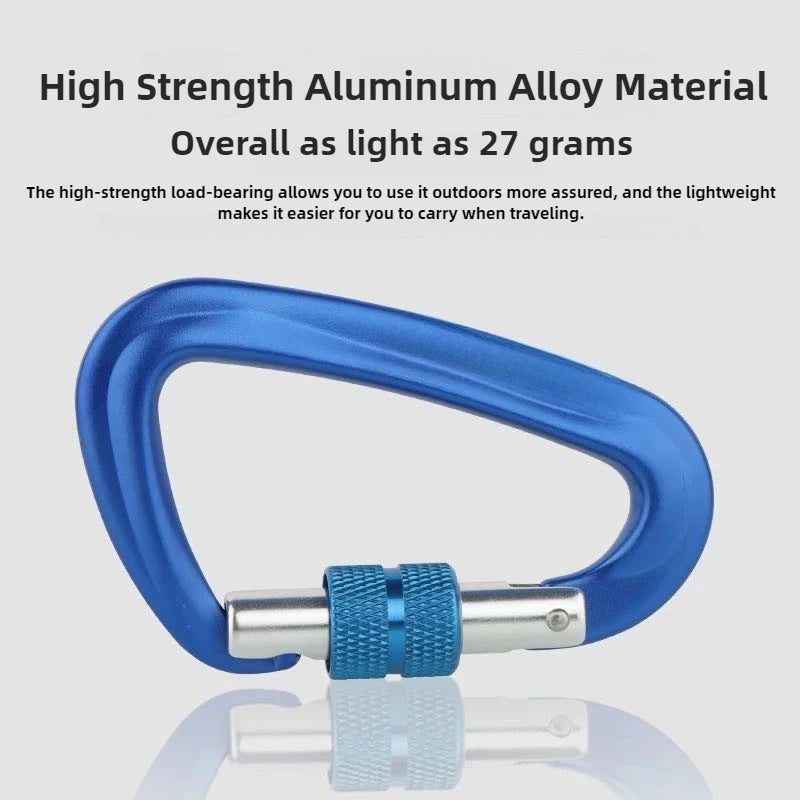
- Lightweight aluminum: Reduces fatigue without sacrificing durability
- Precision design: Smooth clipping even with gloves or cold hands
For climbers organizing gear efficiently, pairing your setup with Hooks, Clips & Carabiners and Gear Organizers & Pouches ensures faster access and less fumbling mid-route.
How a strong carabiner improves safety on tough terrain
When you're scaling steep rock faces or navigating icy ridgelines, your gear must perform without hesitation. A reliable carabiner transforms uncertainty into confidence.
- Reduces failure risk: High-quality materials withstand extreme stress
- Improves load distribution: Prevents weak points in your system
- Enhances control: Smooth gate action enables quick clipping
- Boosts mental focus: Confidence in gear reduces hesitation
Climbers often combine these with Safety, Survival & Emergency essentials for complete preparedness in unpredictable environments.
Why aluminum carabiners dominate modern climbing
A durable aluminum carabiner for adventure gear offers the perfect balance between strength and weight. Steel options may be stronger, but aluminum keeps your pack lighter—critical when every ounce matters on long ascents.
How to choose the right carabiner for your climbing style
Not all climbers face the same challenges. Your ideal carabiner depends on your terrain, experience, and gear setup.
| Climbing Style | Recommended Carabiner Type | Why It Works |
|---|---|---|
| Sport Climbing | Lightweight non-locking | Quick clipping for fast routes |
| Trad Climbing | Locking carabiner | Extra safety for anchors |
| Mountaineering | Heavy-duty locking aluminum | Handles extreme weather and loads |
If you’re building a complete kit, explore Backpacking & Carry and Lightweight Daypacks to keep everything streamlined.
Comparison: locking vs non-locking carabiners
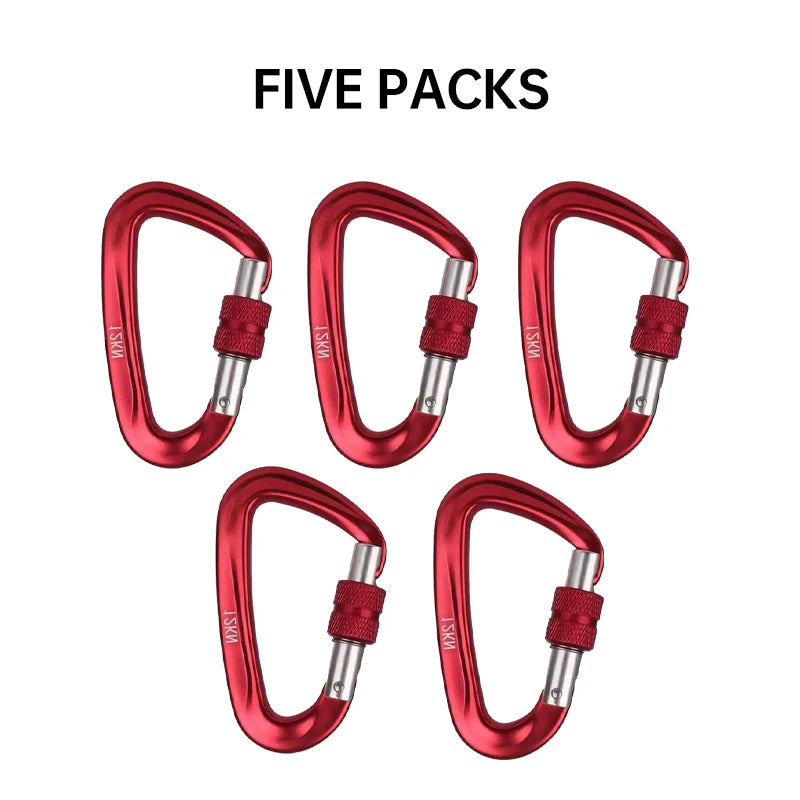
💡 See it in action
| Feature | Locking Carabiner | Non-Locking Carabiner |
|---|---|---|
| Safety Level | High | Moderate |
| Ease of Use | Requires extra step | Quick and simple |
| Best Use | Anchors, belaying | Quickdraws, gear racking |
| Failure Risk | Lower | Higher if misused |
Many experienced climbers carry both types to adapt to changing terrain conditions.
Real-world climbing scenarios and gear fit
Scenario 1: Icy alpine ridge
Cold fingers, slippery surfaces, and unpredictable wind. A locking carabiner prevents accidental gate opening when precision is compromised.
Scenario 2: Long multi-pitch climb
Fatigue builds. Lightweight aluminum reduces strain while maintaining strength across repeated use.
Scenario 3: Emergency descent
In high-stress situations, reliable gear matters most. A durable carabiner ensures consistent performance when speed and safety are critical.
Adding backup gear like Emergency Lighting or First Aid Kits further strengthens your preparedness.
How to reduce the risk of carabiner failure while climbing
- Check strength ratings: Always match gear to load requirements
- Avoid cross-loading: Keep force aligned along the spine
- Inspect regularly: Look for cracks, wear, or gate issues
- Use locking systems: Especially in critical connections
Climbers who follow these practices report fewer incidents and greater confidence during challenging routes.
Simple pre-climb checklist
- Inspect all carabiners
- Test locking mechanisms
- Organize gear for quick access
- Confirm load ratings match route difficulty
💡 See it in action
Final thoughts: Why the right carabiner changes everything
Choosing the right carabiner for mountain climbing isn’t about convenience—it’s about safety, confidence, and performance when conditions turn unpredictable.
Whether you're navigating steep cliffs or rugged backcountry trails, investing in a dependable option like this durable aluminum carabiner ensures you're prepared for whatever the terrain throws your way.
Frequently Asked Questions
What strength rating should a climbing carabiner have?
Most climbing carabiners are rated between 20kN and 30kN for major axis strength. Choosing the right rating depends on your climbing style and load requirements.
Are aluminum carabiners strong enough for mountain climbing?
Yes, high-quality aluminum carabiners are designed to handle extreme loads while remaining lightweight, making them ideal for most climbing scenarios.
How often should I replace my carabiner?
Replace your carabiner if you notice visible wear, gate malfunction, or after significant impact. Regular inspection ensures long-term safety.
What causes carabiner failure while climbing?
Common causes include cross-loading, overloading beyond rated capacity, gate failure, and wear over time. Proper usage and inspection reduce these risks.
Pillar Article: Carabiner For Climbing: Which Type Fits Your Adventure Style
Other Related Articles:
Explore More:





