

Rock Climbing Carabiner Technologies That Boost Safety
Does rock climbing carabiner technology really improve safety?
Yes. A modern rock climbing carabiner can reduce gate flutter, improve clipping control, and better distribute force under load. Updated shapes, locking systems, and stronger materials help lower accidental carabiner gate opening hazards, reduce the risk of carabiner failure while climbing, and make lightweight gear easier to handle on route.
Rock Climbing Carabiner Technologies That Boost Safety
⏱ 8 min read
Ever fumbled a clip while pumped on a steep route or wondered if ultralight gear sacrifices confidence? Today’s rock climbing carabiner designs solve real problems climbers face every session. Smarter gates, stronger alloys, and cleaner rope paths now help you move faster, clip easier, and trust your system more when it matters most.
👉 Curious what upgrades make the biggest difference? Explore dependable options here: 12kN Aluminum Carabiner Outdoor Buckle
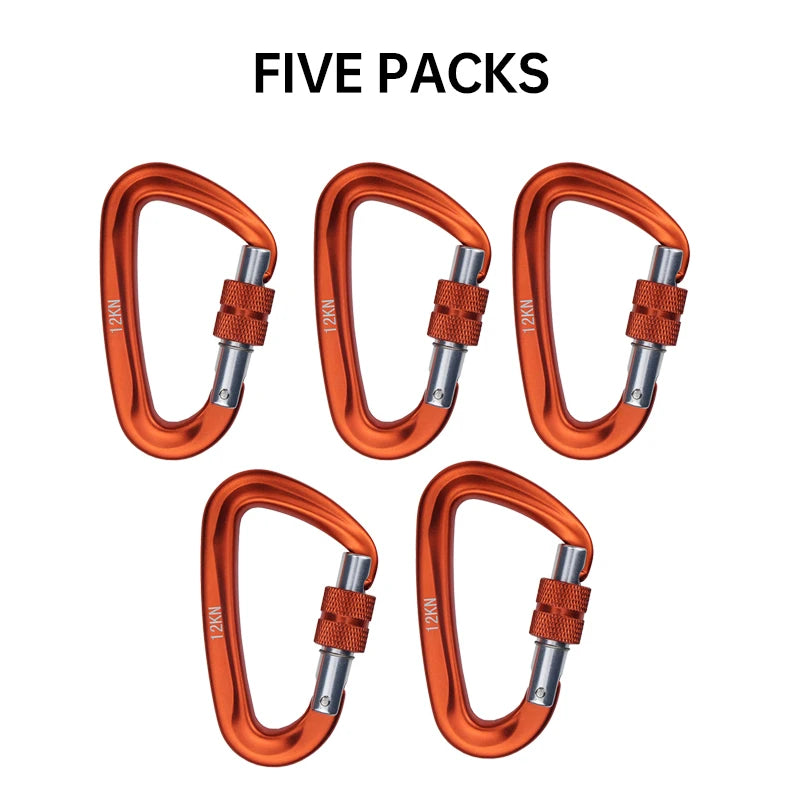
💡 See it in action
Why Modern Designs Matter
A rock climbing carabiner is a small piece of gear with a huge job: connect climber, rope, protection, and anchors. Older designs often worked well, but newer engineering focuses on reducing common failure points caused by user error, awkward clipping angles, or unstable gate movement.
What gear actually makes climbing easier? Often it is not bigger gear—it is better-designed gear.
- Cleaner nose shapes reduce snagging on bolts and slings
- Stiffer gates improve one-handed clipping
- Stronger spines maximize major-axis strength
- Lighter frames reduce rack fatigue on long pitches
- Locking systems add security for anchors and belays
Pair your climbing setup with organized carry systems from Backpacking & Carry for cleaner approaches and faster transitions.
Which Rock Climbing Carabiner Technologies Boost Safety Most?
A modern rock climbing carabiner stands out through key upgrades: keylock noses, anti-cross-load shapes, hot-forged construction, improved gate springs, and reliable locking sleeves. These features help reduce accidental carabiner gate opening hazards, maintain strength under real use, and improve clipping speed when you are tired or under pressure.
1. Keylock Nose Systems
Traditional hooked noses can snag on bolt hangers, ropes, or webbing. Keylock noses remove that hook, allowing smoother unclipping and fewer frustrating hangs during quickdraw cleaning.
2. Hot-Forged Body Construction
Hot forging lets engineers place material where strength matters and remove excess where it does not. Result: lighter carabiners with excellent strength-to-weight ratios.
3. Optimized Gate Spring Tension
Too soft feels insecure. Too stiff wastes energy. Balanced spring tension improves fast clipping and helps gates close decisively.
4. Screwgate and Auto-Lock Options
For anchors, belays, or personal tethers, locking models add another security layer. Auto-locking systems can be especially helpful in repetitive transitions.
5. Basket Geometry for Rope Protection
Wider rope-bearing surfaces can reduce rope wear and improve smoother movement through belay or rappel systems.
Old vs New Carabiner Design Comparison
| Feature | Older Designs | Modern Designs |
|---|---|---|
| Nose | Snag-prone hook | Clean keylock style |
| Weight | Heavier for same strength | Lighter hot-forged frames |
| Handling | Basic ergonomics | Thumb-friendly shapes |
| Security | Manual basics | Advanced locking choices |
| Efficiency | Slower clipping | Faster smoother action |
👉 Want gear that feels easier to trust and easier to use? Check practical hardware here: 12kN Aluminum Carabiner Outdoor Buckle
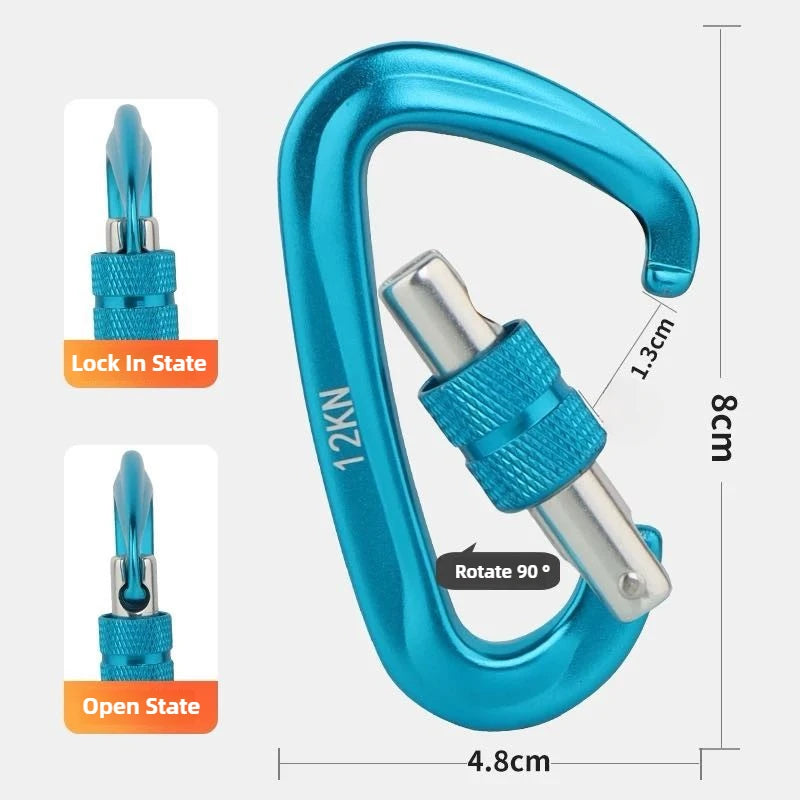
💡 See it in action
How Lightweight Models Solve Rack Fatigue
The difficulty securing gear with lightweight carabiners used to be a common complaint. Tiny wiregates could feel hard to grip with cold hands or while pumped. Newer models solve that with better gate openings, shaped baskets, and improved tactile surfaces.
- Less total rack weight on long trad leads
- More efficient movement on alpine terrain
- Reduced shoulder fatigue on approaches
- Better clipping confidence than early ultralight models
Many climbers report feeling fresher higher on route simply because they carried less metal all day.
For long days outside, combine lighter hardware with Collapsible Water Bottles and Lightweight Daypacks.
How to Choose the Right One for Your Climbing Style
- Sport climbing: prioritize smooth gates and easy clipping.
- Trad climbing: look for balanced weight, glove-friendly handling, and durability.
- Gym climbing: comfortable handling and long-lasting action matter most.
- Anchor building: choose locking models for added security.
- Alpine missions: seek lightweight strength and corrosion resistance.
Quick Checklist Before Buying
- Certified strength ratings
- Comfortable gate action
- Snag-free nose
- Use-case specific size
- Locking or non-locking based on task
Keep support gear ready with Gloves & Protective Gear and Safety, Survival & Emergency.
Real-World Results Climbers Notice
When gear works smoothly, mental energy stays on movement instead of hardware. That matters on redpoint burns, multi-pitch transitions, and exposed anchor stations.
- Faster clips when forearms are tired
- Less fumbling at belays
- Reduced accidental carabiner gate opening hazards
- More confidence managing ropes and anchors
- Better comfort carrying a full rack
One weekend trad climber described upgrading to modern carabiners as “small changes everywhere that added up to a calmer day.” That is often how smart gear works—incremental gains with big overall impact.
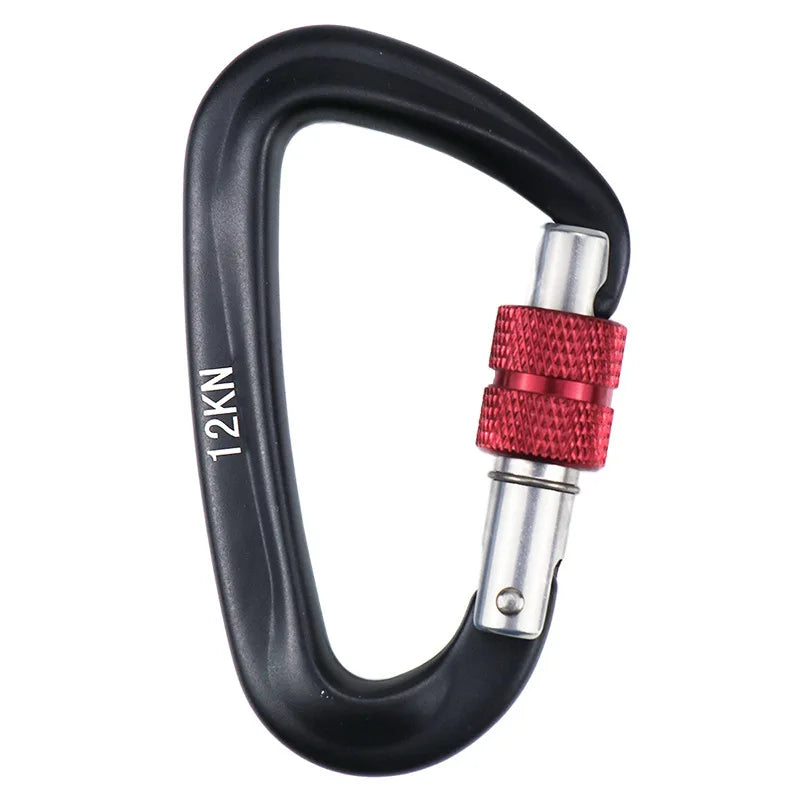
💡 See it in action
Why This Option Stands Out
A dependable aluminum carabiner with solid gate action, practical strength, and versatile outdoor use can be a smart upgrade for climbers, campers, and travelers. It offers easy everyday handling while supporting safer connections for gear management, organization, and adventure tasks.
👉 Upgrade before your next trip or climbing day: Get the 12kN Aluminum Carabiner Outdoor Buckle
Conclusion
Modern carabiner technology is not about gimmicks. It is about reducing friction, improving control, and adding confidence where small mistakes can become big problems. Whether you want lower rack weight, smoother clips, or more secure anchors, the right rock climbing carabiner can make every pitch feel more efficient and more secure.
FAQ
What is the safest type of rock climbing carabiner?
For anchors and belay systems, locking carabiners are generally preferred because they add an extra layer of gate security. For quickdraws, non-locking sport-specific designs are common.
Do lightweight carabiners sacrifice strength?
Quality modern models are engineered to meet strength standards while reducing excess material. Always verify ratings and intended use.
How often should I replace a climbing carabiner?
Replace it after major damage, deep grooves, gate malfunction, cracks, or if manufacturer guidance recommends retirement.
What causes accidental gate opening?
Rope movement, vibration, contact with rock, cross-loading, or awkward orientation can contribute. Better gate design and correct placement help reduce risk.
Pillar Article: Heavy Duty Climbing Carabiner Features You Need To Know
Other Related Articles:
Explore More:





