

How To Choose A 12Kn Carabiner For Maximum Safety
How to choose a 12kN carabiner for maximum safety?
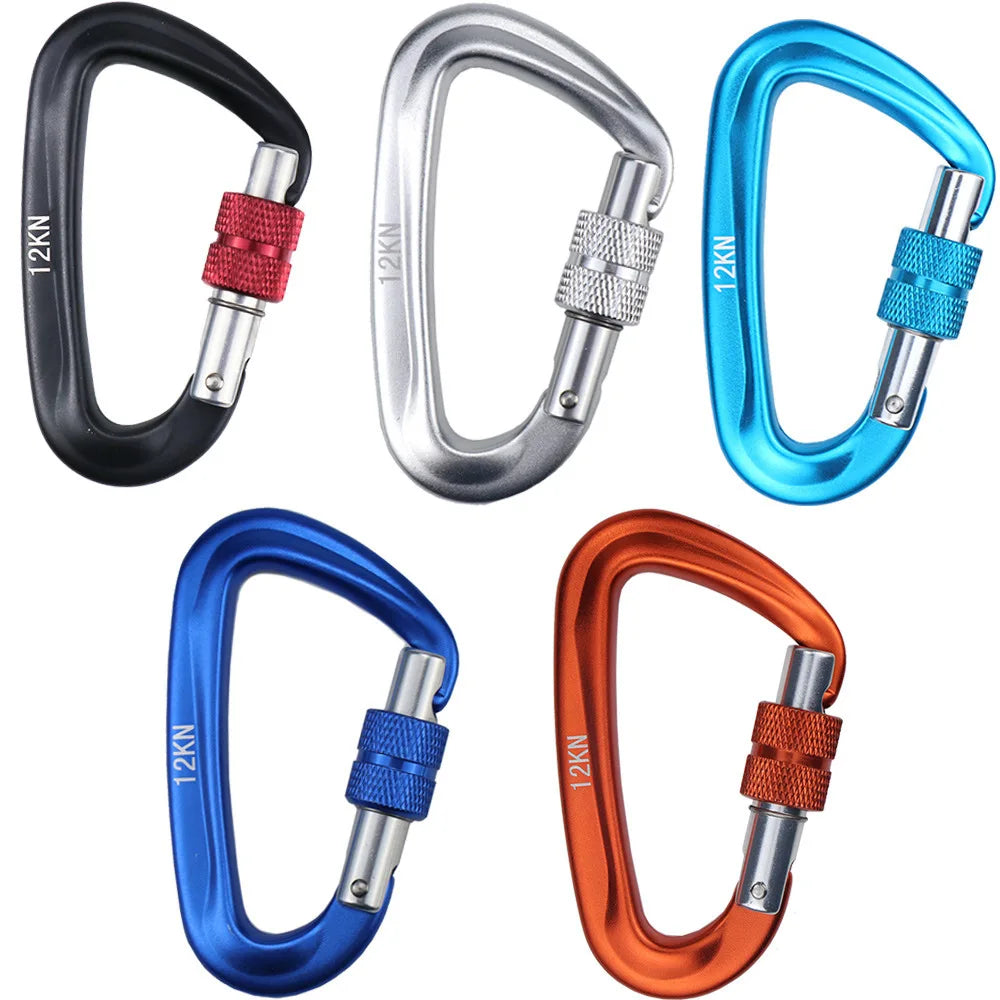
Choosing how to choose a 12kN carabiner starts with checking its strength rating, shape, and material. A D-shaped aluminum carabiner offers a strong, lightweight balance for everyday outdoor use, while proper gate design and load direction ensure reliable performance and reduce the risk of failure in real-world conditions.
How To Choose A 12Kn Carabiner For Maximum Safety
How to choose a 12kN carabiner isn’t just about strength ratings—it’s about smart safety. Discover why a strong lightweight D-shaped outdoor carabiner can outperform bulkier options, how kN aluminum carabiner vs steel carabiner choices impact durability, and what most buyers overlook when they buy 12kN aluminum climbing carabiner online. The right pick can prevent failure in critical moments—but are you missing a hidden factor that could change everything?
⏱ 7 min read
Ever clipped your gear and wondered… is this actually safe? Whether you're hiking, camping, or organizing gear at a campsite, one small piece of equipment can make or break your experience.
A poorly chosen carabiner leads to dropped gear, tangled setups, or worse—unexpected failure under load. The good news? Choosing the right one is simpler than most people think.
💡 See it in action
👉 Discover must-have camping gear
Why Choosing the Right Carabiner Matters for Outdoor Safety
A carabiner is more than just a clip—it’s a load-bearing connector that holds your gear together. Choosing the wrong one can lead to:
- Gear slipping or detaching mid-hike
- Uneven weight distribution on backpacks
- Unexpected breakage under pressure
- Frustration when setting up camp quickly
When you understand how to choose a 12kN carabiner, you eliminate these risks and gain confidence in every outdoor setup.
How to Choose a 12kN Carabiner (Step-by-Step Guide)
How to choose a 12kN carabiner depends on evaluating strength rating, shape, material, and intended use. A 12kN rating equals about 2,697 lbs of force, making it suitable for gear organization, camping setups, and light-duty outdoor tasks when used correctly and aligned along its strongest axis.
-
Check the kN Rating
A 12kN carabiner is ideal for general outdoor use, gear attachment, and campsite organization. -
Choose the Right Shape
D-shaped carabiners distribute force more efficiently and reduce stress points. -
Pick the Right Material
Aluminum is lightweight and rust-resistant, while steel offers higher durability but adds weight. -
Evaluate Gate Type
Look for smooth spring-loaded gates for quick clipping during movement. -
Match It to Your Use
Backpacking? Go lightweight. Car camping? You can afford heavier options.
👉 Learn how to choose the right hiking gear
Aluminum vs Steel: Which Carabiner Material Works Best?
One of the biggest decisions when learning how to choose a 12kN carabiner is material selection.
-
Aluminum Carabiner
- Lightweight and easy to carry
- Corrosion-resistant
- Perfect for hiking and travel
-
Steel Carabiner
- Heavier but more durable
- Better for industrial or static loads
- Less ideal for long-distance carry
For most outdoor users, a strong lightweight D-shaped outdoor carabiner made of aluminum offers the best balance.
Why D-Shaped Carabiners Make Your Setup Safer
D-shaped designs naturally guide weight toward the strongest part of the carabiner—the spine.
- Reduces stress on the gate
- Improves load distribution
- Enhances overall strength efficiency
- Prevents accidental bending or twisting
This makes them especially useful when attaching gear to Backpacking & Carry setups or securing items during movement.
Quick Comparison — Choosing the Right Carabiner
| Feature | Aluminum 12kN | Steel Carabiner |
|---|---|---|
| Weight | Lightweight | Heavy |
| Strength | Moderate (12kN) | High |
| Best Use | Hiking, camping, travel | Heavy-duty applications |
| Corrosion Resistance | High | Moderate |
💡 See it in action
Avoid These Common Carabiner Mistakes
Even experienced outdoor enthusiasts make these errors:
- Using carabiners sideways (weakest orientation)
- Overloading beyond rated capacity
- Choosing bulky designs for lightweight trips
- Ignoring gate quality and smoothness
Small mistakes can lead to big problems—especially when you're relying on gear during unpredictable conditions.
Real Outdoor Scenarios Where the Right Carabiner Matters
Scenario 1: Backpack Organization
Attaching water bottles, shoes, or gear externally becomes effortless with a lightweight carabiner.
Scenario 2: Campsite Setup
Quickly clip lanterns from Camping Lights & Lanterns or secure tarps from Ground Sheets & Tarps.
Scenario 3: Travel & Car Camping
Organize trunk gear efficiently using setups from Car Camping Accessories.
Scenario 4: Emergency Readiness
Keep essential tools accessible from Safety, Survival & Emergency gear collections.
Outdoor users often say switching to a reliable 12kN aluminum carabiner made their setups faster and more organized—especially during multi-day trips.
Why This 12kN Aluminum Carabiner Stands Out
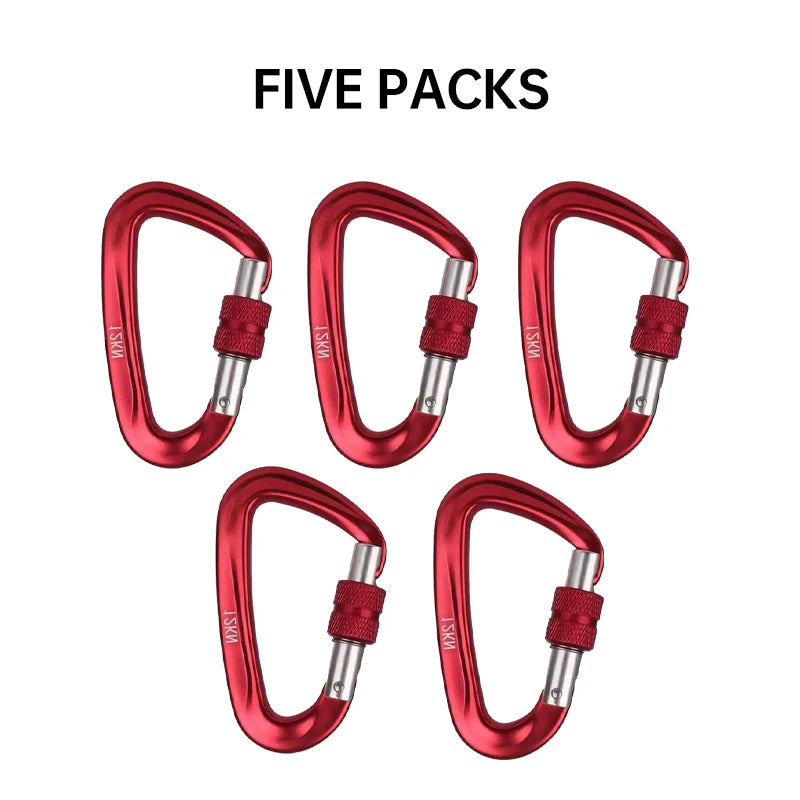
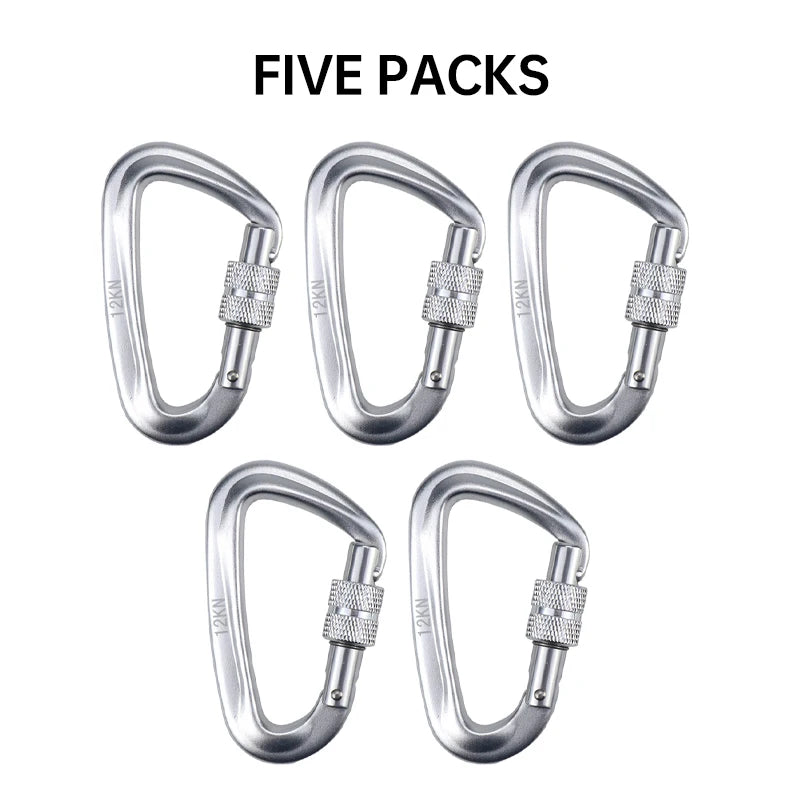
A well-designed 12kN aluminum carabiner stands out because it balances strength, weight, and usability. Its D-shape improves load distribution, while the lightweight aluminum build reduces fatigue during long hikes. Combined with a smooth gate mechanism, it delivers consistent performance across multiple outdoor scenarios.
- Lightweight for easy carry
- Strong enough for daily outdoor tasks
- Compact for efficient packing
- Versatile across multiple use cases
👉 Get yours now before your next trip!
💡 See it in action
FAQs
1. What is a 12kN carabiner used for?
Answer: A 12kN carabiner is commonly used for outdoor gear organization, camping setups, and light-duty tasks. It’s not designed for heavy climbing loads but works well for attaching equipment securely during hiking and travel.
2. Is aluminum better than steel for carabiners?
Answer: Aluminum is better for most outdoor users because it’s lightweight and corrosion-resistant. Steel is stronger but heavier, making it more suitable for industrial or static applications rather than hiking or camping.
3. Why choose a D-shaped carabiner?
Answer: D-shaped carabiners direct weight toward the spine, which is the strongest part. This improves safety, reduces stress on the gate, and makes them more efficient for carrying and securing gear.
Pillar Article: How To Use A Carabiner Safely For Climbing And Rappelling
Other Related Articles:
- Guide To Using Screw Gate Carabiners For Climbing
- Using A Carabiner To Rappel: Common Mistakes To Avoid
- Step-By-Step Guide To Rappelling With Carabiners
Explore More:





