

Guide To Using Screw Gate Carabiners For Climbing
Is using a carabiner to rappel safe?
Using a carabiner to rappel can be safe when done correctly, but mistakes in setup increase the risk of carabiner failure while climbing. Choosing the right gear, avoiding accidental carabiner gate opening hazards, and following proper technique are essential to ensure a controlled, secure descent every time.
Using A Carabiner To Rappel: Common Mistakes To Avoid
Using a carabiner to rappel can seem simple, but small mistakes can turn dangerous fast. From accidental carabiner gate opening hazards to the real risk of carabiner failure while climbing, many issues come down to overlooked setup details. This guide reveals practical tips for safe outdoor climbing gear setup, helping you spot hidden risks, improve efficiency, and build confidence on every descent—are you making one of these critical errors?
⏱ 6 min read
Ever stood at the edge of a descent wondering if your setup is truly secure? You’re not alone. Many outdoor enthusiasts overlook small details that can make a huge difference when using a carabiner to rappel.
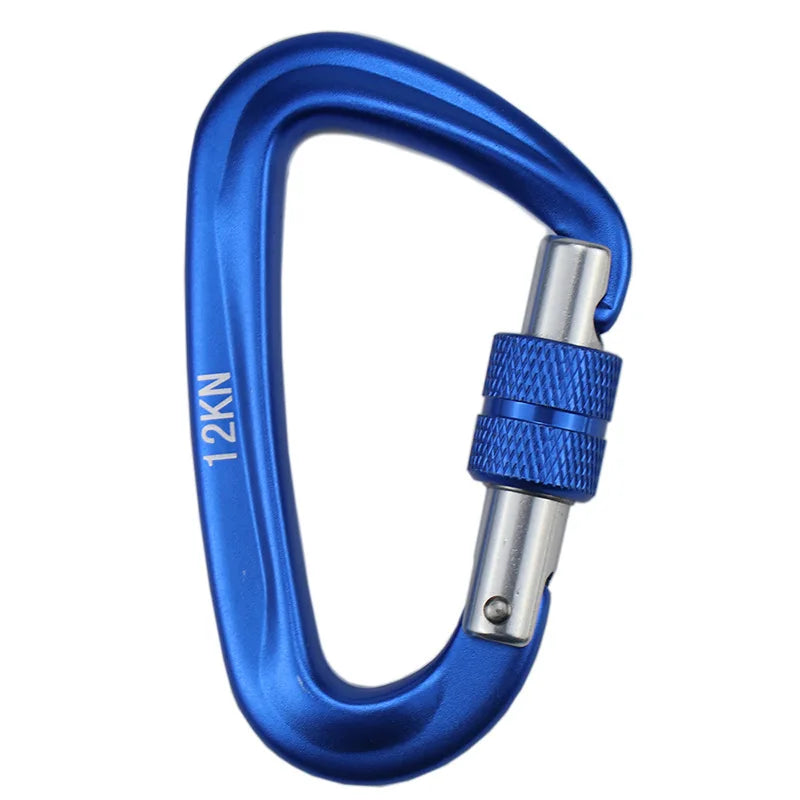
💡 See it in action
How Using a Carabiner to Rappel Works Safely
Using a carabiner to rappel involves controlling friction and load distribution through your gear. When properly set up, the carabiner acts as a critical connection point between your rope and harness.
The key to safety lies in:
- Correct orientation of the carabiner
- Maintaining a locked gate under load
- Reducing cross-loading pressure
- Using certified gear designed for climbing
When these basics are ignored, the risk of carabiner failure while climbing increases dramatically.
Common Mistakes That Lead to Carabiner Failure
1. Incorrect Gate Positioning
One of the most dangerous accidental carabiner gate opening hazards happens when the gate faces outward or rubs against rock. This can cause it to unlock mid-descent.
2. Cross-Loading the Carabiner
Carabiners are strongest along their spine. Loading them sideways reduces strength significantly and increases failure risk.
3. Using Non-Locking Carabiners
Standard carabiners can open unexpectedly. For rappelling, always prioritize locking mechanisms to prevent sudden release.
4. Overlooking Wear and Tear
Micro-fractures or worn edges weaken your gear over time. Regular inspection is non-negotiable.
5. Poor Rope Alignment
If your rope runs unevenly, it creates unnecessary friction and instability during descent.
Step-by-Step: Safe Outdoor Climbing Gear Setup
- Select the right carabiner: Use a locking carabiner rated for climbing loads.
- Attach correctly to harness: Ensure the spine bears the load, not the gate.
- Check gate lock: Double-check that the gate is fully secured before descent.
- Position rope properly: Keep it centered to avoid uneven friction.
- Test system before full load: Apply gradual weight to confirm stability.
Following these tips for safe outdoor climbing gear setup significantly reduces avoidable risks.
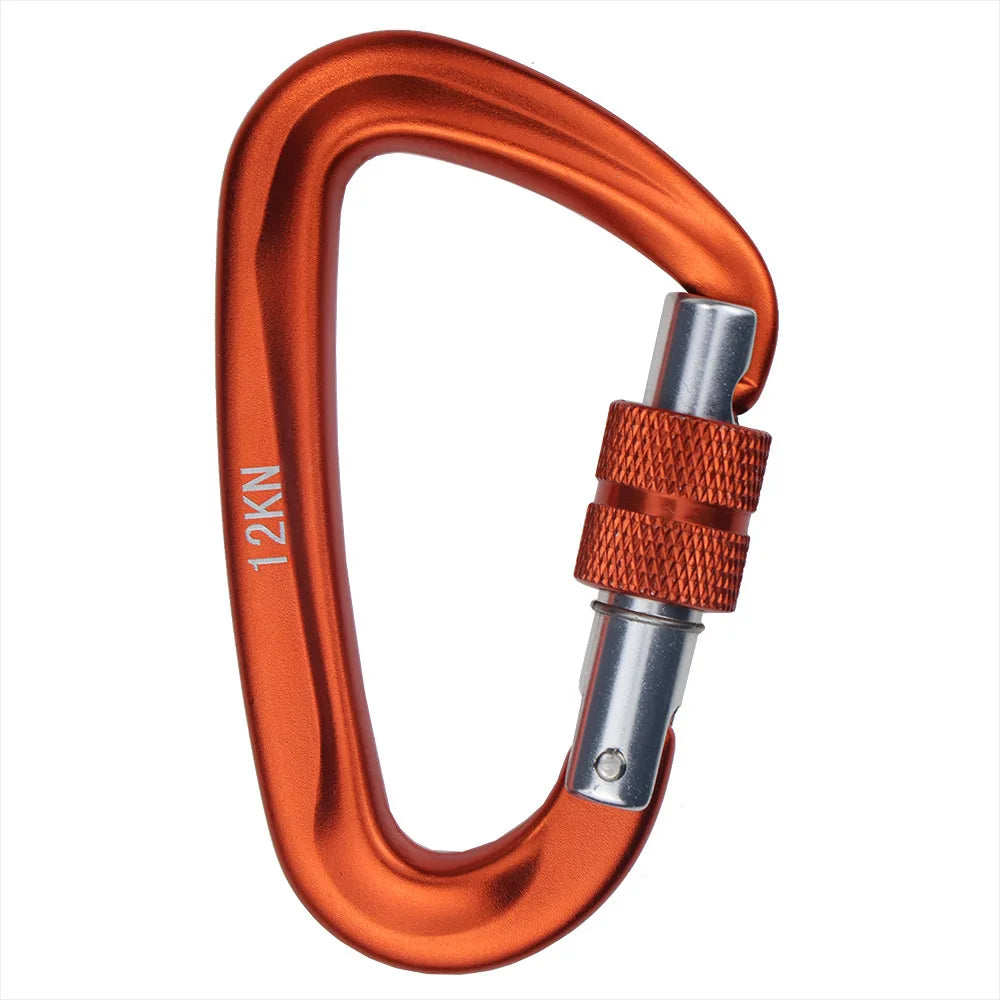
💡 See it in action
Essential Gear Checklist for Safer Descents
- Locking carabiner (high-strength aluminum recommended)
- Climbing rope with proper rating
- Harness with secure attachment points
- Backup safety system
- Gloves from Gloves & Protective Gear for better grip and protection
Many experienced climbers also keep backup gear organized using Gear Organizers & Pouches for quick access during critical moments.
Quick Comparison: Safe vs Risky Setup
| Setup Element | Safe Practice | Risky Mistake |
|---|---|---|
| Carabiner Type | Locking | Non-locking |
| Load Direction | Along spine | Cross-loaded |
| Gate Position | Facing away from rock | Rubbing against surface |
| Inspection | Checked before use | Ignored wear signs |
Pro Tips to Prevent Gate Opening Hazards
- Always visually confirm the gate is locked before descent<
Pillar Article: How To Use A Carabiner Safely For Climbing And Rappelling
Other Related Articles:
- How To Choose A 12Kn Carabiner For Maximum Safety
- Using A Carabiner To Rappel: Common Mistakes To Avoid
- Step-By-Step Guide To Rappelling With Carabiners
Explore More:





