

Step-By-Step Guide To Rappelling With Carabiners
Can you safely do rappelling with carabiners?
Rappelling with carabiners can be safe when done correctly using proper setups, locking mechanisms, and friction systems. This method allows controlled descent while minimizing gear weight, but it requires strict attention to accidental carabiner gate opening hazards and correct positioning to prevent dangerous failures during outdoor use.
Step-By-Step Guide To Rappelling With Carabiners
⏱ 7 min read — Rappelling with carabiners can feel intimidating, especially when you’re standing at the edge of a steep drop with only your gear and judgment to rely on. Whether you're hiking rugged cliffs or setting up a quick descent during a camping trip, knowing how to safely use a carabiner system can make all the difference between confidence and risk.
What gear actually makes rappelling easier and safer outdoors? This guide walks you through practical techniques, safety checks, and real-world setups so you can descend with control and peace of mind—without overcomplicating your gear.
Explore reliable tools from Hooks, Clips & Carabiners designed to simplify your outdoor setups.
💡 See it in action
Why Rappelling With Carabiners Makes Outdoor Descents Easier
Rappelling with carabiners gives you a lightweight, versatile alternative to bulky descent devices. For hikers and climbers who value efficiency, this method reduces pack weight while still delivering reliable friction control.
- Compact and easy to carry in Lightweight Daypacks
- Multi-purpose use for clipping, anchoring, and hauling
- Quick setup in unexpected terrain
- Ideal backup when traditional gear is unavailable
Many outdoor enthusiasts share how switching to a carabiner-based setup helped them move faster on multi-pitch routes without sacrificing safety.
Step-By-Step Guide To Using a Carabiner to Rappel
Rappelling with carabiners involves creating friction through multiple carabiners arranged in a secure system. Follow these steps carefully to ensure a controlled descent.
- Anchor Setup: Secure your rope to a strong anchor point like a tree or rock anchor.
- Attach Carabiners: Use at least 3–4 carabiners to build a friction system (e.g., carabiner brake setup).
- Thread the Rope: Loop the rope through alternating carabiners to create resistance.
- Lock and Check: Ensure all gates are locked and aligned correctly.
- Test Weight: Slowly load the system before committing fully.
- Control Descent: Use your brake hand to manage speed.
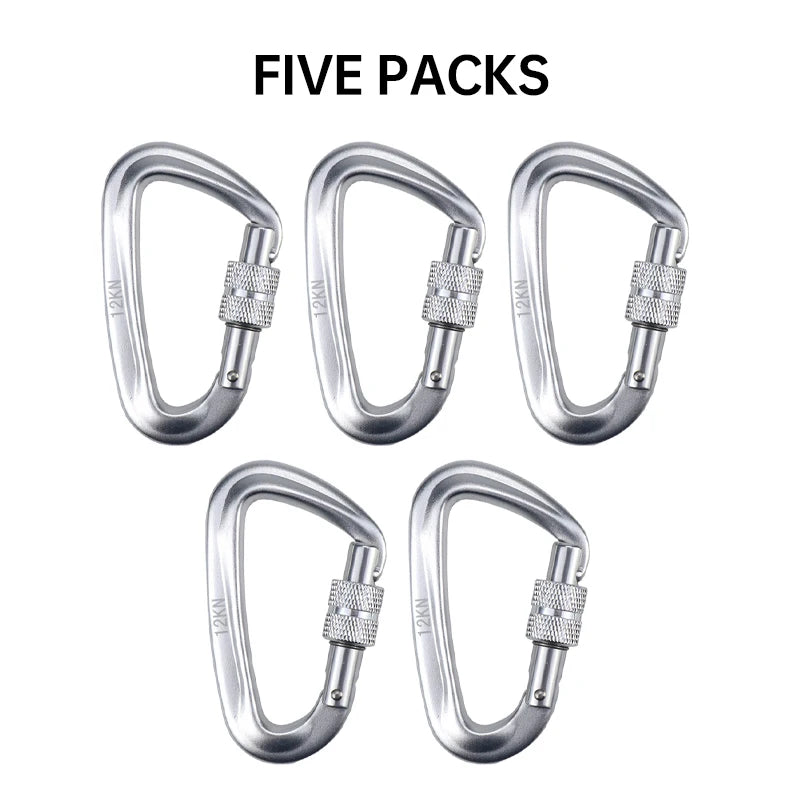
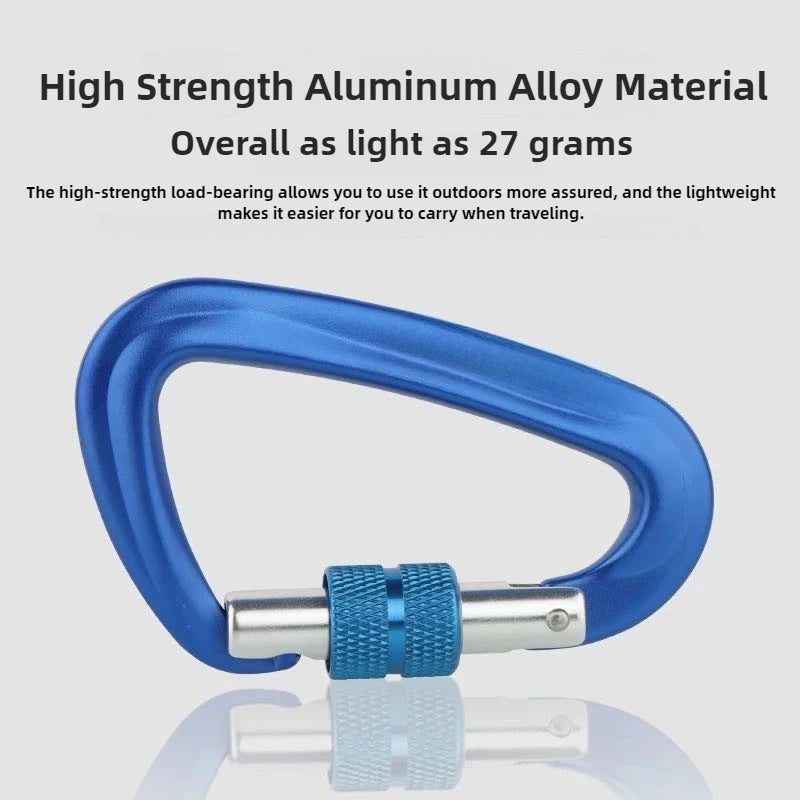
Upgrade your setup with a durable 12KN Aluminum Carabiner Outdoor Buckle for reliable performance on every descent.
How to Avoid Accidental Carabiner Gate Opening Hazards
One of the most overlooked dangers in rappelling with carabiners is accidental gate opening. This can happen due to rope movement, friction shifts, or improper orientation.
- Always use locking carabiners for critical connections
- Avoid cross-loading (sideways force on the gate)
- Keep gates facing away from rope movement
- Double-check before descent
Heavy-duty carabiner safety concerns outdoors often arise when users rely on non-rated gear or ignore load limits. Stick with certified options and inspect for wear before each use.
💡 See it in action
Choosing the Right Gear for Safer Rappelling
Your setup is only as strong as your weakest component. Selecting the right gear ensures both safety and ease of use.
| Gear Type | Why It Matters |
|---|---|
| Locking Carabiners | Prevents accidental gate opening |
| Climbing Rope | Handles friction and load safely |
| Gloves | Protects hands from rope burns |
| Helmet | Guards against falling debris |
Pair your gear with essentials from Gloves & Protective Gear to stay protected during long descents.
Carabiner vs Traditional Devices Comparison
Wondering if using a carabiner to rappel is better than traditional devices? Here's a quick comparison:
| Feature | Carabiner Setup | Traditional Device |
|---|---|---|
| Weight | Lightweight | Heavier |
| Versatility | Multi-use | Single-purpose |
| Ease of Use | Moderate learning curve | Beginner-friendly |
| Backup Use | Excellent | Limited |
Many experienced adventurers prefer carrying both for flexibility, especially during unpredictable outdoor conditions.
Pro Tips for Smoother Rope Descents Outdoors
- Practice on low heights before real climbs
- Keep your system symmetrical to avoid uneven friction
- Use dry bags from Waterproof & Dry Bags to protect your rope
- Stay hydrated with gear from Hydration & Food during long climbs
Outdoor enthusiasts often note that preparation—not strength—is what truly determines a safe descent.
💡 See it in action
Build Confidence With the Right Setup
Mastering rappelling with carabiners is about consistency and awareness. When you understand how friction systems work and how to avoid common hazards, every descent becomes smoother and safer.
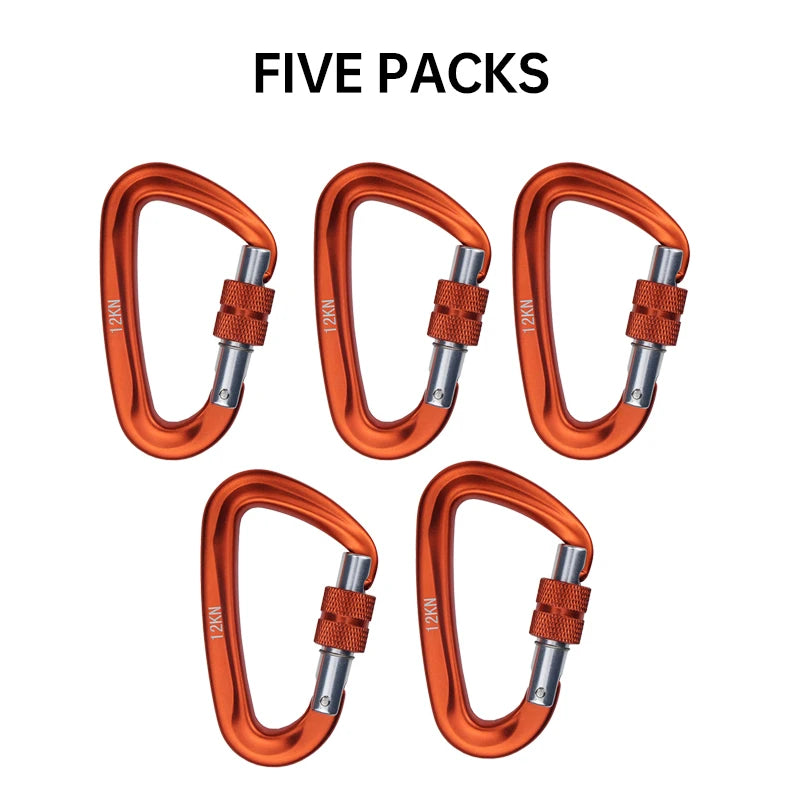
Upgrade your gear with the reliable 12KN Aluminum Carabiner Outdoor Buckle and explore more from Safety, Survival & Emergency for complete outdoor readiness.
Frequently Asked Questions
Is rappelling with carabiners safe for beginners?
It can be safe if beginners learn proper setup techniques, use locking carabiners, and practice under supervision. Starting on small descents builds confidence and reduces risk.
How many carabiners do you need to rappel?
Most setups require at least 3–4 carabiners to create enough friction for a controlled descent, though this varies depending on rope type and weight.
What is the biggest risk when using a carabiner to rappel?
The biggest risk is accidental gate opening or improper loading, which can weaken the system. Always double-check orientation and use locking designs.
Can heavy-duty carabiners fail outdoors?
Yes, especially if misused or overloaded. Regular inspection and using certified gear significantly reduce heavy-duty carabiner safety concerns outdoors.
Pillar Article: How To Use A Carabiner Safely For Climbing And Rappelling
Other Related Articles:
- How To Choose A 12Kn Carabiner For Maximum Safety
- Guide To Using Screw Gate Carabiners For Climbing
- Using A Carabiner To Rappel: Common Mistakes To Avoid
Explore More:





