

Tent Camping Cold Weather Tips For Warmer Nights Outdoors
Does backpack in rain protection really work?
Backpack in rain protection works best when hikers combine waterproof layers, dry-bag packing, and quick-access rain gear. Even lightweight solutions can prevent soaked clothes, damaged electronics, and food contamination during storms, river crossings, or humid hikes while keeping your load comfortable all day.
Backpack In Rain Hacks To Keep Your Gear Dry All Day
⏱ 8 min read
A sudden downpour can turn an amazing trail day into a frustrating mess. Wet socks, soaked electronics, and cold sleeping gear often happen because hikers underestimate how quickly moisture enters a backpack in rain conditions. The good news? You do not need bulky equipment to stay protected. Smart layering, lightweight waterproof systems, and better packing habits can keep your gear dry through storms, muddy trails, and long hikes.
Ever opened your backpack after a hike and found your extra clothes damp even though it barely rained? Moisture often sneaks in through zippers, seams, and trapped humidity instead of obvious leaks.
👉 Discover must-have camping gear that helps hikers stay dry during unpredictable weather. Explore Weather Protection & Environment and Waterproof & Dry Bags before your next trail adventure.
💡 See it in action
Why Backpacks Get Soaked So Fast
A backpack in rain conditions fails quickly when water pressure builds on fabric surfaces for hours. Most standard backpacks resist light splashes but are not fully waterproof. Heavy rain forces moisture through stitching, zipper tracks, and back-panel ventilation areas, especially during long hikes or humid conditions.
Many hikers assume a water-resistant backpack alone is enough. Unfortunately, prolonged rain exposure creates multiple problems:
- Water seeps through shoulder strap seams
- Moisture enters through partially open zippers
- Sweat buildup inside the pack creates condensation
- Wet gear transfers moisture to dry clothing
- River crossings soak lower compartments instantly
| Rain Problem | What Happens | Simple Fix |
|---|---|---|
| Heavy downpour | Exterior fabric saturates | Use rain cover plus dry bags |
| Humid hiking | Condensation forms inside | Separate wet and dry layers |
| River crossing | Bottom compartment floods | Elevate electronics in inner bags |
| Leaky zippers | Clothes slowly get damp | Pack liners and waterproof pouches |
Outdoor hikers often combine multiple lightweight layers instead of relying on one expensive waterproof pack. This approach improves outdoor gear water damage prevention without adding too much weight.
How To Protect A Backpack In Rain Fast
A backpack in rain setup works best when protection starts before the storm arrives. Fast waterproof layering prevents saturation and reduces the risk of trapped moisture damaging electronics, clothes, and food supplies during long hikes.
-
Line the inside of your backpack
Use a lightweight trash compactor bag or waterproof liner inside the main compartment. -
Separate gear by moisture sensitivity
Store sleeping clothes, electronics, and food in individual dry sacks. -
Use an external rain cover
Rain covers reduce direct water pressure against fabric surfaces. -
Keep critical gear elevated
Avoid placing electronics at the bottom of the backpack during river crossings. -
Protect yourself too
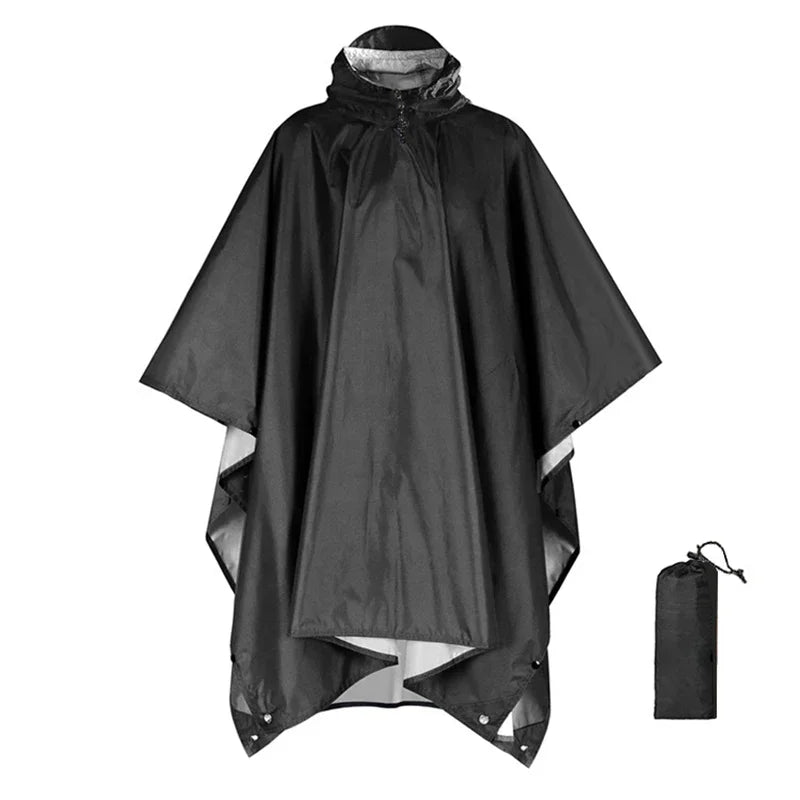
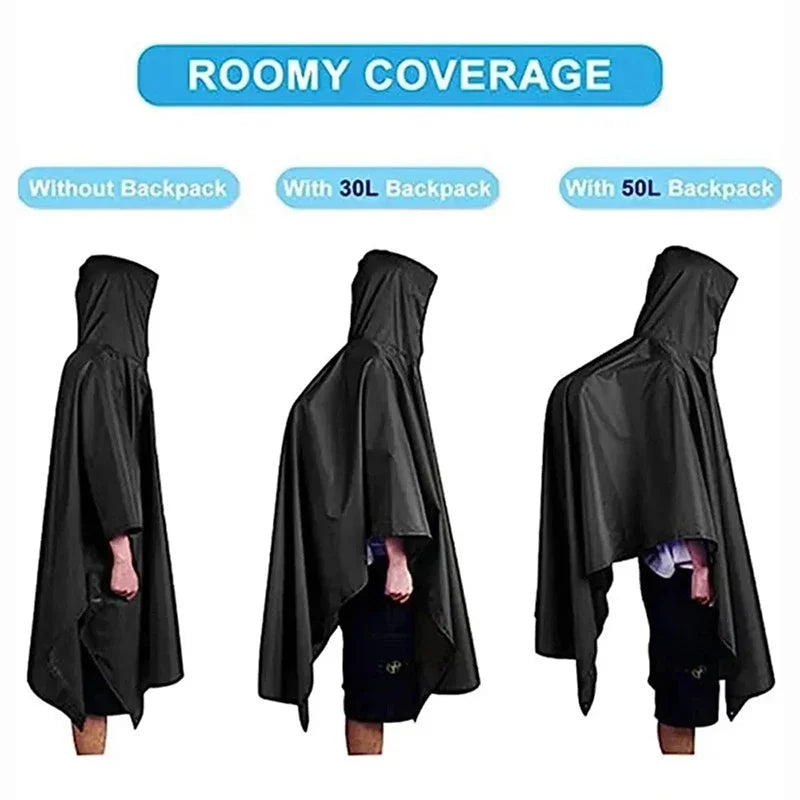
A waterproof poncho shields both your body and backpack at the same time.
One hiker shared that after switching to layered waterproof storage, their spare clothes stayed completely dry during a six-hour Appalachian rainstorm. The biggest improvement came from separating wet gear immediately after use.
For easier organization, many hikers combine Compression & Packing Bags with Gear Organizers & Pouches to stop moisture from spreading across compartments.
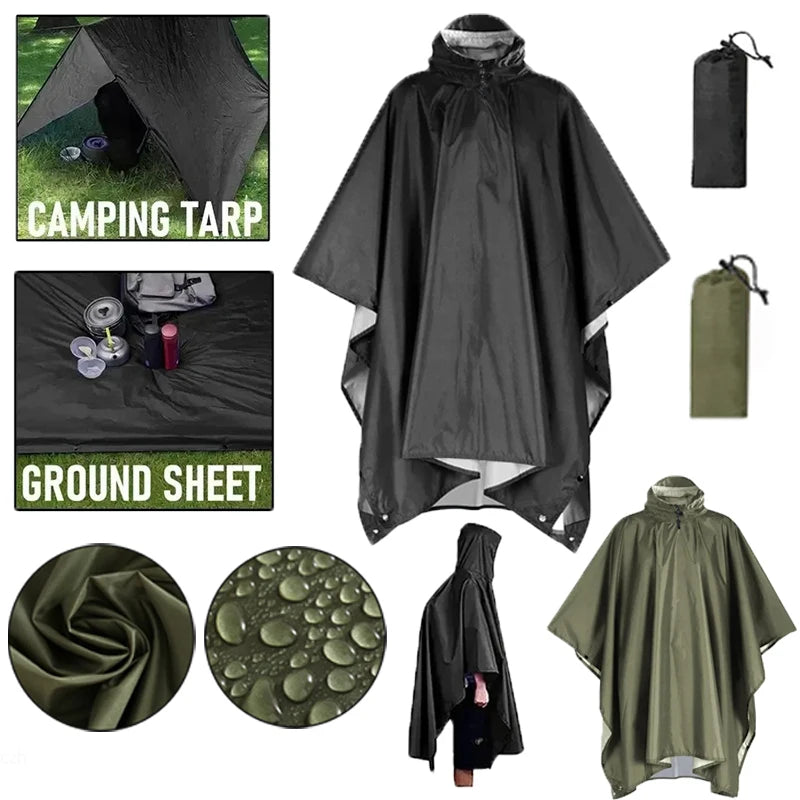
👉 Learn how to choose the right hiking gear for rainy trails with lightweight protection systems like 3-in-1 waterproof rain poncho, Rain Ponchos & Capes, and Ground Sheets & Tarps.
How Smart Packing Prevents Water Damage
Backpack getting wet in rain hike situations become easier to manage when gear is packed in layers. Smart packing keeps critical equipment dry even if the outer backpack becomes soaked.
Use The “Dry Core” Packing Method
The center of your backpack should contain the most important dry items:
- Sleeping clothes
- Insulated layers
- Electronics
- Emergency supplies
- Food reserves
Surround the dry core with less sensitive items like cookware, rain jackets, or shelter materials.
Separate Wet Gear Immediately
One common mistake is storing wet jackets next to dry clothes after a storm passes. Moisture spreads fast inside compressed packs.
Store soaked gear externally using Hooks, Clips & Carabiners to improve airflow while hiking.
Protect High-Risk Electronics
Phones and batteries fail quickly in damp conditions. Experienced hikers use:
- Zip-sealed waterproof pouches
- Secondary dry bags
- Silica gel moisture packs
- Elevated storage placement
💡 See it in action
Common Backpack Getting Wet In Rain Hike Mistakes
Backpack getting wet in rain hike problems usually happen because hikers rely on a single waterproof feature instead of layered protection. Small mistakes often lead to soaked sleeping gear, ruined food, and damaged electronics before the trail day ends.
| Mistake | Why It Causes Problems |
|---|---|
| Trusting water-resistant fabric alone | Long exposure eventually penetrates seams |
| Leaving zippers partially open | Rain funnels directly into compartments |
| Packing electronics loosely | Condensation damages sensitive devices |
| Ignoring sweat buildup | Internal moisture mimics rain leakage |
| Overpacking the backpack | Compressed seams leak faster |
Why Cotton Clothing Makes Rain Worse
Cotton absorbs moisture and stays wet for hours. Wet clothing inside your pack raises humidity levels and increases condensation.
Instead, many hikers carry synthetic base layers and compact backup clothing inside Waterproof & Dry Bags.
Skipping Lightweight Shelter Protection
Rest stops often expose gear directly to rain. A quick shelter setup using items from Camping Tents & Shelter or Sun Shades & Canopies can protect your backpack during breaks.
How To Stay Dry Hiking Rain Trails Comfortably
How to stay dry hiking rain trails depends on balancing ventilation with waterproof protection. Overheating creates sweat buildup, while poor rain coverage leaves clothes soaked and cold during changing weather conditions.
Comfort matters because wet hikers lose energy faster and often make poor trail decisions.
Wear Breathable Rain Layers
Instead of heavy plastic rain gear, experienced hikers prefer lightweight ponchos that allow airflow while covering both body and backpack.
The 3-in-1 waterproof rain poncho helps reduce trapped heat while keeping gear protected during sudden storms.
Keep Your Feet Dry Longer
- Carry extra socks in sealed bags
- Use gaiters on muddy trails
- Air shoes during breaks
- Avoid stepping directly into deep puddles
Use Fast-Access Storage
Constantly opening your main backpack compartment exposes everything to rain. Keep essentials accessible using Lightweight Daypacks or external organizer pouches.
Hikers on multi-day trips often report that staying organized matters more than carrying extra waterproof gear.
Best Lightweight Gear Combination For Wet Weather
A reliable backpack in rain setup combines layered waterproofing, compact organization, and quick shelter access. Lightweight systems outperform bulky gear because hikers stay mobile, organized, and comfortable through changing weather conditions.
Here is a practical wet-weather setup many hikers use:
| Gear Type | Purpose | Recommended Collection |
|---|---|---|
| Rain poncho | Body and backpack protection | Rain Ponchos & Capes |
| Dry bags | Electronics and clothing storage | Waterproof & Dry Bags |
| Packing cubes | Moisture separation | Compression & Packing Bags |
| Portable lighting | Visibility during storms | Headlamps & Wearable Lights |
| Emergency shelter | Storm protection during breaks | Ground Sheets & Tarps |
One long-distance hiker explained that switching from a heavy waterproof backpack to layered dry storage cut overall pack weight while improving comfort during summer rainstorms.
👉 Get yours now before your next trip! Rain can appear without warning. Protect clothing, electronics, and emergency gear with the 3-in-1 waterproof rain poncho and lightweight solutions from Backpacking & Carry.
How Hikers Protect Electronics And Food
Outdoor gear water damage prevention becomes critical when carrying phones, batteries, cameras, or trail food. Even a small amount of moisture can destroy charging ports or contaminate supplies.
Store Batteries Carefully
Humidity drains battery performance quickly. Keep power banks sealed inside waterproof pouches and insulated from cold rain exposure.
Many hikers combine Portable Power Banks with compact waterproof organizers during longer treks.
Prevent Food Contamination
Wet food packaging weakens quickly and increases odor problems.
- Use resealable storage bags
- Keep food elevated inside the pack
- Separate cooking gear from clothing
- Dry containers before repacking
Helpful storage options include Food Storage Bags & Containers and Insulated Food Containers.
💡 See it in action
Backpack In Rain Emergency Checklist
When weather changes suddenly, this quick checklist helps protect gear fast:
- Cover backpack immediately
- Seal electronics inside waterproof bags
- Move spare clothes toward backpack center
- Separate wet gear from dry layers
- Use poncho coverage before heavy rainfall begins
- Check zipper closures every rest stop
- Air out damp gear once conditions improve
Experienced hikers know that preparation matters more than expensive equipment. A few lightweight habits can completely change how comfortable a rainy hike feels.
FAQ
How do I keep my backpack dry in heavy rain?
Use layered protection. Combine a rain cover with waterproof liners or dry bags inside your backpack. Store electronics and spare clothes separately so moisture cannot spread through the entire pack.
Can a rain poncho protect both me and my backpack?
Yes. A properly sized rain poncho can cover your body and backpack together, reducing water exposure while improving ventilation compared to heavy rain jackets.
What causes backpack condensation during hikes?
Sweat buildup, humid air, and wet clothing trapped inside the backpack often create condensation. Separating damp gear from dry items helps reduce moisture problems.
Are waterproof backpacks enough for long hikes?
Most hikers still use internal dry bags because prolonged rain exposure can eventually force water through seams, zippers, and fabric pressure points.
What is the best way to protect electronics while hiking in rain?
Place electronics inside waterproof pouches or dry sacks and keep them elevated near the center of your backpack away from wet clothing and bottom compartments.
Pillar Article: How To Camp In The Rain Without Getting Soaked
Other Related Articles:
- Emergency Rain Poncho Tricks Every Hiker Should Know
- Backpack In Rain Hacks To Keep Your Gear Dry All Day
- How To Use A Tarp As A Canopy For Fast Rain Shelter
Explore More:





