

Ultralight Rain Jacket Benefits For Faster And Drier Hikes
Ultralight Rain Jacket Benefits For Faster And Drier Hikes
⏱ 9 min read
Does an ultralight rain jacket really help during long hikes?
An ultralight rain jacket helps hikers stay drier, move faster, and reduce trail fatigue during sudden weather changes. Lightweight waterproof shells pack smaller, dry quicker, and improve mobility on steep terrain. They also reduce unpredictable weather hiking discomfort rain by keeping layers breathable without adding unnecessary backpack weight.
Ultralight rain jacket performance can completely change how you handle rough trails and fast-moving storms. From hiking rain protection tips lightweight gear to learning how to pack ultralight rain gear without wasting space, smart layering helps reduce unpredictable weather hiking discomfort rain before it slows you down. Lightweight waterproof shells also dry faster, improve mobility, and keep your backpack lighter over long distances. But which hidden feature actually makes the biggest difference when the weather suddenly turns?
Nothing ruins trail momentum faster than wet clothing, overheating, or carrying heavy gear uphill. What gear actually makes hiking easier when storms move in unexpectedly?
An ultralight rain jacket solves multiple problems at once. It protects against wind and rain without trapping heat, and it packs small enough to stay ready inside any daypack.
👉 Discover reliable wet-weather protection before your next hike:
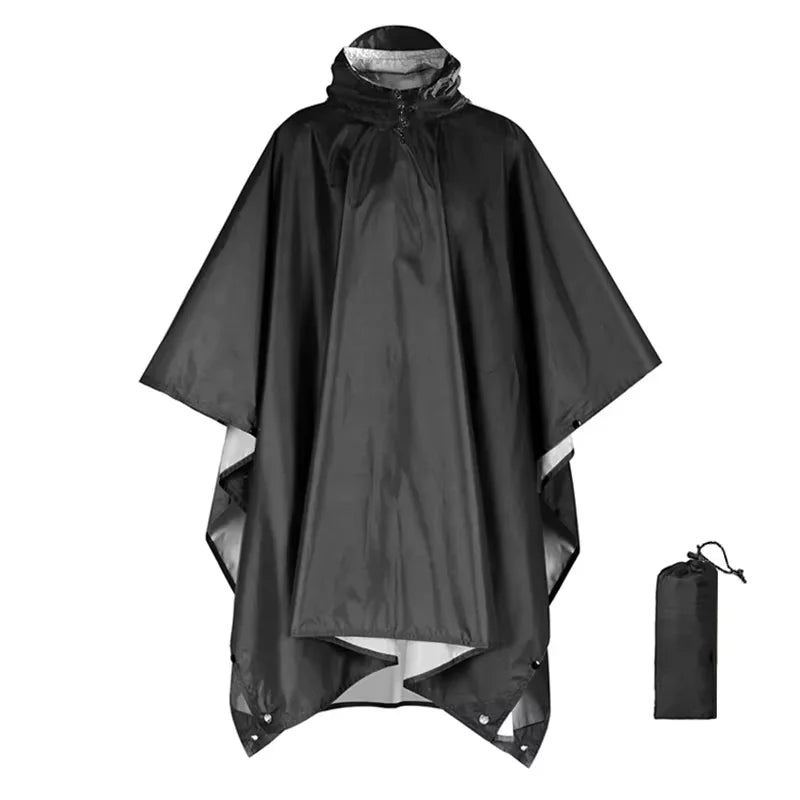
💡 See it in action
Why an Ultralight Rain Jacket Makes Hiking Easier
An ultralight rain jacket improves hiking efficiency by lowering pack weight, increasing mobility, and drying faster after rain exposure. Lightweight shells help hikers maintain pace during steep climbs while reducing overheating and shoulder fatigue. Breathable waterproof fabrics also improve comfort during long-distance trekking in changing conditions.
Traditional rain jackets often feel bulky, noisy, and restrictive. On multi-hour hikes, that extra weight becomes more noticeable with every mile.
Ultralight options focus on movement and comfort instead of excessive layering. Modern materials allow waterproof performance without the stiffness of older hiking shells.
Key Benefits Hikers Notice Immediately
- Less shoulder and back strain during long treks
- Faster drying after sudden storms
- Improved airflow to reduce sweat buildup
- Better mobility during climbs and scrambling
- Smaller packed size inside lightweight daypacks
Many backpackers combine ultralight rain protection with gear from Lightweight Daypacks and Compression & Packing Bags to reduce unnecessary bulk during overnight hikes.
Why Weight Matters More Than Most Hikers Expect
Even one extra pound becomes exhausting over steep terrain. Long-distance hikers often track every ounce because lighter loads reduce fatigue, improve balance, and help maintain a consistent pace.
That difference becomes obvious during rainy climbs when heavy soaked gear starts pulling on shoulders and trapping body heat.
| Feature | Ultralight Rain Jacket | Traditional Heavy Shell |
|---|---|---|
| Packability | Fits into small pouch | Takes large backpack space |
| Drying Speed | Fast drying fabric | Slow moisture evaporation |
| Mobility | Flexible and breathable | Can feel stiff and bulky |
| Trail Comfort | Lower fatigue | Higher heat buildup |
Hidden Features That Improve Trail Performance
An ultralight rain jacket works best when small design details improve ventilation, flexibility, and moisture control. Features like sealed zippers, adjustable hoods, and breathable membranes prevent overheating while maintaining weather protection during fast-changing trail conditions.
Not all lightweight jackets perform equally. Some prioritize weight savings so aggressively that durability and weather resistance suffer.
The best models balance protection with comfort-oriented features.
Breathable Waterproof Membranes
Breathability matters as much as waterproofing. A jacket that traps sweat inside eventually feels just as uncomfortable as getting rained on.
Look for fabrics designed to release body heat while blocking rain penetration. This is especially important during uphill climbs or humid environments.
Adjustable Hood Systems
Wind-driven rain often enters through poorly fitted hoods. Adjustable systems improve visibility while protecting your face during storms.
Pairing rain gear with Weather Accessories can also improve visibility and comfort during harsh conditions.
Compact Storage Designs
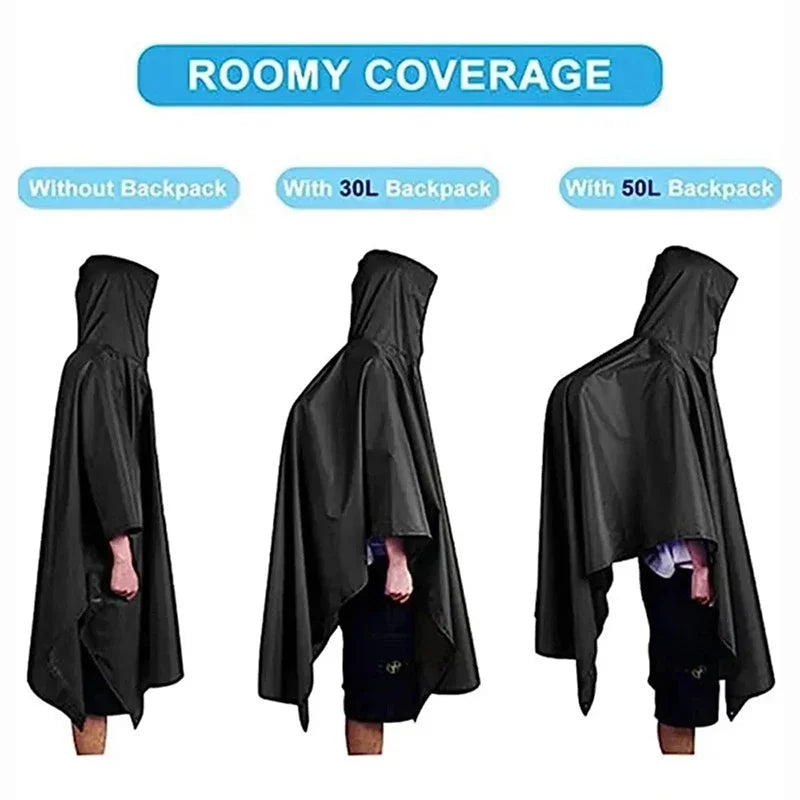
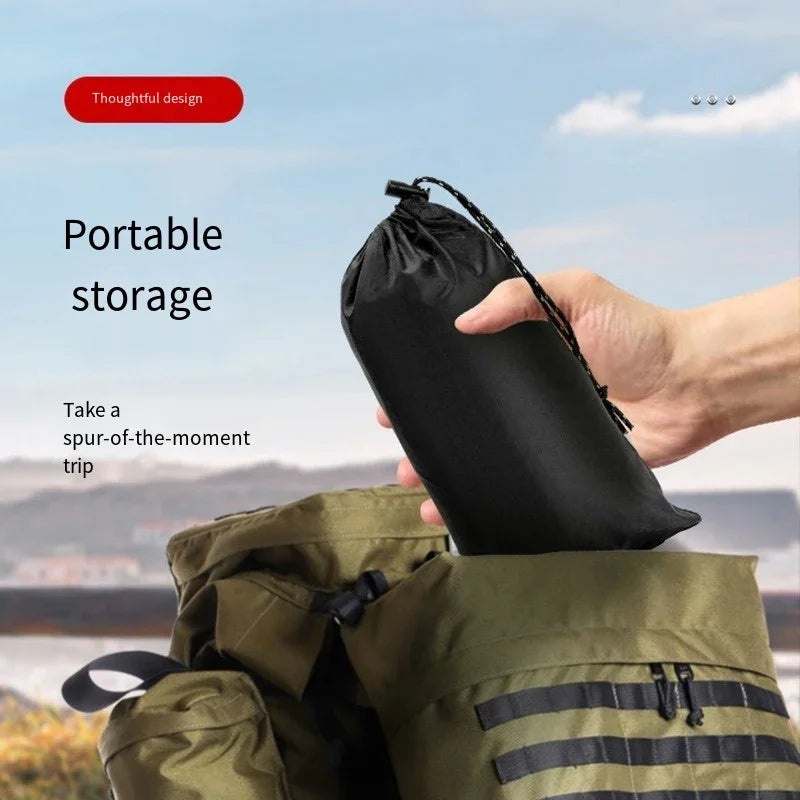
One overlooked advantage is how small modern rain jackets compress. Many fit inside side pockets, waist packs, or dry bags.
For organized packing, hikers often use Waterproof & Dry Bags and Gear Organizers & Pouches to separate wet and dry layers efficiently.
👉 Learn how lightweight rain protection improves hiking comfort in changing weather.
Ultralight Rain Jacket vs Heavy Waterproof Shells
Choosing between ultralight and traditional rain gear depends on hiking style, weather exposure, and mobility needs.
| Hiking Situation | Ultralight Rain Jacket Advantage | Heavy Shell Advantage |
|---|---|---|
| Fast hiking | Better mobility | Less ideal |
| Warm climates | Better airflow | Can overheat |
| Long-distance trekking | Lighter load | Heavier carry weight |
| Extreme alpine storms | Good short-term protection | Maximum insulation |
| Travel and packing | Compact storage | Bulky packing |
For most three-season hikers, ultralight designs offer the best balance between protection and comfort.
💡 See it in action
How to Pack Ultralight Rain Gear Efficiently
Learning how to pack ultralight rain gear properly helps hikers stay prepared without wasting backpack space. Compact waterproof layers should remain easy to access during sudden storms while staying separated from dry clothing and sleeping gear.
- Store your rain jacket near the top of your backpack for fast access.
- Use waterproof compression bags to reduce space.
- Separate wet gear from electronics and insulation layers.
- Roll lightweight shells instead of folding to minimize creasing.
- Keep backup dry socks inside sealed pouches.
Efficient organization matters during fast-moving storms when stopping to unpack everything wastes time and exposes other gear to moisture.
Smart Storage Makes Storm Response Faster
Experienced hikers avoid burying rain protection under heavy equipment. Keeping shells accessible helps prevent clothing saturation before the rain intensifies.
Combining rain gear with Hooks, Clips & Carabiners also allows wet jackets to dry outside your pack while hiking.
Pair Rain Protection With Lightweight Hydration Systems
Wet conditions increase energy loss and dehydration risk. Many hikers pair rain jackets with compact hydration setups from Hydration & Food and Collapsible Water Bottles.
This combination keeps weight low while supporting endurance during long-distance hikes.
How Lightweight Layers Reduce Hiking Discomfort
Unpredictable weather hiking discomfort rain usually comes from trapped moisture, overheating, and heavy wet fabrics.
Ultralight layers help solve these problems by improving airflow and drying rapidly between weather shifts.
Reduced Overheating During Active Hiking
Heavy rain shells often create a sauna effect during steep climbs. Breathable ultralight fabrics allow body heat to escape more efficiently.
This helps maintain comfort without constant stopping to adjust layers.
Faster Recovery After Storms
Quick-drying jackets reduce chilling after rain ends. This becomes especially important during windy descents or evening temperature drops.
Hikers camping overnight often combine lightweight rain protection with gear from Blankets & Sleeping Comfort and Sleeping Bags & Sleeping Pads to stay warm after wet hikes.
Better Mobility on Technical Terrain
Scrambling over rocks or navigating muddy switchbacks requires unrestricted movement.
Flexible lightweight fabrics improve balance and agility while reducing that stiff, noisy feeling common in heavier waterproof shells.
- Less restriction around shoulders and elbows
- Improved visibility with adjustable hoods
- Lower fatigue during steep climbs
- More comfortable layering over base clothing
👉 Upgrade your wet-weather hiking setup before your next adventure.
Best Gear Pairings for Wet Weather Hiking
An ultralight rain jacket performs even better when paired with complementary lightweight outdoor equipment.
Waterproof Storage Protection
Protecting electronics and dry clothing matters just as much as staying dry yourself.
Many hikers use Waterproof & Dry Bags alongside ultralight shells to protect sleeping gear and food supplies.
Emergency Visibility and Lighting
Storms often reduce visibility dramatically. Compact lighting improves trail safety during fog, rain, or early sunsets.
Helpful additions include Headlamps & Wearable Lights and Emergency Lighting.
Extra Protection for Multi-Day Trips
Long backpacking trips sometimes require additional shelter coverage during heavy storms.
Many hikers combine ultralight jackets with Ground Sheets & Tarps and Rain Ponchos & Capes for flexible weather protection.
What Long-Distance Hikers Notice Most
Experienced backpackers consistently mention three major improvements after switching to ultralight rain protection:
- Lower energy drain over long distances
- Less frustration during sudden weather changes
- Faster packing and unpacking routines
One Appalachian Trail section hiker explained that replacing a heavy shell with an ultralight model made steep rainy climbs noticeably easier after only a few miles.
Another weekend backpacker described how smaller packed gear created enough extra room for food and emergency layers without upgrading to a larger backpack.
These small comfort improvements add up quickly over long hikes.
💡 See it in action
Why Lightweight Rain Protection Changes the Hiking Experience
An ultralight rain jacket does more than block rain. It improves movement, reduces fatigue, simplifies packing, and helps hikers adapt faster when weather conditions shift unexpectedly.
For hikers focused on comfort, mobility, and long-distance efficiency, lightweight waterproof protection often becomes one of the most valuable pieces of trail gear.
Whether you are preparing for day hikes, overnight backpacking, or unpredictable mountain weather, reducing unnecessary pack weight can dramatically improve the overall outdoor experience.
FAQ
What makes an ultralight rain jacket different from regular rain jackets?
Ultralight rain jackets focus on minimal weight, compact storage, and breathable waterproof materials. They reduce fatigue during hiking while still providing reliable rain and wind protection.
Are ultralight rain jackets durable enough for backpacking?
Most modern ultralight jackets are designed for hiking and backpacking use. High-quality fabrics resist tearing while remaining lightweight and flexible for active outdoor movement.
How should I pack ultralight rain gear?
Store ultralight rain gear near the top of your backpack for fast access. Waterproof dry bags and compression sacks help protect other equipment while saving valuable pack space.
Do lightweight rain jackets work in cold weather?
Yes. Ultralight rain jackets work well as outer layers when combined with insulating mid-layers. This layered system helps regulate temperature while protecting against wind and rain.
What other gear pairs well with ultralight rain protection?
Lightweight daypacks, waterproof storage bags, emergency lighting, and compact shelter systems all complement ultralight rain jackets for safer and more comfortable hiking trips.
Pillar Article: Waterproof Camping Gear Features That Actually Keep You Dry
Other Related Articles:
Explore More:





