

Ripstop Nylon Poncho Review For Backpacking In Heavy Rain
Poncho Vs Rain Suit For All-Day Camping Storms
⏱ 9 min read
Does a poncho or rain suit work better for long camping storms?
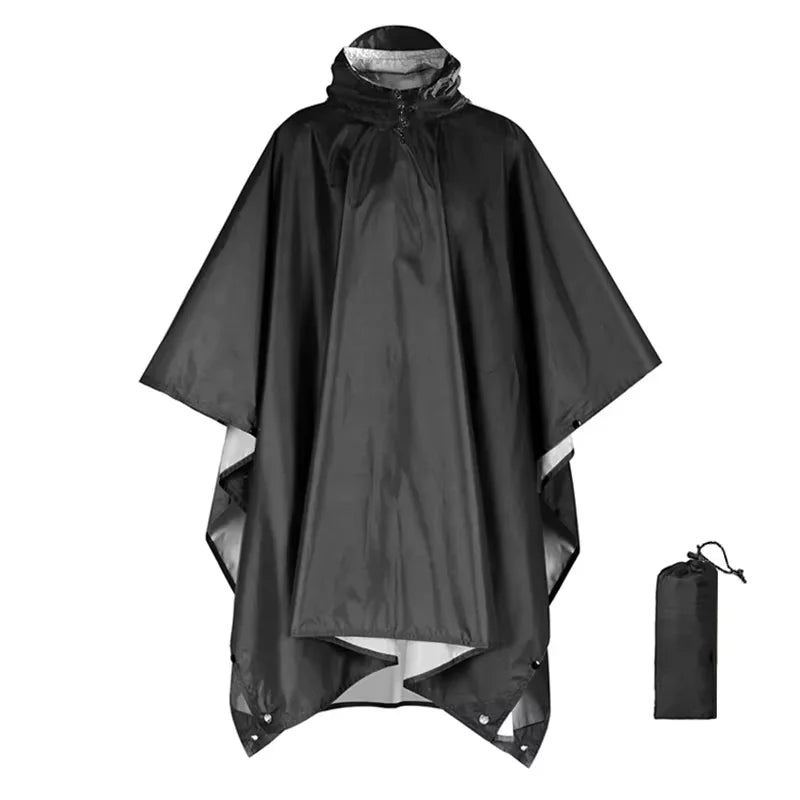
The best choice in the poncho vs rain suit debate depends on weather intensity, movement, and campsite tasks. A rain suit delivers stronger wind and body protection during heavy storms, while a camping poncho offers better airflow, backpack coverage, and emergency shelter flexibility for backpacking trips and changing outdoor conditions.
Poncho vs rain suit decisions become critical when rain lasts for hours and every piece of gear starts feeling soaked. Whether you are hiking muddy trails, setting up camp in wind, or cooking outdoors during a storm, choosing the right rain protection can completely change your comfort level. This guide compares camping poncho vs lightweight rain tarp systems, explores emergency rain protection backpacking trips demand, and explains why multifunction rain gear often outperforms traditional setups in unpredictable weather.
What gear actually makes camping easier when rain starts before sunrise and continues through the night? The answer often comes down to versatility, breathability, and how quickly you can adapt when conditions change.
👉 Discover must-have camping storm gear before your next rainy trip.
💡 See it in action
Why Better Rain Protection Changes Camping Comfort
Extended rain creates problems far beyond getting wet. Damp clothing lowers body temperature, soaked backpacks ruin supplies, and poor ventilation traps sweat inside waterproof layers.
Campers dealing with mountain weather or coastal storms often discover that heavy rain protection becomes uncomfortable after several hours of movement. Breathability matters just as much as waterproofing.
Reliable rain systems should help you:
- Protect clothing and sleeping gear
- Reduce sweat buildup during hiking
- Cover backpacks efficiently
- Create emergency shelter options
- Move comfortably during long treks
- Handle cooking and campsite tasks in wet weather
Many experienced hikers combine rain protection with gear from Weather Protection & Environment and Waterproof & Dry Bags collections to keep electronics, clothes, and food dry during multi-day storms.
Poncho Vs Rain Suit Side-By-Side Comparison
In the poncho vs rain suit comparison, ponchos excel for ventilation, pack coverage, and emergency shelter use, while rain suits provide better mobility and wind resistance during intense storms. Backpackers often prefer ponchos for lighter weight and multifunction use, especially during humid or changing weather conditions.
| Feature | Camping Poncho | Rain Suit |
|---|---|---|
| Ventilation | Excellent airflow | Moderate airflow |
| Backpack Coverage | Usually covers pack | Requires separate pack cover |
| Wind Resistance | Moderate | Excellent |
| Weight | Very lightweight | Typically heavier |
| Movement on Trails | Loose fit | More athletic fit |
| Emergency Shelter Use | Can function as tarp | Not usable as shelter |
| Heat Management | Better in warm climates | Better in cold storms |
| Ease of Packing | Compact and simple | Bulkier setup |
Campers exploring wet forests or humid mountain trails often prefer multifunction rain ponchos because overheating becomes a major issue during steep climbs.
How Camping Poncho Vs Lightweight Rain Tarp Systems Improve Flexibility
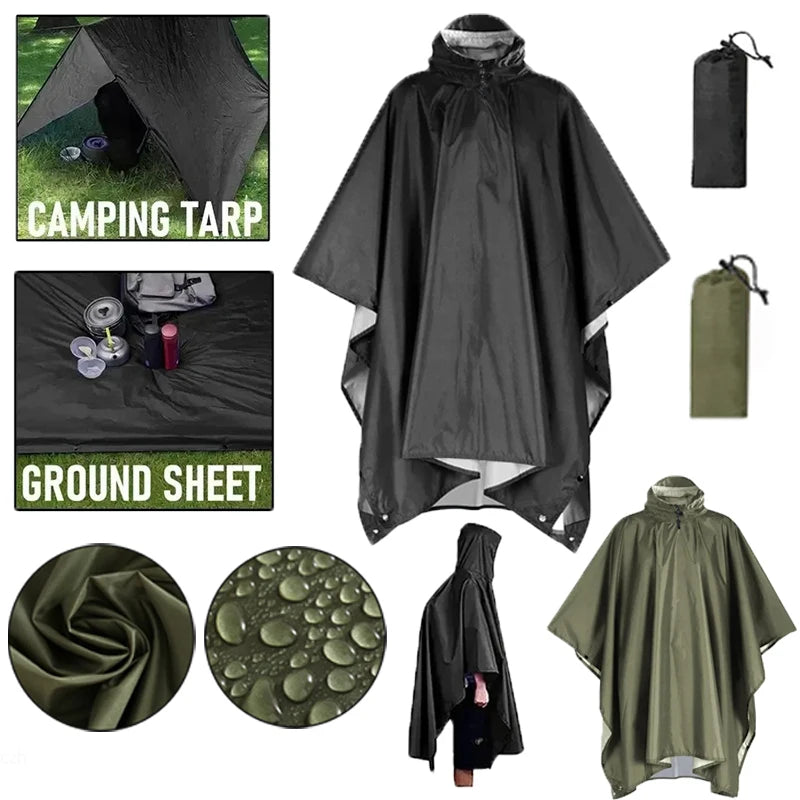
A multifunction poncho can transform into a temporary shelter during sudden downpours. That flexibility matters during emergency rain protection backpacking trips where carrying separate tarps adds unnecessary weight.
Using one item as both wearable protection and camp shelter reduces pack bulk while simplifying setup during fast-changing weather.
Pairing a poncho with Ground Sheets & Tarps creates a stronger storm system without dramatically increasing pack weight.
When a Camping Poncho Performs Better
Better Airflow on Humid Trails
One of the biggest advantages in the poncho vs rain suit debate is ventilation. Ponchos allow heat and moisture to escape naturally, helping prevent sweat buildup.
This becomes important during:
- Summer backpacking trips
- Steep uphill climbs
- Humid forest environments
- Long-distance trekking
Many hikers report staying drier overall inside ponchos because reduced sweating offsets minor rain exposure around the legs.
Full Backpack Protection Without Extra Covers
Traditional rain suits often leave backpacks exposed unless separate covers are added. A camping poncho usually drapes over both the hiker and the pack.
That extra coverage helps protect:
- Sleeping bags
- Food supplies
- Electronics
- Dry clothing layers
Backpackers commonly combine ponchos with Compression & Packing Bags for extra weather security during long-distance routes.
Faster Campsite Setup During Sudden Rain
Storms often hit while campers are still organizing gear or setting up tents. A poncho can quickly become overhead shelter while working around camp.
That flexibility becomes valuable when protecting gear from mud and standing water.
👉 Learn how to choose rain gear that handles hiking, cooking, and campsite setup without extra bulk.
When a Rain Suit Makes More Sense
Better Wind Protection During Severe Storms
Rain suits provide tighter seals around wrists, ankles, and zippers. In freezing rain or strong winds, that extra protection helps maintain warmth.
Cold-weather campers often prefer rain suits when storms involve:
- Strong alpine wind
- Near-freezing temperatures
- Heavy sideways rain
- Snow and sleet mixtures
Combining rain suits with gear from Wind & Cold Protection creates better insulation during harsh shoulder-season adventures.
Improved Mobility for Technical Terrain
Ponchos can flap during high winds or snag on branches in dense forests. Rain suits stay closer to the body and work better for scrambling or steep terrain.
Campers navigating rocky trails or climbing sections may appreciate the more secure fit.
Reduced Water Splash on Lower Body
Ponchos sometimes expose lower legs during intense rain. Rain pants offer stronger protection in muddy conditions or overgrown trails.
This becomes important during multi-day storms where wet legs can eventually affect comfort and warmth.
💡 See it in action
Detailed Review Multifunction Camping Rain Poncho Features
The strongest advantage of a multifunction camping poncho is adaptability. Instead of carrying separate rainwear and emergency shelter equipment, campers can simplify their load while staying prepared for changing weather.
Lightweight and Easy to Pack
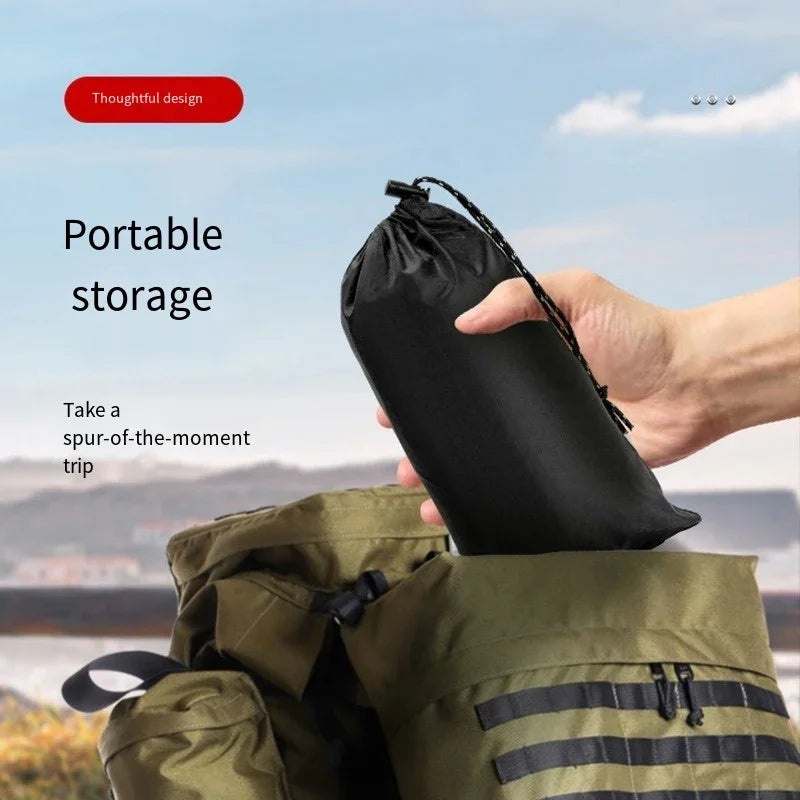
Bulky rain gear becomes frustrating during long hikes. Lightweight ponchos compress easily and fit into small exterior pockets for faster access.
That matters when rain appears suddenly during exposed trail sections.
Emergency Shelter Capability
One reason experienced backpackers prefer multifunction systems is emergency preparedness. A poncho can help create:
- Quick rain canopies
- Gear covers
- Ground barriers
- Temporary wind shelters
Adding lightweight accessories from Hooks, Clips & Carabiners makes setup faster during storm conditions.
Better Comfort During All-Day Rain
Comfort becomes critical during 8- to 12-hour storms. Campers often report that loose-fitting ponchos reduce the sticky, overheated feeling common with sealed rain suits.
One backpacker described switching to a poncho after repeated summer hikes left their rain suit soaked internally from trapped sweat.
"I expected to get wetter using a poncho, but I actually stayed more comfortable because the airflow kept my clothes from getting damp inside."
Useful for Car Camping and Group Camps
Ponchos also work well around campgrounds where movement between tents, cooking stations, and vehicles happens frequently.
Campers organizing wet-weather setups often pair rain protection with:
Storm Camping Rain Gear Checklist
Reliable storm camping setups focus on keeping critical gear dry while maintaining comfort during long hours outdoors.
Must-Have Rainy Weather Items
- Waterproof poncho or rain suit
- Dry storage bags
- Emergency lighting
- Quick-dry clothing layers
- Waterproof footwear
- Portable shelter setup
- Backup fire-starting tools
Rainy campsites become much easier to manage with support gear from Emergency Lighting and Fire Starters & Ignition.
| Camping Situation | Best Choice |
|---|---|
| Humid summer backpacking | Poncho |
| Cold alpine storm | Rain suit |
| Emergency shelter needs | Poncho |
| Technical mountain hiking | Rain suit |
| Ultralight backpacking | Poncho |
| Heavy wind exposure | Rain suit |
Real Outdoor Scenarios and User Experiences
Backpacking Through Constant Rain
A backpacker hiking through Appalachian-style wet conditions often values airflow over maximum sealing. Continuous movement creates body heat quickly.
In these conditions, ponchos reduce overheating while still protecting both the camper and backpack.
Stormy Family Campgrounds
Family campers moving between cooking stations and tents often appreciate the fast coverage ponchos provide.
Rain suits can feel restrictive while handling camp chores or helping children during muddy conditions.
Families preparing for storm weekends commonly use:
Cold and Windy Mountain Trips
In exposed mountain terrain, rain suits usually outperform ponchos because wind penetration becomes dangerous during temperature drops.
Campers prioritizing warmth and mobility may prefer layered rain suit systems during shoulder-season expeditions.
👉 Get dependable storm protection before your next backpacking adventure.
Best Companion Gear for Rainy Campsites
Rain protection works best when paired with smart campsite organization and waterproof storage.
Dry Storage Solutions That Prevent Gear Damage
Even strong rainwear cannot fully protect loose gear from moisture exposure. Waterproof organization systems help prevent wet sleeping gear and damaged electronics.
Useful additions include:
Lighting That Makes Stormy Camps Safer
Storm clouds often reduce visibility long before sunset. Reliable lighting improves campsite safety while cooking, organizing gear, or navigating muddy paths.
Many campers combine rain protection with:
💡 See it in action
Final Verdict for All-Day Camping Storms
The poncho vs rain suit decision ultimately depends on your environment, movement level, and storm severity.
For warm-weather backpacking, changing weather, and multifunction emergency use, camping ponchos often provide the best balance of ventilation, pack coverage, and flexibility.
For freezing rain, high winds, and technical terrain, rain suits deliver stronger full-body protection and better movement control.
Many experienced campers eventually carry both systems for different seasons. However, a multifunction rain poncho remains one of the most versatile and weight-efficient pieces of emergency rain protection backpacking trips can include.
FAQ
Is a poncho better than a rain suit for backpacking?
A poncho is often better for backpacking in warm or humid climates because it improves airflow and covers both the hiker and backpack. Rain suits work better in cold, windy, or technical terrain.
Can a camping poncho replace a lightweight tarp?
Some multifunction ponchos can serve as emergency shelter systems or temporary tarps. They help reduce pack weight while adding flexibility during storms.
Do rain suits keep you drier than ponchos?
Rain suits usually block wind and heavy rain more effectively, especially around the legs and arms. However, poor ventilation can create sweat buildup inside the suit during long hikes.
What is best for emergency rain protection backpacking trips?
Many backpackers prefer multifunction rain ponchos because they combine wearable rain protection with emergency shelter capability while remaining lightweight and compact.
What gear pairs well with camping rain protection?
Dry bags, emergency lighting, waterproof storage systems, and lightweight shelter accessories help improve comfort and safety during extended wet-weather camping.
Pillar Article: Ultralight Rain Gear Compared For Fast-Packing Trips
Other Related Articles:
- Poncho Vs Rain Suit For All-Day Camping Storms
- Salomon X Ultra 5 Gtx Review For Rainy Mountain Hikes
- Best Packable Rain Poncho For Travel In 2026
- Rain Poncho Vs Rain Jacket For Wet Trail Adventures
Explore More:





