

Backpack In Rain Hacks To Keep Your Gear Dry All Day
Backpack In Rain Hacks To Keep Your Gear Dry All Day
⏱ 9 min read
Does backpack in rain protection really work?
Yes. A backpack in rain setup works best when hikers combine layered waterproofing, dry-bag organization, and fast-access rain protection. Small changes like lining your pack with waterproof barriers, elevating electronics, and using lightweight rain gear can reduce moisture damage during storms, river crossings, and long wet hikes.
Backpack in rain conditions can ruin a trip fast, especially when soaked clothing, wet electronics, and leaking food supplies turn a good hike into a miserable experience. The good news is that smart packing systems, lightweight rain protection, and a few field-tested hacks can keep your gear dry all day without adding unnecessary weight. Whether you are dealing with sudden storms, humid forest trails, or multi-day treks, these practical strategies help protect your essentials and make wet-weather hiking far more comfortable.
Have you ever opened your backpack after hours of rain only to discover your spare clothes and power bank already soaked?
👉 Discover smarter wet-weather protection before your next trip.
💡 See it in action
Why Most Backpacks Fail in Heavy Rain
Backpack in rain problems usually happen because hikers rely on a single waterproof layer. Many backpacks are labeled water-resistant, but stitched seams, zippers, and side pockets still allow moisture inside after extended exposure.
The most common weak points include:
- Unsealed zipper openings
- Wet shoulder straps transferring moisture inward
- Bottom fabric sitting on soaked ground
- Poorly packed electronics near outer walls
- Loose rain covers shifting during wind
Outdoor gear water damage prevention starts by understanding that rain protection works best in layers, not as a single solution.
| Common Problem | What Happens | Simple Fix |
|---|---|---|
| Rain cover slips | Water enters from sides | Use internal dry barriers |
| Wet pack bottom | Clothes absorb ground moisture | Use elevated packing cubes |
| Humidity buildup | Gear feels damp all day | Separate dry and wet zones |
| Unprotected electronics | Battery and device damage | Store inside waterproof pouches |
Many experienced hikers now combine Waterproof & Dry Bags with external rain covers instead of trusting backpack fabric alone.
How a Simple Layering System Keeps Gear Dry Longer
Backpack in rain protection works best when every layer has a specific purpose. One layer blocks heavy rain, another handles internal moisture, and a third protects high-value items like electronics and spare clothing.
A practical system includes:
- External rain shield
- Internal waterproof liner
- Separate dry-storage compartments
- Quick-access wet gear zone
Use an Internal Waterproof Barrier First
One overlooked trick is lining the inside of your backpack with a lightweight waterproof sack before packing anything else. Even if the outer shell leaks, your core gear remains protected.
For longer trips, hikers often combine Compression & Packing Bags with waterproof liners to reduce bulk while keeping clothing dry.
Separate Wet Gear from Dry Gear
Never place wet jackets beside sleeping clothes or electronics. Keep muddy layers near the outer section of your pack or attach them externally using Hooks, Clips & Carabiners.
Protect Your Back and Shoulders
How to stay dry hiking rain conditions also depends on your body staying comfortable. Water trapped between your backpack and back creates sweat buildup that eventually soaks inner gear.
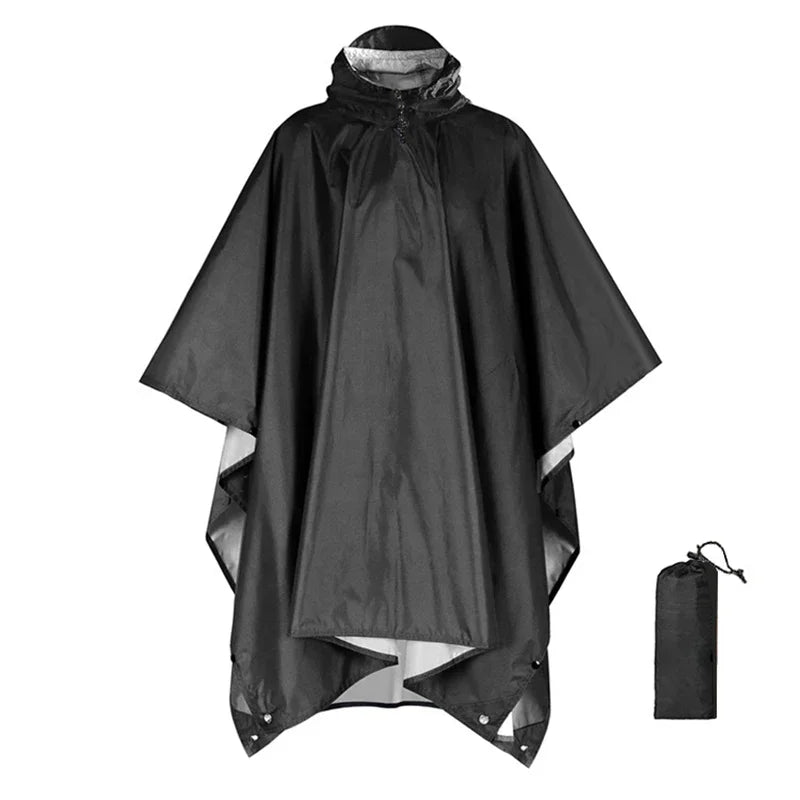
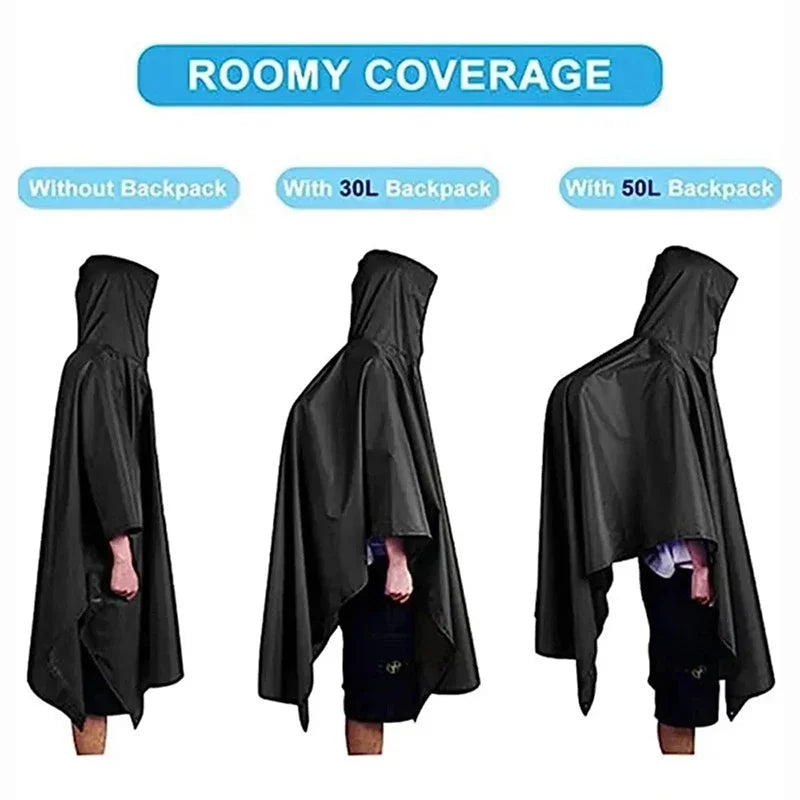
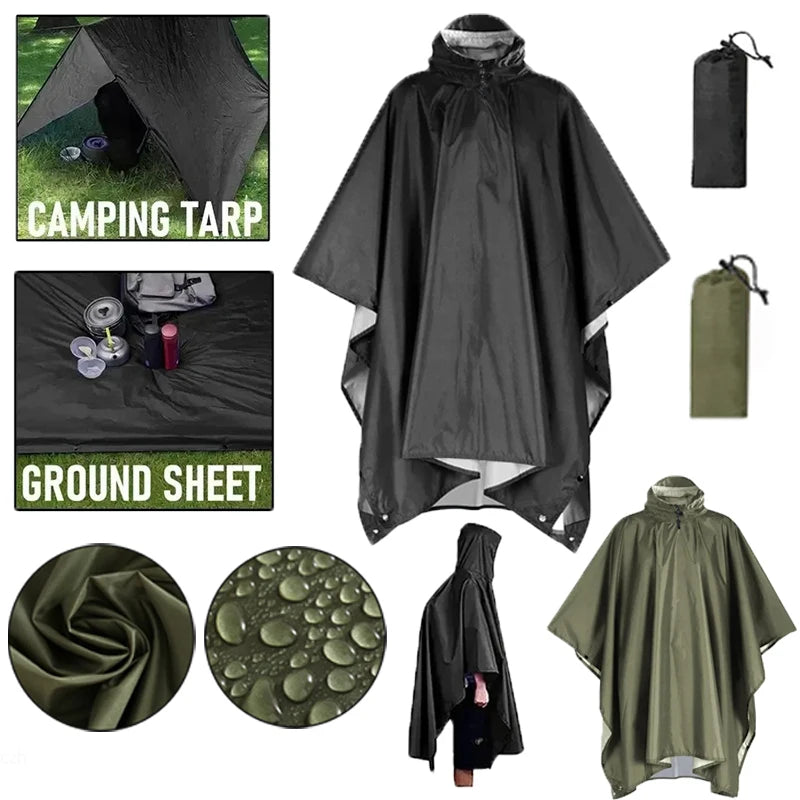
A poncho-style setup allows rainwater to flow over both you and the backpack, reducing trapped moisture.
👉 Learn how to simplify wet-weather hiking without carrying bulky extras.
Step-by-Step Backpack Packing for Rainy Trails
Backpack getting wet in rain hike situations become manageable when you organize gear based on moisture exposure risk.
-
Place sleeping clothes at the center
The middle of the pack stays driest during long storms. -
Store electronics in double-sealed bags
Use waterproof pouches inside a dry compartment. -
Keep food elevated
Avoid placing snacks directly against damp backpack walls. -
Separate emergency supplies
Protect fire starters and first aid kits from moisture. -
Attach wet layers externally
Allow rain jackets and towels to air out while hiking.
Many hikers also carry compact storage systems from Gear Organizers & Pouches to avoid digging through soaked compartments during storms.
Quick Wet-Weather Packing Checklist
- Rain cover secured tightly
- Dry clothes sealed separately
- Phone stored in waterproof pouch
- Battery pack elevated inside bag
- Emergency gear protected
- Wet layers isolated from sleeping gear
💡 See it in action
How to Protect Electronics and Clothing During Storms
Electronics often fail before hikers realize moisture entered the pack. Humidity alone can damage cameras, phones, and charging equipment during multi-day hikes.
Outdoor photographers and backpackers commonly use layered protection systems involving:
- Waterproof pouches
- Silica moisture packets
- Dry storage sacks
- Elevated internal compartments
Portable charging gear stored inside Portable Power Banks cases should never sit directly beside wet jackets or water bottles.
Keep Spare Clothing Dry at All Costs
Dry clothes are more than comfort. They help maintain body temperature after storms or river crossings.
One Appalachian Trail hiker shared that a single dry base layer completely changed overnight comfort after eight straight hours of rain. That small detail often separates a manageable trip from a miserable one.
Using Wind & Cold Protection gear together with dry storage systems helps reduce heat loss during wet evenings.
Rain Protection Methods Compared
Different hiking conditions require different levels of backpack rain protection. Some setups prioritize ventilation, while others focus on maximum waterproof coverage.
| Rain Protection Method | Best For | Main Advantage | Possible Drawback |
|---|---|---|---|
| Rain Cover | Light showers | Quick setup | Can shift in wind |
| Poncho Covering Backpack | Long hikes | Full-body protection | Less airflow uphill |
| Internal Dry Bag System | Heavy rain | Protects essentials | Takes packing effort |
| Waterproof Backpack | River crossings | Integrated protection | Usually heavier |
For hikers balancing weight and flexibility, pairing a poncho with Waterproof & Dry Bags often provides the best all-around setup.
River Crossing and Humid Trail Hacks
Backpack in rain situations become even harder during river crossings or tropical humidity because moisture attacks from every direction.
Use Double Protection Near Water
Before crossing rivers, hikers often add a second waterproof barrier around electronics and sleeping gear.
Even shallow crossings can send water upward through backpack seams.
Keep Ventilation Flowing
Humidity buildup can quietly soak gear from the inside. Open your backpack briefly during dry breaks to release trapped moisture.
This is especially useful during summer hikes where sweat buildup becomes worse than rain itself.
Protect Campsite Gear Early
Once you stop hiking, secure shelters immediately before unpacking. Many hikers lose dry gear because they unpack before creating weather protection.
Reliable setups usually combine Ground Sheets & Tarps with fast shelter systems from Camping Tents & Shelter.
Mistakes Hikers Make When Backpack Getting Wet in Rain Hike Situations
Many hikers focus only on staying dry themselves while ignoring the backpack system.
The biggest mistakes include:
- Trusting water-resistant fabric too much
- Leaving electronics near outer walls
- Packing wet and dry clothes together
- Ignoring condensation buildup
- Opening backpacks fully during storms
- Forgetting waterproof storage for food
One overlooked mistake is placing backpacks directly on soaked ground during breaks. Even a waterproof base can slowly absorb moisture after hours of exposure.
Using compact gear from Camping Storage & Boxes can help separate damp items during longer trips or car camping adventures.
👉 Get prepared before your next storm hits the trail.
Best Gear Combinations for Wet Weather Hiking
How to stay dry hiking rain conditions often comes down to combining the right lightweight gear instead of relying on one expensive product.
Recommended Wet-Weather Setup
- Poncho covering both hiker and backpack
- Internal waterproof liner
- Dry bags for electronics
- Compression sacks for clothing
- Portable lighting stored in waterproof pouches
Backpackers also frequently pair rain systems with gear from Headlamps & Wearable Lights for safer visibility during storms and low-light trail conditions.
For longer trips, hydration systems from Hydration & Food collections help hikers avoid opening backpacks repeatedly during rain.
Why Lightweight Rain Systems Matter
Bulky waterproof setups often stay unused because they feel inconvenient during fast-moving hikes.
Simple, lightweight systems encourage consistent use. That means fewer soaked clothes, less gear damage, and faster transitions when storms suddenly appear.
💡 See it in action
Stay Dry Longer Without Overpacking
Backpack in rain problems are rarely caused by one major mistake. Usually, small gaps in protection slowly allow moisture to build until clothing, electronics, and food become soaked.
Layered protection, organized storage, and lightweight waterproof gear dramatically improve comfort during wet hikes. The hikers who stay driest are not always carrying the heaviest gear. They simply prepare smarter.
Whether you are heading into mountain storms, humid forests, or unpredictable weekend trails, the right combination of waterproof organization and fast rain protection can keep your gear safe from sunrise to sunset.
FAQ
How do I keep my backpack dry in heavy rain?
Use a layered system that combines a rain cover, internal waterproof liner, and separate dry bags for electronics and clothing. This protects gear even if rain enters through zippers or seams.
Can a rain cover fully waterproof a backpack?
No. Rain covers help block direct rainfall, but water can still enter through the back panel, bottom seams, or openings during long exposure. Internal waterproof storage is still important.
What is the best way to protect electronics while hiking in rain?
Store electronics inside waterproof pouches or dry bags placed near the center of the backpack. Adding silica packets also helps reduce humidity buildup.
How do hikers keep clothes dry during rainy treks?
Experienced hikers separate sleeping clothes into sealed waterproof bags and avoid mixing them with damp outer layers. Compression sacks also help reduce trapped moisture.
Is a poncho better than a rain jacket for backpack hiking?
A poncho can provide better backpack coverage because it protects both the hiker and the pack at the same time. It also improves airflow compared to some heavy waterproof jackets.
Pillar Article: How To Camp In The Rain Without Getting Soaked
Other Related Articles:
- Emergency Rain Poncho Tricks Every Hiker Should Know
- Tent Camping Cold Weather Tips For Warmer Nights Outdoors
- How To Use A Tarp As A Canopy For Fast Rain Shelter
Explore More:





