

How To Use A Tarp As A Canopy For Fast Rain Shelter
How To Use A Tarp As A Canopy For Fast Rain Shelter
⏱ 8 min read
How do you use a tarp as a canopy during sudden rain?
How to use a tarp as a canopy starts with choosing strong anchor points, creating a sloped roof angle, and tightening the corners to prevent water pooling. Whether setting up emergency rain shelter outdoors or learning how to use poncho as tarp, fast canopy setups help keep campers, gear, and supplies dry within minutes.
Sudden rain can turn a relaxing camping trip into a cold, frustrating mess fast. Wet backpacks, soaked sleeping bags, and muddy cooking areas make outdoor adventures uncomfortable and risky. Knowing how to use a tarp as a canopy gives you a quick way to stay protected while creating a reliable outdoor shelter almost anywhere.
Whether you're hiking, car camping, fishing, or dealing with changing weather at a campsite, a tarp canopy can become one of the most useful outdoor survival rain protection methods you carry. With the right setup techniques and a few simple knots, even lightweight gear can provide dependable cover in minutes.
Explore reliable outdoor essentials in Camping Tents & Shelter and Ground Sheets & Tarps.
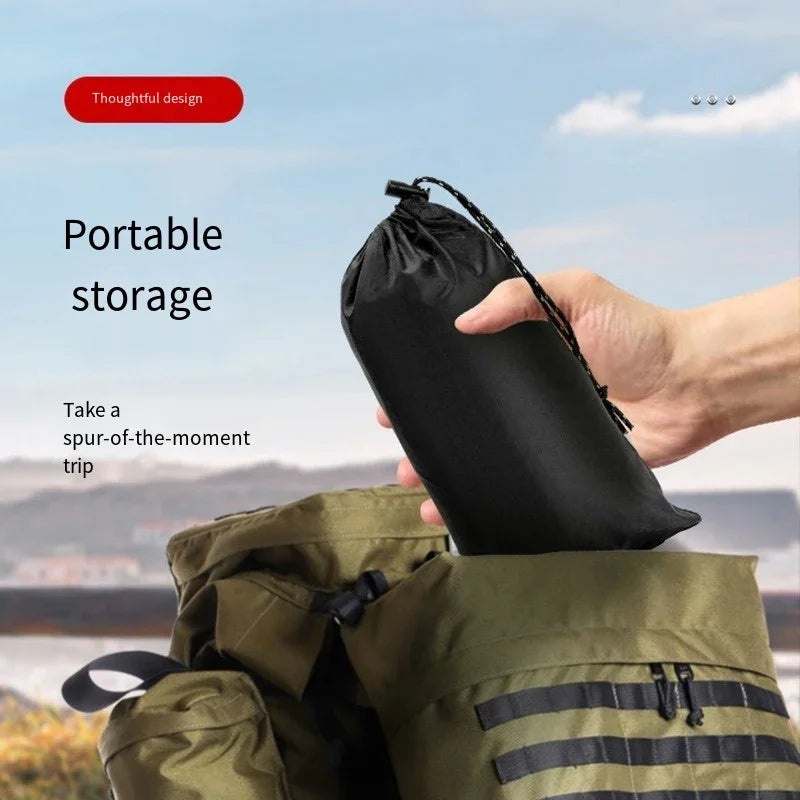
💡 See it in action
Why Tarp Canopies Work So Well in Rain
A tarp canopy works because it creates immediate overhead protection while allowing airflow underneath. Unlike fully enclosed tents, tarps can adapt to terrain, weather direction, and available anchor points quickly.
Campers often underestimate how effective a properly angled tarp can be during heavy rain. One experienced backpacker shared that a simple tarp setup protected an entire cooking area through a six-hour storm while nearby tents leaked at the seams.
Benefits of a Fast Tarp Shelter
- Creates dry space for cooking and resting
- Protects backpacks and sleeping gear
- Reduces exposure to wind-driven rain
- Sets up faster than many traditional shelters
- Works with trees, poles, vehicles, or hiking sticks
| Shelter Type | Setup Speed | Rain Coverage | Portability |
|---|---|---|---|
| Tarp Canopy | Very Fast | Excellent | Lightweight |
| Pop-Up Tent | Moderate | Good | Bulky |
| Poncho Shelter | Fast | Moderate | Ultra-Light |
Pairing tarp systems with waterproof storage from Waterproof & Dry Bags helps keep electronics, clothes, and emergency supplies dry during extended storms.
How To Use A Tarp As A Canopy Step By Step
How to use a tarp as a canopy effectively depends on tension, slope, and anchor positioning. A secure tarp setup should block rain while allowing water to run off quickly. Most fast emergency rain shelters can be completed in under 10 minutes using trees, poles, or nearby supports.
-
Choose high ground.
Avoid low areas where rainwater collects. Even a small slope helps prevent flooding beneath the shelter. -
Identify anchor points.
Trees, trekking poles, vehicles, or sturdy branches all work well for support. -
Create a ridgeline.
Tie rope tightly between anchor points. This becomes the spine of the canopy. -
Drape the tarp over the line.
Center the tarp evenly so both sides hang symmetrically. -
Stake down corners.
Pull corners tight at an angle to improve runoff and wind resistance. -
Adjust for weather direction.
Lower one side if strong wind or sideways rain is expected.
What Gear Actually Makes Camping Easier?
Small accessories often make the biggest difference during bad weather. Many campers now carry lightweight carabiners, tension cords, and emergency lighting to speed up shelter setup after dark.
- Hooks, Clips & Carabiners
- Emergency Lighting
- Fire Starters & Ignition
- Weather Protection & Environment
Browse durable equipment from Safety, Survival & Emergency and Backpacking & Carry.
Best Tarp Shelter Setups for Fast Rain Protection
A-Frame Tarp Shelter
The A-frame is one of the easiest and strongest tarp canopy designs. It balances rain runoff with interior space and works well for overnight camping.
Lean-To Shelter
A lean-to setup uses one elevated edge and one lower edge. This method works best when rain and wind come from one direction.
Diamond Fly Setup
The diamond fly uses a single central anchor point and creates fast overhead coverage. Hikers prefer this style because it requires fewer tie-outs.
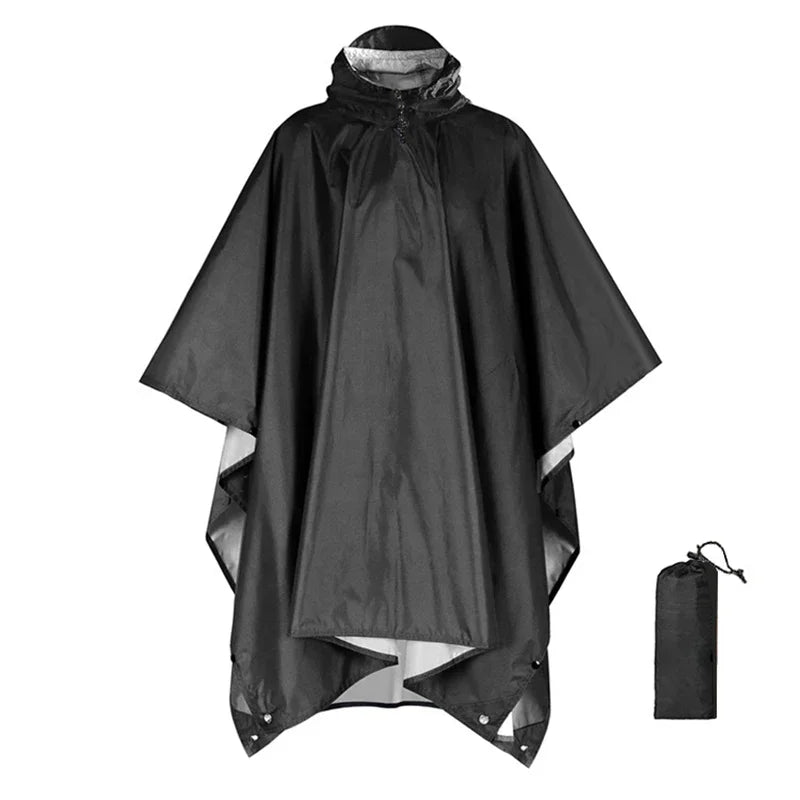
💡 See it in action
| Setup Type | Best Use | Weather Resistance |
|---|---|---|
| A-Frame | Overnight camping | Excellent |
| Lean-To | Quick daytime shelter | Good |
| Diamond Fly | Ultralight hiking | Moderate |
If comfort matters during longer stays outdoors, adding gear from Folding Chairs & Tables and Blankets & Sleeping Comfort helps create a more functional dry zone beneath the canopy.
How To Use Poncho As Tarp in Emergencies
Learning how to use poncho as tarp can save valuable time during sudden weather changes. Many waterproof ponchos include reinforced grommets or snaps that allow them to function as compact rain shelters when standard tarps are unavailable.
Emergency poncho shelters work especially well for solo hikers, trail runners, or minimalist campers who need fast overhead protection without carrying bulky equipment.
Simple Poncho Shelter Setup
- Stretch a cord between two supports
- Drape the poncho over the cord
- Secure corners using stakes or rocks
- Angle one side lower for rain runoff
A compact waterproof poncho like 3-in-1 Waterproof Rain Poncho can function as rainwear, emergency canopy, and ground cover in one lightweight solution.
Travelers frequently combine poncho shelters with compact supplies from Lightweight Daypacks and Compression & Packing Bags to reduce pack weight while maintaining weather protection.
Common Rain Shelter Mistakes To Avoid
Setting the Tarp Too Flat
Flat tarps collect rainwater quickly. This adds dangerous weight and can collapse the shelter unexpectedly.
Ignoring Wind Direction
Many first-time campers position shelters for convenience instead of weather protection. Always angle the lower side toward incoming wind and rain.
Using Weak Knots
Loose knots fail during storms. Practice simple tension knots before your trip to avoid shelter failure in heavy rain.
Skipping Ground Protection
Wet ground can soak gear even when the canopy overhead works perfectly. Ground barriers from Picnic Mats & Blankets or Ground Sheets & Tarps help maintain a dry base.
Essential Gear That Makes Tarp Shelters Easier
Smart packing improves speed and safety when setting up emergency rain shelter outdoors. Experienced campers often keep dedicated rain shelter kits ready inside vehicles or backpacks.
- Waterproof tarp or poncho
- Paracord or ridgeline rope
- Carabiners and clips
- Tent stakes
- Portable lighting
- Dry bags for electronics
- Compact multitool
Useful gear categories include:
- Multi-tools & Knives
- Tent & Camping Lanterns
- Portable Power Banks
- Rain Ponchos & Capes
- Sun Shades & Canopies
“We got caught in a mountain storm with almost no warning. The tarp canopy went up in under five minutes and kept our cooking gear completely dry.” — Weekend camper from Colorado
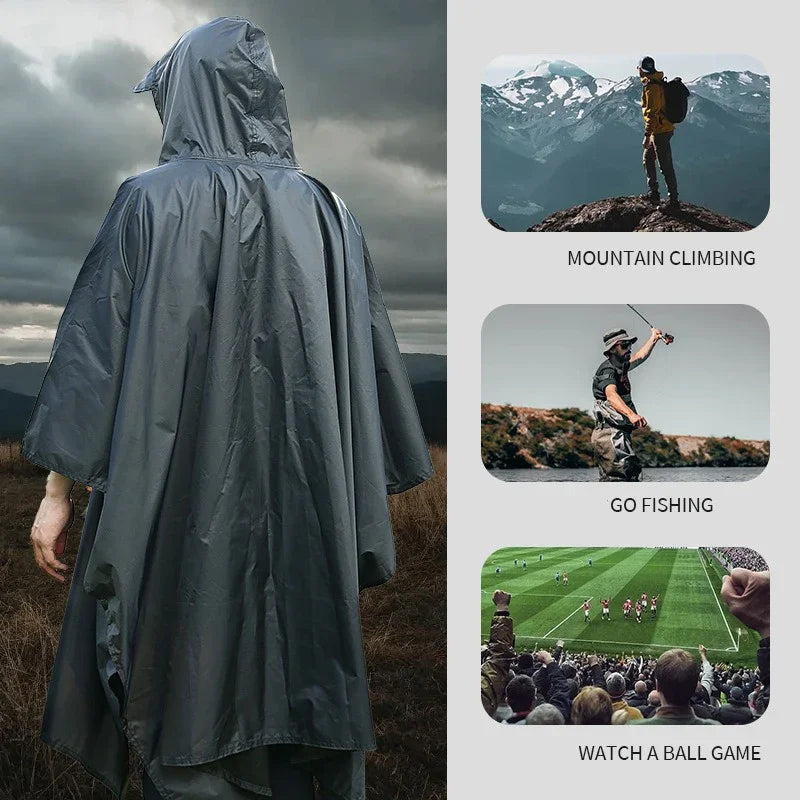
💡 See it in action
Outdoor Survival Rain Protection Methods That Actually Work
Staying dry outdoors is about more than overhead coverage. Combining multiple outdoor survival rain protection methods improves safety, warmth, and comfort during extended wet conditions.
Layer Your Protection
- Use tarps overhead
- Store gear in waterproof bags
- Keep dry clothing sealed separately
- Elevate sleeping gear off wet ground
Protect Heat Sources
Cooking and warmth become difficult during heavy rain. Wind barriers and covered cooking zones help maintain heat and morale.
Campers often combine tarp shelters with gear from Camping Stoves & Cooking and Outdoor Cookware to create protected meal areas during storms.
Prepare Before the Rain Starts
The best shelter setups happen before the weather changes. Monitor clouds, wind direction, and humidity throughout the day.
Stay prepared with the 3-in-1 Waterproof Rain Poncho and explore dependable rain gear from Weather Protection & Environment.
Conclusion
Knowing how to use a tarp as a canopy gives you one of the fastest and most versatile shelter options for outdoor adventures. From full-size camping tarps to emergency poncho shelters, simple rain protection skills can dramatically improve comfort and safety when weather conditions change unexpectedly.
Whether you're setting up emergency rain shelter outdoors during a hiking trip or learning how to use poncho as tarp for minimalist travel, preparation matters. A few lightweight tools, smart positioning, and reliable waterproof gear can turn a stressful storm into a manageable outdoor situation.
FAQ
What is the best shape for a tarp rain canopy?
The A-frame setup is usually the best all-around tarp canopy shape because it balances water runoff, wind resistance, and interior space.
Can a poncho really work as a tarp shelter?
Yes. Many waterproof ponchos include reinforced corners or grommets that allow them to function as emergency tarp shelters during rain.
How tight should a tarp canopy be?
A tarp should be tight enough to prevent sagging and water pooling while still maintaining flexibility during strong wind gusts.
What rope works best for tarp shelters?
Lightweight paracord is popular because it is durable, weather-resistant, and easy to pack for hiking and camping trips.
What should I keep under a tarp canopy?
Keep sleeping gear, backpacks, electronics, food supplies, and cooking equipment protected beneath the canopy whenever possible.
Pillar Article: How To Camp In The Rain Without Getting Soaked
Other Related Articles:
- Emergency Rain Poncho Tricks Every Hiker Should Know
- Tent Camping Cold Weather Tips For Warmer Nights Outdoors
- Backpack In Rain Hacks To Keep Your Gear Dry All Day
Explore More:





