

How To Camp In The Rain Without Getting Soaked
How to camp in the rain without getting soaked?
How to camp in the rain successfully comes down to smart shelter setup, waterproof layering, and moisture control. Choose elevated ground, use a tarp system, seal gear in dry bags, and manage condensation. With the right setup, you can stay dry, warm, and comfortable—even during heavy downpours.
How To Camp In The Rain Without Getting Soaked
⏱ 8 min read — Wondering how to camp in the rain without ruining your trip? This guide breaks down smart camping shelter setup in sudden rain, practical ways to waterproof camping gear outdoors, and how to handle cold wet conditions camping survival issues before they escalate. Discover simple tricks seasoned campers use to stay dry, protect essentials, and keep morale high even in relentless downpours—but are you making the one mistake that guarantees a soaked night?
Rain doesn’t have to cancel your adventure. But it can quickly turn excitement into discomfort if you’re unprepared. Wet gear, muddy campsites, and cold nights are common problems—but they’re all preventable.
What gear actually makes camping easier in the rain? And more importantly, how do you use it effectively?
👉 Discover must-have camping gear
Explore essential rain-ready equipment from Camping & Picnic to stay prepared for any weather.
💡 See it in action
Step-by-step: how to camp in the rain and stay dry
To master how to camp in the rain, focus on layering protection, smart positioning, and moisture control. The goal is simple: keep water out, keep warmth in.
- Choose high ground: Avoid valleys or dips where water collects.
- Set up shelter first: Use tarps or rain ponchos before unpacking.
- Create drainage: Slightly angle your setup so water flows away.
- Keep gear elevated: Use dry bags and platforms.
- Manage clothing layers: Stay dry from inside out.
Why this method works
- Prevents water pooling under your tent
- Keeps essential gear protected
- Maintains body heat in cold wet conditions
- Reduces stress during sudden weather changes
Camping shelter setup in sudden rain that actually works
Rain often hits when you least expect it. Your shelter setup needs to be fast, flexible, and reliable.
Use a tarp-first strategy
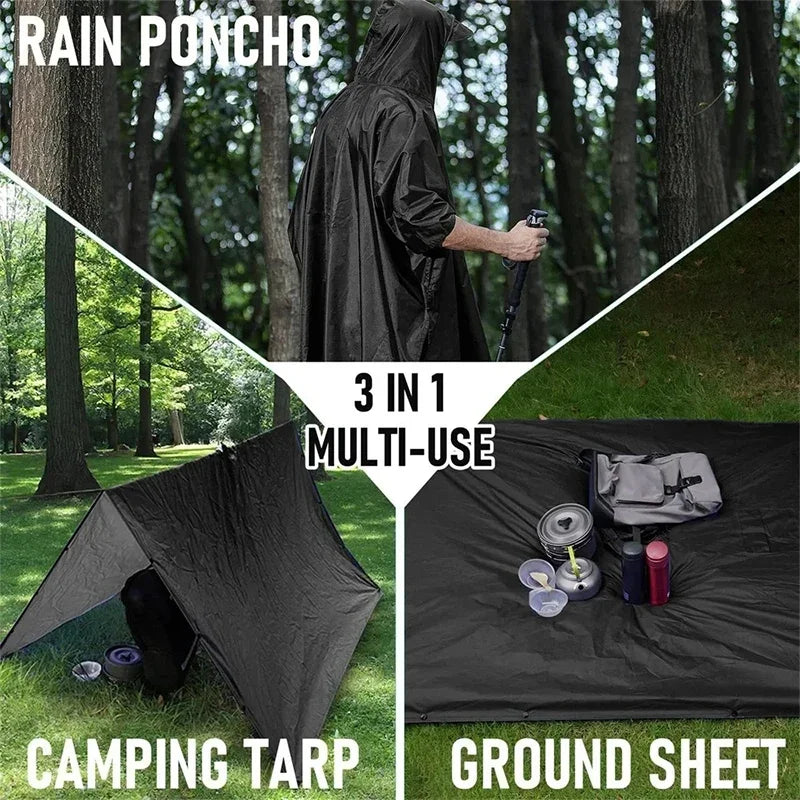
Before setting up your tent, create overhead protection using gear from Ground Sheets & Tarps. This gives you a dry workspace.
- Stretch tarp between trees or poles
- Angle it to direct water runoff
- Keep one side lower for wind protection
Upgrade your rain protection
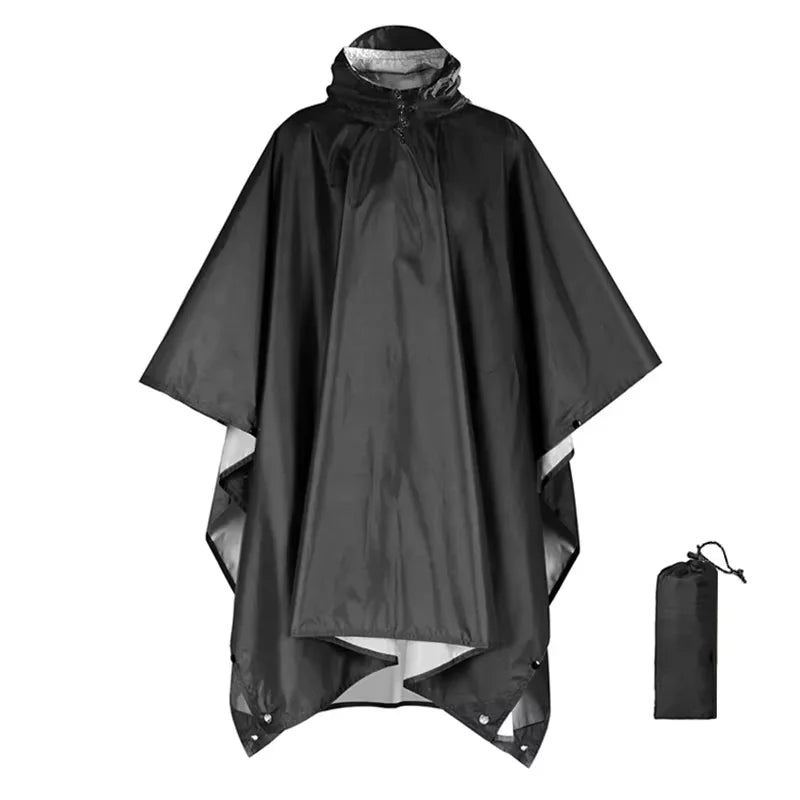
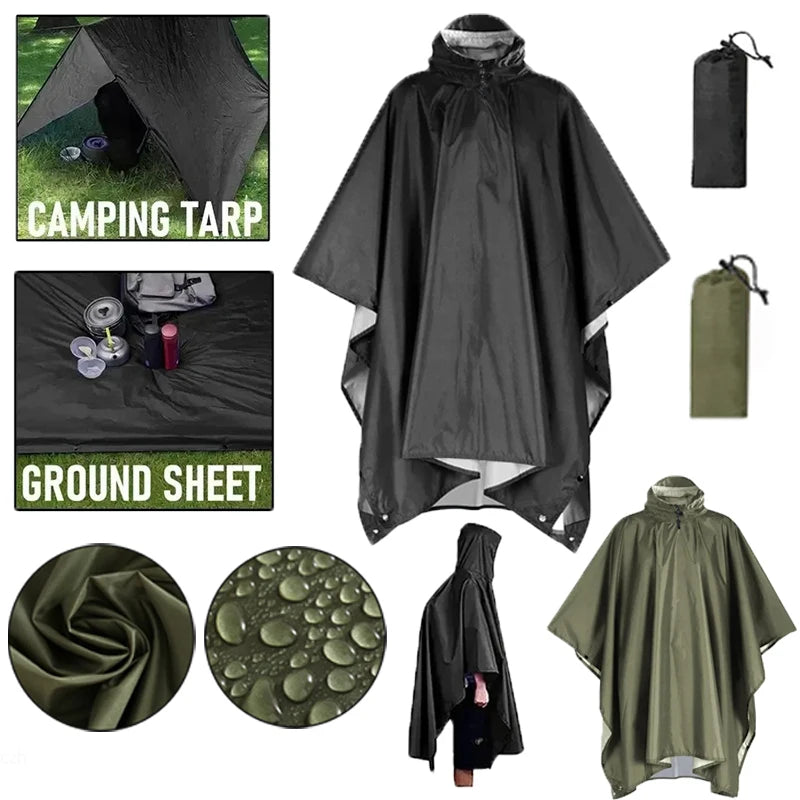
A multi-use poncho can act as both personal protection and emergency shelter. The 3-in-1 waterproof rain poncho doubles as a tarp, making it perfect for unpredictable weather.
Choose the right tent placement
- Avoid slopes facing uphill water flow
- Look for natural windbreaks
- Clear debris before pitching
Best shelter setup comparison
| Setup Type | Best For | Pros | Cons |
|---|---|---|---|
| Tent only | Light rain | Quick setup | Limited coverage |
| Tent + tarp | Heavy rain | Maximum dryness | More setup time |
| Poncho shelter | Emergency use | Multi-purpose | Less spacious |
👉 Learn how to choose the right hiking gear
Browse durable shelter solutions in Camping Tents & Shelter for all-weather protection.
Ways to waterproof camping gear outdoors
Even the best gear fails without proper waterproofing. Staying dry requires layering protection across all your equipment.
Use dry bags and compression systems
Seal clothing, electronics, and food inside Waterproof & Dry Bags. These are essential barriers against moisture.
- Store sleeping clothes separately
- Use color-coded bags for organization
- Double-bag critical items
Protect your sleeping system
Your sleeping setup is the most important comfort factor.
- Use insulated layers from Sleeping Bags & Sleeping Pads
- Add a groundsheet underneath
- Avoid direct contact with tent walls
Waterproof your backpack
- Use rain covers
- Line interior with plastic or dry sacks
- Keep frequently used items accessible
Real camper insight
“I used to wake up with damp gear every trip. Switching to dry bags and tarp layering completely changed my experience—even in nonstop rain.” — Alex, weekend backpacker
💡 See it in action
Handling cold wet conditions camping survival issues
Cold and wet is a dangerous combination. Managing body temperature is critical.
Layer your clothing correctly
- Base layer: moisture-wicking
- Mid layer: insulation
- Outer layer: waterproof shell
Explore protective gear from Wind & Cold Protection for better warmth retention.
Stay dry from the inside
- Avoid sweating—ventilate when needed
- Change into dry clothes before sleeping
- Keep a dedicated “sleep set”
Eat and hydrate properly
Fuel your body to maintain warmth using supplies from Hydration & Food.
- Eat high-calorie meals
- Drink warm fluids
- Avoid dehydration
Emergency readiness
Always carry essentials from Safety, Survival & Emergency:
- Fire starters
- Emergency blankets
- Whistles and signals
Rain camping packing checklist for beginners
- Waterproof poncho or jacket
- Tarp or groundsheet
- Dry bags for gear
- Extra socks and clothing
- Headlamp from Headlamps & Wearable Lights
- Portable power from Portable Power Banks
- Compact cooking gear from Camping Stoves & Cooking
Common mistakes that lead to soaked nights
- Poor site selection: Setting up in low ground
- No tarp system: Exposes gear during setup
- Ignoring ventilation: Causes condensation buildup
- Improper packing: Wet gear mixes with dry items
Avoiding these mistakes is often the difference between a miserable trip and an enjoyable adventure.
💡 See it in action
Make Rain Camping Comfortable and Enjoyable
Camping in the rain isn’t about enduring discomfort—it’s about adapting smartly. With the right setup, you’ll sleep better, stay warmer, and enjoy the experience instead of fighting it.
👉 Get yours now before your next trip!
Upgrade your rain protection with the 3-in-1 waterproof rain poncho and explore reliable gear in Weather Protection & Environment.
Frequently Asked Questions
Is it safe to camp in heavy rain?
Yes, as long as you choose a safe location, avoid flood-prone areas, and use proper shelter setup techniques.
How do I keep my tent dry inside?
Use a groundsheet, ensure proper ventilation, and avoid touching tent walls to reduce condensation.
What is the most important item for rain camping?
A reliable waterproof layer like a poncho or tarp system is essential for both shelter and personal protection.
How do I dry wet gear while camping?
Hang items under a tarp, use body heat to dry clothing, and keep airflow moving through your shelter.
Related Articles:
- Emergency Rain Poncho Tricks Every Hiker Should Know
- Tent Camping Cold Weather Tips For Warmer Nights Outdoors
- Backpack In Rain Hacks To Keep Your Gear Dry All Day
- How To Use A Tarp As A Canopy For Fast Rain Shelter
Pillar Articles:





