

Msr Freelite 3 Review After 30 Days Of Rainy Camping
Does the msr freelite 3 Handle Heavy Rain?
The msr freelite 3 performed surprisingly well during 30 days of nonstop wet-weather camping. Its lightweight design stayed stable through heavy storms, fast wind shifts, and muddy terrain while remaining easy to carry on long treks. However, moisture buildup, limited vestibule coverage, and careful campsite selection became critical during prolonged rain exposure.
Msr Freelite 3 Review After 30 Days Of Rainy Camping
⏱ 12 min read
What happens when your lightweight shelter faces endless rain, soaked gear, muddy trails, and cold nights for an entire month? That was exactly the challenge behind this msr freelite 3 review. After dealing with a camping trip ruined by heavy rain years ago, we wanted to know whether this ultralight tent could finally solve the problems that make wet-weather backpacking miserable.
Over 30 rainy nights, we tested the tent through mountain storms, flooded campsites, high humidity, and fast-moving weather systems. We also experimented with camping shelter setup in sudden rain and practical ways to waterproof camping gear outdoors without adding unnecessary bulk.
The results were impressive in some areas and frustrating in others. If you're considering the msr freelite 3 for backpacking, thru-hiking, or unpredictable weather, this detailed field review covers everything we learned.
👉 Planning rainy adventures? Reliable shelter and weather protection can completely change your outdoor experience.
💡 See it in action
Why We Tested the msr freelite 3 in Constant Rain
The msr freelite 3 entered this test after one unforgettable disaster. A previous camping trip ruined by heavy rain left us sleeping in wet clothes beside puddles that formed inside our old tent. Since then, lightweight shelters always raised one major concern: can they truly survive extended bad weather?
This review focused on real-world conditions instead of controlled weekend camping.
- 30 straight days of backpacking
- Frequent thunderstorms
- Mountain humidity
- Cold overnight temperatures
- Heavy condensation mornings
- Muddy and rocky campsites
- Fast emergency shelter setups
We paired the tent with gear from Camping Tents & Shelter and added extra protection from Ground Sheets & Tarps to test different waterproofing combinations.
How the msr freelite 3 Feels on the Trail
The first thing you notice about the msr freelite 3 is how shockingly light it feels for a three-person tent.
Carrying wet gear for multiple rainy days can quickly drain energy. That made weight savings incredibly valuable during steep climbs and long mileage days.
Trail Weight and Packability
The packed tent fit easily into our backpacking system without consuming too much internal storage. Combined with compression gear from Compression & Packing Bags, the overall load stayed manageable even with extra rain layers.
| Feature | Field Impression |
|---|---|
| Packed Size | Compact enough for multi-day hikes |
| Weight | Excellent for a 3-person shelter |
| Setup Complexity | Simple after several practice runs |
| Ventilation | Good airflow in mild rain |
| Storm Resistance | Better than expected |
Interior Space During Long Rainy Nights
Three people technically fit inside, but extended rainy weather changed everything.
When backpacks, soaked jackets, boots, and cooking equipment moved inside the vestibules, the tent started feeling cramped. Two campers plus gear created the most comfortable experience.
Storage organizers from Gear Organizers & Pouches helped reduce clutter during long storms.
How This Ultralight Tent Survived Violent Storms
The msr freelite 3 handled repeated storms better than many heavier tents we previously tested. Once properly tensioned, the structure remained stable through strong rain bands and overnight gusts while maintaining solid waterproof protection across most conditions.
Heavy rain reveals weaknesses fast. During the first week alone, we experienced three major overnight storms with nonstop rainfall lasting nearly eight hours.
What Worked Extremely Well
- The rainfly shed water efficiently
- The floor resisted seepage surprisingly well
- Pole structure stayed stable in moderate wind
- Fast-drying fabric reduced morning pack-up stress
- Dual vestibules improved entry during storms
One unexpected advantage was how quickly the tent dried once sunlight appeared. Wet shelters usually create miserable packing conditions, but this tent recovered faster than expected.
Where the Tent Struggled
Problems appeared during sideways rain and humid nights.
Moisture occasionally formed near the footbox area if airflow became restricted. Small mistakes in campsite placement also amplified condensation dramatically.
That made weather preparation just as important as the shelter itself.
👉 Wet-weather camping becomes easier with smarter layering.
Explore gear from Weather Protection & Environment and keep critical equipment protected during sudden storms.
How Fast Shelter Setup Saved Our Gear
The biggest lesson from this review involved camping shelter setup in sudden rain.
Storms rarely wait for perfect campsite conditions. Several times we had less than five minutes between noticing dark clouds and total downpour.
Fast Setup Routine That Actually Worked
- Lay down ground protection first
- Keep rainfly accessible at top of pack
- Stake windward corners immediately
- Attach poles before organizing gear
- Move backpacks inside vestibules fast
This simple routine prevented major water intrusion during emergency setups.
We also used waterproof storage from Waterproof & Dry Bags to isolate sleeping gear from wet clothing.
What Gear Helped Most During Sudden Rain
- Headlamps from Headlamps & Wearable Lights
- Backup lighting from Emergency Lighting
- Rain layers from Rain Ponchos & Capes
- Extra tarp protection from Ground Sheets & Tarps
One tester described the setup process perfectly:
"The difference between panic and control during storms came down to organization. Once the rainfly routine became automatic, rainy camps stopped feeling stressful."
Ways to Waterproof Camping Gear Outdoors Without Adding Bulk
The msr freelite 3 helped protect us, but keeping personal gear dry mattered just as much. Over the month-long trip, we tested multiple ways to waterproof camping gear outdoors while staying lightweight.
Most Effective Waterproofing Strategies
| Method | Result |
|---|---|
| Dry bags for clothes | Excellent protection |
| Separate sleeping gear sacks | Prevented moisture transfer |
| Groundsheet under tent | Reduced floor moisture |
| Pack liners | Lightweight and reliable |
| Rain poncho over backpack | Fast storm coverage |
Instead of relying on one solution, layered protection worked best.
We paired the tent with compact accessories from Backpacking & Carry and hydration storage from Hydration & Food to separate dry essentials from wet equipment.
The most valuable upgrade ended up being a lightweight poncho system.
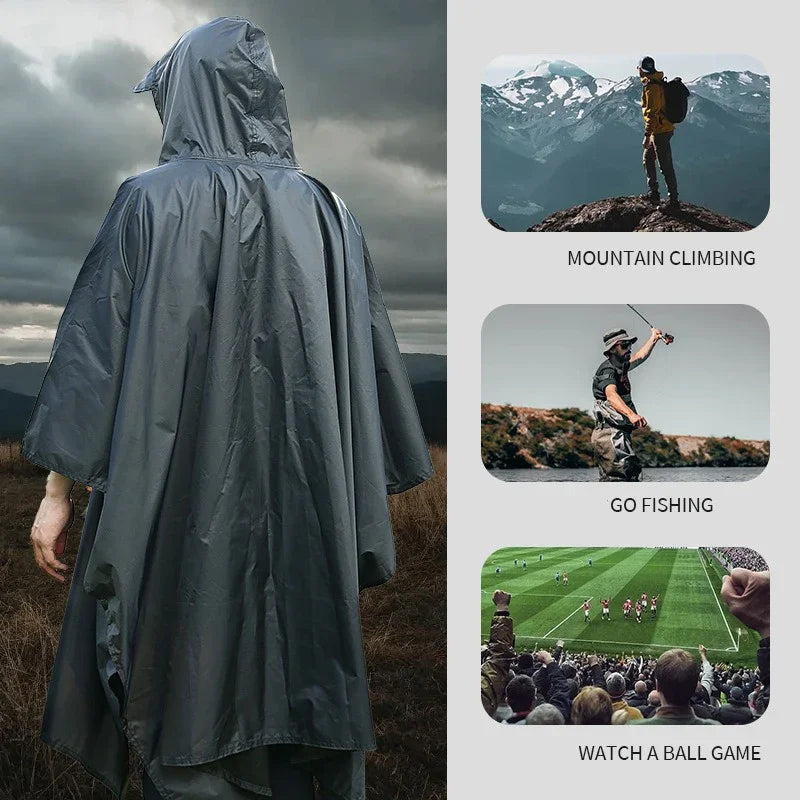
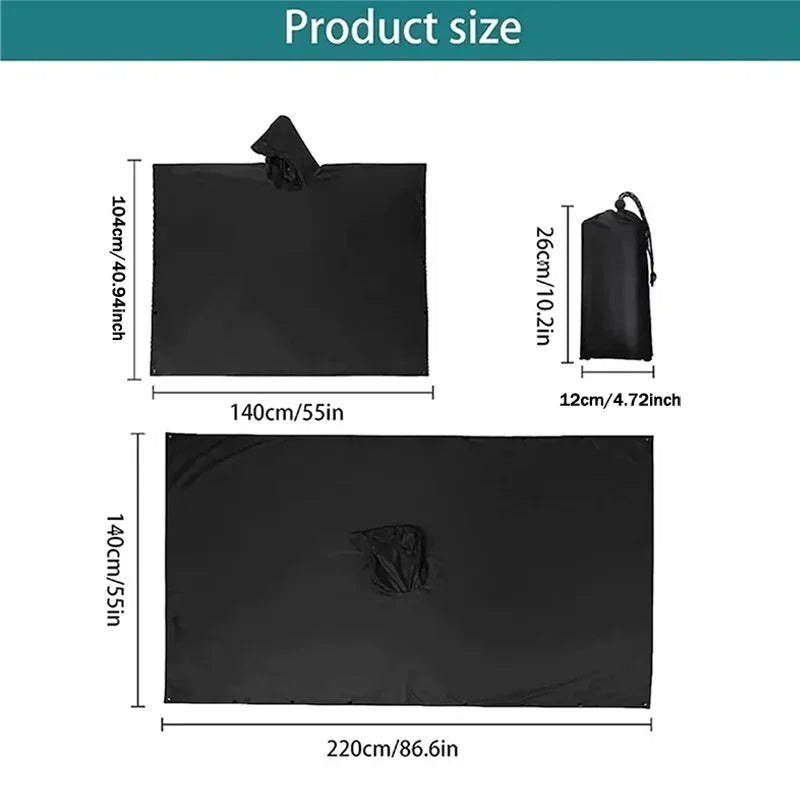
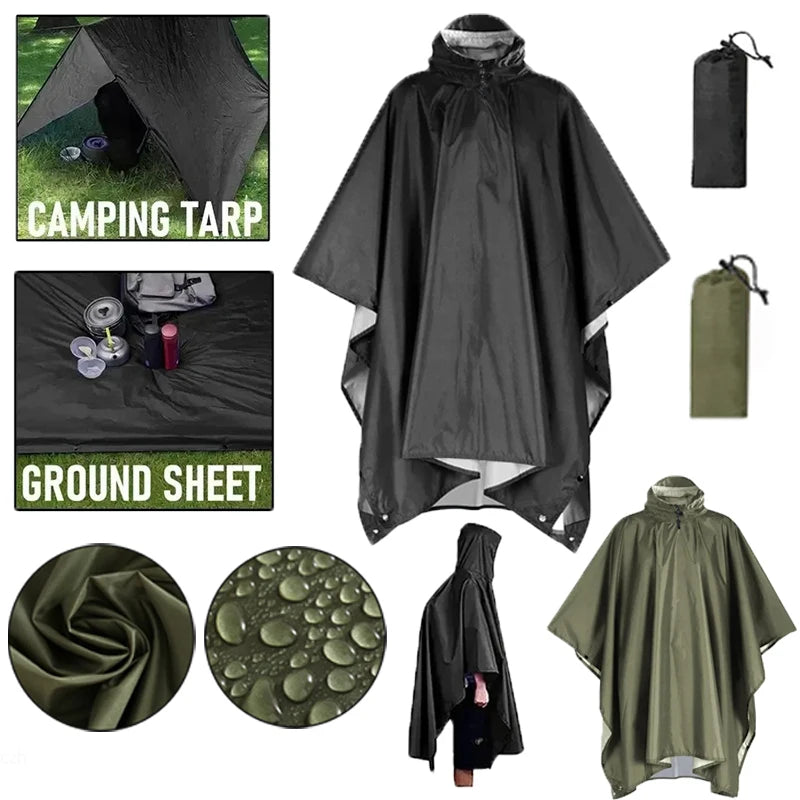
The 3-in-1 waterproof rain poncho doubled as emergency rain coverage and temporary gear protection during rapid campsite setup.
💡 See it in action
What Living Inside the Tent Was Really Like
Rain changes everything about tent comfort.
Short weekend campers may never notice certain issues, but after multiple consecutive wet nights, every small design choice becomes obvious.
What Felt Comfortable
- Good headroom for changing clothes
- Large side doors improved access
- Mesh panels increased airflow
- Interior pockets reduced clutter
Adding compact comfort items from Outdoor Comfort & Recovery made long rainy evenings far more manageable.
What Became Annoying
Vestibule space disappeared quickly with wet equipment.
Cooking during heavy rain required extra caution, especially when trying to avoid condensation buildup. Gear spread across the floor created moisture transfer problems if organization slipped.
Using compact storage from Camping Storage & Boxes helped separate wet and dry items efficiently.
The Hidden Moisture Problem Nobody Talks About
The msr freelite 3 performs well in rain, but condensation becomes the real challenge during extended wet-weather camping. In humid conditions with limited airflow, interior moisture buildup can develop overnight, especially when wet clothing and gear remain inside the shelter for long periods.
Most lightweight tent reviews focus only on rain resistance.
Condensation matters just as much.
Several mornings started with interior moisture covering portions of the fly despite no direct leakage. The issue became worse under these conditions:
- Camping near water sources
- Wet clothing drying inside
- Low nighttime airflow
- Humid forest environments
- Cold overnight temperatures
How We Reduced Condensation
- Open vestibules whenever possible
- Keep wet gear outside sleeping area
- Use elevated campsites for airflow
- Avoid fully sealing ventilation panels
- Separate soaked boots from sleeping bags
Sleeping systems from Sleeping Bags & Sleeping Pads also made recovery easier after damp nights.
Pros and Cons After 30 Days
Pros
- Extremely lightweight for its category
- Fast setup after practice
- Strong rain protection
- Compact packed size
- Stable structure in moderate wind
- Excellent backpacking efficiency
Cons
- Condensation requires careful management
- Vestibules feel small in extended rain
- Tight for three adults plus wet gear
- Thin materials need campsite awareness
- Premium price compared to budget tents
How It Compares to Other Lightweight Tents
The msr freelite 3 balances low weight and storm protection better than many ultralight competitors. While some tents provide more interior comfort or larger vestibules, this model stands out for backpackers who prioritize portability without sacrificing dependable rain performance during long-distance trips.
| Category | msr freelite 3 | Typical Ultralight Tent |
|---|---|---|
| Weight | Excellent | Excellent |
| Storm Protection | Very Good | Average |
| Interior Space | Moderate | Moderate |
| Setup Speed | Fast | Varies |
| Ventilation | Good | Average |
| Long-Term Comfort | Good for Two | Often Tight |
Backpackers prioritizing storm reliability over maximum interior space will likely appreciate the balance this tent provides.
For complete shelter systems, pairing the tent with accessories from Weather Accessories and Camping & Picnic creates a more dependable wet-weather setup.
👉 Preparing for unpredictable weather?
Build a complete rain-ready system with gear from Wind & Cold Protection and Lightweight Daypacks.
Get reliable rain protection before your next backcountry trip
Who Should Buy the msr freelite 3
Best For
- Backpackers covering long distances
- Campers needing lightweight storm protection
- Two-person teams carrying extra gear
- Thru-hikers prioritizing pack weight
- Campers experienced with moisture management
Probably Not Ideal For
- Large groups needing spacious interiors
- Beginner campers wanting maximum comfort
- Extended basecamp setups
- Users expecting luxury-level vestibule storage
Families wanting more comfort-oriented systems may prefer accessories from Family, Kids & Group or larger shelter setups from Sun Shades & Canopies.
💡 See it in action
Final Verdict After a Month of Rain
The msr freelite 3 earned our trust during one of the wettest testing periods we've experienced.
It handled repeated storms, muddy campsites, and rapid weather shifts far better than many lightweight shelters we previously used. The combination of low weight, fast setup, and dependable rain protection made difficult conditions noticeably more manageable.
Still, this tent rewards preparation.
Understanding campsite placement, ventilation management, and ways to waterproof camping gear outdoors remains essential for long-term comfort.
For serious backpackers willing to trade some living space for mobility and storm readiness, the msr freelite 3 stands out as one of the more capable lightweight shelters available for wet-weather adventures.
Pairing it with dependable rain layers, organized storage, and fast-deploy weather gear transforms the experience completely.
Upgrade your wet-weather camping setup before the next storm hits.
FAQ
Is the msr freelite 3 good for heavy rain?
Yes. The tent handled repeated storms effectively during long-term testing. Proper setup, site selection, and ventilation management are still important to prevent condensation and moisture buildup.
How many people fit comfortably inside the msr freelite 3?
Two adults with gear felt most comfortable during extended rainy trips. Three people can fit, but interior storage becomes limited in bad weather.
What is the biggest weakness of the msr freelite 3?
Condensation management can become difficult during humid multi-day rain events, especially if wet gear stays inside the shelter overnight.
What helps during camping shelter setup in sudden rain?
Keeping the rainfly accessible, practicing setup beforehand, and using waterproof storage systems dramatically reduces stress and moisture exposure during emergency campsite setups.
What are the best ways to waterproof camping gear outdoors?
Layered protection works best. Dry bags, pack liners, ground sheets, and rain ponchos together create reliable protection without adding excessive weight.
Related Articles:
- Best Packable Rain Jacket For Travel Tested In Real Storms
- Altra Gore Tex Review For Muddy Trails And Wet Conditions
Pillar Articles:





