

Emergency Rain Poncho Tricks Every Hiker Should Know
Emergency Rain Poncho Tricks Every Hiker Should Know
⏱ 9 min read
Does an emergency rain poncho help in survival situations?
An emergency rain poncho can protect hikers from rain, wind, and rapid body heat loss during unexpected weather changes. Many hikers use an emergency survival rain poncho for hiking as a temporary shelter, gear cover, or wind barrier because lightweight waterproof materials pack small while providing fast emergency protection outdoors.
Unexpected storms can turn a simple hike into a cold, stressful experience within minutes. Wet clothing, soaked gear, and dropping temperatures often create bigger problems than hikers expect. The good news? A lightweight emergency rain poncho can do far more than keep you dry. From creating a fast shelter to protecting food, gear, and body heat, these simple tricks can make outdoor adventures safer, warmer, and far more manageable when conditions suddenly change.
Storms can appear fast on the trail. Explore dependable Rain Ponchos & Capes and lightweight outdoor essentials before your next trip.
💡 See it in action
Why Smart Hikers Pack an Emergency Rain Poncho
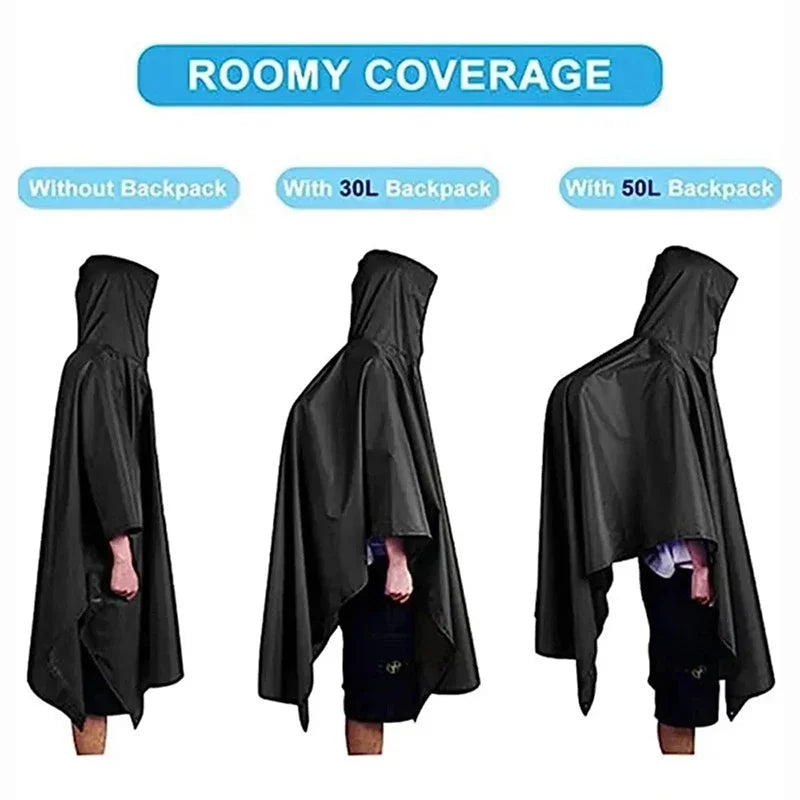
An emergency rain poncho helps hikers stay dry while reducing wind exposure and conserving body heat during storms. Many backpackers prefer ponchos because they cover both the body and backpack while packing down smaller than traditional rain jackets.
What gear actually makes hiking easier during sudden weather changes? Experienced hikers often answer with one surprisingly simple item: a poncho.
Unlike bulky rain gear, a compact emergency survival rain poncho for hiking can fit into side pockets, glove compartments, or lightweight packs without adding much weight.
Many hikers also combine ponchos with equipment from Waterproof & Dry Bags to keep clothing, electronics, and food protected during long rainy treks.
Top Reasons Hikers Use Ponchos
- Quick protection during sudden storms
- Extra coverage for backpacks and gear
- Emergency shelter capability
- Wind protection during rest stops
- Compact storage inside daypacks
- Useful ground cover during breaks
| Feature | Traditional Rain Jacket | Emergency Rain Poncho |
|---|---|---|
| Pack Size | Medium | Very Compact |
| Backpack Coverage | Limited | Excellent |
| Emergency Shelter Use | No | Yes |
| Fast Deployment | Moderate | Very Fast |
Outdoor travelers often mention how quickly conditions change on mountain trails. One backpacker shared that a sudden thunderstorm soaked everyone in the group except the hiker carrying a poncho large enough to cover both body and pack.
How to Turn a Poncho Into a Fast Rain Shelter
An emergency rain poncho can become a temporary shelter by securing its corners to trees, trekking poles, or rocks. This setup creates quick overhead protection that helps reduce rain exposure while keeping gear and clothing drier during emergencies.
A waterproof poncho with shelter features becomes far more valuable when hikers know how to deploy it quickly.
Step-by-Step Poncho Shelter Setup
- Find elevated ground away from water runoff.
- Use trekking poles or nearby branches for support.
- Tie corners securely using paracord or clips.
- Angle the poncho to direct rainwater away.
- Keep one side lower to block wind.
Many hikers carry lightweight accessories from Hooks, Clips & Carabiners to speed up emergency shelter setups during bad weather.
If temperatures begin dropping, combine the poncho shelter with gear from Blankets & Sleeping Comfort for better insulation overnight.
Best Locations for a Poncho Shelter
- Tree-covered campsites
- Rock overhang areas
- Wind-protected valleys
- Emergency roadside stops
- Rest areas during long hikes
Some hikers even use ponchos as quick cooking covers alongside compact gear from Camping Stoves & Cooking when light rain makes meal preparation difficult.
Want a poncho that works beyond basic rain protection?
👉 Learn how multipurpose rain shelters simplify outdoor survival
Best Emergency Shelter Tarp Poncho Options
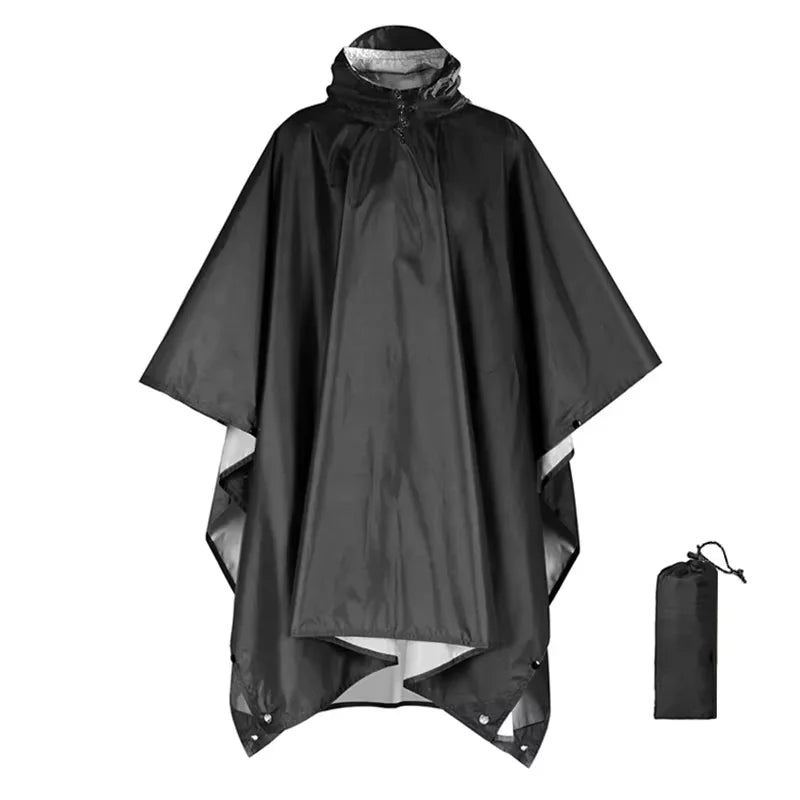
The best emergency shelter tarp poncho options combine waterproof materials, reinforced corners, and enough coverage to protect both hikers and backpacks. Durable designs with shelter tie points are especially useful for backpackers expecting unpredictable weather.
Not all ponchos perform equally during harsh conditions. Some are designed only for light rain, while others function as reliable emergency shelters.
Features Worth Looking For
- Reinforced grommets or tie loops
- Rip-resistant waterproof fabric
- Large backpack-compatible sizing
- Compact foldable storage
- Adjustable hood coverage
- Wind-resistant closures
Many hikers pair ponchos with supplies from Ground Sheets & Tarps to create larger protected areas for sleeping or gear storage.
💡 See it in action
Comparison of Common Poncho Types
| Poncho Type | Best Use | Limitation |
|---|---|---|
| Disposable Emergency Poncho | Short-term storms | Lower durability |
| Heavy-Duty Hiking Poncho | Backpacking trips | Slightly heavier |
| Shelter Tarp Poncho | Emergency camping | Requires setup skills |
Hikers traveling through colder regions also prepare with products from Wind & Cold Protection to help prevent rapid heat loss after rain exposure.
Survival Tricks That Protect Body Heat
An emergency rain poncho helps retain warmth by blocking wind and trapping warmer air close to the body. Even lightweight waterproof layers can reduce dangerous exposure during cold rain or overnight emergencies.
Cold rain becomes dangerous quickly when wind strips away body heat. Smart hikers know that staying dry matters just as much as staying warm.
Practical Warmth Tricks
- Wrap the poncho tightly during rest breaks
- Sit on dry surfaces instead of wet ground
- Create a wind wall using rocks or trees
- Use dry base layers from waterproof bags
- Protect your head and neck first
Backpackers often combine ponchos with emergency supplies from Safety, Survival & Emergency during long-distance trips where weather forecasts may change rapidly.
Hydration also becomes critical during cold conditions. Gear from Collapsible Water Bottles helps hikers carry water without taking up excessive pack space.
Overnight Emergency Scenarios
If you become stranded overnight, your poncho can help in multiple ways:
- Temporary sleeping cover
- Wind barrier near a fire
- Rainwater collection surface
- Dry gear storage cover
- Ground moisture protection
Many outdoor travelers also carry backup lighting from Emergency Lighting for navigating campsites safely during nighttime storms.
Gear Checklist for Bad Weather Hikes
An emergency rain poncho works best when combined with lightweight survival gear. Small accessories like dry bags, lighting, and emergency signaling tools improve safety during sudden weather emergencies on remote trails.
Rain protection alone is rarely enough during severe weather. Smart hikers build compact systems that work together.
Recommended Bad Weather Gear
- Emergency rain poncho
- Backup socks and thermal layer
- Portable water filter
- Compact emergency blanket
- Signal whistle
- Rechargeable headlamp
- Dry food storage
Useful additions include gear from Personal Water Filters, Headlamps & Wearable Lights, and Emergency Whistles & Signals.
Packing Smart for Fast Access
A poncho hidden deep inside a backpack often becomes useless during sudden downpours.
Store emergency rain gear in outer compartments or use organizers from Gear Organizers & Pouches for faster access on the trail.
Many hikers also use compact storage solutions from Compression & Packing Bags to separate dry clothing from wet equipment.
Mistakes That Leave Hikers Soaked
Many hikers misuse emergency rain ponchos by waiting too long to deploy them or failing to protect backpacks and footwear. Early setup and proper layering help prevent soaked gear and dangerous heat loss during storms.
Even experienced hikers sometimes make simple mistakes during fast-moving weather changes.
Common Poncho Mistakes
- Putting on rain gear too late
- Ignoring wind direction
- Leaving backpack openings exposed
- Using damaged ponchos with small tears
- Failing to secure loose poncho edges
Pillar Article: How To Camp In The Rain Without Getting Soaked
Other Related Articles:
- Tent Camping Cold Weather Tips For Warmer Nights Outdoors
- Backpack In Rain Hacks To Keep Your Gear Dry All Day
- How To Use A Tarp As A Canopy For Fast Rain Shelter
Explore More:





